HIV and AIDS have long had a disproportionate impact on the Black community. In recognition of that stark reality, the U.S. government marked February 7 as National Black HIV/AIDS Awareness Day.
Cheddar News anchor Shannon LaNier spoke with Jessica Shepherd, the chief medical officer at Verywell, a health information website, about the disease's continued impact on Black people, who she said are eight times more likely to be diagnosed than white people.
The challenge in addressing this inequality is stigma, which has historically discouraged people from seeking care.
Shepherd explained that better health care options have helped lift some of that stigma, but it remains an issue for certain disadvantaged groups.
Overcoming the disease's connection with sexual intercourse is another way to help people become more open about the disease and seek the proper care, she added.
"When you think of something that's sexually transmitted, even though you do have [intravenous drug] transmission, you think of something that is bad," she said. "So the person gets a bad label no matter how they acquire the disease."
Better health care in general has helped combat this perception, as HIV/AIDS is no longer a death sentence but rather something people can live with. "You see people well into their sixth or seventh decade having HIV and living very healthy lives," she said.
Yelling that the future and their lives depend on ending fossil fuels, tens of thousands of protesters on Sunday kicked off a week where leaders will try once again to curb climate change primarily caused by coal, oil and natural gas.
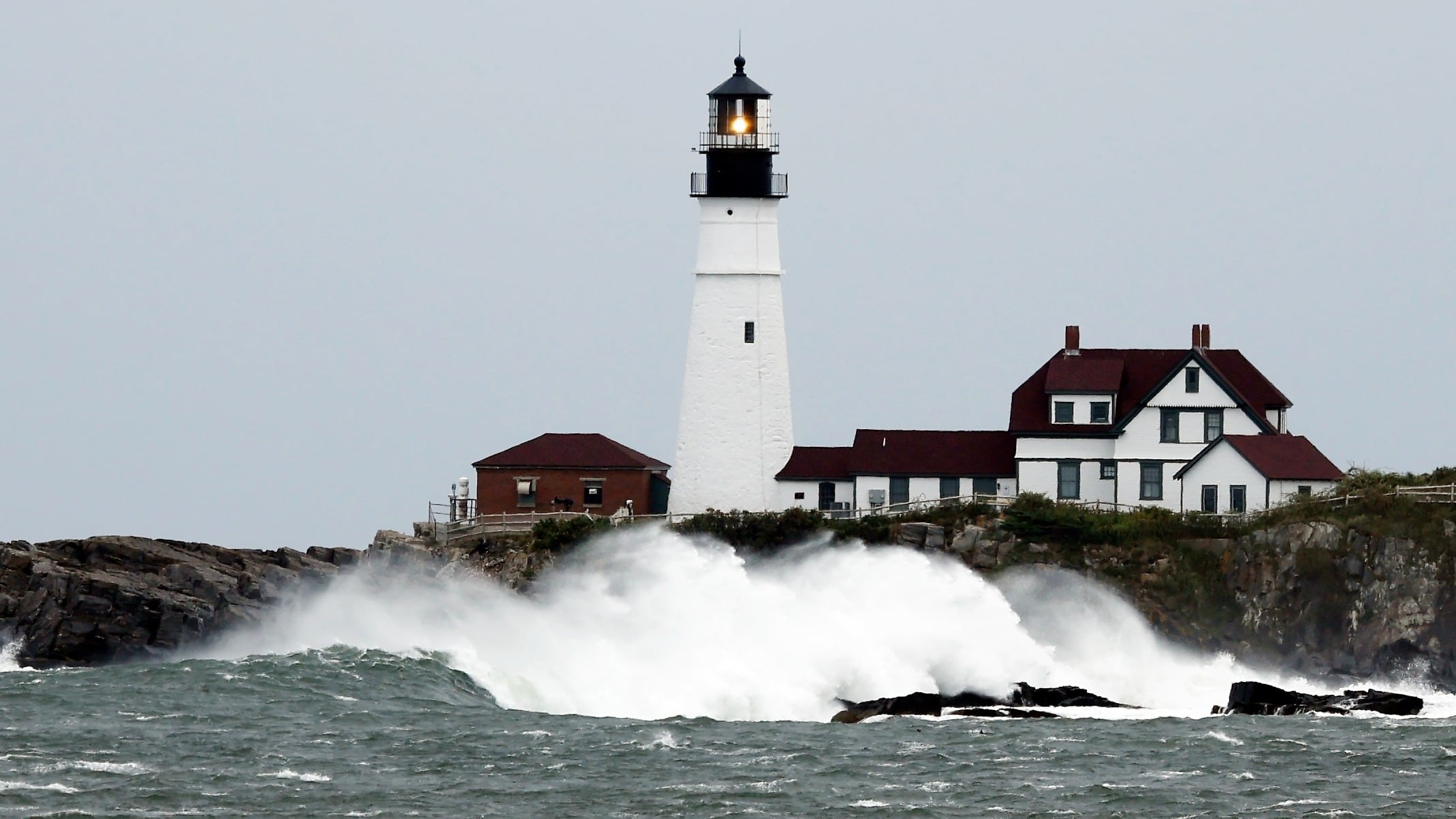
Atlantic storm Lee — which made landfall at near-hurricane strength, bringing destructive winds and torrential rains to New England and Maritime Canada — kept weakening Sunday after officials withdrew warnings and predicted the storm would disappear early this week.
NASA said Thursday that the study of UFOs will require new scientific techniques, including advanced satellites as well as a shift in how unidentified flying objects are perceived.
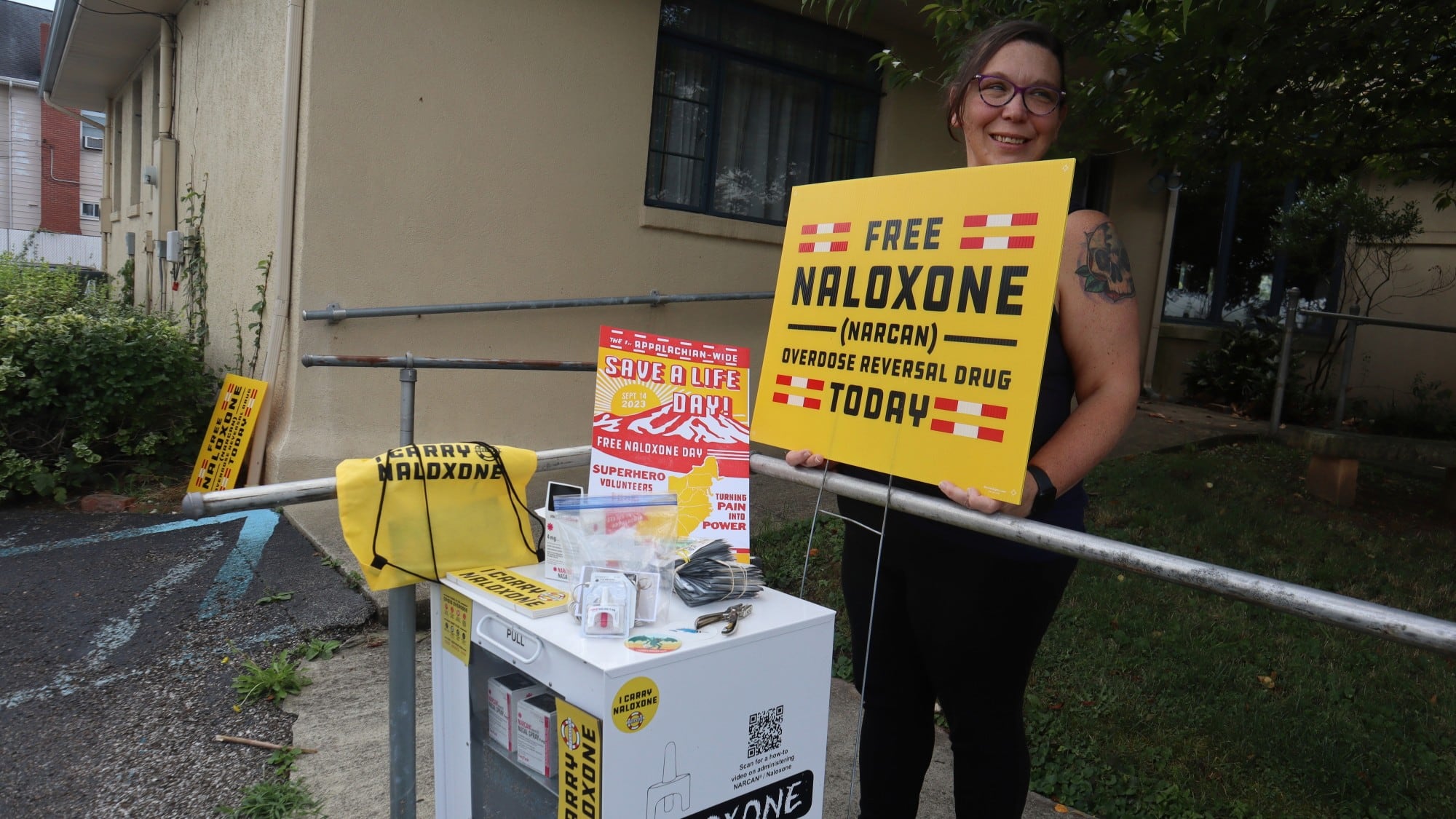
An effort to destigmatize the use of overdose reversal drugs that started as a pilot in two West Virginia counties has expanded to all thirteen states in Appalachia this year.
States and Native American tribes will have greater authority to block energy projects such as natural gas pipelines that could pollute rivers and streams under a final rule issued Thursday by the Biden administration.