The Commerce Department on Tuesday updated and broadened its export controls to stop China from acquiring advanced computer chips and the equipment to manufacture them.
The revisions come roughly a year after the export controls were first launched to counter the use of the chips for military applications that include the development of hypersonic missiles and artificial intelligence.
“These export controls are intended to protect technologies that have clear national security or human rights implications,” Commerce Secretary Gina Raimondo said on a call with reporters. “The vast majority of semiconductors will remain unrestricted. But when we identify national security or human rights threats, we will act decisively and in concert with our allies.”
The updates stemmed from consulting with industry and conducting technological analyses. There will now be a gray zone that will be monitored for chips that could still be used for military aims even if they might not meet the thresholds for trade limitations.
Chip exports can also be restricted to companies headquartered in Macao or anywhere under a U.S. arms embargo, preventing countries of concern from circumventing the controls and providing chips to China.
The updates also introduce new requirements that make it more difficult for China to manufacture advanced chips abroad. The list of manufacturing equipment that falls under the export controls has also been expanded, among other changes to the policy.
The export controls announced last year were a source of frustration for the Chinese government, which viewed the design and manufacturing of high-level semiconductors as essential for its economic and geopolitical goals. Raimondo has said the limits on these chips are not designed to impair China's economic growth.
In an August meeting, Raimondo and her Chinese counterparts agreed to exchange information about the export controls. But a senior administration official, insisting on anonymity to discuss the policy, said the U.S. government did not discuss with China the parameters of the revised export controls. China’s No. 2 leader, Premier Li Qiang, appealed for “concrete actions” by Washington to improve relations, a reference to Chinese pressure for changes in U.S. policy on technology, Taiwan and other issues.
Chinese government officials are scheduled to go to San Francisco in November for the Asia-Pacific Economic Cooperation summit.
President Joe Biden has suggested he could meet on the sidelines of the summit with Chinese President Xi Jinping, though a meeting has yet to be confirmed. The two leaders met last year following the Group of 20 summit in Bali, Indonesia, shortly after the export controls were announced.
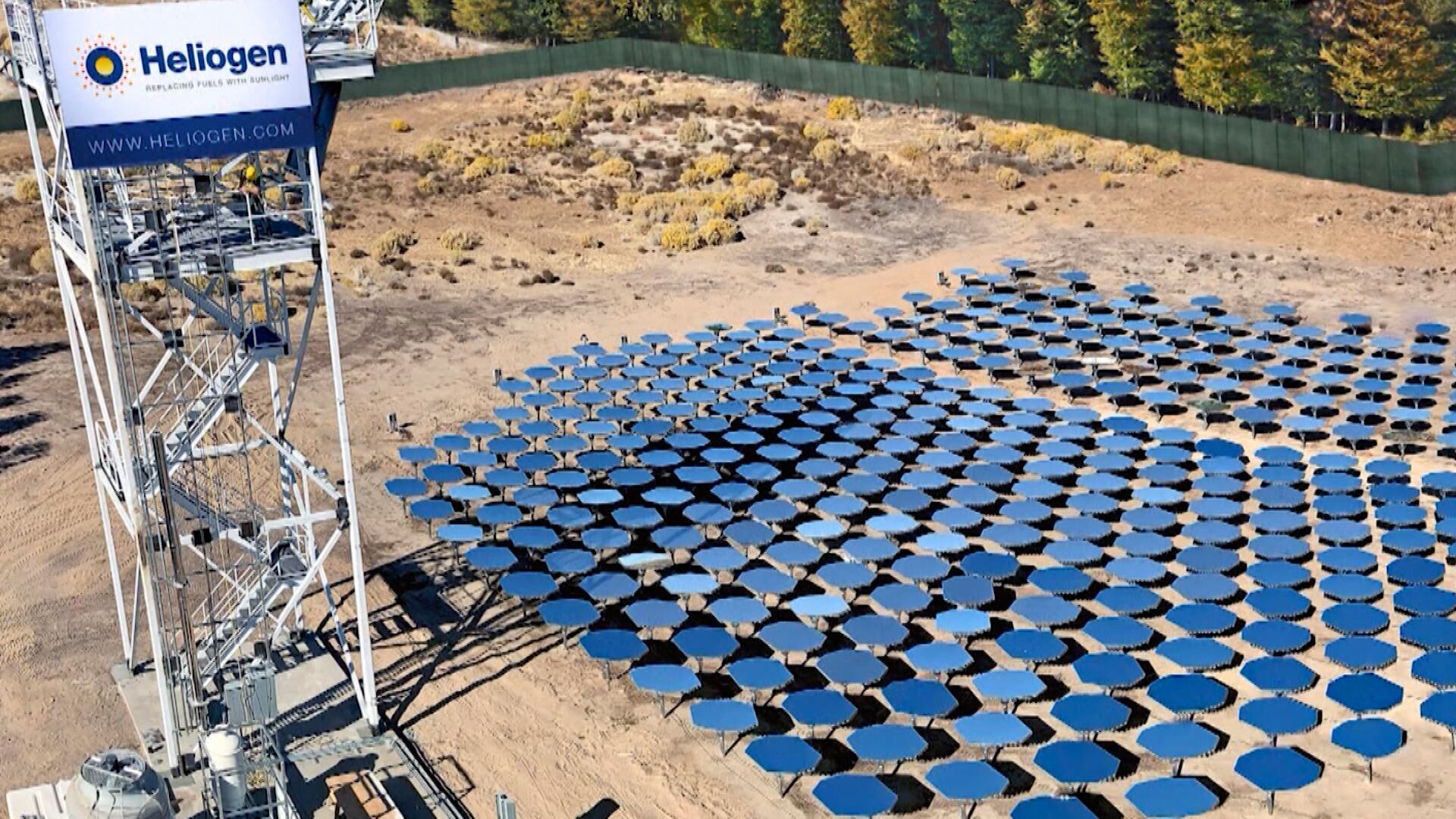
Renewable energy company Heliogen has gone public via a SPAC merger with blank check company Athena Technology Acquisition Corp. on the NYSE. Joining Cheddar, founder and CEO Bill Gross went into why he felt the end of 2021 was the best time to get into the public markets. "If you think of the Industrial Revolution and the digital revolution, this renewable revolution is probably going to be as big or larger than that," he said. "So we're going to use this capital to scale our business, to meet more customer demand, to do more projects in parallel, and to scale our research and development to continue to drive down the price to be competitive with fossil fuels."
Carl "The Moon" Runefelt, a Bitcoin investment expert, recently made a hefty purchase of a $2 million Bugatti sports car at a Dubai dealership. The Swedish crypto evangelist joined Cheddar to talk about how he made the big acquisition of a luxury item he had long had his eye on and why he chose the dealership, The Car Vault, to make the unprecedented transaction. "They accepted crypto directly, and that was important to me," he said. "I am not going to go to any car dealership that don't accept crypto, and that's kind of a principle I have today."
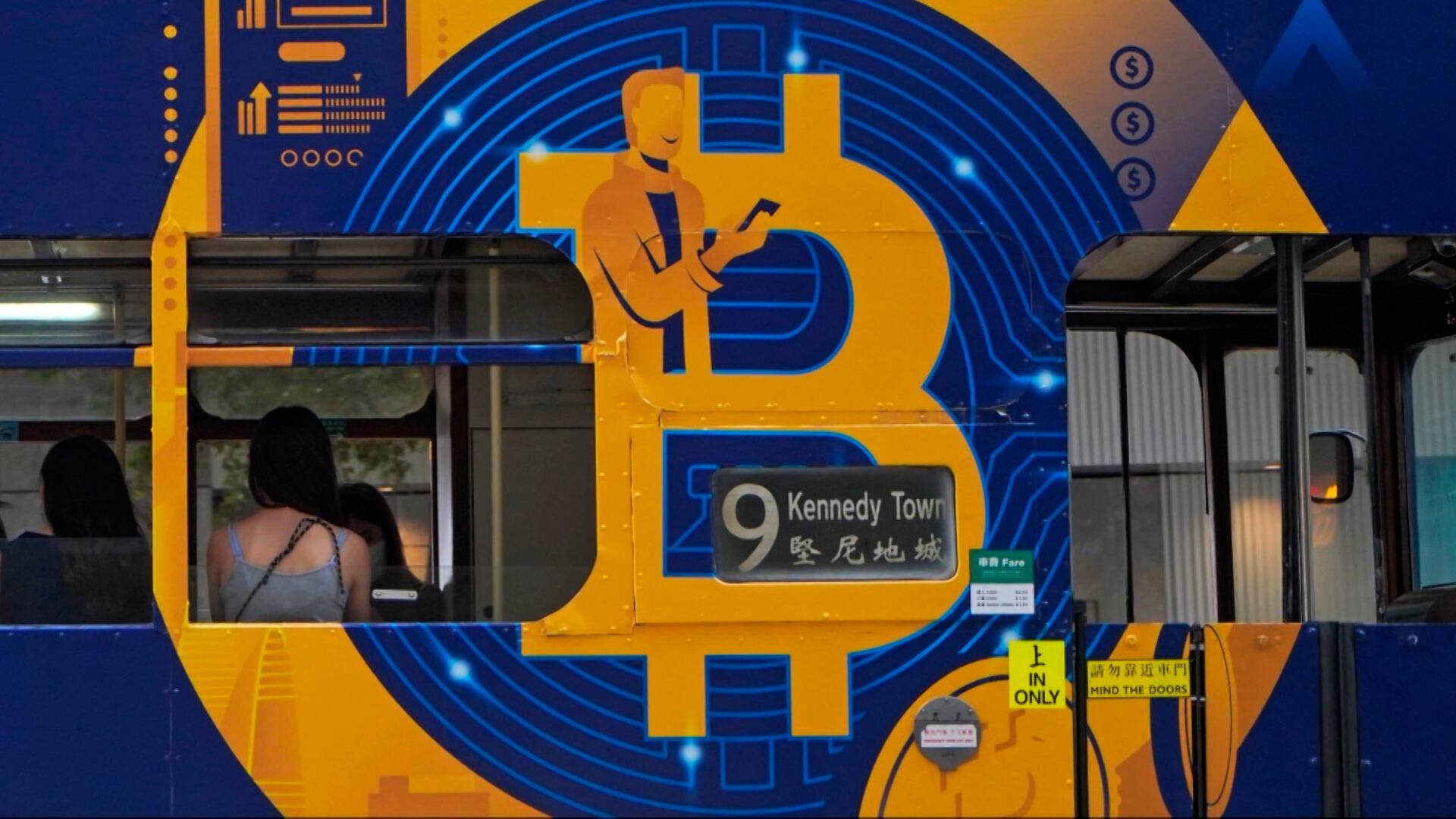
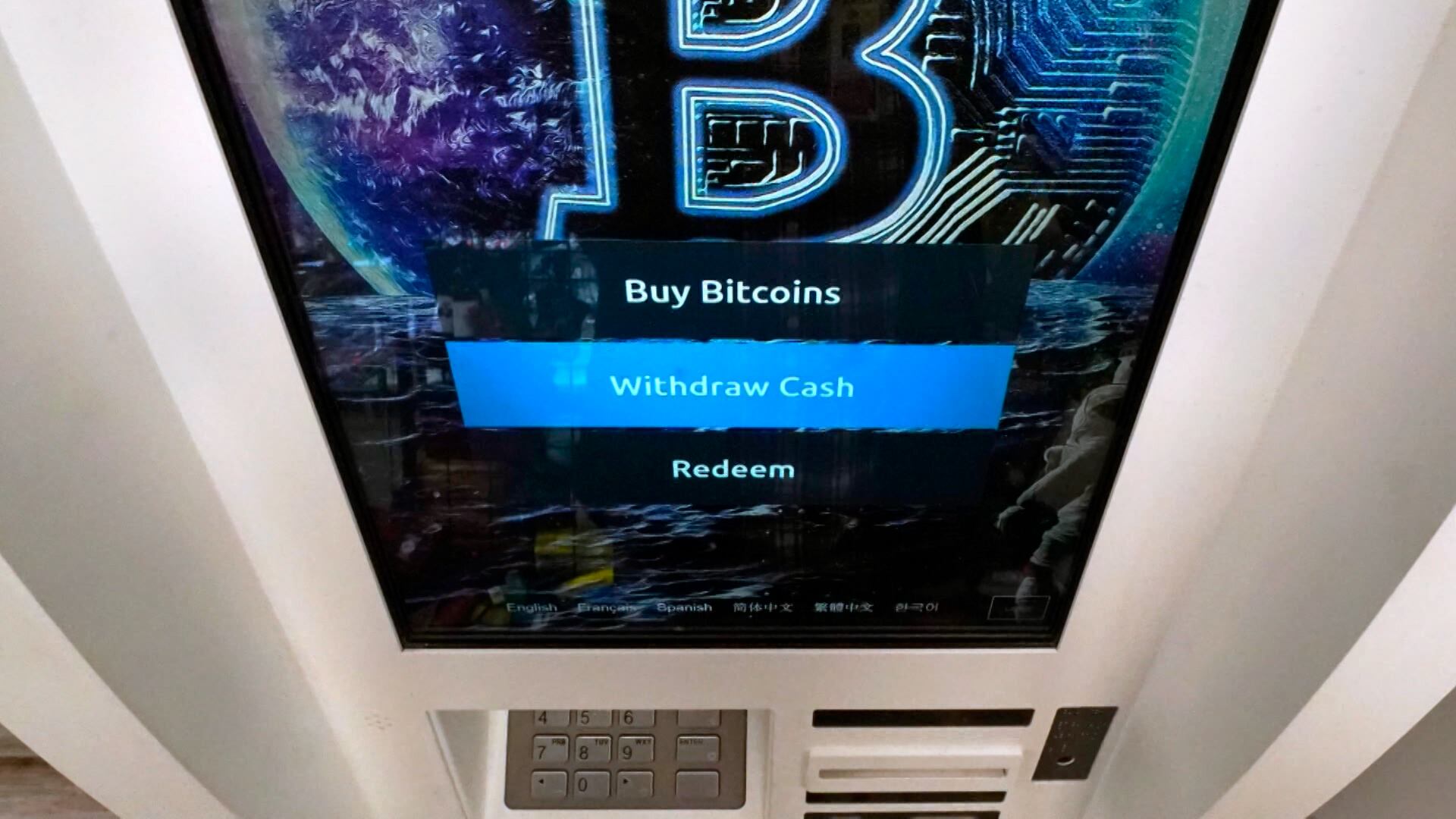
2021 proved that crypto currency is here to stay. This year saw more and more adoptions of crypto, from top athletes looking to be paid in bitcoin, to Elon Musk even experimenting with bitcoin and dogecoin payments for a bit over at Tesla. And it wasn't all bitcoin either - other cryptos like Cardano and Solana saw some action in 2021 as well. Patrick McConlogue, CEO of Overline and former Citadel Investment Group Engineer explains why 2021 was such a good year for crypto, and what to expect in 2022.
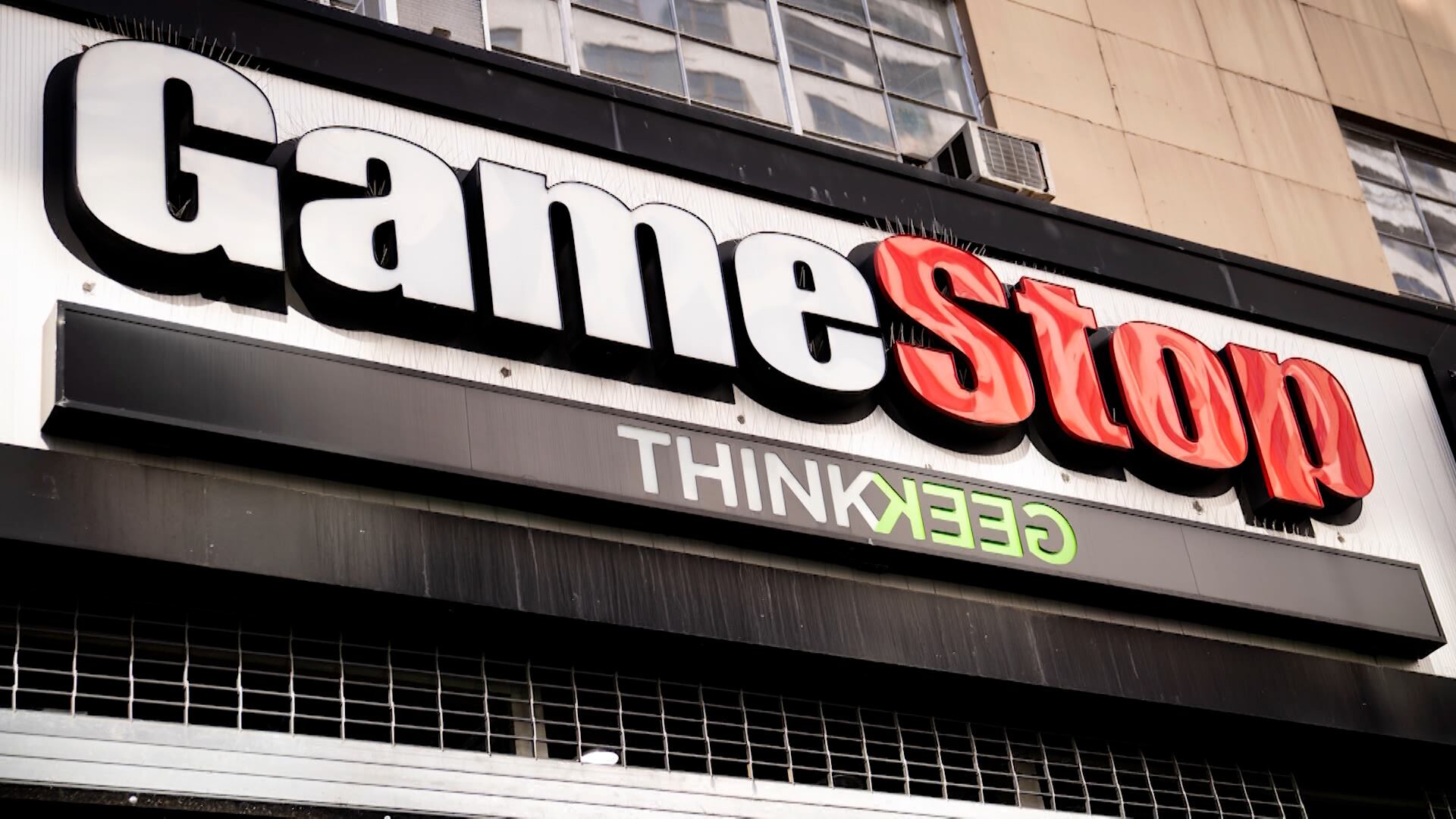
2021 saw markets continue to be impacted by the onslaught of the coronavirus pandemic -most recently in the form of the Omicron variant- in addition to the global supply chain shortage, and increased inflation. But it wasn't all bad news, as crypto soared throughout the year, and meme stocks continued to have a moment. With the year coming to a close, investors are keeping an eye out to see if they should expect more of the same in the new year. Chris Vecchio, Senior Analyst, at DailyFX tells us what market trends to be on the watch for in 2022.
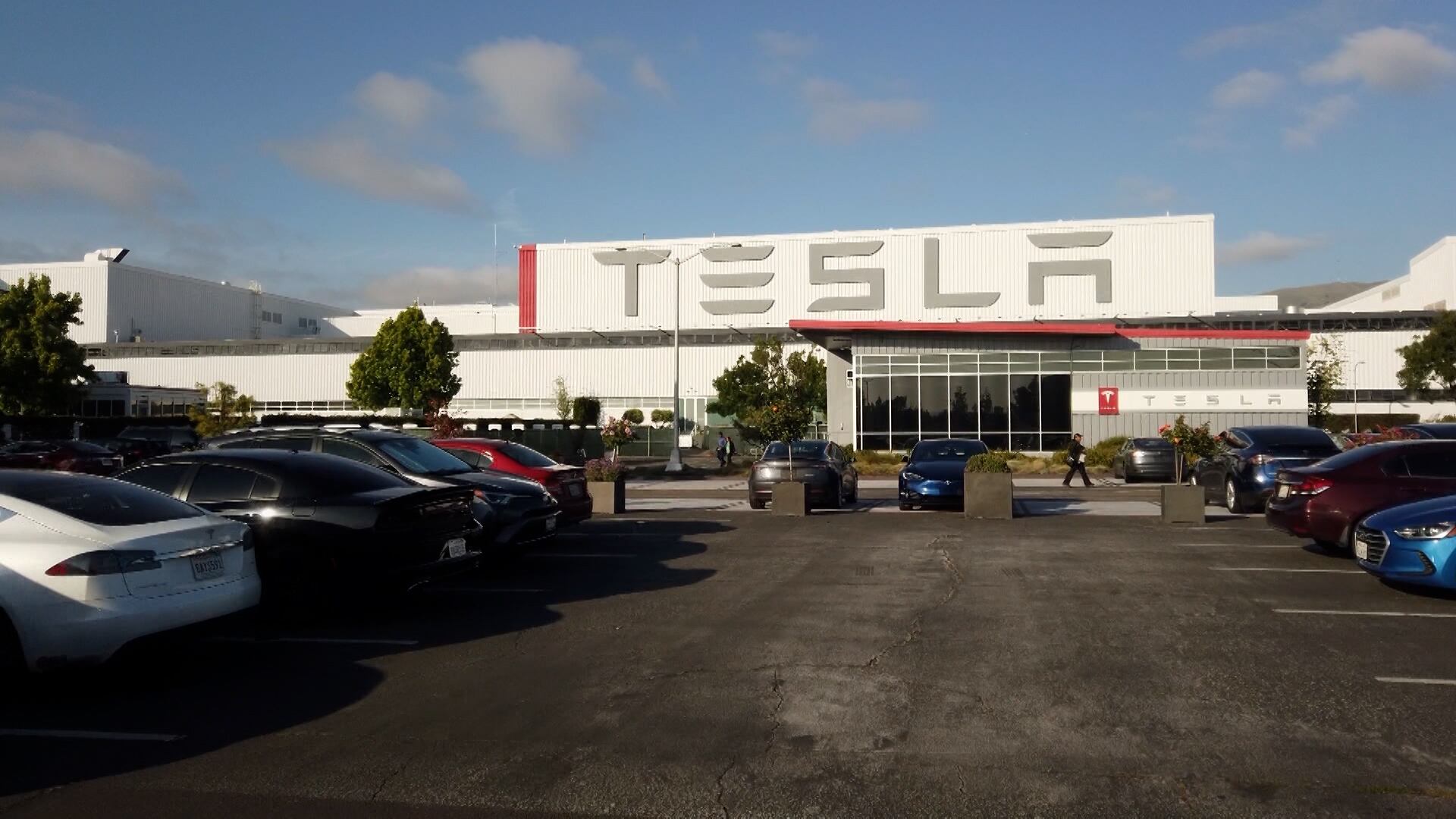
2021 proved to be yet another formidable year for Tesla. In a year that saw electric vehicles carve out their own space in the transportation world, the company made further strides, keeping its spot on top even as new companies threatened competition. Tesla was able to hit the trillion dollar valuation mark, increase vehicle deliveries even as the world grappled with supply chain and delivery issues and sign a major deal with Hertz this year. And of course, you can't talk about Tesla without talking about Elon Musk, CEO and founder of the company, richest man in the world and Time Magazine Person of the Year, who saw plenty of successes in 2021 as well. Al Root, Senior Writer at Barron’s, explains just how good a year it was for Tesla.
David Ewalt, Editor-in-Chief at Gizmodo joins Cheddar News to discuss a TikTok moderator suing the platform over mental trauma caused by graphic videos