The Commerce Department on Tuesday updated and broadened its export controls to stop China from acquiring advanced computer chips and the equipment to manufacture them.
The revisions come roughly a year after the export controls were first launched to counter the use of the chips for military applications that include the development of hypersonic missiles and artificial intelligence.
“These export controls are intended to protect technologies that have clear national security or human rights implications,” Commerce Secretary Gina Raimondo said on a call with reporters. “The vast majority of semiconductors will remain unrestricted. But when we identify national security or human rights threats, we will act decisively and in concert with our allies.”
The updates stemmed from consulting with industry and conducting technological analyses. There will now be a gray zone that will be monitored for chips that could still be used for military aims even if they might not meet the thresholds for trade limitations.
Chip exports can also be restricted to companies headquartered in Macao or anywhere under a U.S. arms embargo, preventing countries of concern from circumventing the controls and providing chips to China.
The updates also introduce new requirements that make it more difficult for China to manufacture advanced chips abroad. The list of manufacturing equipment that falls under the export controls has also been expanded, among other changes to the policy.
The export controls announced last year were a source of frustration for the Chinese government, which viewed the design and manufacturing of high-level semiconductors as essential for its economic and geopolitical goals. Raimondo has said the limits on these chips are not designed to impair China's economic growth.
In an August meeting, Raimondo and her Chinese counterparts agreed to exchange information about the export controls. But a senior administration official, insisting on anonymity to discuss the policy, said the U.S. government did not discuss with China the parameters of the revised export controls. China’s No. 2 leader, Premier Li Qiang, appealed for “concrete actions” by Washington to improve relations, a reference to Chinese pressure for changes in U.S. policy on technology, Taiwan and other issues.
Chinese government officials are scheduled to go to San Francisco in November for the Asia-Pacific Economic Cooperation summit.
President Joe Biden has suggested he could meet on the sidelines of the summit with Chinese President Xi Jinping, though a meeting has yet to be confirmed. The two leaders met last year following the Group of 20 summit in Bali, Indonesia, shortly after the export controls were announced.
Coming off of a fourth-quarter delivering just over 300,000 cars, Tesla is expected to report tremendous earnings after the bell on Wednesday. Al Root, a senior writer for Barron’s, spoke with Cheddar’s Baker Machado about the anticipated earnings report and speculated about what Elon Musk will discuss during the call with investors, including a Cybertruck update, new factories, a possible new vehicle, and/or new larger form batteries. "There's a menu of things he could talk about, and any combination of those would be good," said Root.
The American Federation Teachers Union has announced its latest partnership with NewsGuard in efforts to help educators play a greater role in deciphering facts from fiction that students see online. They say the goal is to help students build critical-thinking skills while also teaching them the importance of media literacy. Executive Vice President of Partnerships at NewsGuard, Sarah Bandt, joined Cheddar to talk more.
James Whitley, Core Contributor at cypher, joins Cheddar News' Closing Bell, where he discusses the underlying factors that support a bounce-back for Bitcoin despite the token's recent slump.
Commercial and residential buildings account for 13% of carbon emissions in the U.S., according to the EPA, and one company says it has a solution. Runwise says it has updated the boiler and heating systems of thousands of buildings, and that its technology not only lowers carbon output but also saves landlords money. Lee Hoffman, Co-Founder and COO of Runwise, joined Cheddar Climate to discuss.
Following sales tech startup Scratchpad raising $33 million in Series B Funding, CEO and co-founder Pouyan Salehi joined Cheddar to discuss how his company's software works to help salespeople with an all-in-one workspace, integrating with Salesforce to optimize notes, spreadsheets, and other relevant information so businesses can forecast and make the best decisions. "If you look at other crafts like artists, they'll have studios; chefs, they'll have kitchens; scientists will have labs, and we just asked, well, if you look at sales as a craft, why doesn't something exist that is designed solely for a salesperson?" Salehi said about his workspace app.
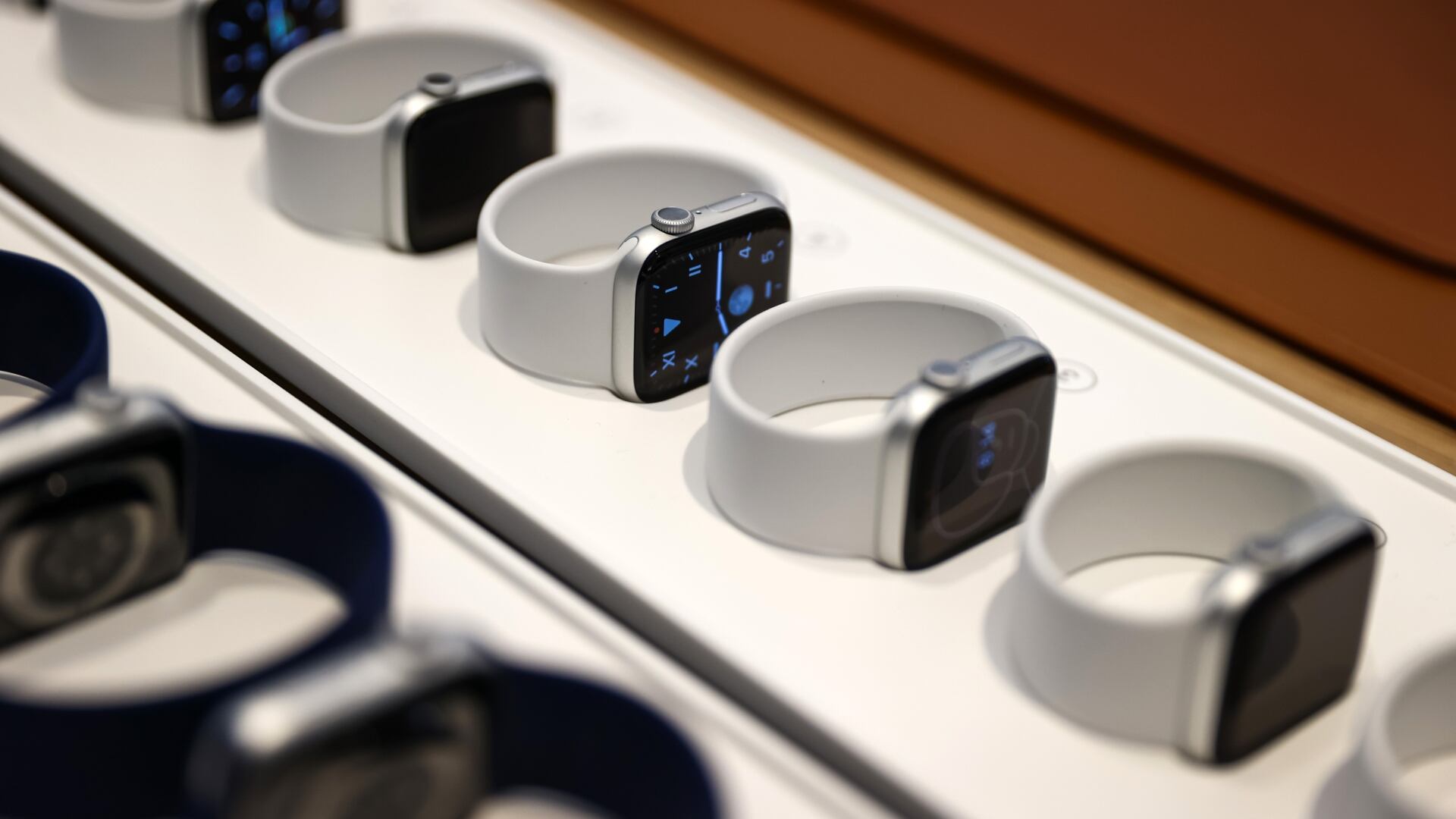
Google could be gearing up to release its own wearable device as rumors swirl about a potential smartwatch with the Pixel brand. Jon Prosser, the creator of Front Page Tech, who tweeted a possible leak about the product, joined Cheddar's "Closing Bell" to discuss potential the benefits of it entering the same space as the Apple Watch. Prosser said, while he doesn't expect it to launch until at least 2023, the Pixel Watch will be "one of the most vital, most important wearables that we can have on the market," noting that it won't likely challenge Apple for much market share but will set the standard for other Android wearables to come.