The Commerce Department on Tuesday updated and broadened its export controls to stop China from acquiring advanced computer chips and the equipment to manufacture them.
The revisions come roughly a year after the export controls were first launched to counter the use of the chips for military applications that include the development of hypersonic missiles and artificial intelligence.
“These export controls are intended to protect technologies that have clear national security or human rights implications,” Commerce Secretary Gina Raimondo said on a call with reporters. “The vast majority of semiconductors will remain unrestricted. But when we identify national security or human rights threats, we will act decisively and in concert with our allies.”
The updates stemmed from consulting with industry and conducting technological analyses. There will now be a gray zone that will be monitored for chips that could still be used for military aims even if they might not meet the thresholds for trade limitations.
Chip exports can also be restricted to companies headquartered in Macao or anywhere under a U.S. arms embargo, preventing countries of concern from circumventing the controls and providing chips to China.
The updates also introduce new requirements that make it more difficult for China to manufacture advanced chips abroad. The list of manufacturing equipment that falls under the export controls has also been expanded, among other changes to the policy.
The export controls announced last year were a source of frustration for the Chinese government, which viewed the design and manufacturing of high-level semiconductors as essential for its economic and geopolitical goals. Raimondo has said the limits on these chips are not designed to impair China's economic growth.
In an August meeting, Raimondo and her Chinese counterparts agreed to exchange information about the export controls. But a senior administration official, insisting on anonymity to discuss the policy, said the U.S. government did not discuss with China the parameters of the revised export controls. China’s No. 2 leader, Premier Li Qiang, appealed for “concrete actions” by Washington to improve relations, a reference to Chinese pressure for changes in U.S. policy on technology, Taiwan and other issues.
Chinese government officials are scheduled to go to San Francisco in November for the Asia-Pacific Economic Cooperation summit.
President Joe Biden has suggested he could meet on the sidelines of the summit with Chinese President Xi Jinping, though a meeting has yet to be confirmed. The two leaders met last year following the Group of 20 summit in Bali, Indonesia, shortly after the export controls were announced.
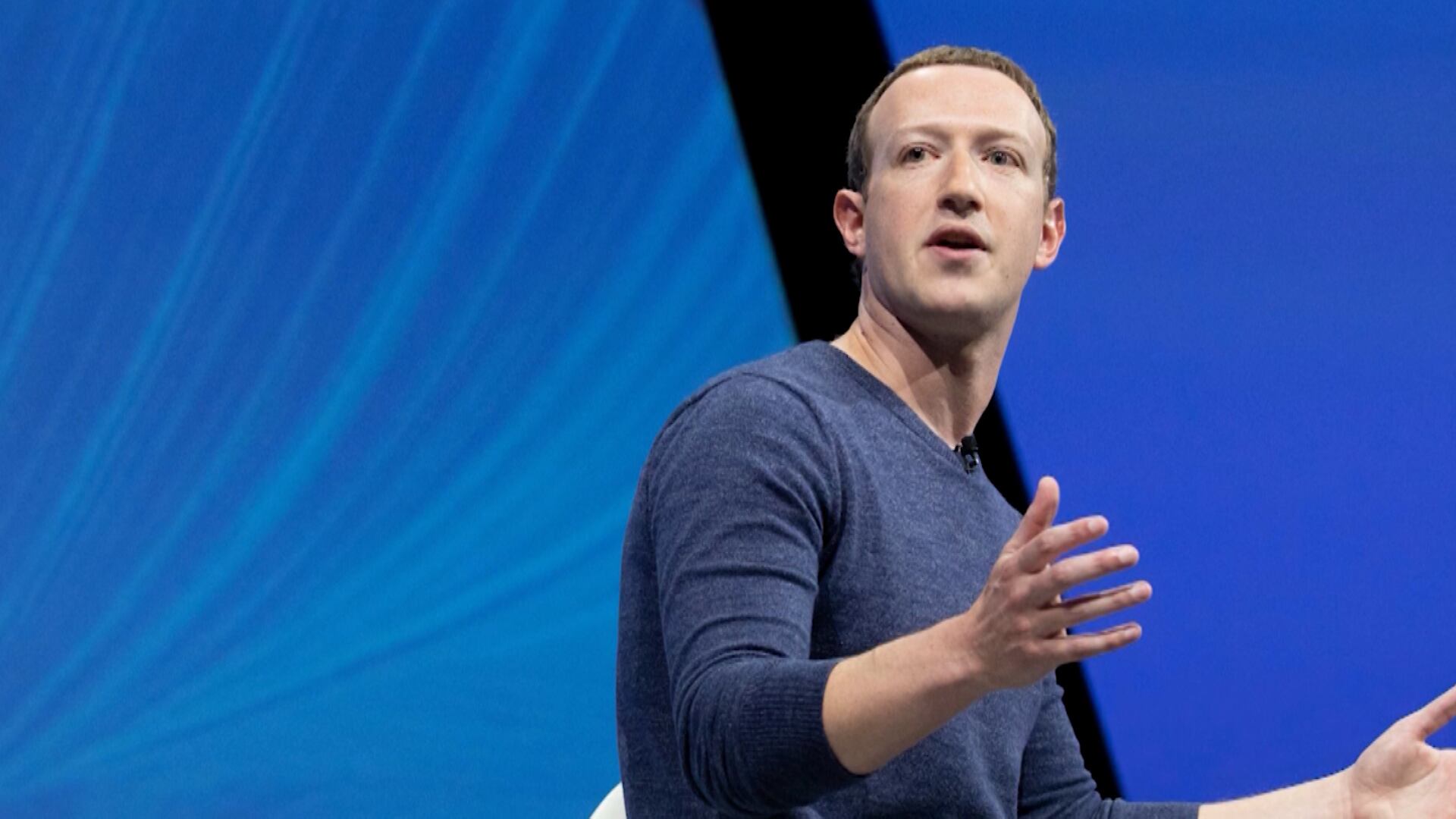
Rene Ritchie, independent tech analyst and co-founder of the Nebula Podcast, joins Cheddar News' Closing Bell, where he breaks down what investors will be looking for from Mark Zuckerberg this week and how the tech giants stack up when it comes to augmented reality and virtual reality products going forward.
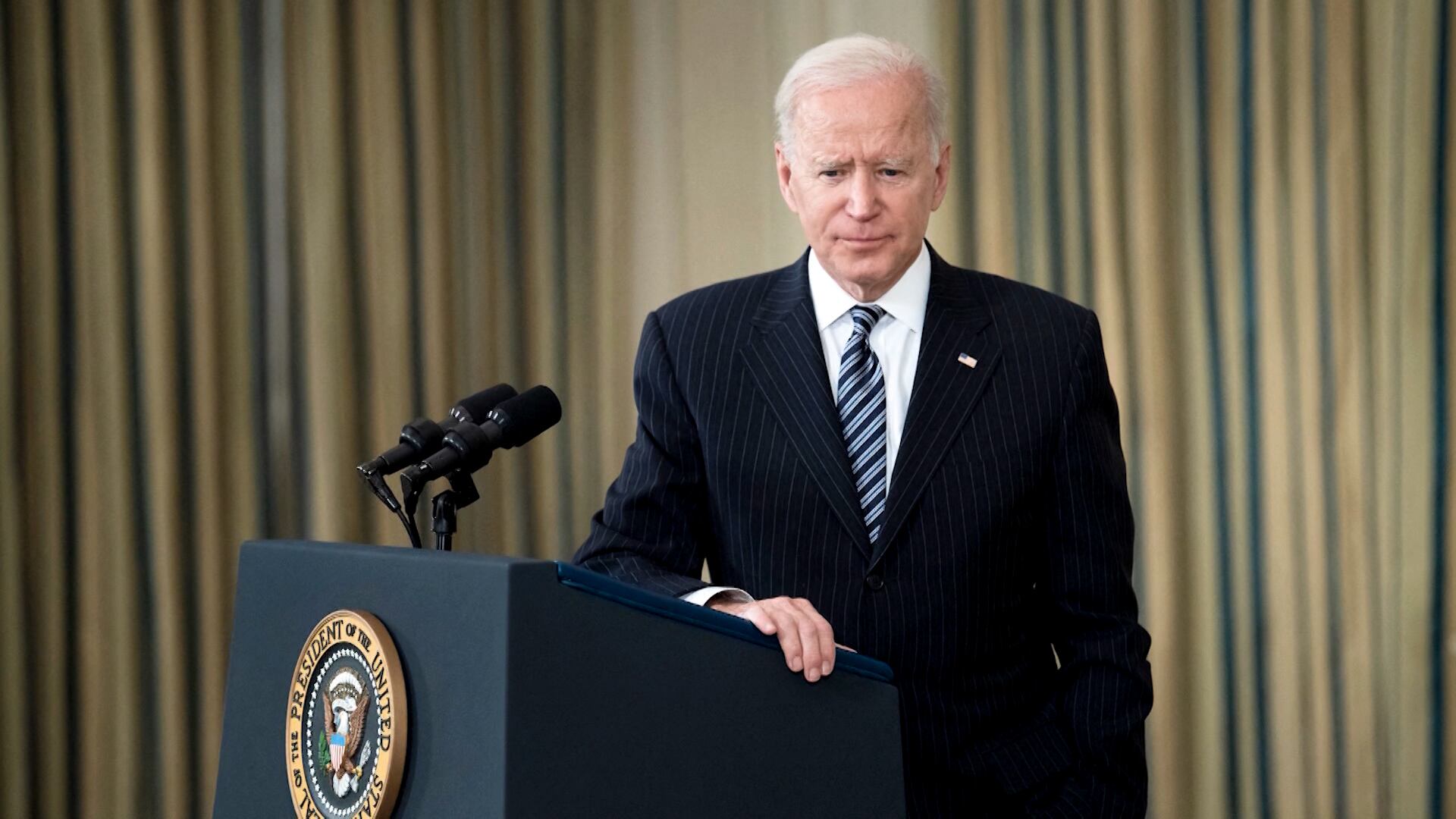
According to multiple reports, President Biden's upcoming executive order for the crypto marke would assign some government entities to study cryptocurrencies, stablecoins and NFT's with the goal of developing a workable regulatory framework. Douglas Borthwick, Chief Business Officer at INX, joins Cheddar News' Closing Bell, where he elaborates on what role the Biden administration would play under this order.
Nutritional supplement beverage company Athletic Greens has achieved unicorn status. The company announced a new $115 million funding round, bringing its valuation to $1.2 billion. The company's flagship product AG1 combines 75 different vitamins, minerals, and other nutrients into one daily serving. Athletic Greens says it is poised to reach the millions of consumers who are currently driving the health and wellness market's exponential growth. Athletic Greens founder and CEO Chris Ashenden joins Cheddar News' Closing Bell to discuss.
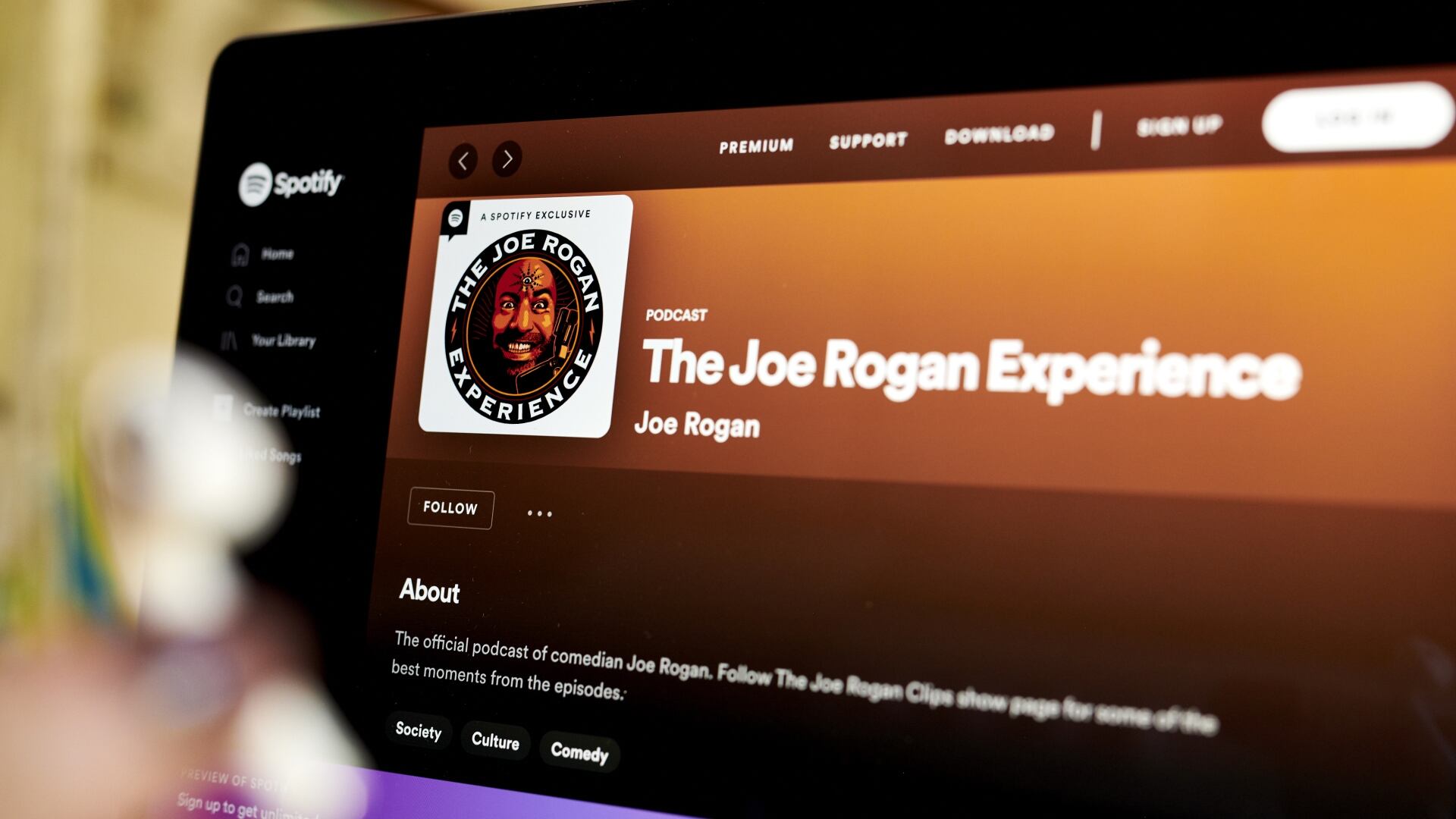
Is Spotify a platform for content creators, or is it a media company? The streaming giant may have to find an answer sooner rather than later amid a controversy involving its most popular podcast host, Joe Rogan. Rogan has hosted guests who have made false claims about COVID-19 vaccines, and in turn, some musicians like Neil Young and Joni Mitchell have removed their discographies from Spotify in protest. Rogan says he welcomes content advisories, and will balance out his guests going forward, but is it enough? And is Spotify liable in any way? John Freeman, Vice President of CFRA Research, joins Closing Bell to discuss Rogan's response to the controversy, whether Spotify should be considered a media company with responsibility for its content, and more.
The gaming industry has seen multiple large scales deals this month alone, including Microsoft's megadeal for Activision Blizzard. And, seemingly in response, rival Sony, picked up Bungie for $3.6 billion, a studio once owned by both Microsoft and Activision. The sector is reportedly on track to spend $150 billion on mergers and acquisitions just this year alone, a record-breaking total, according to investment firm Drake Star Partners. Michael Metzger, a partner at the firm specializing in technology, media, and communications, joined Cheddar to discuss the flurry of deals in the gaming space and what might be behind the hot M&A activity.
Ari Redbord, head of legal and government affairs and TRM Labs, joins Cheddar News to discuss why Facebook is ditching its crypto project and what that means for the space.
A virtual gathering in the online space, Decentraland, of Elvis Presley impersonators is looking to grab the Guinness World Record for most Elvis impersonators in one place after the record-keeping org recently approved the use of avatars as stand-ins for people.