Chris Whipple, Author of the New York Times best-selling book "The Gatekeepers", joins VF Hive to discuss the tension between President Trump and his Chief of Staff John Kelly. He reveals his thoughts on whether or not the White House is "broken."
If John Kelly left the White House tomorrow what would his report card say? Whipple says Kelly has failed to tell the President what not to do. That was magnified after President Trump made inappropriate comments about African countries. Whipple says the White House isn't any more effective with Kelly in power.
In fact, according to Whipple, the White House is totally broken. The only way Republicans got the tax bill passed was because they kept it 100 miles away from Trump. He can't predict who would take Kelly's spot if Trump decides to fire him, but he says being Chief of Staff is the toughest job in Washington.
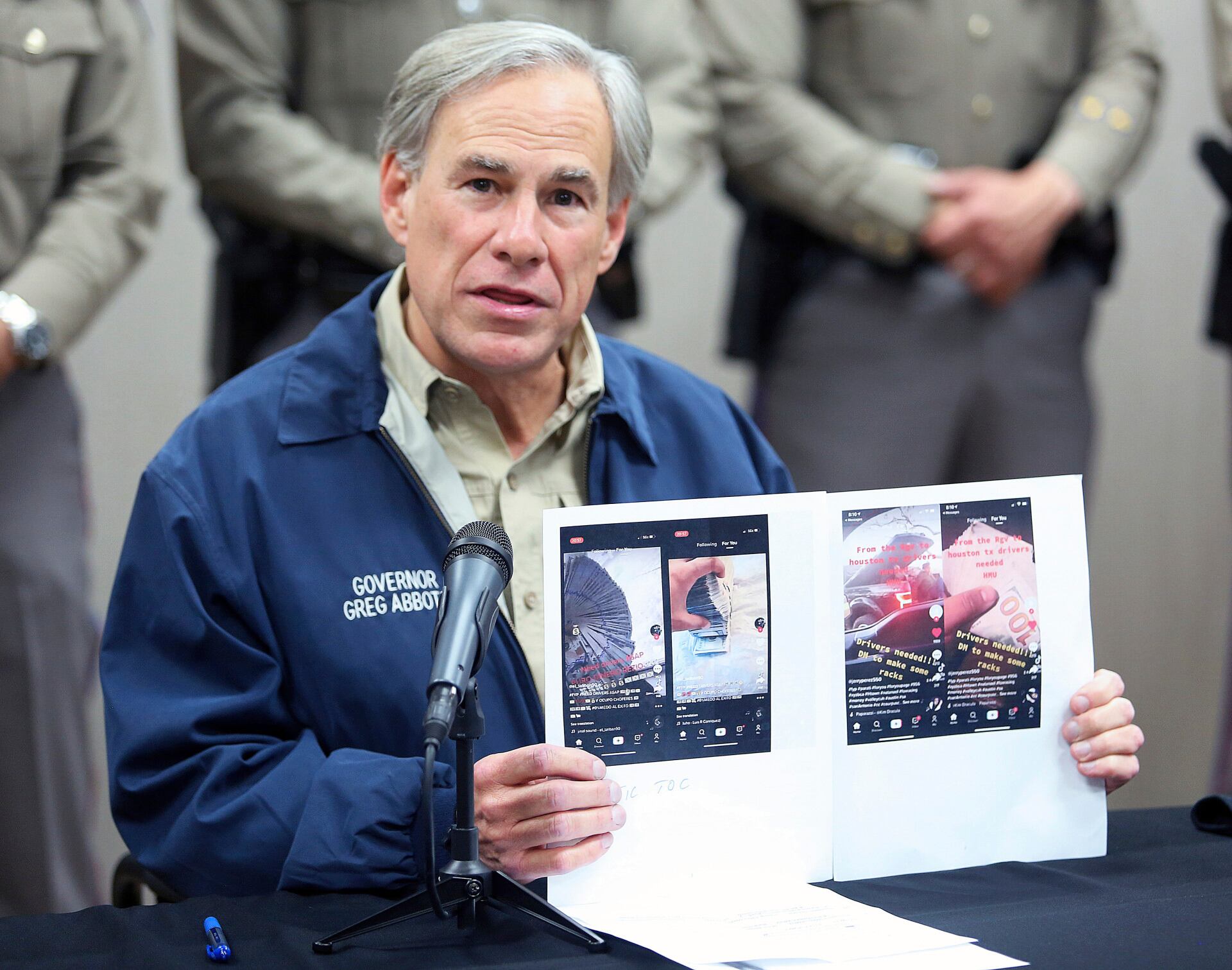
A First Amendment group sued Texas Governor Greg Abbott and others on Thursday over the state’s TikTok ban on official devices, arguing the prohibition – which extends to public universities – is unconstitutional and impedes academic freedom.
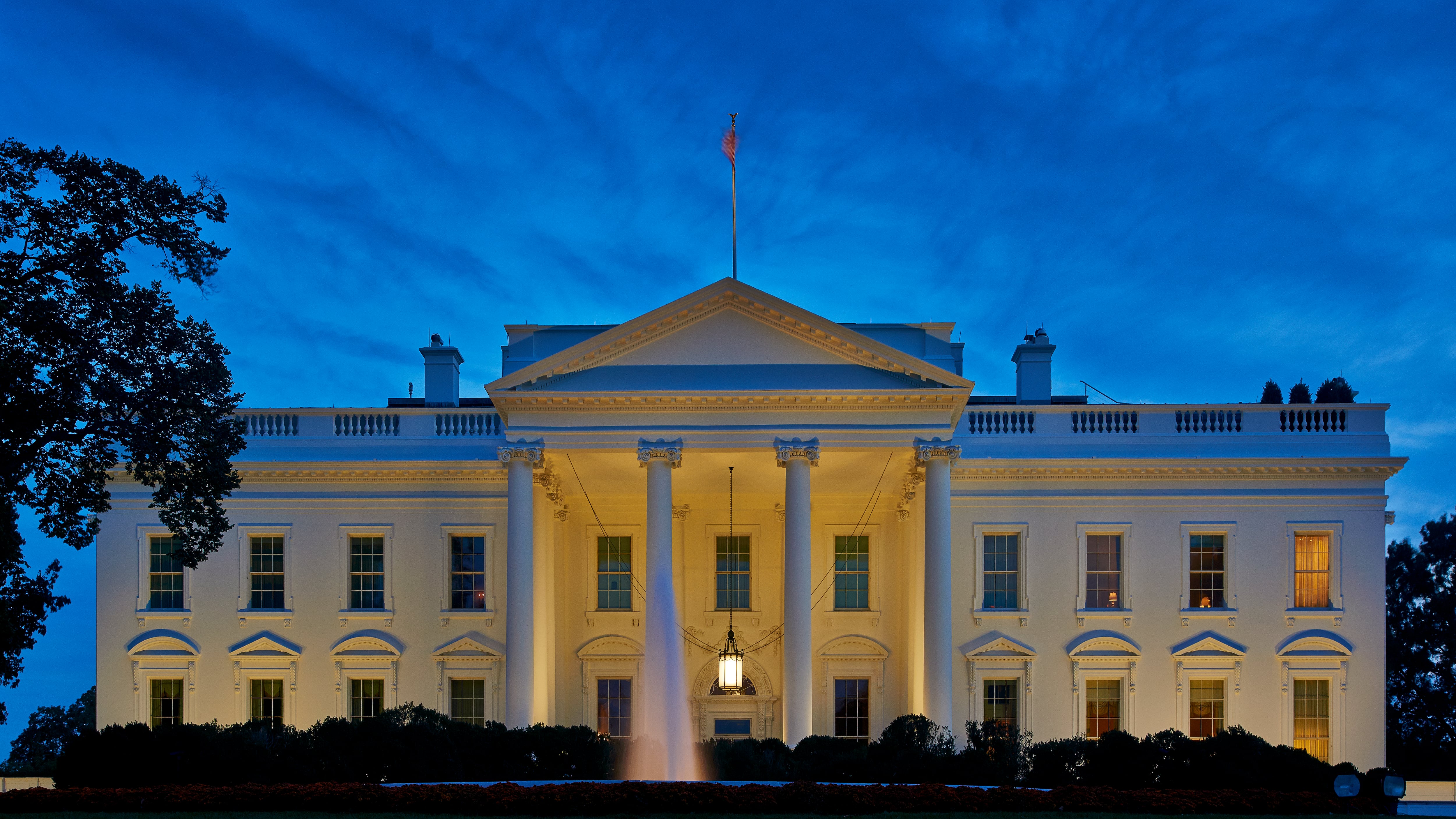
No fingerprints or DNA turned up on the baggie of cocaine found in a lobby at the White House last week despite a sophisticated FBI crime lab analysis, and surveillance footage of the area didn’t identify a suspect, according to a summary of the Secret Service investigation obtained by The Associated Press. There are no leads on who brought the drugs into the building.
Kamala Harris, who made history as the first woman or person of color to serve as vice president, has made history again by matching the record for most tiebreaking votes in the Senate.
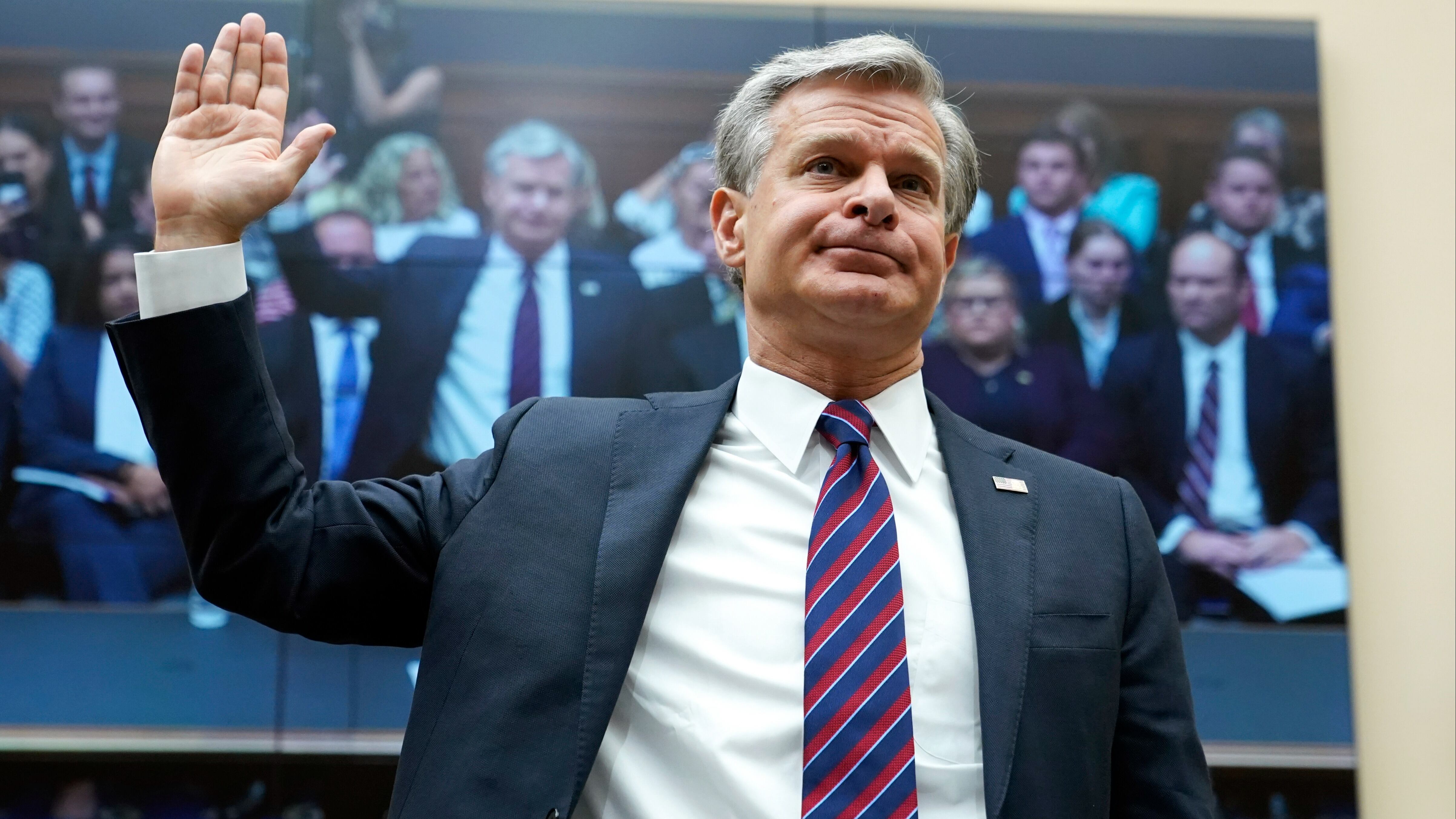
Republicans on the House Judiciary Committee accused the agency of targeting conservatives, suppressing evidence that Covid-19 came from a lab leak and abusing its surveillance powers.
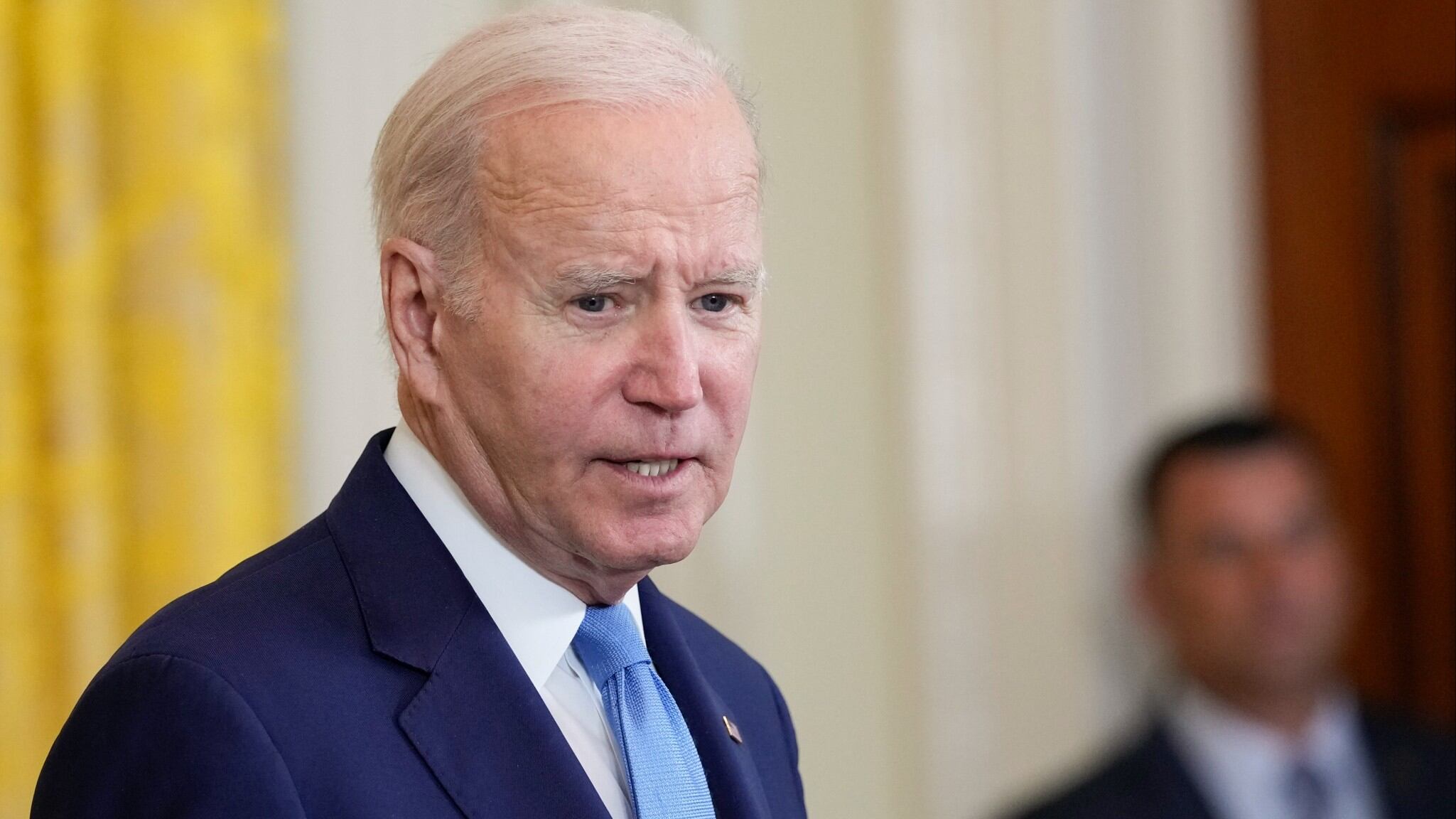
The Biden administration calls it a “student loan safety net.” Opponents call it a backdoor attempt to make college free. And it could be the next battleground in the legal fight over student loan relief.
Nearly 30,000 people in Mississippi were dropped from the state's Medicaid program after an eligibility review that the government ended during the pandemic.