The Cannabis Company That Won't Mix Work With Pleasure
A limited supply of cannabis in the U.S. means those resources have to be divvied up carefully.
For Cronos Group, that means keeping its medical and recreational marijuana operations in completely different verticals, CEO Michael Gorenstein told Cheddar. That ensures patients’ needs are prioritized over those of recreational users.
“If you think about building a town, and you have a limited amount of building supplies, we want to make sure that we’re building a hospital before we’re building the bar,” he said.
Canada-based Cronos Group started trading on the NASDAQ on Tuesday, making it the first marijuana company to list on a major U.S. market.
“It’s a big milestone not just for us but for the entire industry,” said Gorenstein. “[It] just continues to show the acceptance that the cannabis industry is getting.”
And the industry does seem to be growing at break-neck speed. Arcview, a leading researcher of the cannabis market, stated in a [recent report](https://arcviewgroup.com/product/5th-edition/) that the industry brought in $9.7 billion in sales in 2017, and that number could grow to over $25 billion by 2021.
For the full interview, [click here](https://cheddar.com/videos/inside-the-first-cannabis-company-to-list-on-nasdaq).
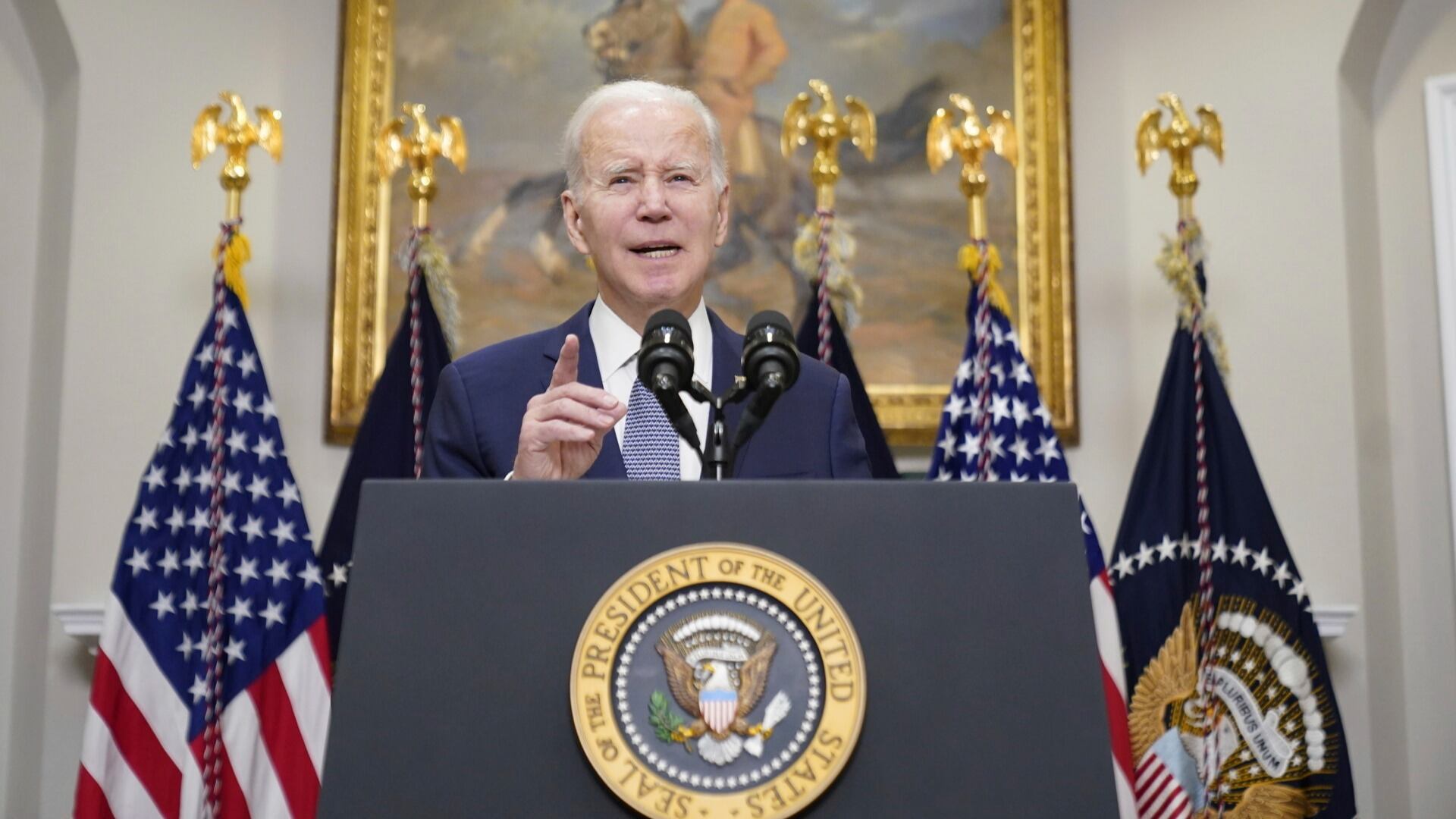
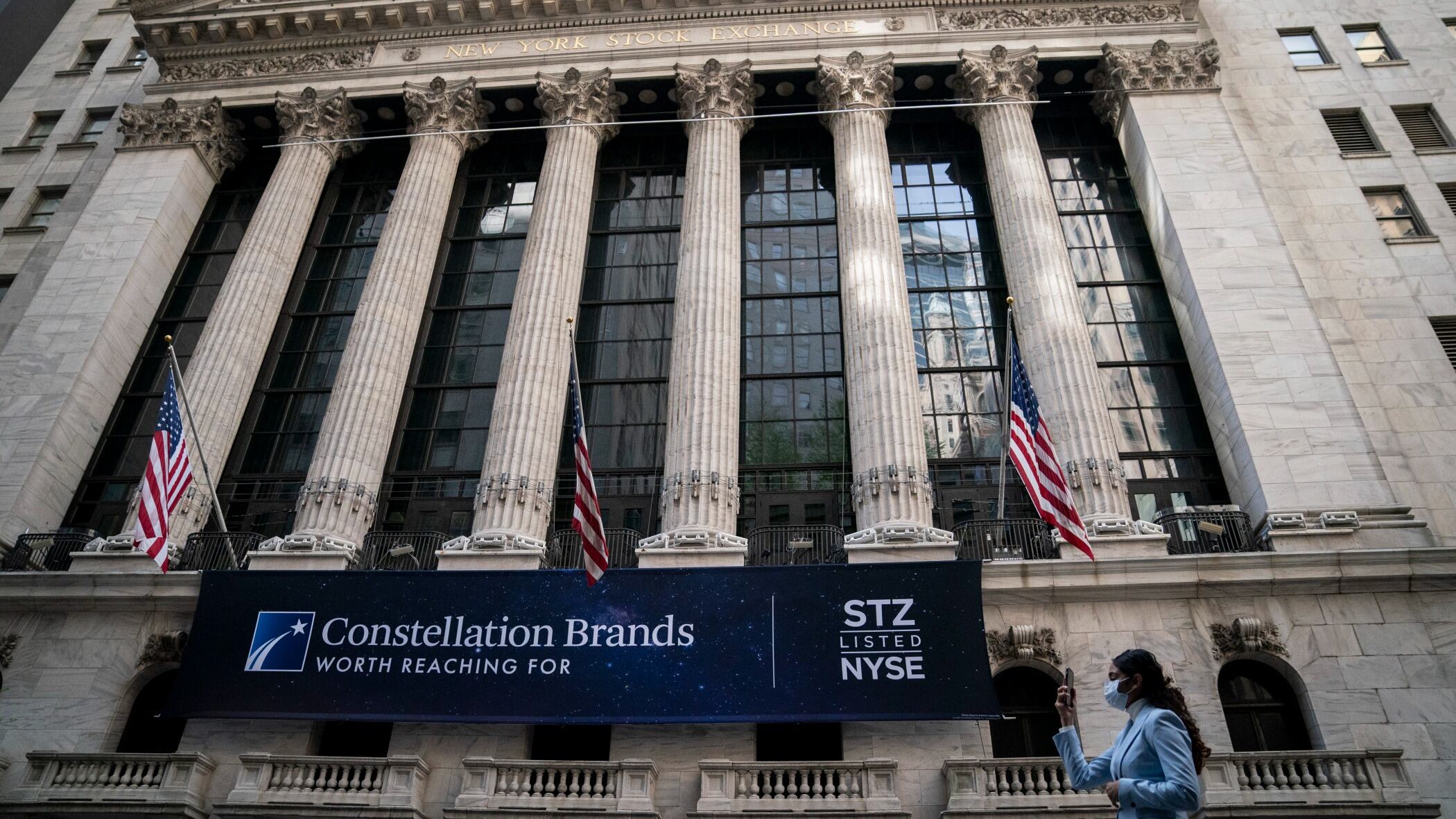
Depositors withdrew savings, and investors broadly sold off bank shares as the federal government raced to reassure Americans that the banking system is secure following two bank failures.
Pfizer has entered a $43 billion merger agreement with biotechnology firm Seagen in a deal designed to bolster the pharmaceutical giant's efforts to fight cancer
The second-largest stablecoin — a cryptocurrency that is pegged to a fiat currency — USCD depegged from the dollar, hitting an all-time low of around 88 cents over the weekend.
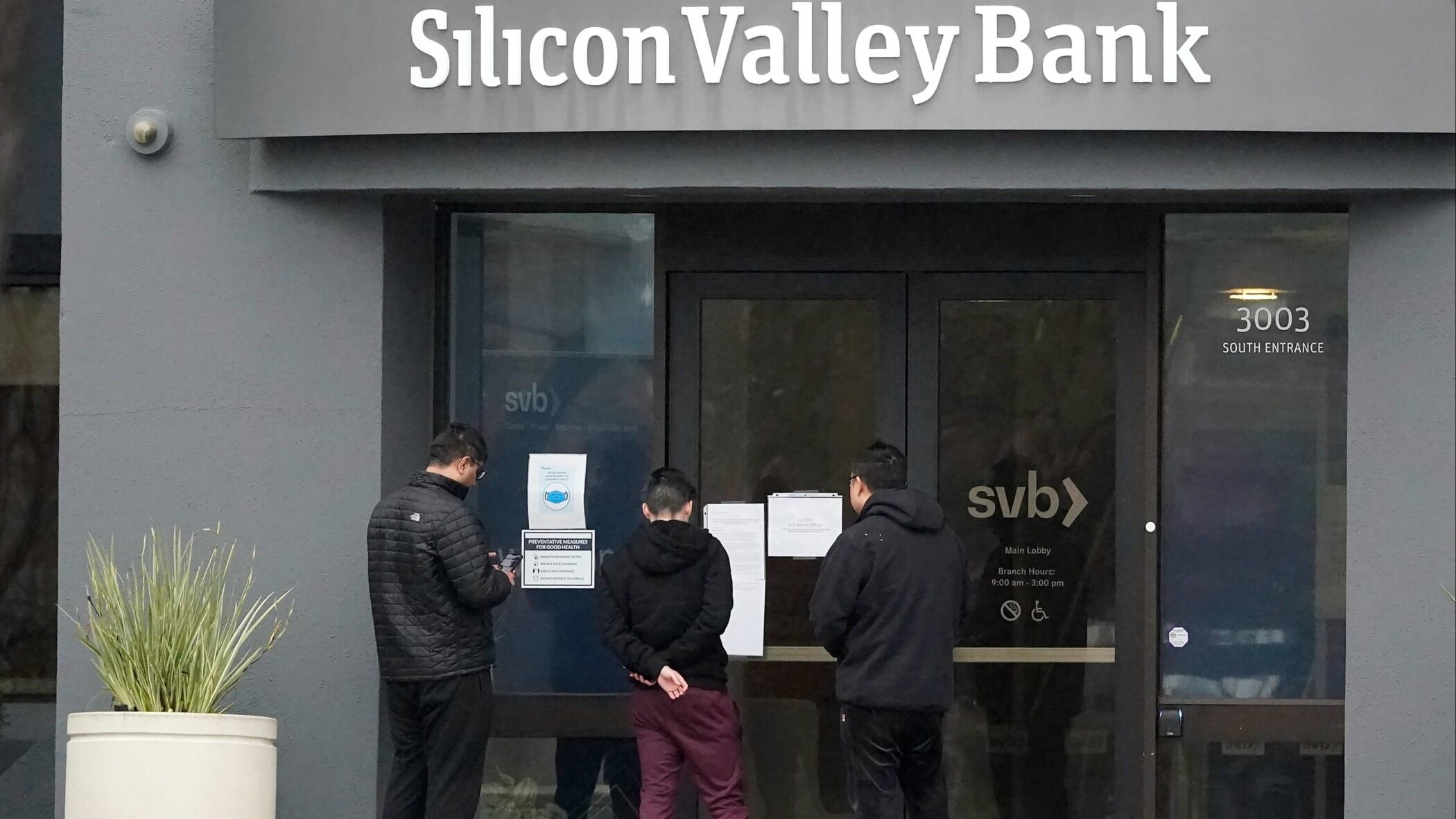
The Treasury Department, Federal Reserve, and Federal Deposit Insurance Corporation said all depositors at the failed Silicon Valley Bank could access all their money quickly, even as another major bank was shut down.
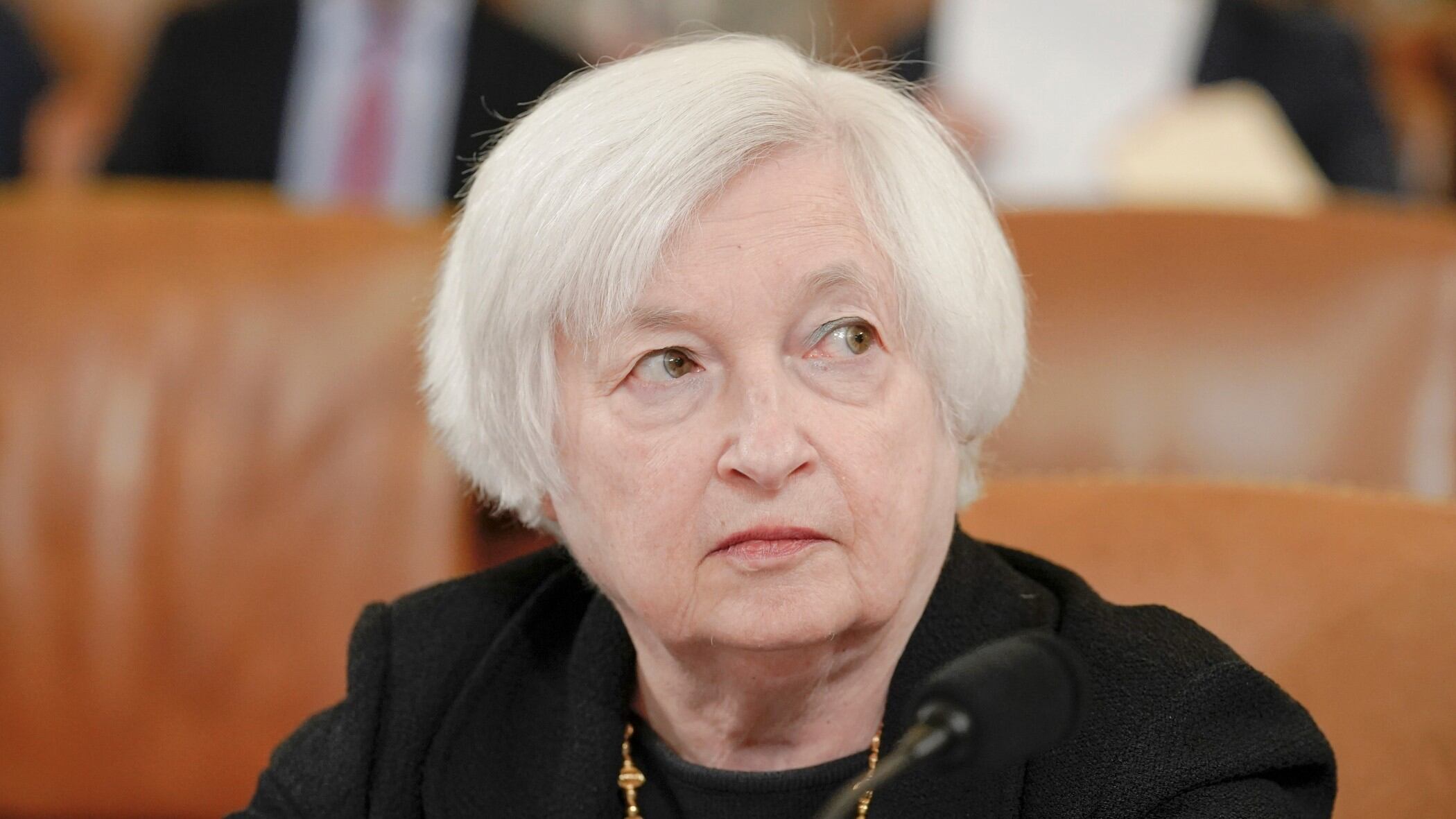
The Treasury Secretary, who emphasized that the situation was much different from the financial crisis almost 15 years ago, said the government would help depositors who are concerned about their money.