The Cannabis Company That Won't Mix Work With Pleasure
A limited supply of cannabis in the U.S. means those resources have to be divvied up carefully.
For Cronos Group, that means keeping its medical and recreational marijuana operations in completely different verticals, CEO Michael Gorenstein told Cheddar. That ensures patients’ needs are prioritized over those of recreational users.
“If you think about building a town, and you have a limited amount of building supplies, we want to make sure that we’re building a hospital before we’re building the bar,” he said.
Canada-based Cronos Group started trading on the NASDAQ on Tuesday, making it the first marijuana company to list on a major U.S. market.
“It’s a big milestone not just for us but for the entire industry,” said Gorenstein. “[It] just continues to show the acceptance that the cannabis industry is getting.”
And the industry does seem to be growing at break-neck speed. Arcview, a leading researcher of the cannabis market, stated in a [recent report](https://arcviewgroup.com/product/5th-edition/) that the industry brought in $9.7 billion in sales in 2017, and that number could grow to over $25 billion by 2021.
For the full interview, [click here](https://cheddar.com/videos/inside-the-first-cannabis-company-to-list-on-nasdaq).
The top financial concern for Americans in 2023 is inflation. Sudha Chandrasekharan, SVP, of Global E-Commerce at Auctane, joins Cheddar News to discuss how this outlook will change consumer spending habits, and why e-commerce is playing a vital role in the economy.
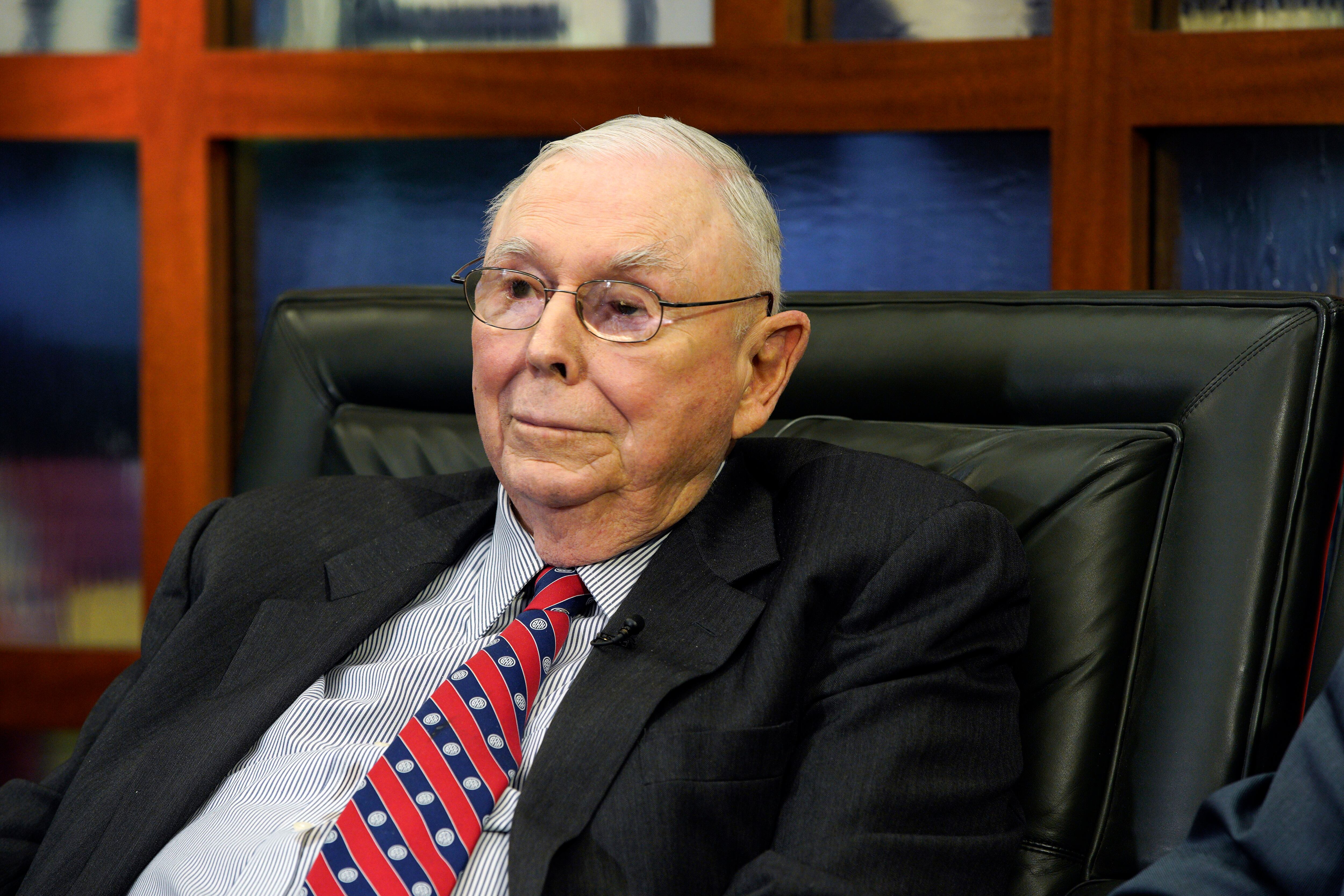
Charlie Munger, vice chairman of Berkshire Hathaway, told the Financial Times that the U.S. commercial property market is in trouble. “It’s not nearly as bad as it was in 2008,” he said. “But trouble happens to banking just like trouble happens everywhere else.”
Labor strife is coming to a head in the entertainment industry, as the Writers Guild of America (WGA) said it's prepared to strike at midnight Tuesday if it doesn't come to terms with the Alliance of Motion Picture and Television Producers (AMPTP).
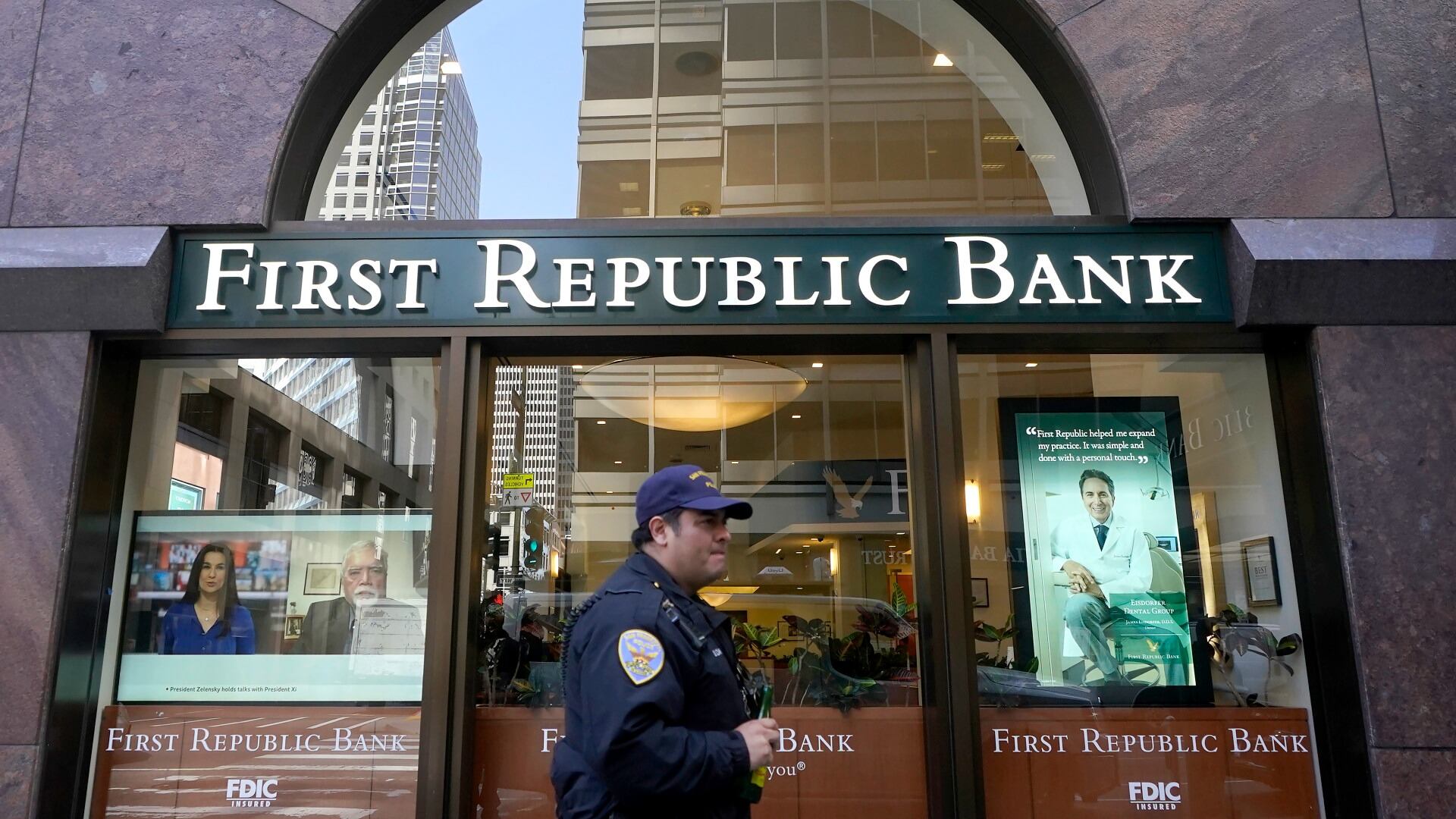
Regulators seized troubled First Republic Bank early Monday, making it the second-largest bank failure in U.S. history, and promptly sold all of its deposits and most of its assets to JPMorgan Chase.