The Cannabis Company That Won't Mix Work With Pleasure
A limited supply of cannabis in the U.S. means those resources have to be divvied up carefully.
For Cronos Group, that means keeping its medical and recreational marijuana operations in completely different verticals, CEO Michael Gorenstein told Cheddar. That ensures patients’ needs are prioritized over those of recreational users.
“If you think about building a town, and you have a limited amount of building supplies, we want to make sure that we’re building a hospital before we’re building the bar,” he said.
Canada-based Cronos Group started trading on the NASDAQ on Tuesday, making it the first marijuana company to list on a major U.S. market.
“It’s a big milestone not just for us but for the entire industry,” said Gorenstein. “[It] just continues to show the acceptance that the cannabis industry is getting.”
And the industry does seem to be growing at break-neck speed. Arcview, a leading researcher of the cannabis market, stated in a [recent report](https://arcviewgroup.com/product/5th-edition/) that the industry brought in $9.7 billion in sales in 2017, and that number could grow to over $25 billion by 2021.
For the full interview, [click here](https://cheddar.com/videos/inside-the-first-cannabis-company-to-list-on-nasdaq).
Bobbi Rebell, financial expert and author of Launching Financial Grownups: Live Your Richest Life by Helping Your (Almost) Adult Kids Become Everyday Money Smart, gives some tips on how to negotiate your bills to save serious money.
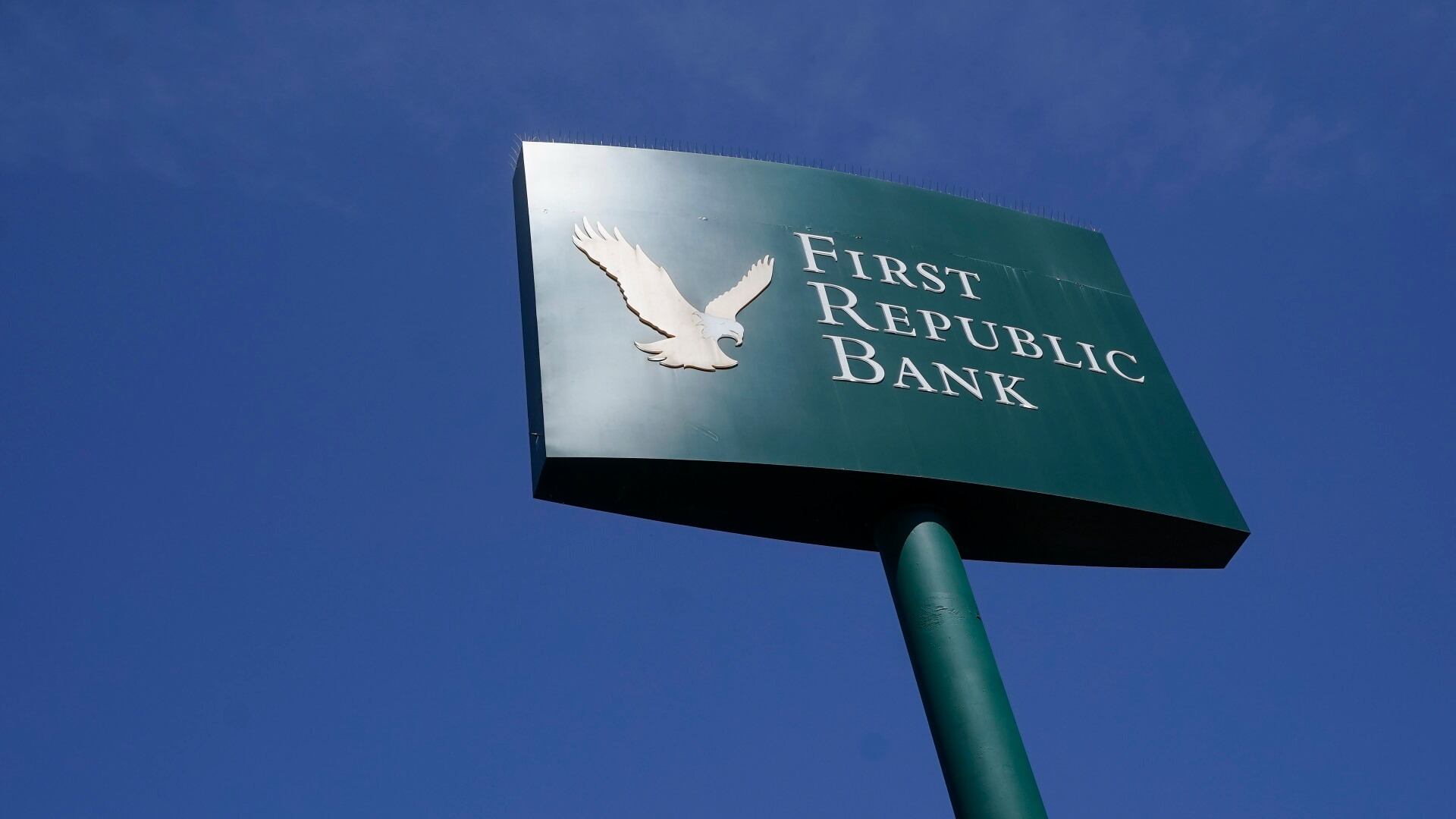
JPMorgan said it plans to close 21 around 25 percent of First Republic's branch location by the end of the year. The financial giant purchased the regional bank after it effectively collapsed amid an ongoing crisis in the banking sector.
Airbnb sued New York City on Thursday over an ordinance that the company says imposes arbitrary restrictions that would greatly reduce the local supply of short-term rentals.
Rapper, producer and entrepreneur Sean “Diddy” Combs sued Diageo Wednesday, saying the spirits company didn’t make promised investments in his vodka and tequila brands and treated them as inferior “urban” products.