The Cannabis Company That Won't Mix Work With Pleasure
A limited supply of cannabis in the U.S. means those resources have to be divvied up carefully.
For Cronos Group, that means keeping its medical and recreational marijuana operations in completely different verticals, CEO Michael Gorenstein told Cheddar. That ensures patients’ needs are prioritized over those of recreational users.
“If you think about building a town, and you have a limited amount of building supplies, we want to make sure that we’re building a hospital before we’re building the bar,” he said.
Canada-based Cronos Group started trading on the NASDAQ on Tuesday, making it the first marijuana company to list on a major U.S. market.
“It’s a big milestone not just for us but for the entire industry,” said Gorenstein. “[It] just continues to show the acceptance that the cannabis industry is getting.”
And the industry does seem to be growing at break-neck speed. Arcview, a leading researcher of the cannabis market, stated in a [recent report](https://arcviewgroup.com/product/5th-edition/) that the industry brought in $9.7 billion in sales in 2017, and that number could grow to over $25 billion by 2021.
For the full interview, [click here](https://cheddar.com/videos/inside-the-first-cannabis-company-to-list-on-nasdaq).
Nearly 30,000 people in Mississippi were dropped from the state's Medicaid program after an eligibility review that the government ended during the pandemic.
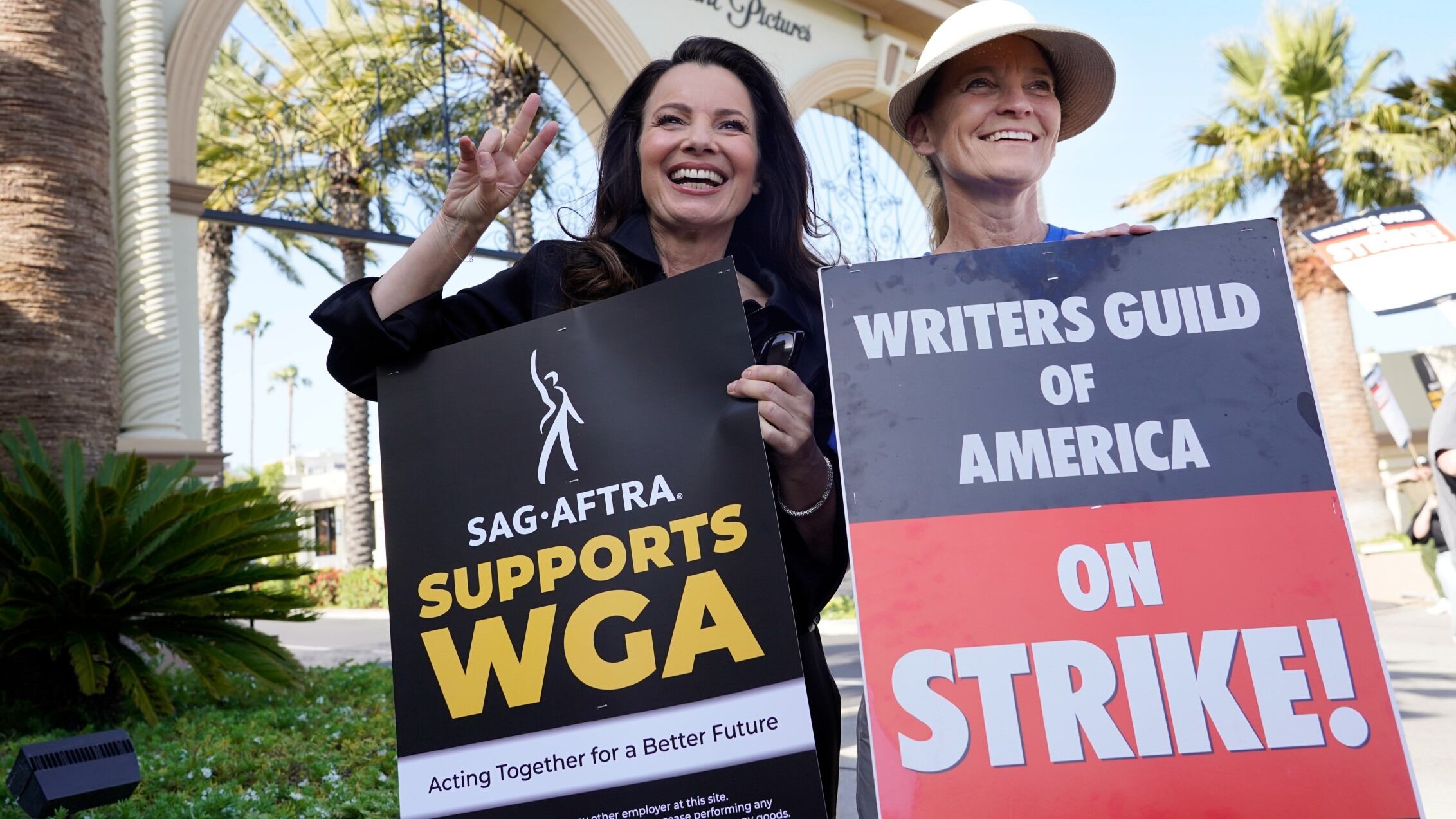
Unionized Hollywood actors on the verge of a strike have agreed to allow a last-minute intervention from federal mediators but say they doubt a deal will be reached by a negotiation deadline late Wednesday.
Squeezed by painfully high prices for two years, America’s households have gained some much-needed relief with inflation reaching its lowest point since early 2021 — 3% in June compared with a year earlier — thanks in part to easing prices for gasoline, airline fares, used cars and groceries.
A federal judge has handed Microsoft a major victory by declining to block its looming $69 billion takeover of video game company Activision Blizzard. Regulators sought to ax the deal saying it will hurt competition.
Bank of America will reimburse customers more than $100 million and pay $150 million in fines for “double-dipping” on overdraft fees, withholding reward bonuses on credit cards and opening accounts without customer consent.