The Cannabis Company That Won't Mix Work With Pleasure
A limited supply of cannabis in the U.S. means those resources have to be divvied up carefully.
For Cronos Group, that means keeping its medical and recreational marijuana operations in completely different verticals, CEO Michael Gorenstein told Cheddar. That ensures patients’ needs are prioritized over those of recreational users.
“If you think about building a town, and you have a limited amount of building supplies, we want to make sure that we’re building a hospital before we’re building the bar,” he said.
Canada-based Cronos Group started trading on the NASDAQ on Tuesday, making it the first marijuana company to list on a major U.S. market.
“It’s a big milestone not just for us but for the entire industry,” said Gorenstein. “[It] just continues to show the acceptance that the cannabis industry is getting.”
And the industry does seem to be growing at break-neck speed. Arcview, a leading researcher of the cannabis market, stated in a [recent report](https://arcviewgroup.com/product/5th-edition/) that the industry brought in $9.7 billion in sales in 2017, and that number could grow to over $25 billion by 2021.
For the full interview, [click here](https://cheddar.com/videos/inside-the-first-cannabis-company-to-list-on-nasdaq).
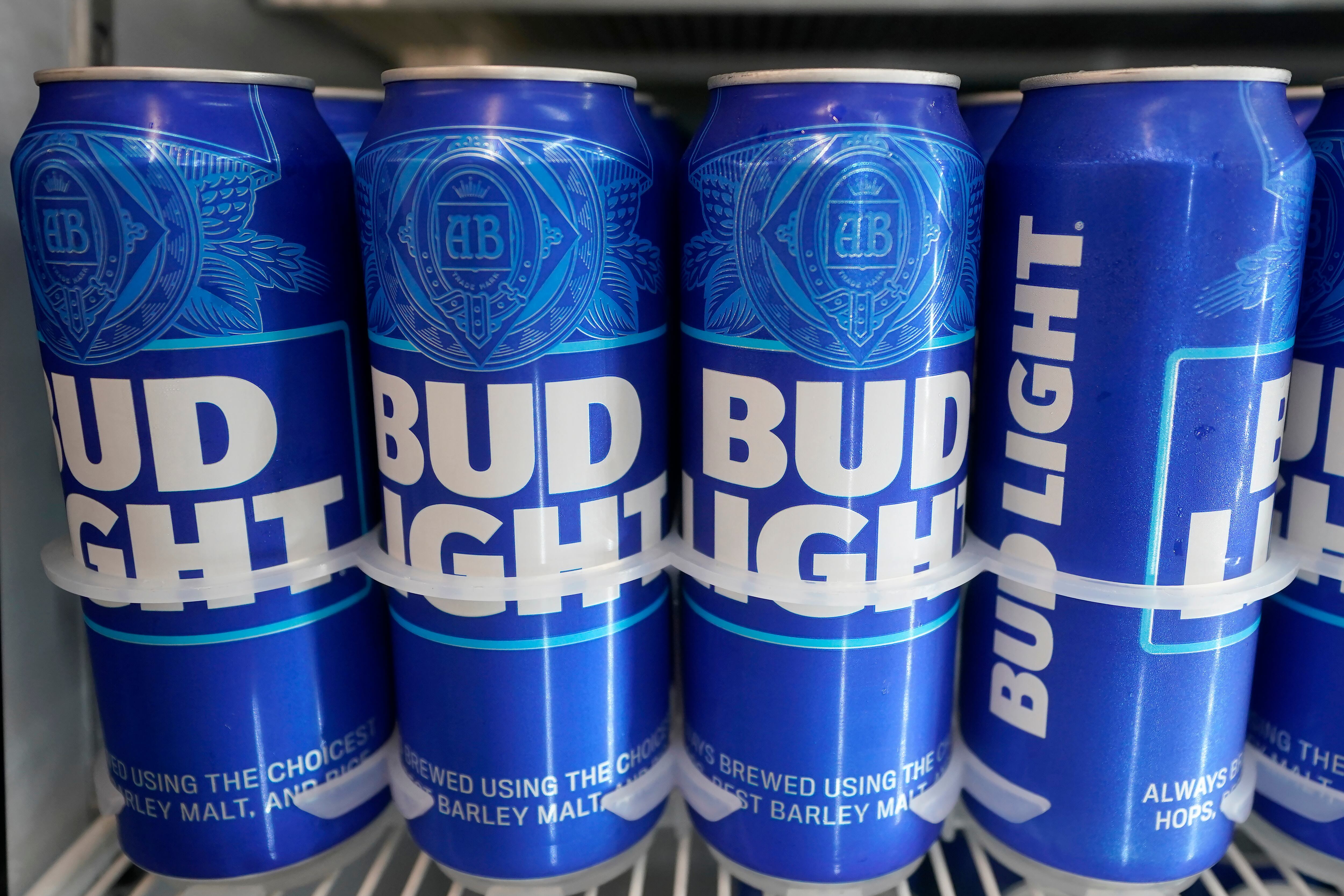
Bud Light's parent company expressed confidence Thursday that its U.S. market share has stabilized after a promotion with a transgender influencer cost it sales.
Earnings kicked off into high gear as Anheuser-Busch posted results on Thursday as Apple and Amazon are set to announce their financials later in the day.
Investors weren't jolted by the downgrade because they already know the fractured state of U.S. politics, the size of the country's public debt, and the challenges it faces to pay for Social Security, Medicare and other expenses.
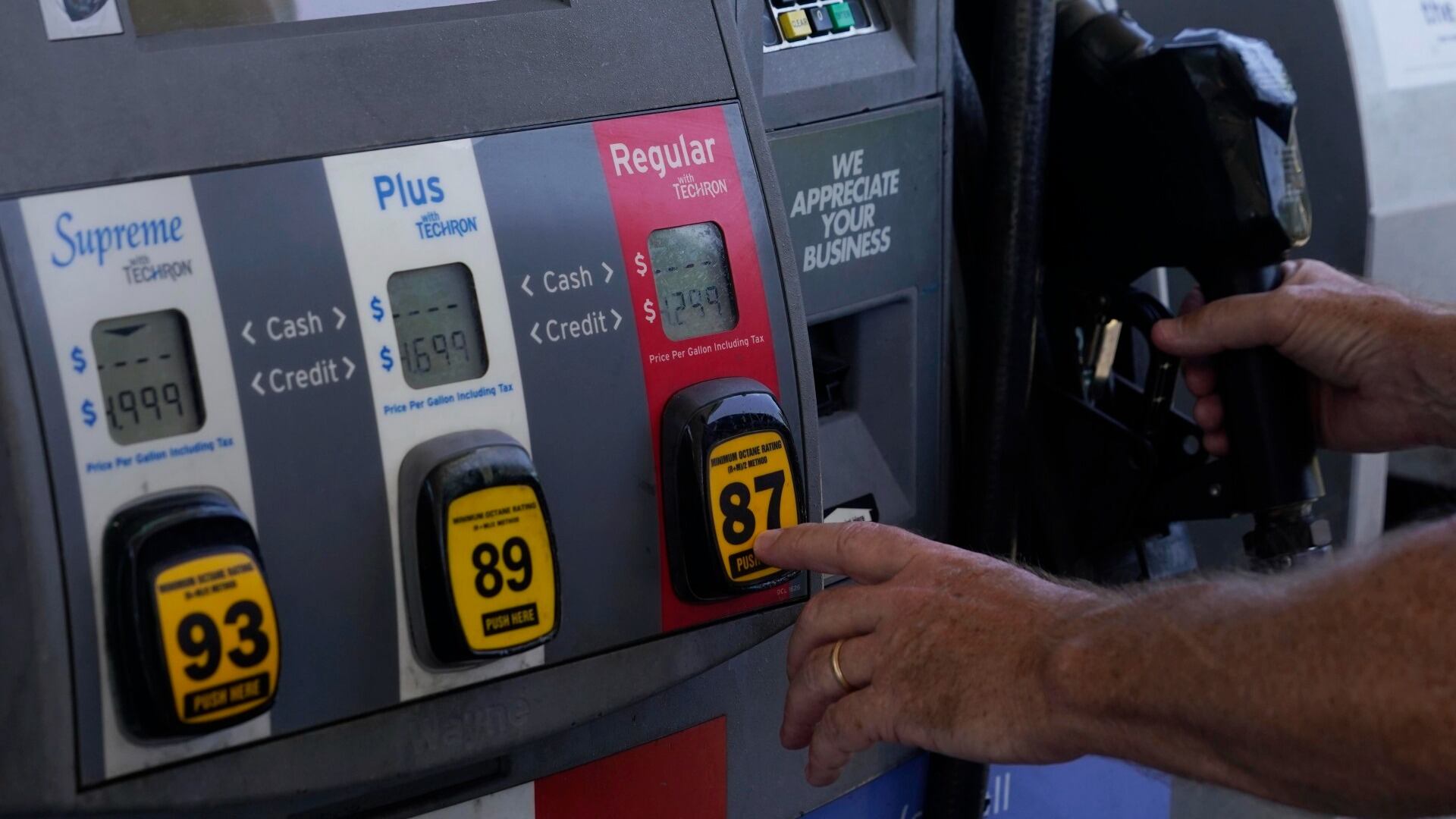
The national average for gas prices stood at about $3.78 a gallon on Tuesday — about 25 cents higher than that seen one month ago, according to motor club AAA. While today's prices at the pump remain far lower than they were last year, when energy costs soared worldwide in the months following Russia's invasion of Ukraine, experts say such a jump is unusual.