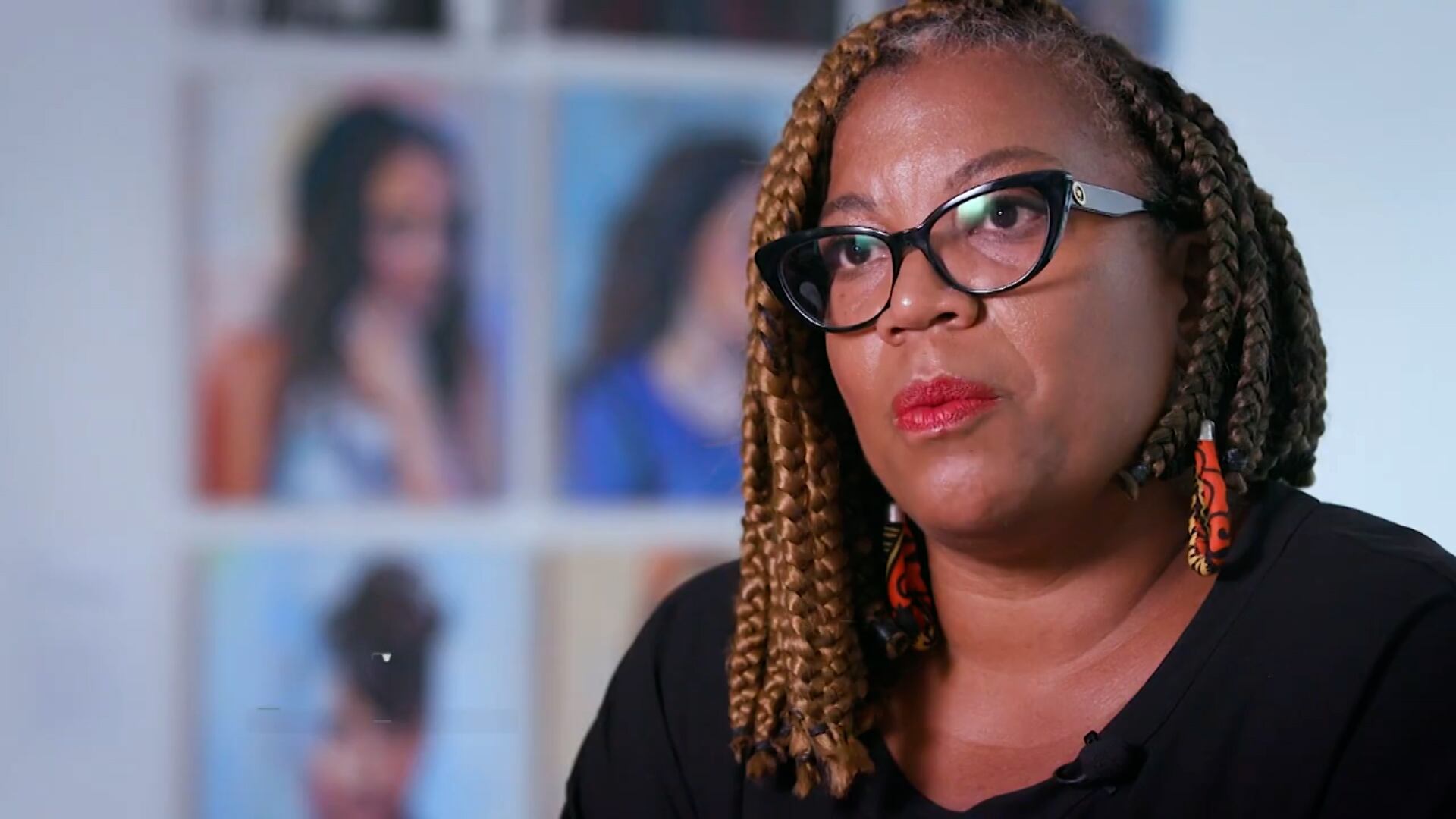
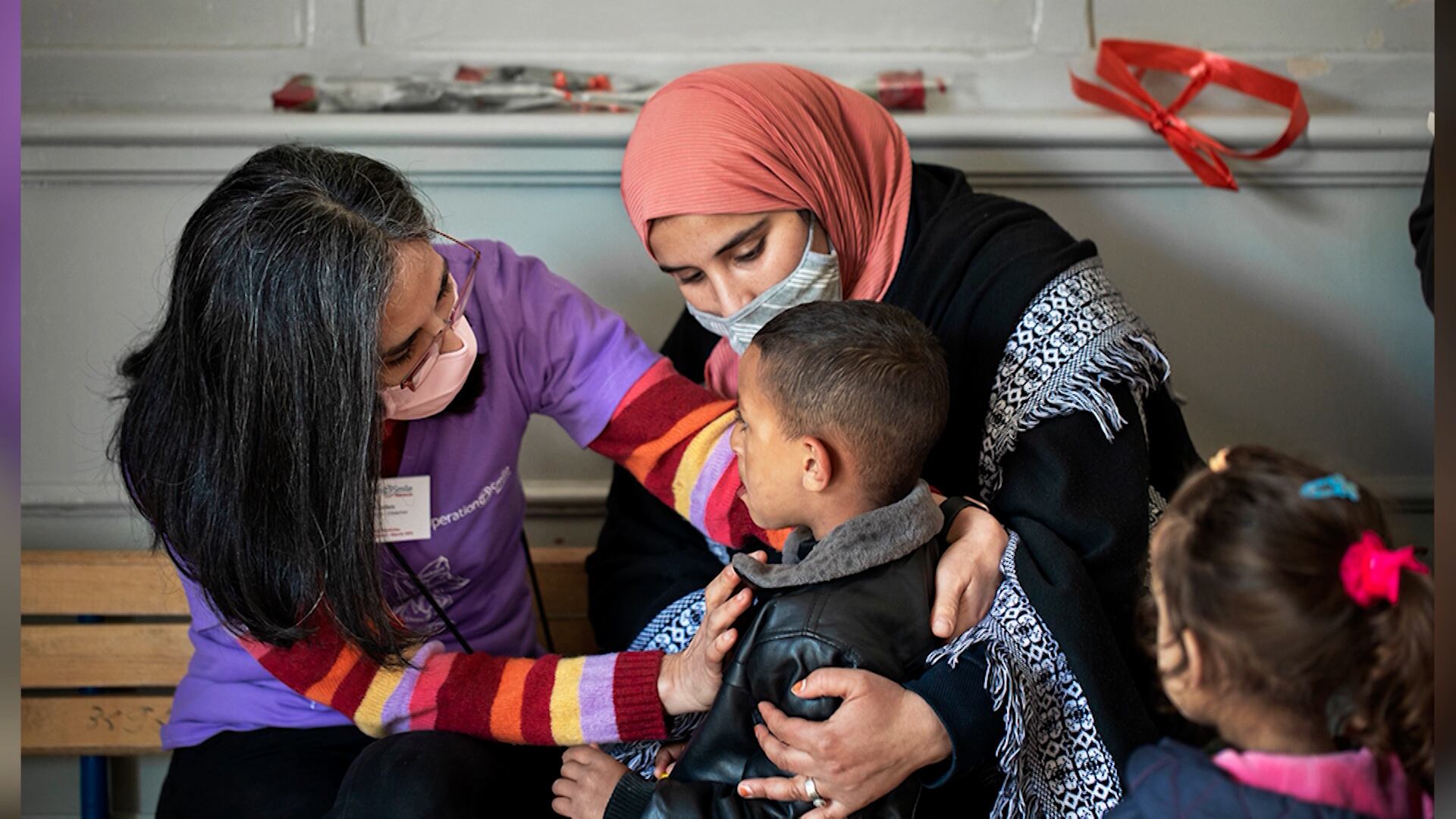
*By Jill Wagner and Jacqueline Corba* The cost of parenthood can surge long before birth, as more families rely on new and expensive fertility treatments. It's no secret that parenthood changes by generation, but as modern tech develops, so do the complications of raising children. A group of working parents and entrepreneurs joined Cheddar this week to discuss the trials and triumphs of parenthood in 2018. "Millennial parents are different," The Bump's deputy editor Lauren Kay told Cheddar. "We are seeing that they've grown up with technology, so the way they are using technology to both get pregnant and introduce a baby into the family is totally different than ever before," she added. The average cost of IVF per cycle is $12,000 for those without insurance, and few companies offer coverage. "The costs are completely crazy," said Stephanie Cartin, a co-founder of Socialfly who is undergoing IVF treatment. "I'm still midway through the process, and it has just been really a struggle," Cartin said. "My motivation was really to share my story to help others, so they don't feel alone going through this journey and experience." For new moms, going back to work also presents a serious cost, albeit emotional and financial. No law in the U.S. guarantees paid maternity leave. For most Americans, federal law stipulates that jobs will be secure for 12 weeks, but companies aren't required to pay new moms during that time. Lauren Brody, author of the "The Fifth Trimester: The Working Mom's Guide to Style, Sanity, and Big Success After Baby," said on Cheddar that according to her research, 76 percent of women feel they returned to work prematurely. She said that most research indicates six months of paid leave is best for both mom and baby. "If you can get moms to six months, it protects the baby's physical health, the mom's physical health, you're more likely to get your baby vaccinated on time. The science is so convincing, yet we're not there yet," Brody said. But women are finding networks of support ー and earning paychecks ー on social media and many look to celebrities for inspiration. "There are lots and lots of different ways to be a mother and share a point of view," said Well Rounded's chief content officer Jessica Pallay. "Some of the biggest mom-fluencers make their living this way and make a really good living doing so." Celebrities and athletes ranging from Serena Williams, Chrissy Teigen, and Kim Kardashian have all been open about their experiences as new moms on social media. This month, Williams posted on her [Instagram account](https://www.instagram.com/p/BmJ3KMzFRZw/?taken-by=serenawilliams): "It's totally normal to feel like I'm not doing enough for my baby." At JPMorgan Chase's Family Night Tuesday, Williams [discussed the support](https://www.chase.com/news/082118-serena-on-motherhood-and-the-episodic-career) from fans and well-wishers. "I felt like, wow, okay, so this happens more than what people talk about," she said. "I feel like sometimes when I do share, everyone out there helps me out by giving me really cool advice." But posting on social media doesn't always yield positive results. "It's a double-edged sword. It can lift a woman up when she's feeling lonely at 3 a.m. but it can also make her feel insecure. So I always tell moms if it doesn't make you feel good, stop following," Pallay said. And it's not just motherhood that's changed. Dads are getting a lot more involved in parenthood: in 2016, fathers reported spending an average of eight hours a week on childcare, about triple the time spent back in 1965, according to the Pew Research Center. Evan Kaufman, who produces Fatherly's video series "Dude to Dad", told Cheddar that more companies are changing their marketing strategies to attract fathers. In a baby's first year alone, parents spend an average of $12,000 on their child, and the baby industry is worth an estimated $60 billion, according to The Bump. For full interview [click here] (https://cms.cheddar.com/videos/VmlkZW8tMjI0OTQ=).