Facebook shares plummeted after the Cambridge Analytica scandal came to light, but the recent pullback has created a buying opportunity, said Mark Mahaney, Managing Director at RBC Capital. The internet analyst said this could be the stock's “most attractive price point” in years.
Investors have been concerned the backlash over the incident, which Facebook says may have impacted as many as 87 million users, could lead to government regulation and advertisers leaving the platform. While the company could see a decline in daily active users, Mahaney said any losses would be modest.
The company has a “PR issue, not a fundamental issue,” Mahaney told Cheddar Wednesday. That’s why the social media giant is his top pick in the internet space.
Facebook could get back on Wall Street's good side when it reports earnings next Wednesday, April 25th. If Facebook can demonstrate that it escaped the Cambridge Analytica scandal without a significant drop in user engagement, advertisers might decide to keep pumping money into the platform.
Mahaney said the #DeleteFacebook campaign was an interesting movement, but added that he thinks it will be extremely short-lived.
For full interview, [click here](https://cheddar.com/videos/top-facebook-analyst-bullish-ahead-of-q1-earnings).
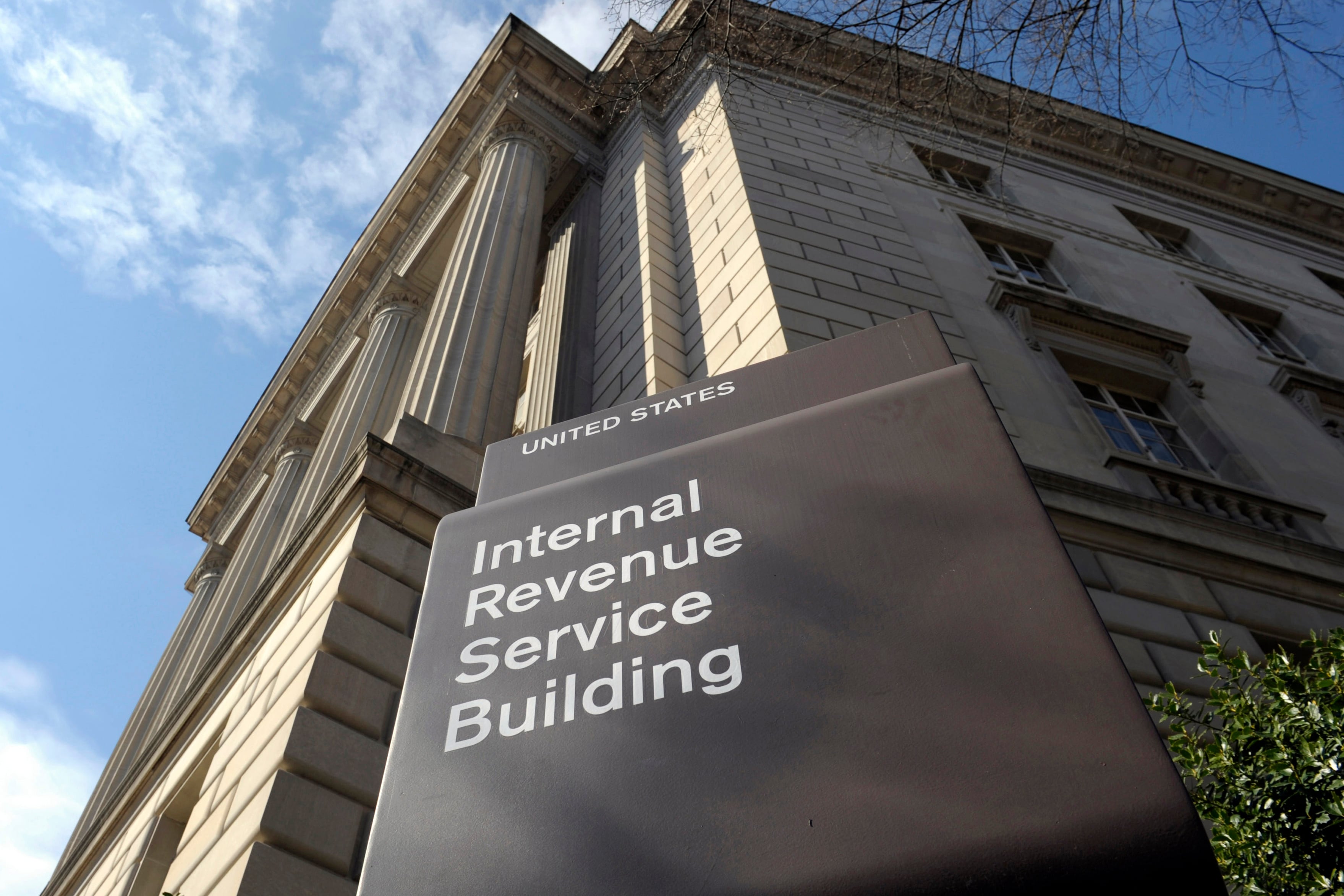
An independent watchdog within the IRS reports that while taxpayer services have vastly improved, the agency is still too slow to resolve identity theft cases. And National Taxpayer Advocate Erin Collins says those delays are “unconscionable.” Erin M. Collins said in the report released Wednesday that overall the 2024 filing season went smoothly, though IRS delays in resolving identity theft victim assistance cases are worsening. It took nearly 19 months to resolve self-reported identity theft cases as of January, and Wednesday's report states that now it takes 22 months to resolve these cases.
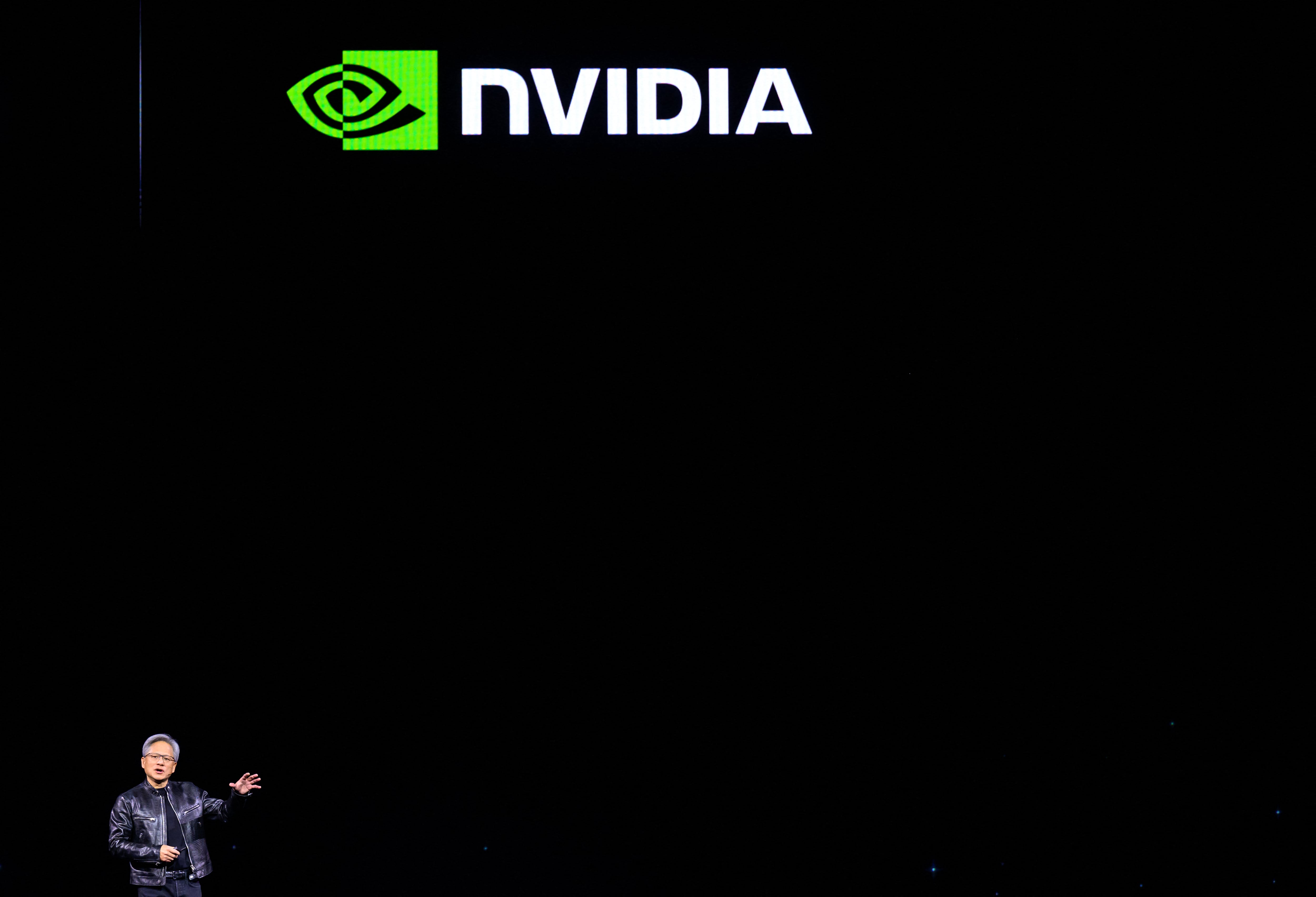
Amazon.com Inc. surpassed $2 trillion in market value for the first time in afternoon trading on Wednesday. The push higher for Amazon’s stock market valuation comes a little more than a week after Nvidia hit $3 trillion and briefly became the most valuable company on Wall Street. Nvidia’s chips are used to power many AI application and its valuation has soared as a result. Amazon has also been making big investments in AI as global interest has grown in the technology. Most of the company’s focus has been on business-focused products.
Climate change doesn’t just mean more extreme weather – it also leads to billions of dollars in lost productivity, tourism, and stresses infrastructure.