Senators will get four hours of debate Friday before voting on whether to call witnesses and introduce documents — a vote that is expected to fail after Senator Lamar Alexander (R-Tenn.), announced late last night.
Alexander said that though the House Managers indeed proved the president used Ukraine aid to force an investigation into former Vice President Joe Biden and his son, he does not believe the conduct rises to the level of an impeachable offense.
Without Alexander's vote, the push for witnesses all but assuredly ended as Senator Lisa Murkowski (R-Alaska) joined him Friday in rejecting the call. Even if Senators Susan Collins (R-Maine) and Mitt Romney (R-Utah) were to vote yes, the motion will fail unless Chief Justice John Roberts makes a ruling that would set the vote aside, a ruling he is not expected to make.
Once the Senate votes on the witness issue, it's not clear what happens next. Senator Mike Braun (R-Ind.) told Cheddar that after the initial vote "it's not necessarily quick. There's a lot of parliamentary wrestling that goes on to bring it to the ultimate vote, which is the verdict.
"Even in Senator Alexander's statement, though he came to the wrong conclusion, he's said it was proven the president did what he was accused of," Senator Minority Leader Chuck Schumer (D-N.Y.) told reporters before the start of what may be the last day of the president's impeachment trial.
Republicans have made a few key arguments against witnesses, primarily that the House should have pushed harder to call witnesses, a court fight over testimony could prolong the trial for months, and that if the House says its case is clear it shouldn't need more evidence.
Democrats have argued Senate Republicans could keep the trial short by having Chief Justice John Roberts sign off on subpoenas because that would likely limit court reviews from lower courts. If Republicans do not vote for witnesses, Schumer says they are aiding the president in "the greatest cover-up since Watergate."
"The truth will eventually come out," Schumer said.
"Despite all the arguments back and forth, the bottom, bottom thing, is: I don't know how you can not want to hear from Bolton … One of the senators called it circumstantial evidence, so why wouldn't you want to hear from the man who was in the room where it happens," Senator Amy Klobuchar (D-Minn.) told reporters after the conclusion of yesterday's question and answer session at almost 11 pm ET.
She said she has always seen this as "an economic check, but also a decency check, a patriotism check on this president" and called today "game day."
Today's vote on allowing witnesses will ultimately set a precedent for impeachment trials moving forward, but also for questions about executive privilege and congressional oversight, as both House Managers and defense lawyers have repeatedly warned senators.
"You cannot have a true acquittal if you've not had a fair trial," Senator Kamala Harris (D-Calif.) said at a press conference on Friday morning.
"Let fairness ring … Americans know Democrats are for a fair trial and witnesses and documents are needed," Minority Leader Schumer said.
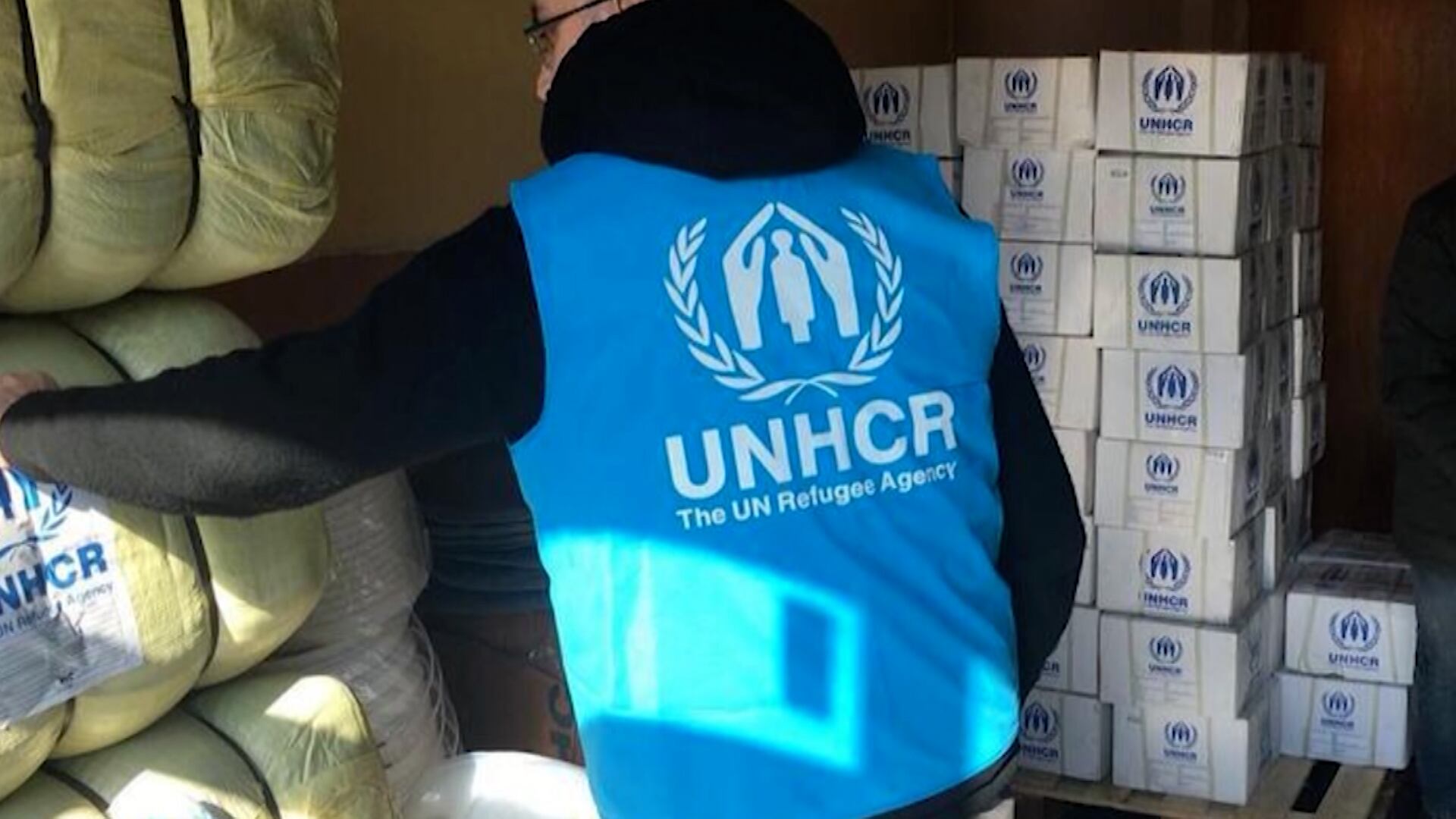
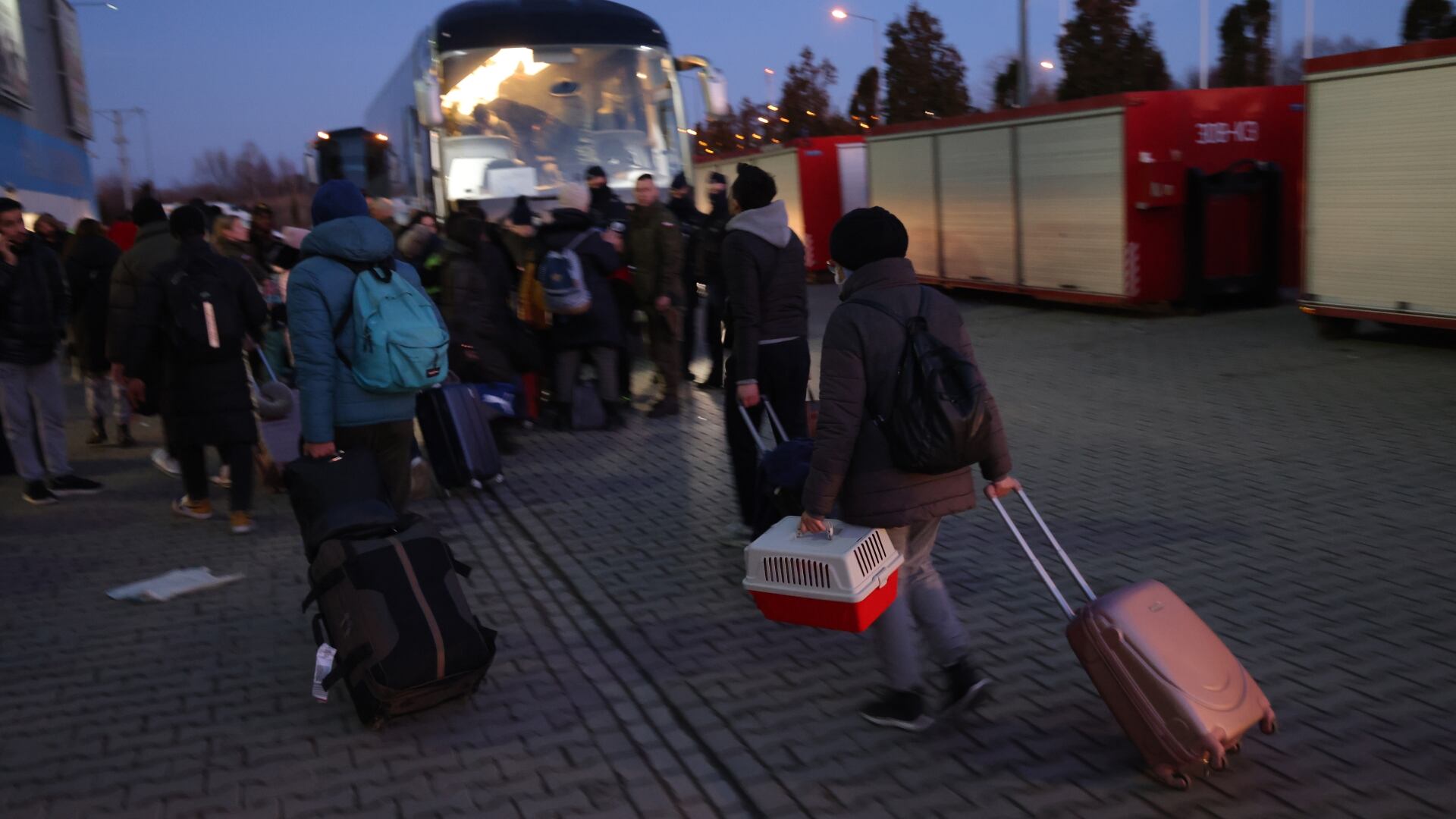
The United Nations High Commissioner for Refugees (UNHCR) has reported that an estimated one million people have fled from Ukraine since Russia invaded. Christopher Boian, senior communications officer at UNHCR, joined Cheddar News to report on the current refugee crisis and what the world might expect if conditions continue to worsen. "We have planning figures that forecast as many as four million people could be forced to flee Ukraine," he said. "But that very much depends on how the conflict underway in that country at the moment unfolds in the days and possibly weeks ahead."
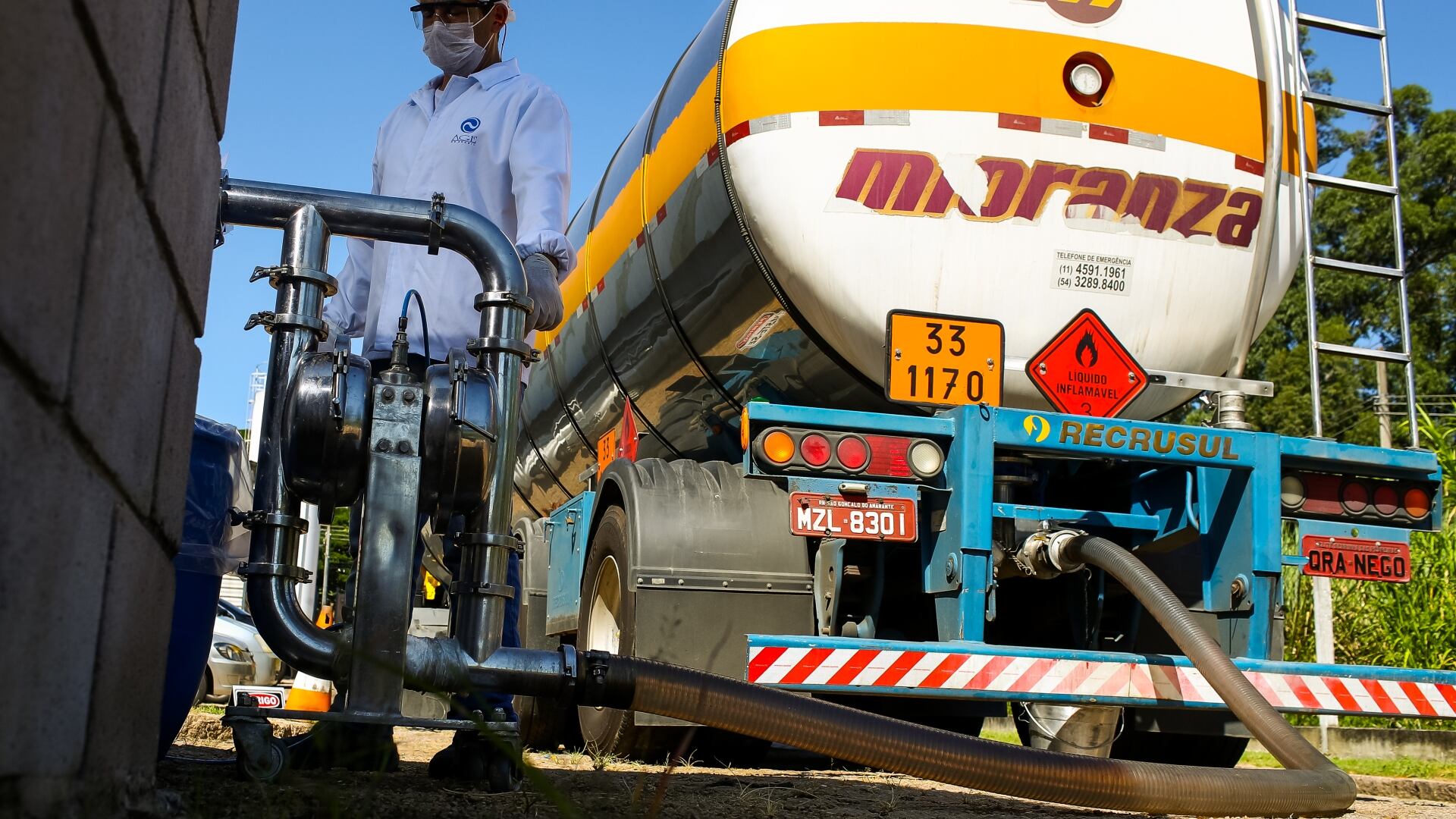
Under the U.S. Renewable Fuel Standard (RFS), corn-based ethanol has been mixed into gasoline sold at pumps in the U.S. since 2005, when a policy was enacted aimed at reducing emissions. Corn-based ethanol had been thought to be a relatively greener energy source compared to other biofuels, but now, a new study published in the Proceedings of the National Academy of Sciences reports it may be actually worse for the climate than straight gasoline. Tyler Lark, an assistant scientist at the University of Wisconsin-Madison's Center for Sustainability, joined Cheddar News' Closing Bell and discussed the pushback against the study. "Essentially when you need to produce more corn to meet the demand for use as ethanol as fuel, farmers respond and they switch more crops like soybeans and wheat into corn," Lark said. "They also bring more land into production, so things that used to be pasture grassland, and both those activities are associated with increased greenhouse gas emissions."
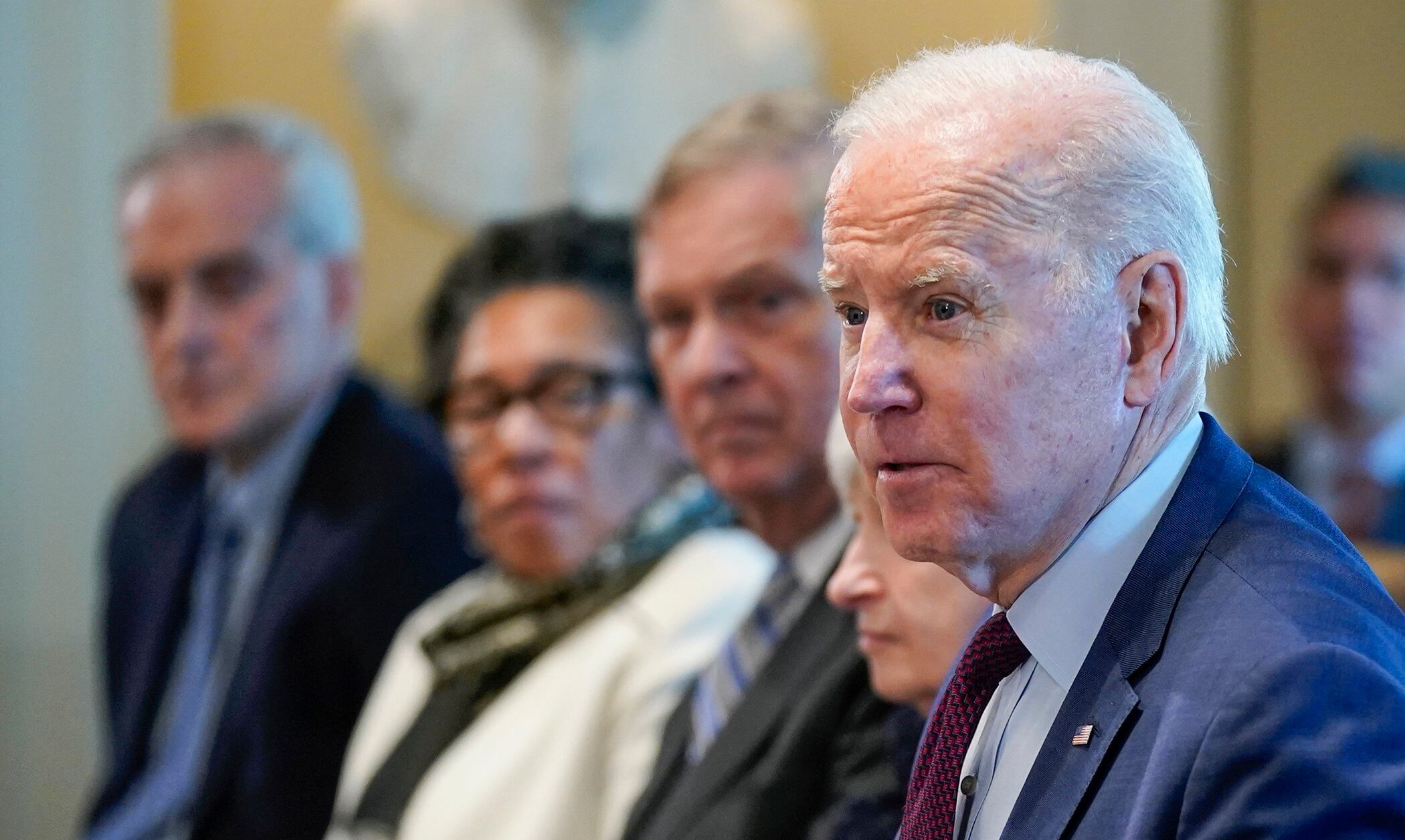
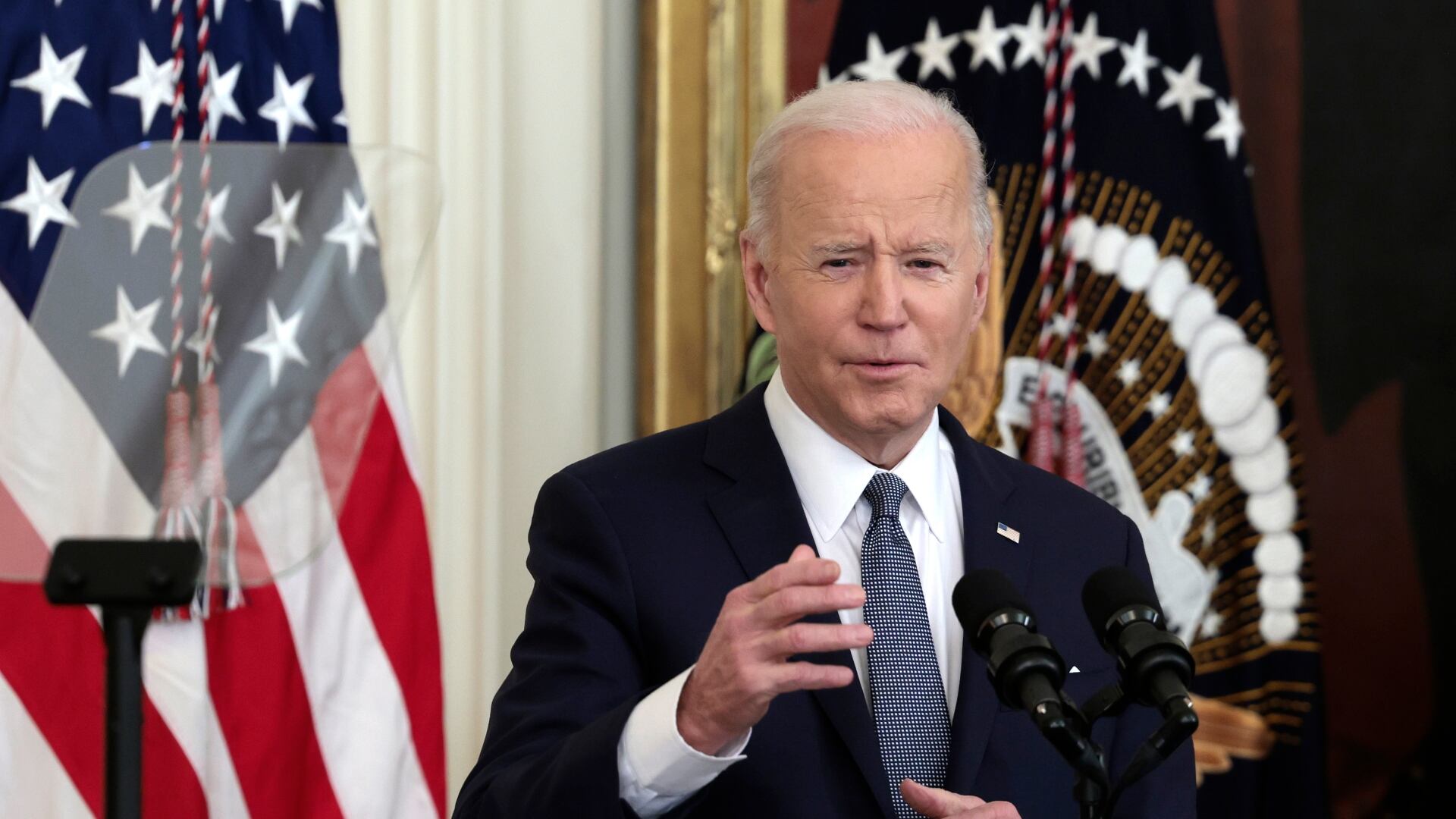
U.S. President Joe Biden’s administration on Thursday announced new sanctions against Russian oligarchs and others in President Vladimir Putin’s inner circle.
Christian Blauvelt, executive managing editor at IndieWire, joins Cheddar News to discuss the growing number of studios pulling content from Russia over Ukraine invasion.
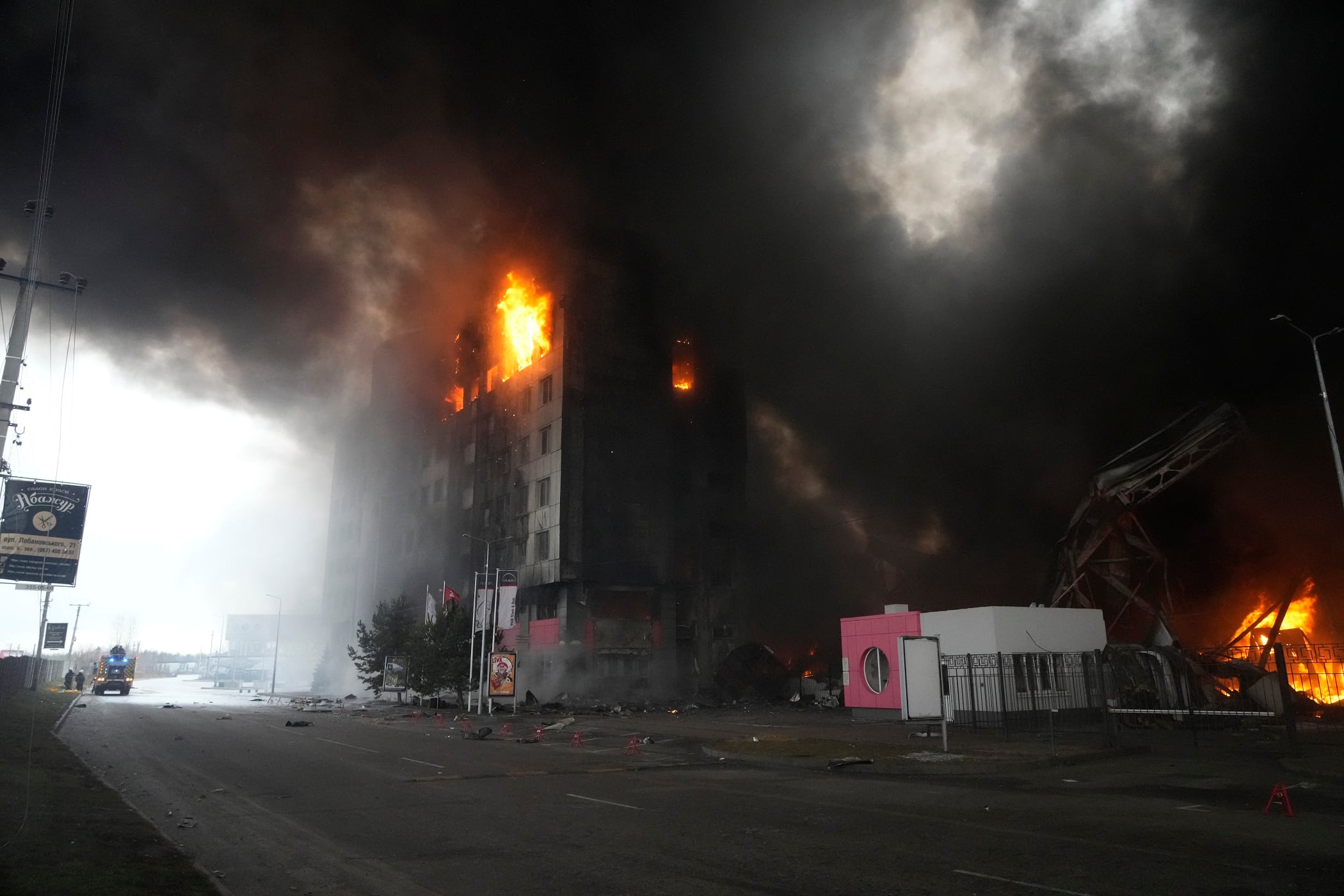
Russian forces are battling for control of a crucial energy-producing city in Ukraine’s south and gaining ground in their bid to cut off the country from the sea.
In the past few years, Betthany Frankel has made a major name for herself as a philanthropist after founding the
BStrong initiative, which has provided relief to people impacted by natural disasters as well as the COVID-19 pandemic. Now, BStrong is shifting its focus to Ukraine, raising millions of dollars in donations for those impacted by Russia's invasion. Bethenny Frankel, the founder of BStrong, joins Cheddar News' Closing Bell to discuss.
Bryan Lee, Chief Investment Officer at Blue Zone Wealth Advisors, joins Cheddar News' Closing Bell, where he elaborates on the volatility we've seen in the markets this week fueled by rising oil prices and the ongoing Russian invasion of Ukraine.
Francesca Chambers, White House correspondent for McClatchy, joins Cheddar News to discuss all the topics President Biden has to juggle in his State of the Union address.