The Blockchain Breakdown & Ripple's CEO on The Future of Crypto
Crypto Craze hosts Brad Smith and Tim Steno dive into the biggest trends in cryptocurrency this week. Cheddar Producer Eitan Levine explains the technology behind blockchain and Bitcoin. We speak with the CEO of the latest player in the cryptocurrency space "Ripple XRP." Plus, SoFi Vice President John Foley offers his advice for investors.
Ripple XRP is now up more than 90 percent over the past couple days. The excitement around cryptocurrency is separating the signal from the noise says Garlinghouse. He says its important to recognize the reality in solving a real problem with real customers. Ripple is using blockchain technology to solve a cross-border payments problem says Garlinghouse.
Foley advises clients to not invest more money in cryptocurrency than they can afford to lose. "Fear of missing out should be fighting with a fear of losing money," says Foley. Foley also recommends to diversity investments with several types of cryptocurrency.
Stellantis is telling owners of nearly 220,000 Jeep Cherokee SUVs worldwide to park them outdoors and away from other vehicles because the power liftgates can catch fire even when the engines are off.
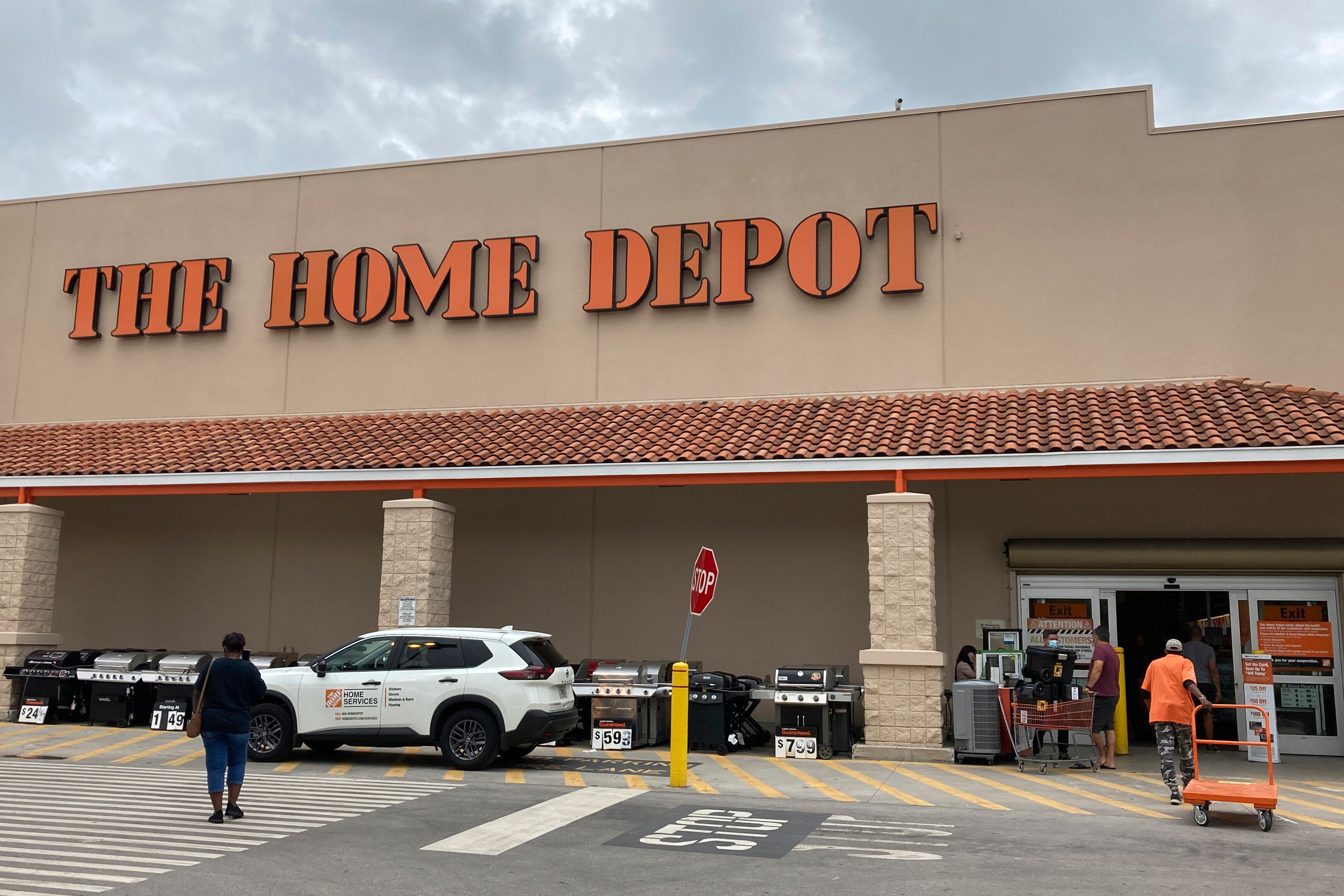
After years of explosive growth during the pandemic, Home Depot’s revenue during the first quarter fell short of expectations and the company cut its profit and sales outlook for the year
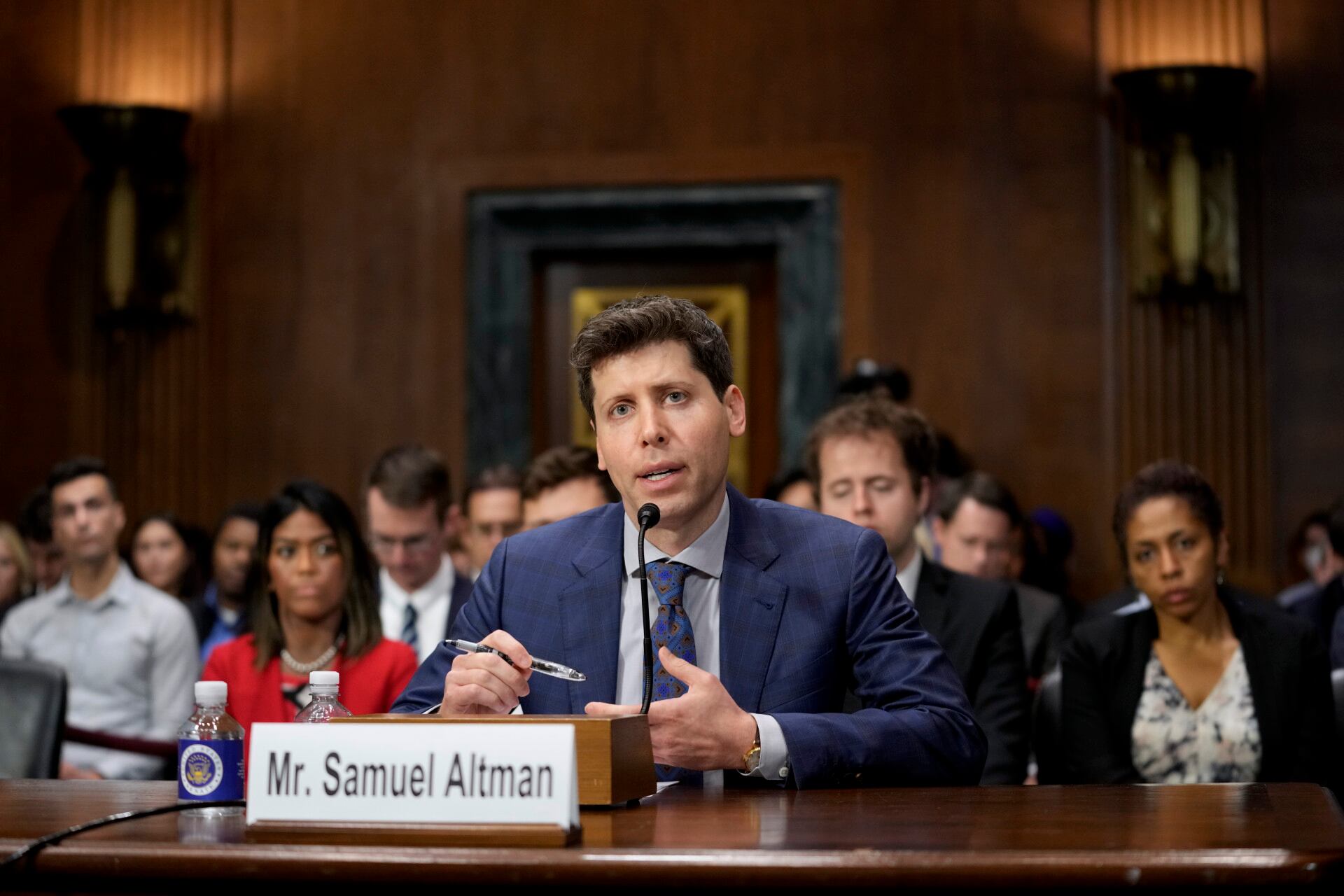
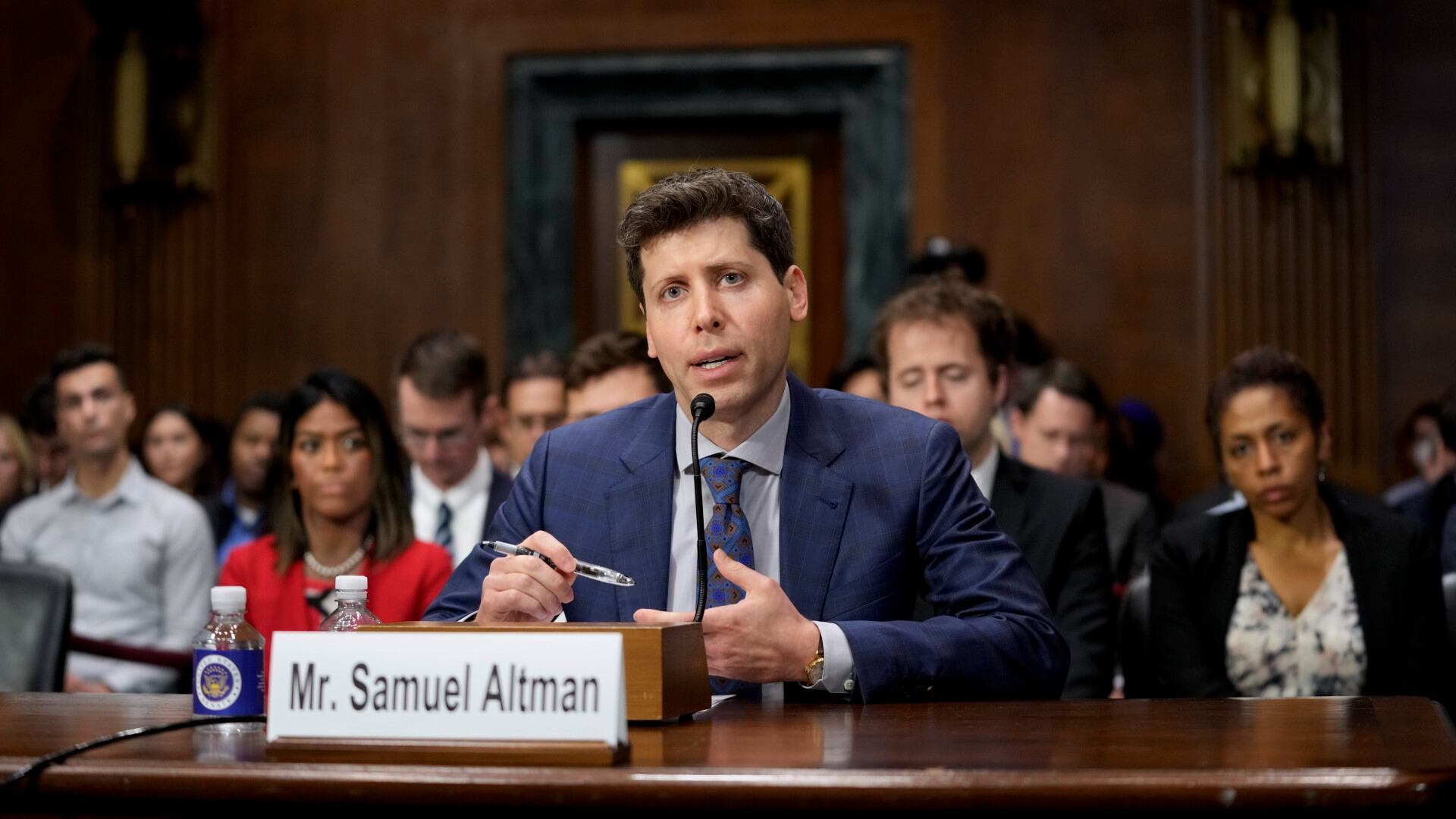
The head of the artificial intelligence company that makes ChatGPT told Congress on Tuesday that government intervention "will be critical to mitigate the risks of increasingly powerful” AI systems.
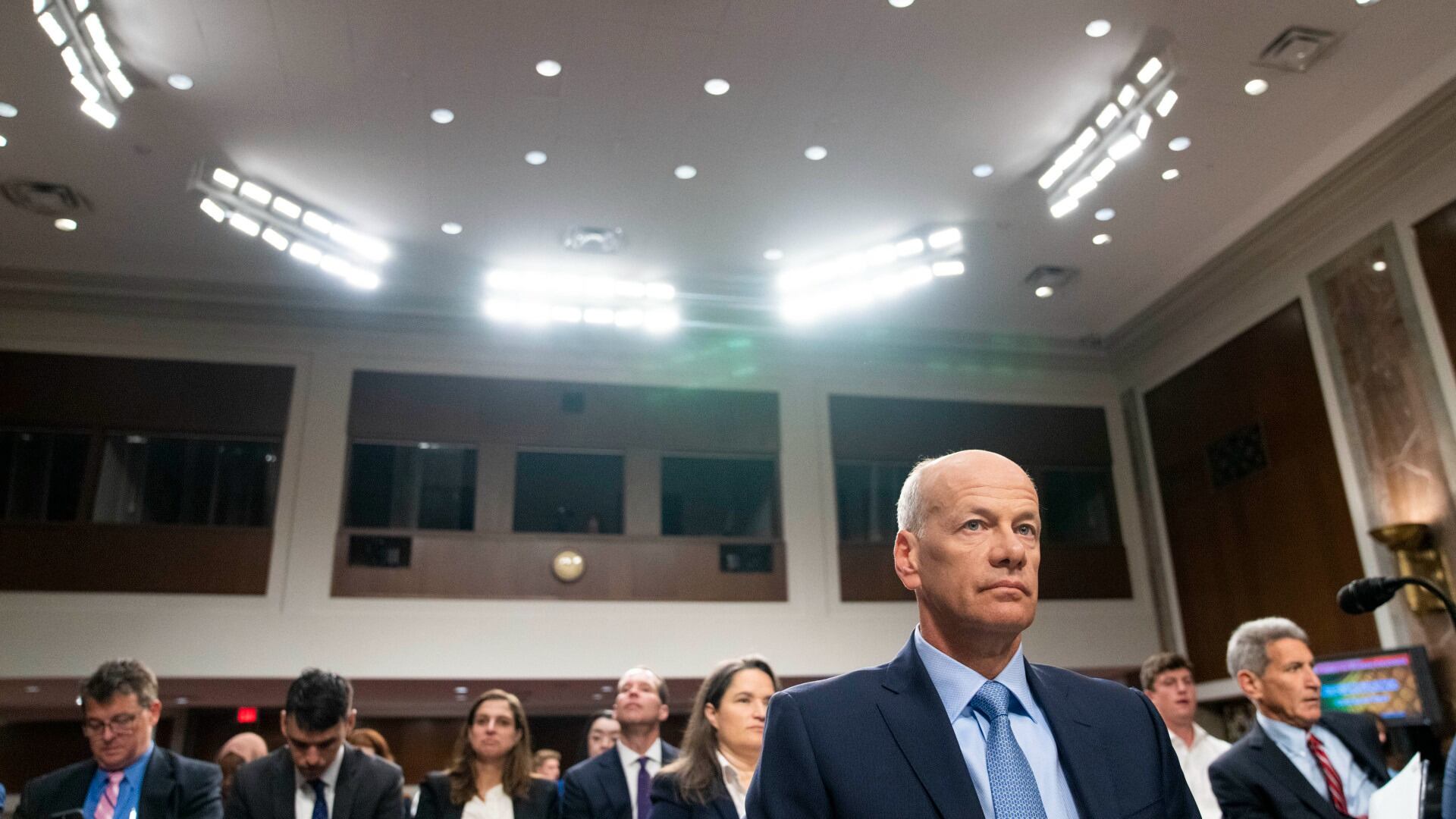
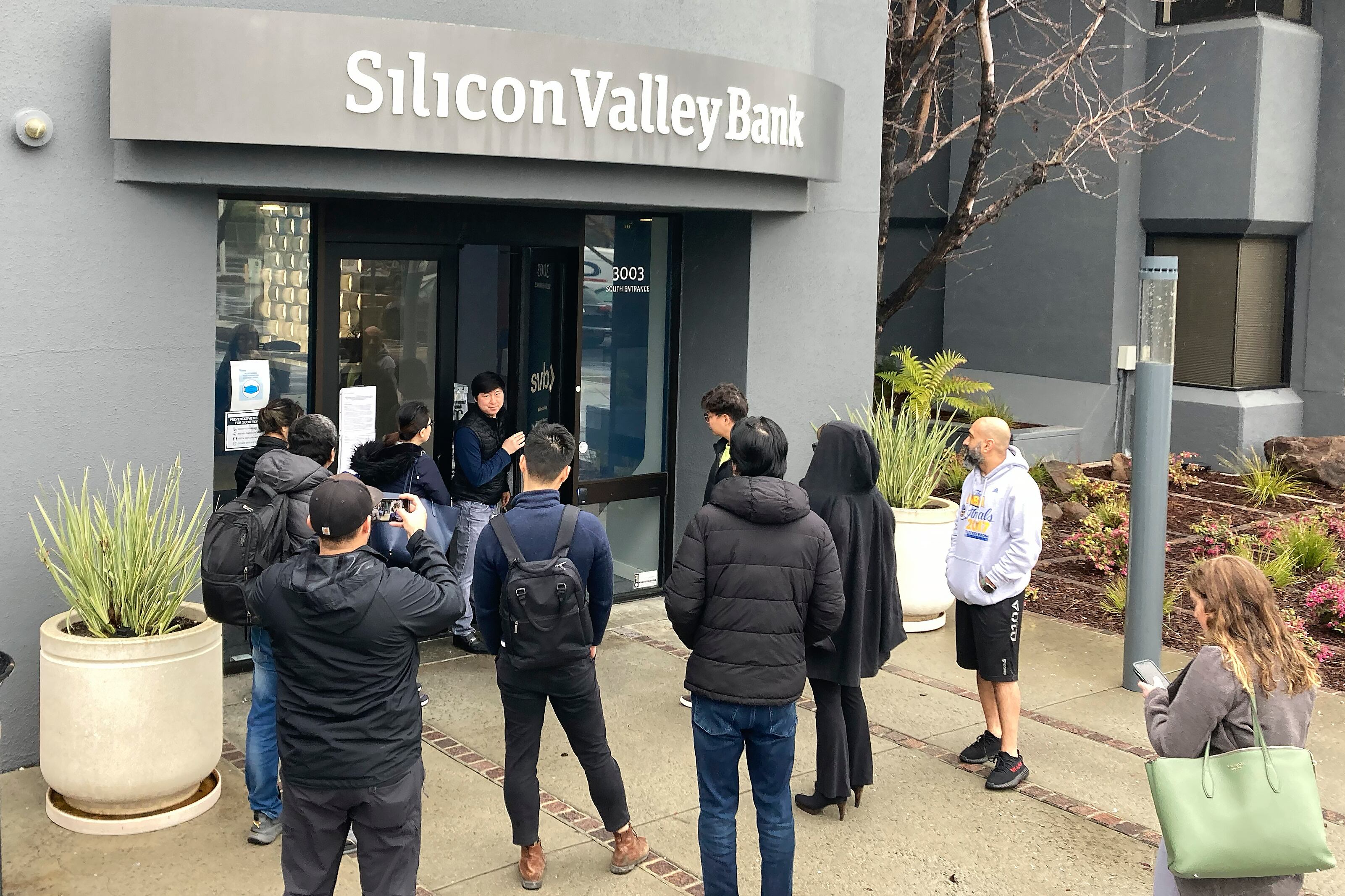
Top executives at Silicon Valley Bank and Signature Bank largely avoided taking responsibility for their banks’ dramatic failures at a Senate hearing Tuesday.
The head of the artificial intelligence company that makes ChatGPT will testify before Congress as lawmakers call for new rules to guide the rapid development of AI technology.
The recent failures of a trio of midsize banks has once again raised questions about whether senior executives in the U.S. are being rewarded more for short-term gains — like rising stock prices — than for ensuring their companies' long-term health.