All the tech products we use are going to get “thinner and lighter,” Toshiba Americas President Mark Simons told Cheddar.
In tandem with that, Simons predicts that the “convertible [will] really take over and possibly even outpace the traditional clamshell product.” He says we’ll also see major shifts in the tech we wear.
All those trends will “really start to change our work life.”
Toshiba was once a prominent market leader. But in recent years, the Japanese electronics conglomerate has been losing a lot of ground to competition.
Amid problems with its U.S. nuclear business, the company had to sell off its flagship chipmaking arm. It’s also shifted away from making consumer electronics, focusing on enterprise products instead.
Simons told Cheddar that Toshiba will soon announce products that will “empower those workers who haven’t had technology in the past,” though he didn’t give away any further details on those plans.
For the full interview, [click here](https://cheddar.com/videos/toshiba-shifts-focus).
Wendy's announced they are testing out fluctuating prices throughout the day for certain products based on demand. Who will groan the most: lunch-breakers, dinner drivers or late-night goblins?
Shubha Dasgupta, CEO of Pineapple Financial, discusses incorporating artificial intelligence with its newly announced ‘Maui’ tool, plus plans for expansion.
Chair of Penn Engineering’s Department of Computer and Information Science Zachary Ives shares how the department is building its artificial intelligence degree program.
Frances Stacy, Optimal Capital Director of Strategy, breaks down why the latest data indicates the economy may be struggling more than expected, plus some sectors she’s watching.
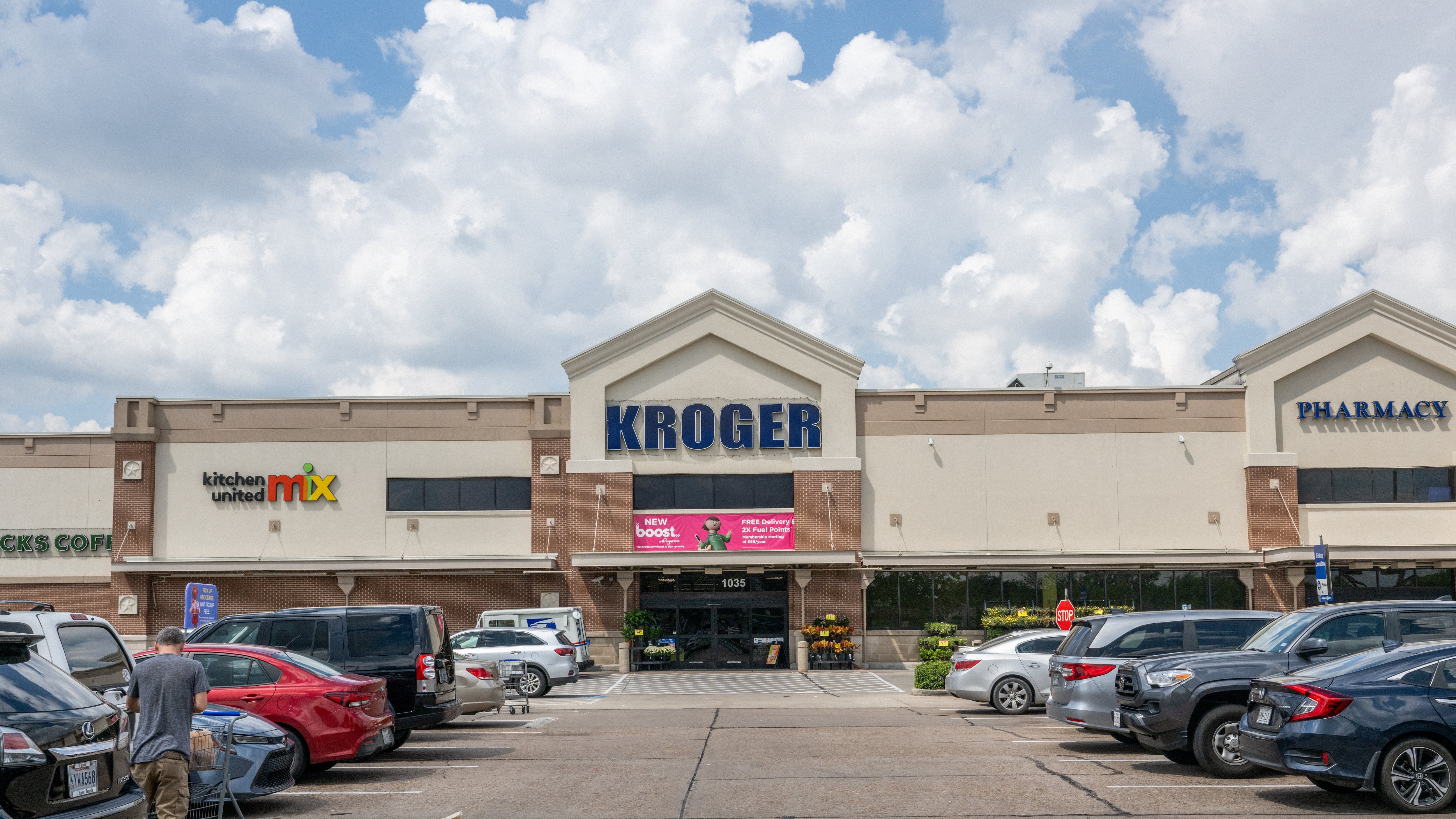
The Federal Trade Commission is suing to block a proposed merger between the two grocery stores. The FTC says the $24.6 billion deal would eliminate competition and lead to higher prices for millions of Americans.
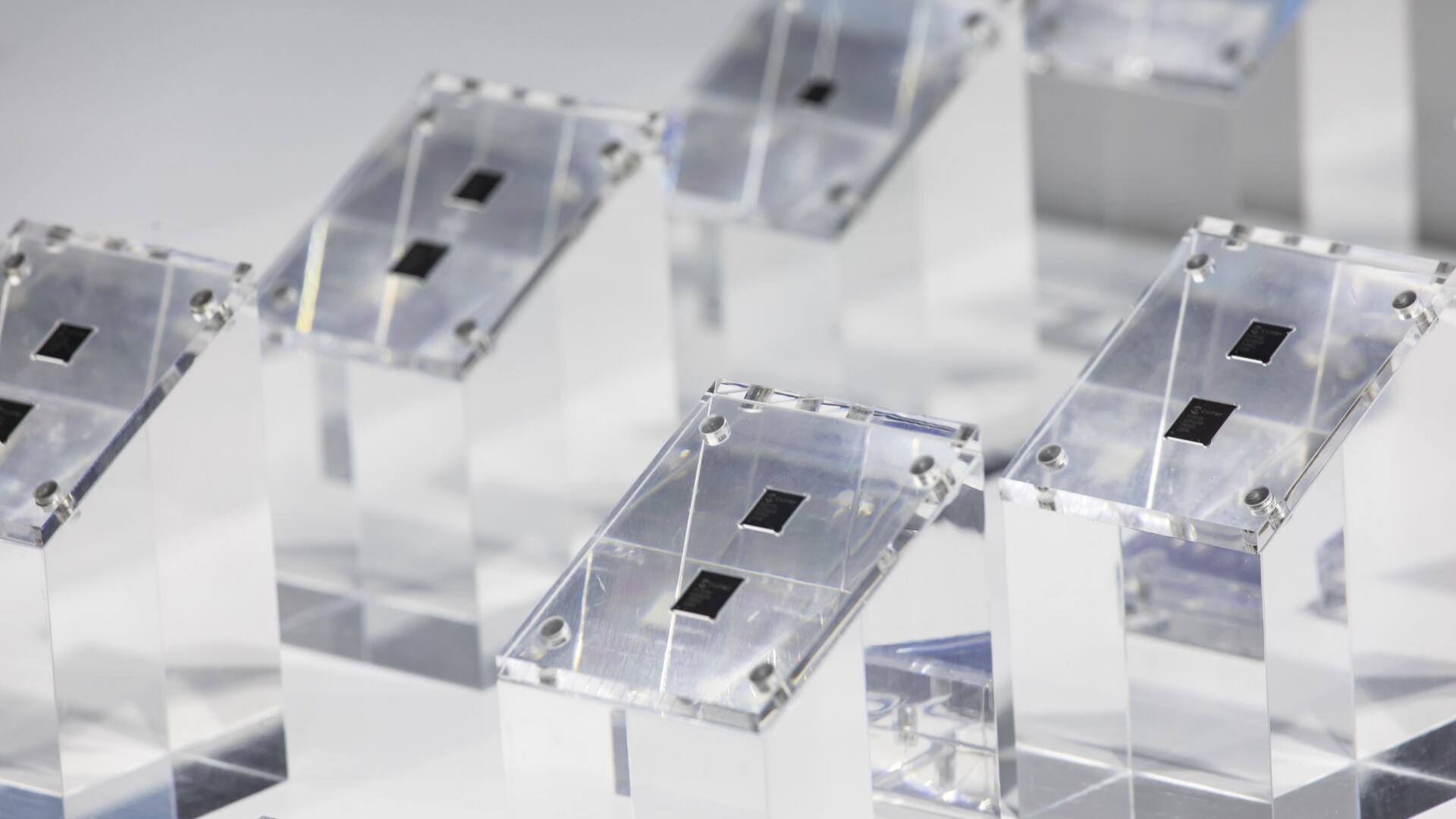
Terecircuits CEO Wayne Rickard explains some of the other companies set to benefit from the Nvidia-led chipmaking rally, including manufacturing and toolmaking companies.
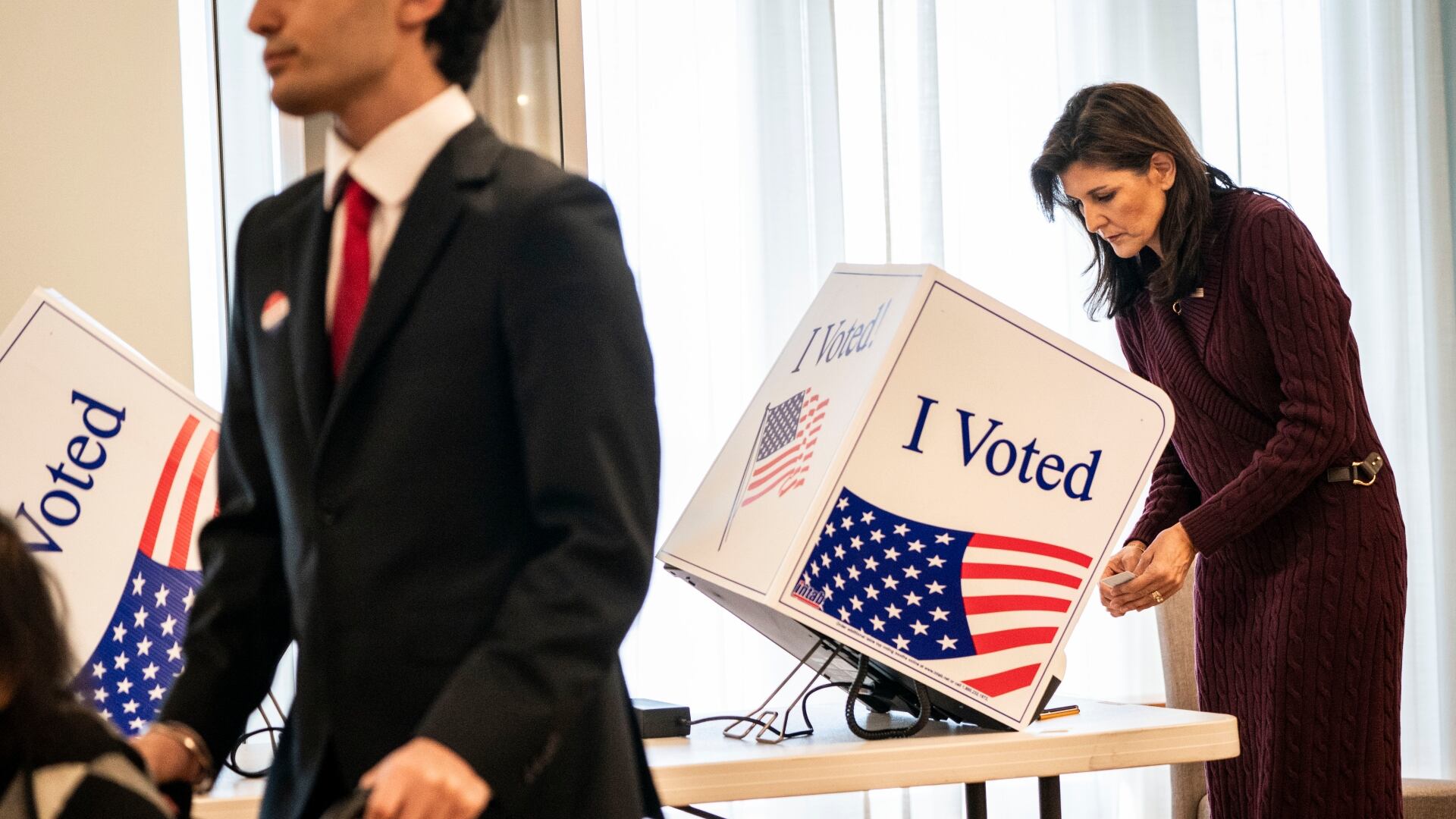
Axios reporter Erin Doherty breaks down the results from the South Carolina primary as former President Trump gets closer to winning the GOP nomination.