The Biggest Factors Affecting Women's Health Right Now
From natural disasters to sexual harassment scandals, 2017 has been a year for stressful news. A new survey shows that stress is affecting women's health in surprising ways. Lisa Kennedy, Executive Vice President & GM of Everyday Health Inc., creators of the Women's Wellness Special Report., and Dr. Mike Varshavski, Board Certified Family Physician, join us discuss the state of women's wellness in 2017.
Everyday Health conducted the survey after noticing the rise in searches for "wellness" versus "health." We focus on a few specific topics from the survey. Dr. Mike explains why fertility rates are at an all-time low, according to the CDC, while STDs at an all-time high.
Kennedy brings up another major source of stress for millennials: finances. Apparently, 62% of millennials worry about finances weekly, as opposed to 35% of boomers.
And finally, while the survey revealed that women feel more secure having a "rocking bank account" than a "rocking body," our guests emphasize that many women still struggle with body image.
Blame geography for the U.S. getting hit by stronger, costlier, more varied and frequent extreme weather than anywhere on the planet, several experts said. But that's only part of it.
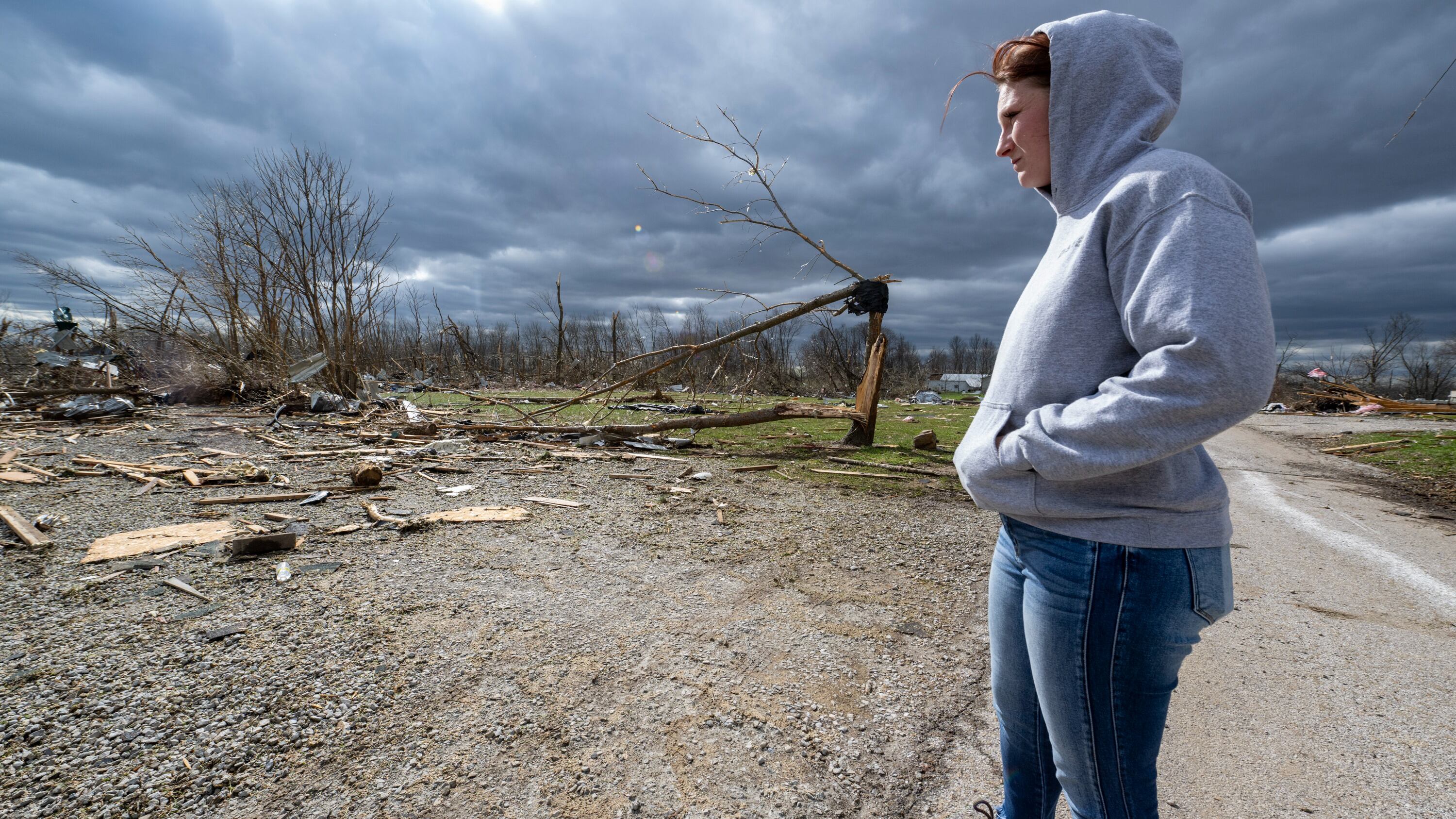
Residents across a wide swath of the U.S. raced Sunday to assess the destruction from fierce storms that spawned possibly dozens of tornadoes from the South and the Midwest into the Northeast.
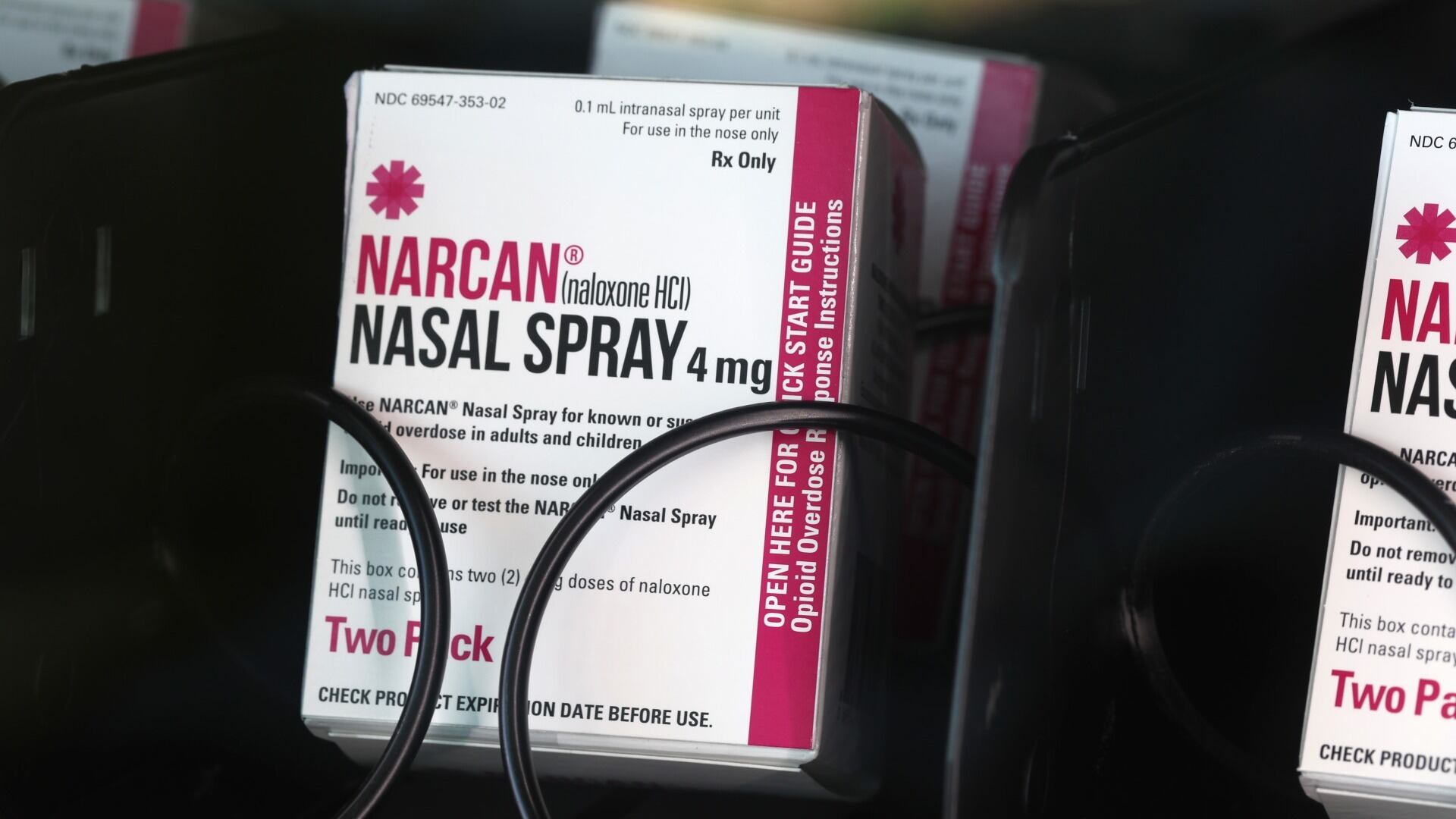
The U.S. Food and Drug Administration has approved selling overdose antidote naloxone over-the-counter, marking the first time a opioid treatment drug will be available without a prescription.
Millions of Americans could lose access to Medicaid on April 1, and Joe Dunn, senior vice president of public policy at the National Association of Community Health Centers, joined Cheddar News' anchor Shannon LaNier to discuss what this means for public health.