From natural disasters to sexual harassment scandals, 2017 has been a year for stressful news. A new survey shows that stress is affecting women's health in surprising ways. Lisa Kennedy, Executive Vice President & GM of Everyday Health Inc., creators of the Women's Wellness Special Report., and Dr. Mike Varshavski, Board Certified Family Physician, join us discuss the state of women's wellness in 2017.
Everyday Health conducted the survey after noticing the rise in searches for "wellness" versus "health." We focus on a few specific topics from the survey. Dr. Mike explains why fertility rates are at an all-time low, according to the CDC, while STDs at an all-time high.
Kennedy brings up another major source of stress for millennials: finances. Apparently, 62% of millennials worry about finances weekly, as opposed to 35% of boomers.
And finally, while the survey revealed that women feel more secure having a "rocking bank account" than a "rocking body," our guests emphasize that many women still struggle with body image.
Temperatures in central and southern California could hit 120 degrees Fahrenheit this weekend.
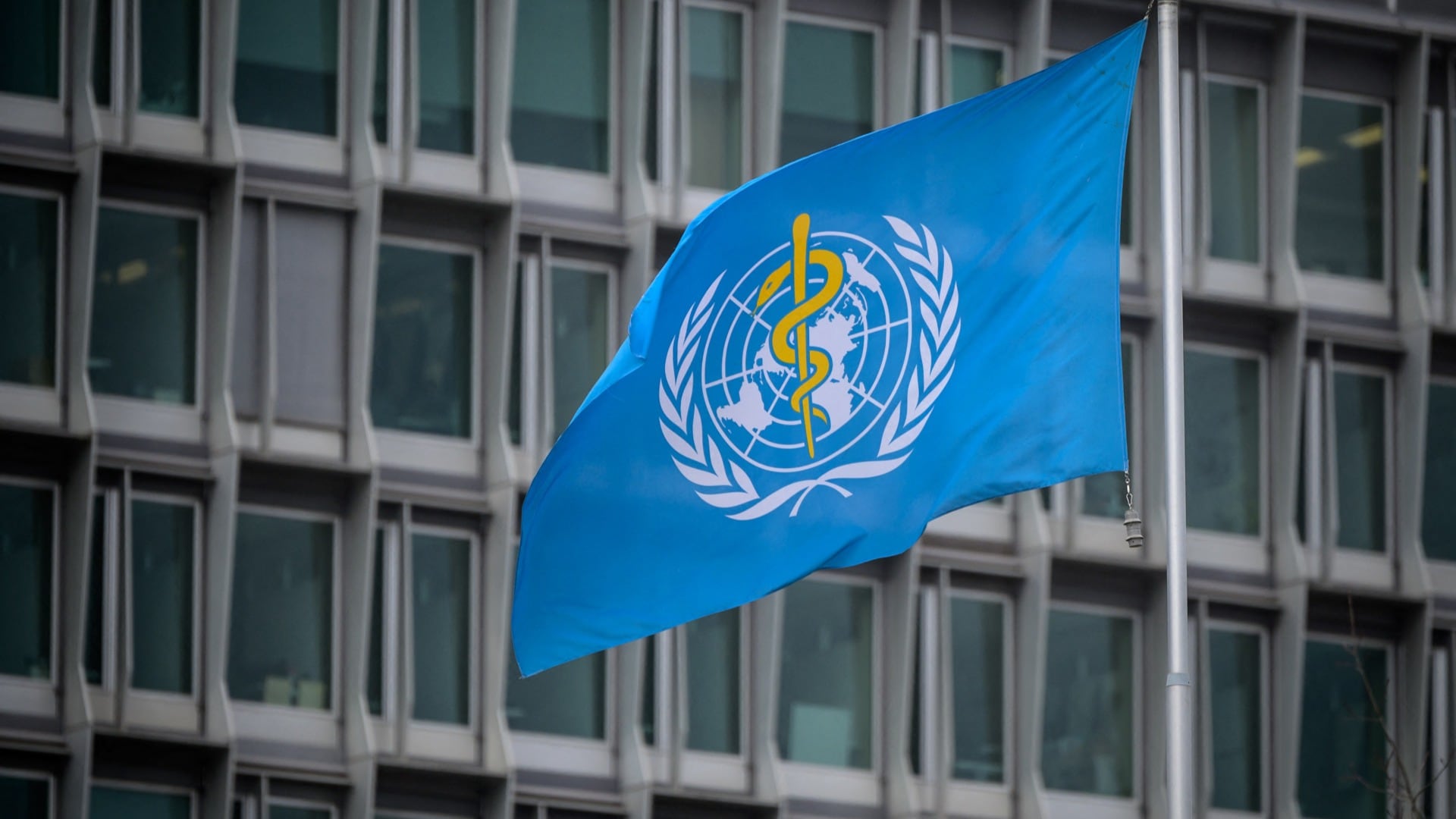
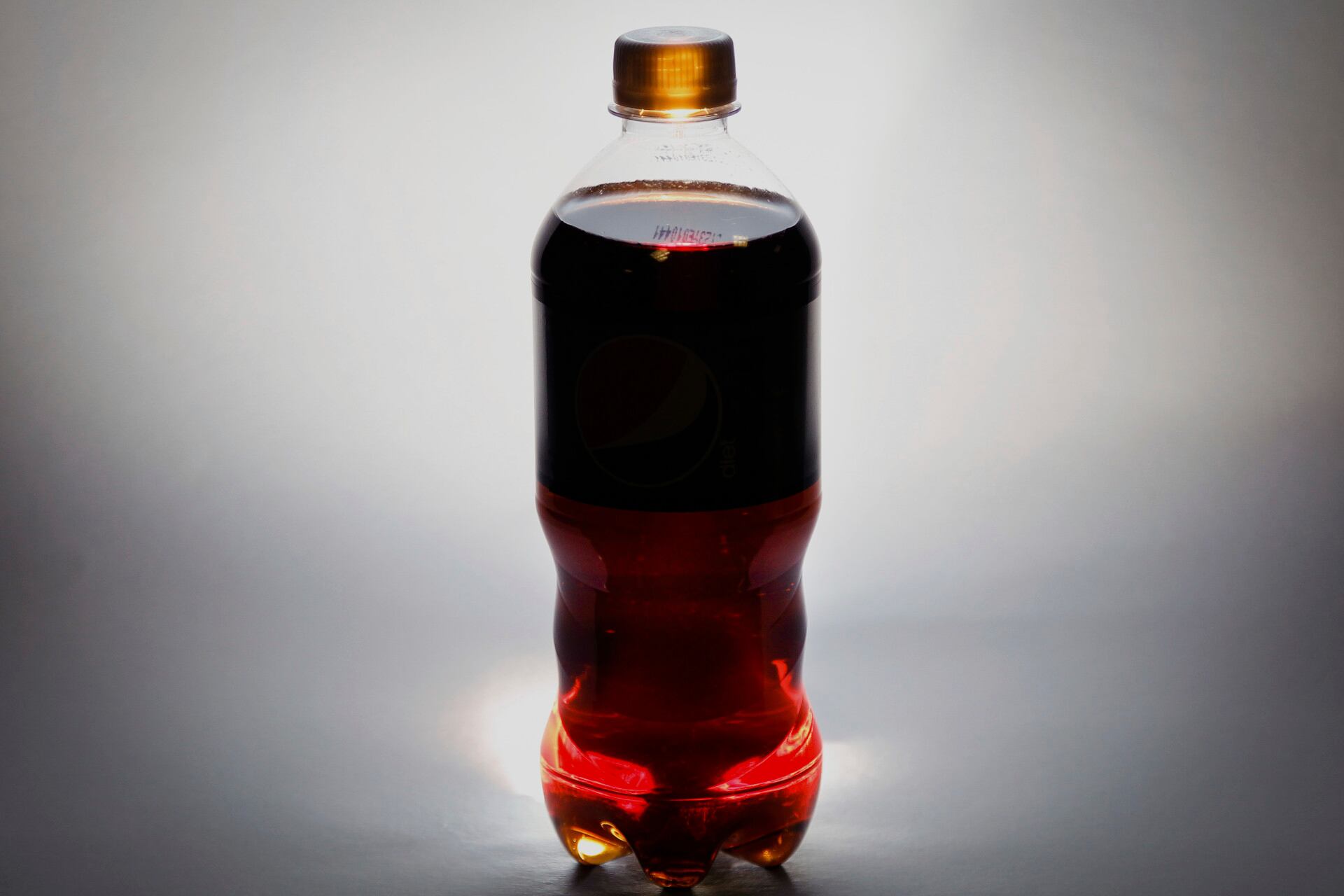
The World Health Organization moved to classify aspartame, the artificial sweetener in diet soda, as a possible carcinogen.
The World Health Organization's cancer agency has deemed the sweetener aspartame — found in diet soda and countless other foods — as a “possible” cause of cancer, while a separate expert group looking at the same evidence said it still considers the sugar substitute safe in limited quantities.
More than a third of Americans were under extreme heat advisories, watches and warnings Thursday as a blistering heat wave that's been baking the nation spread further into California, forcing residents to seek out air conditioning or find other ways to stay cool in triple-digit temperatures.
Tourists in central Athens huddled under mist machines, and zoo animals in Madrid were fed fruit popsicles and chunks of frozen food, as southern Europeans braced for a heat wave Thursday, with a warning of severe conditions coming from the European Union’s space agency.
A new study published in Nature has found that more than 56 percent of the world's oceans have changed color in the past 20 years, and climate change is to blame.
Recently discovered teeth of a two-million-year-old human relative in Africa could give researchers new insight into genetics.