That Time Indiana Almost Changed the Value of Pi...
If one amateur mathematician had his way, we might not be celebrating Pi Day on March 14th.
Way back in 1897, Edward Goodwin almost convinced the Indiana state legislature to pass the [Indiana Pi Bill](https://www.agecon.purdue.edu/crd/localgov/second%20level%20pages/indiana_pi_bill.htm), which would have legally defined the value of π as 3.2.
As Curiosity.com editor and podcast host Ashley Hamer tells it, Goodwin thought that he had solved a long standing mathematical problem.
“[Mathematicians] were trying to come up with a square that had the same area as a circle, but because you have Pi in the formula for the area of a circle, you can’t actually do that,” she said. “It would mean that one of the sides would have an irrational number.”
Convinced he had the answer, Goodwin helped introduce legislation that eventually passed the Indiana House with a 67-0 vote. But the bill was stopped when it got to the State Senate.
“The Senate realized that you can’t actually make laws defining mathematical truths,” Hamer told Cheddar. “It’d be sort of like making a law saying the Earth is flat. There’s no real reason to even make that law, because that’s not really their responsibility.”
For the full interview, [click here](https://cheddar.com/videos/everything-youll-ever-need-to-know-about-pi-2).
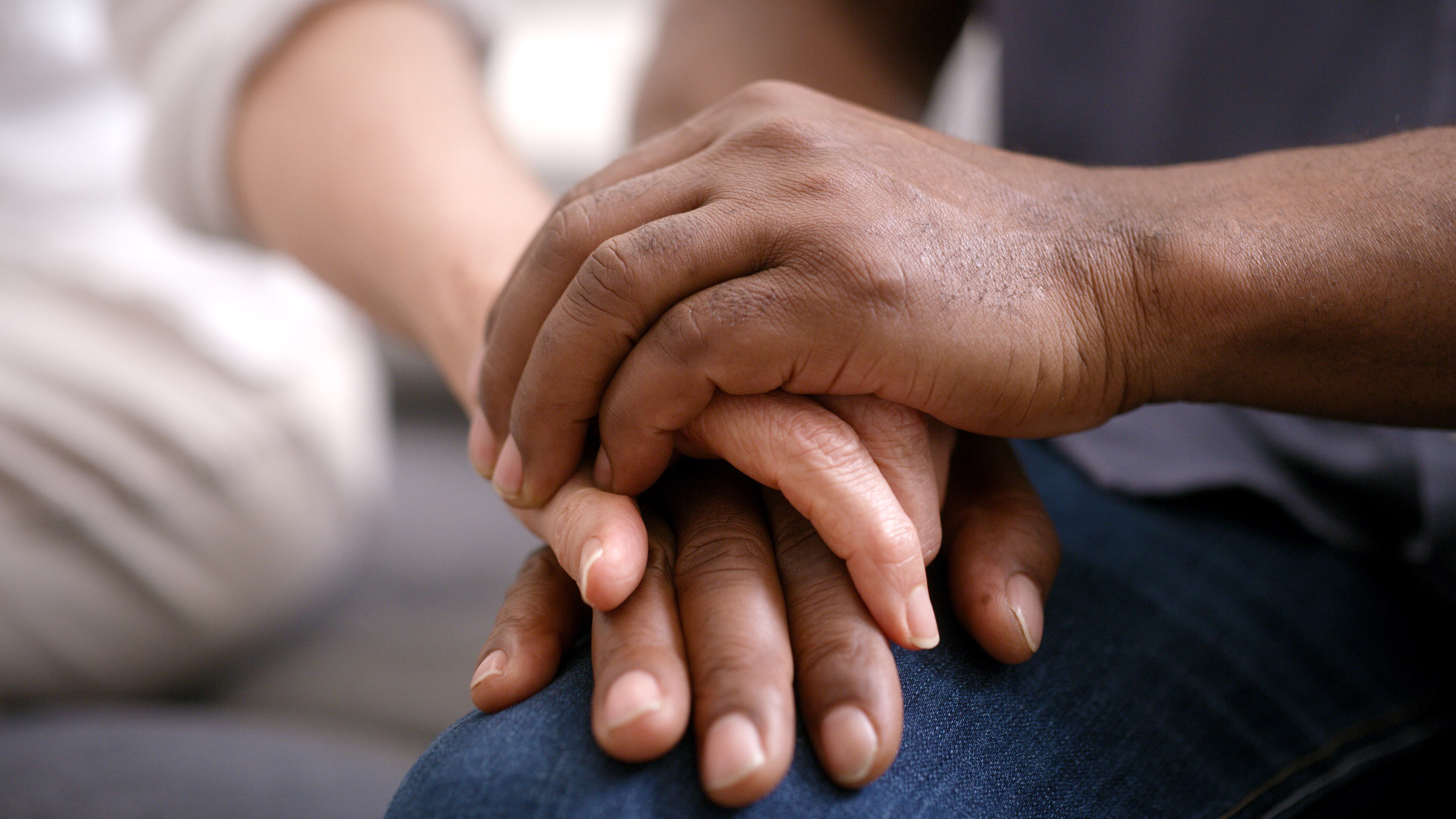
Andrea Miller, founder and CEO of Your Tango, discusses why the world is in a global relationship crisis and a loneliness epidemic that has accelerated dramatically, especially since the pandemic. "More people are working from home and so they're not getting in-person connection," she said.
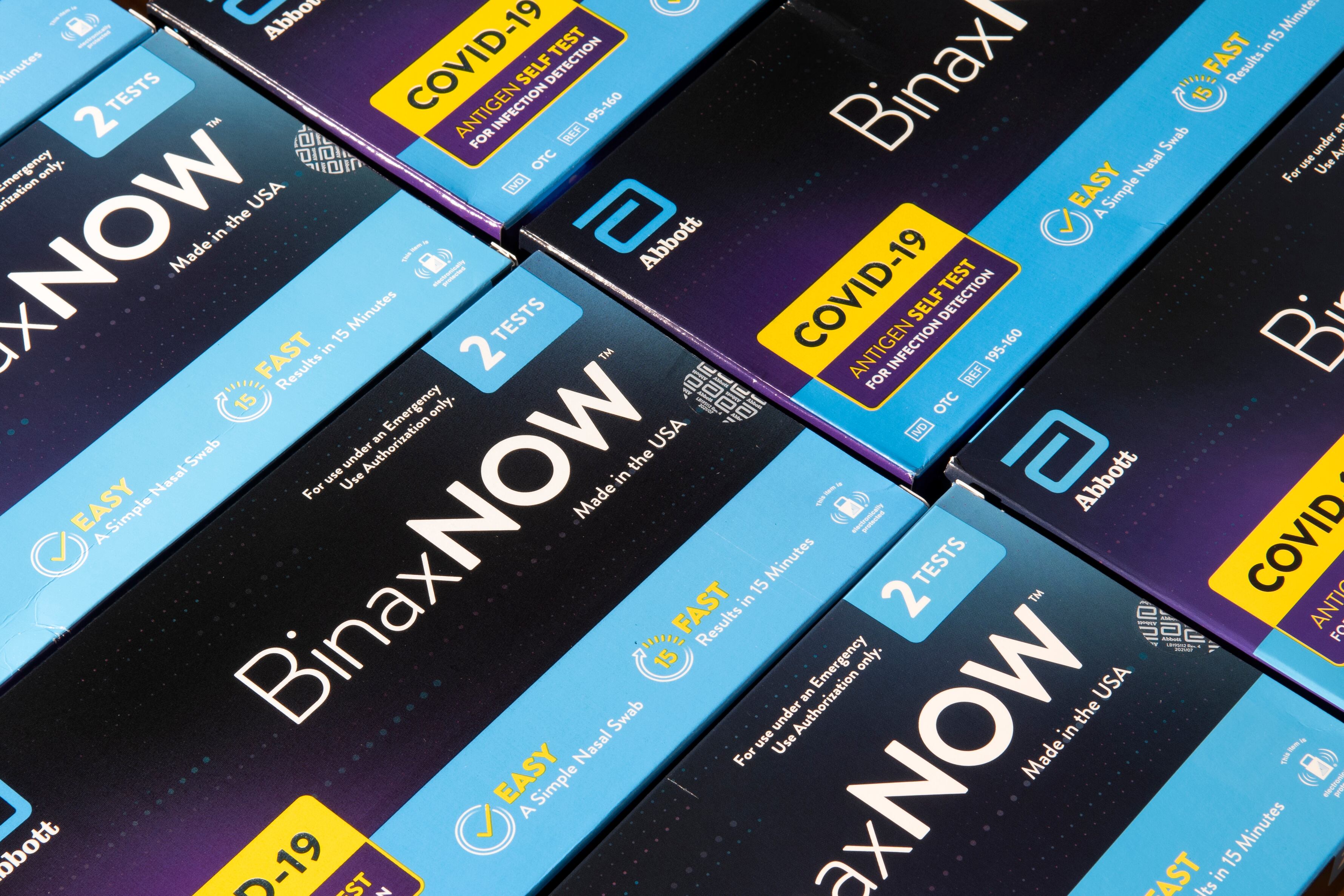
The era of free Covid tests has officially come to an end, raising concerns about potential scams. Dan Geltrude, managing partner with Geltrude & Co., joined Cheddar News to explain the most affordable way to get tests and how to avoid fake and illegitimate tests.
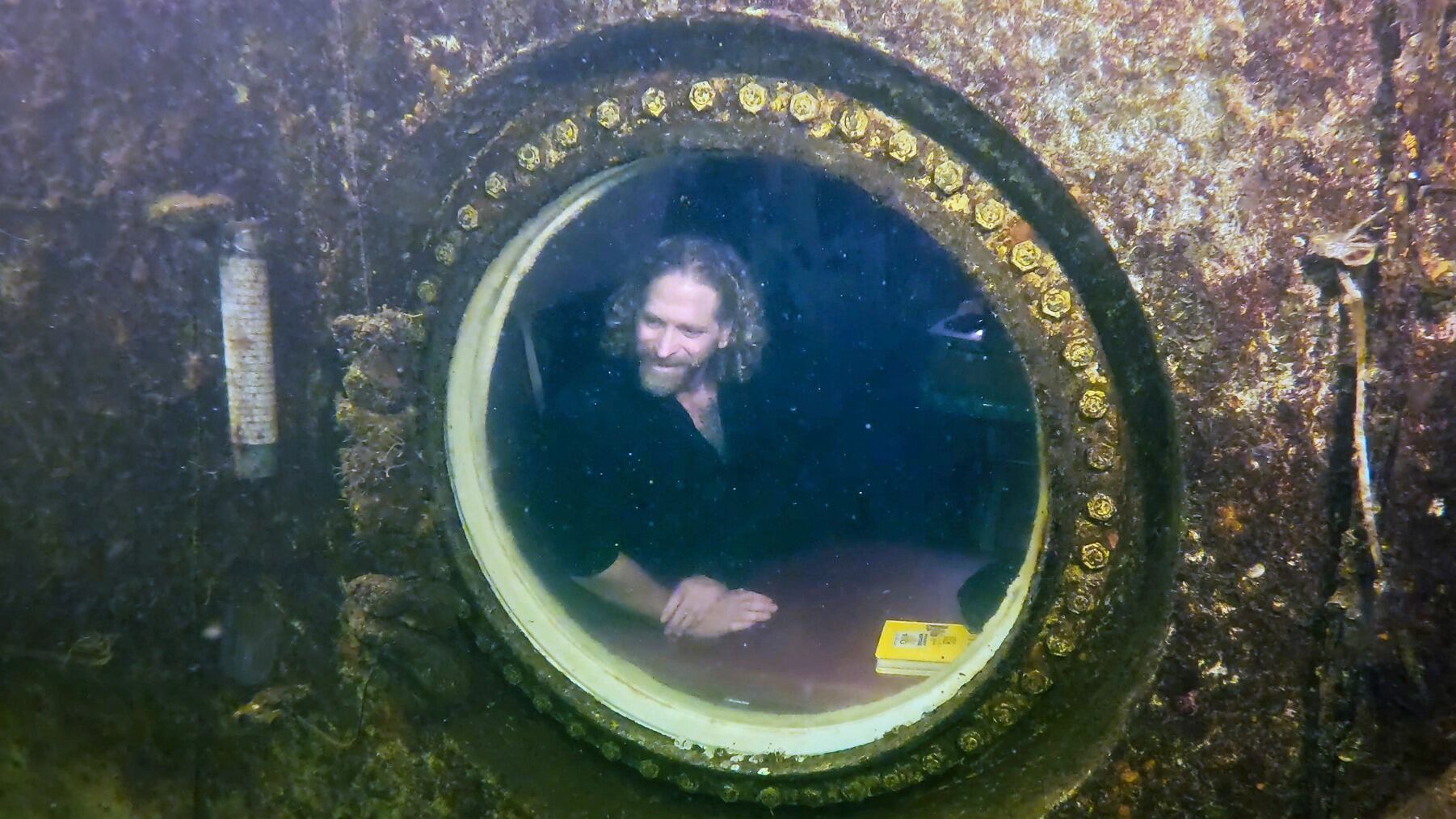
A university professor broke a record for the longest time living underwater without depressurization this weekend at a Florida Keys lodge for scuba divers.
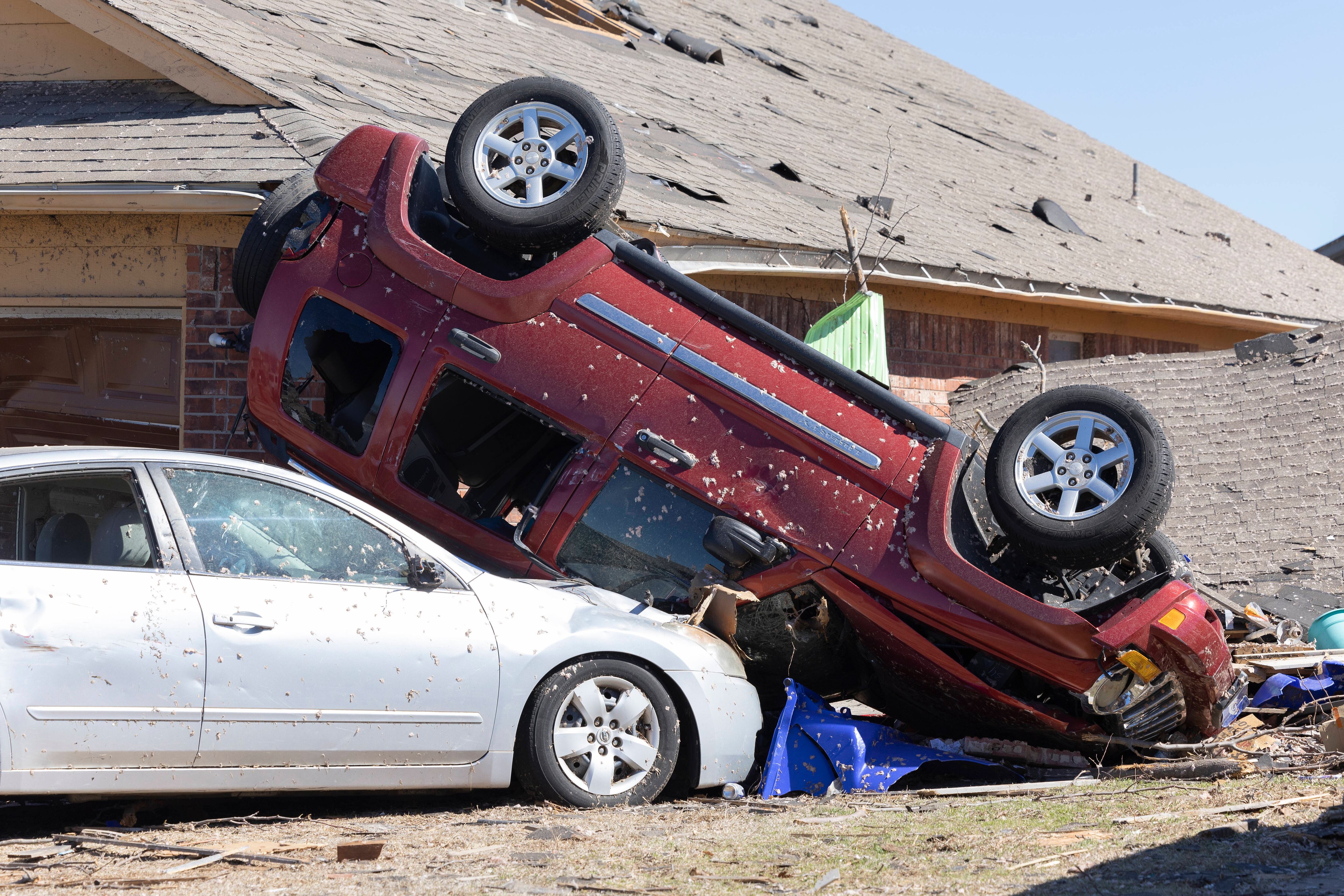
About 16 tornadoes hit America's heartland including Colorado, Kansas and Louisiana with no injuries reported, and the worst damage was registered in Oklahoma.