That Time Indiana Almost Changed the Value of Pi...
If one amateur mathematician had his way, we might not be celebrating Pi Day on March 14th.
Way back in 1897, Edward Goodwin almost convinced the Indiana state legislature to pass the [Indiana Pi Bill](https://www.agecon.purdue.edu/crd/localgov/second%20level%20pages/indiana_pi_bill.htm), which would have legally defined the value of π as 3.2.
As Curiosity.com editor and podcast host Ashley Hamer tells it, Goodwin thought that he had solved a long standing mathematical problem.
“[Mathematicians] were trying to come up with a square that had the same area as a circle, but because you have Pi in the formula for the area of a circle, you can’t actually do that,” she said. “It would mean that one of the sides would have an irrational number.”
Convinced he had the answer, Goodwin helped introduce legislation that eventually passed the Indiana House with a 67-0 vote. But the bill was stopped when it got to the State Senate.
“The Senate realized that you can’t actually make laws defining mathematical truths,” Hamer told Cheddar. “It’d be sort of like making a law saying the Earth is flat. There’s no real reason to even make that law, because that’s not really their responsibility.”
For the full interview, [click here](https://cheddar.com/videos/everything-youll-ever-need-to-know-about-pi-2).
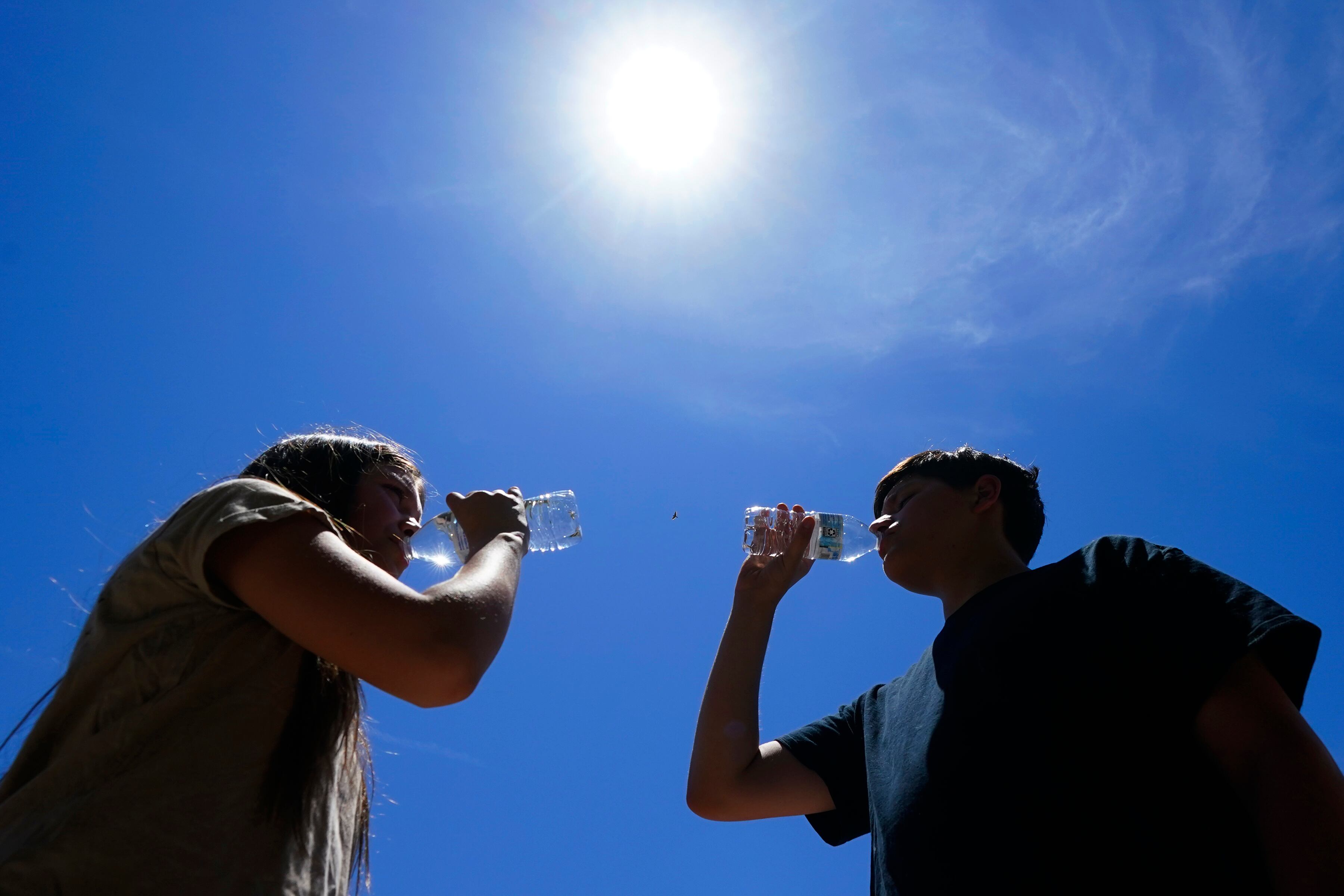
High temperatures continue to affect people in the U.S. and abroad, including in Iran where it reached 152 degrees on Sunday. The southwestern part of the U.S. continues to experience extreme weather after over a week of a heat wave.
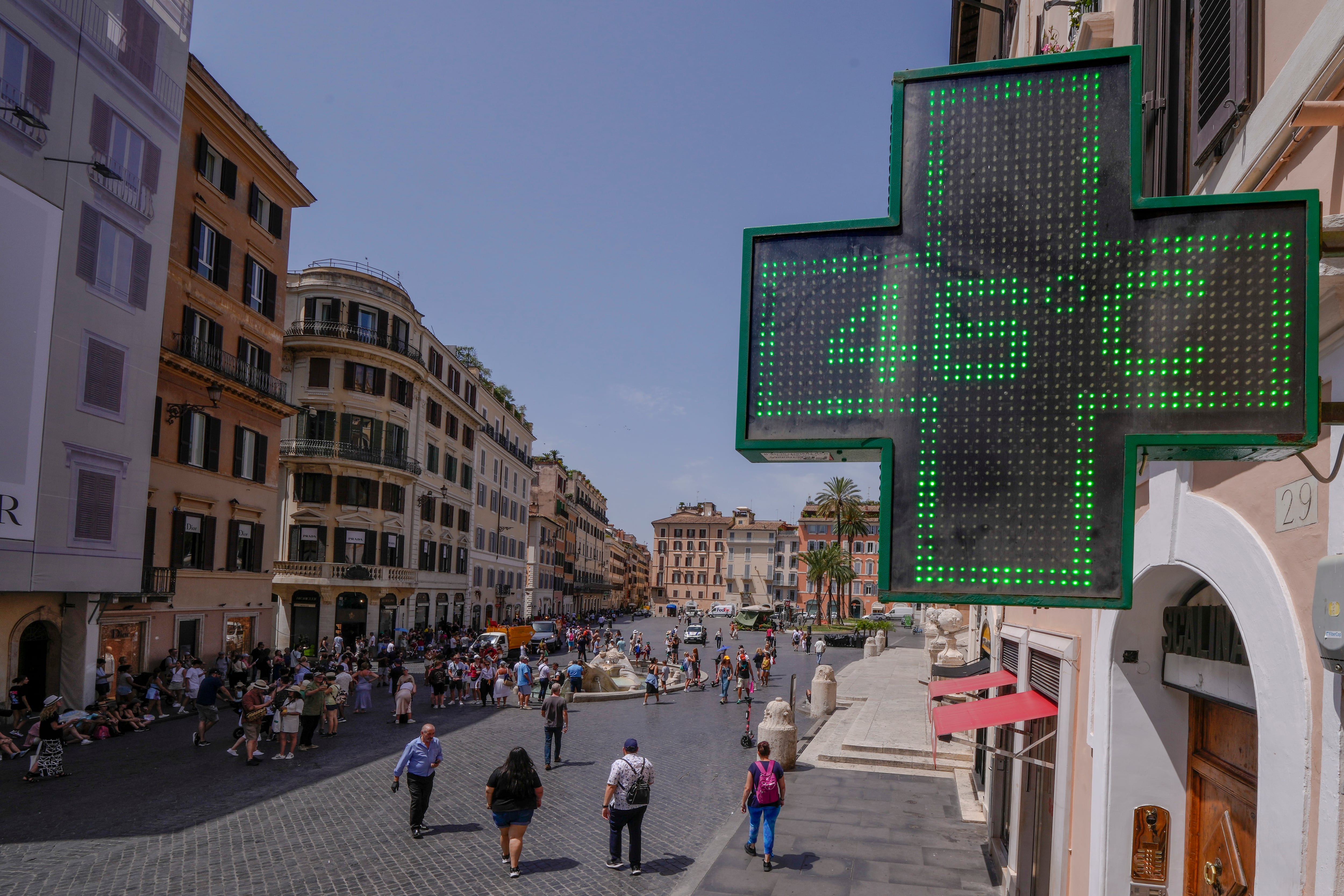
Officials warned residents and tourists packing Mediterranean destinations on Tuesday to stay indoors during the hottest hours as the second heat wave in as many weeks hits the region and Greece, Spain and Switzerland battled wildfires.
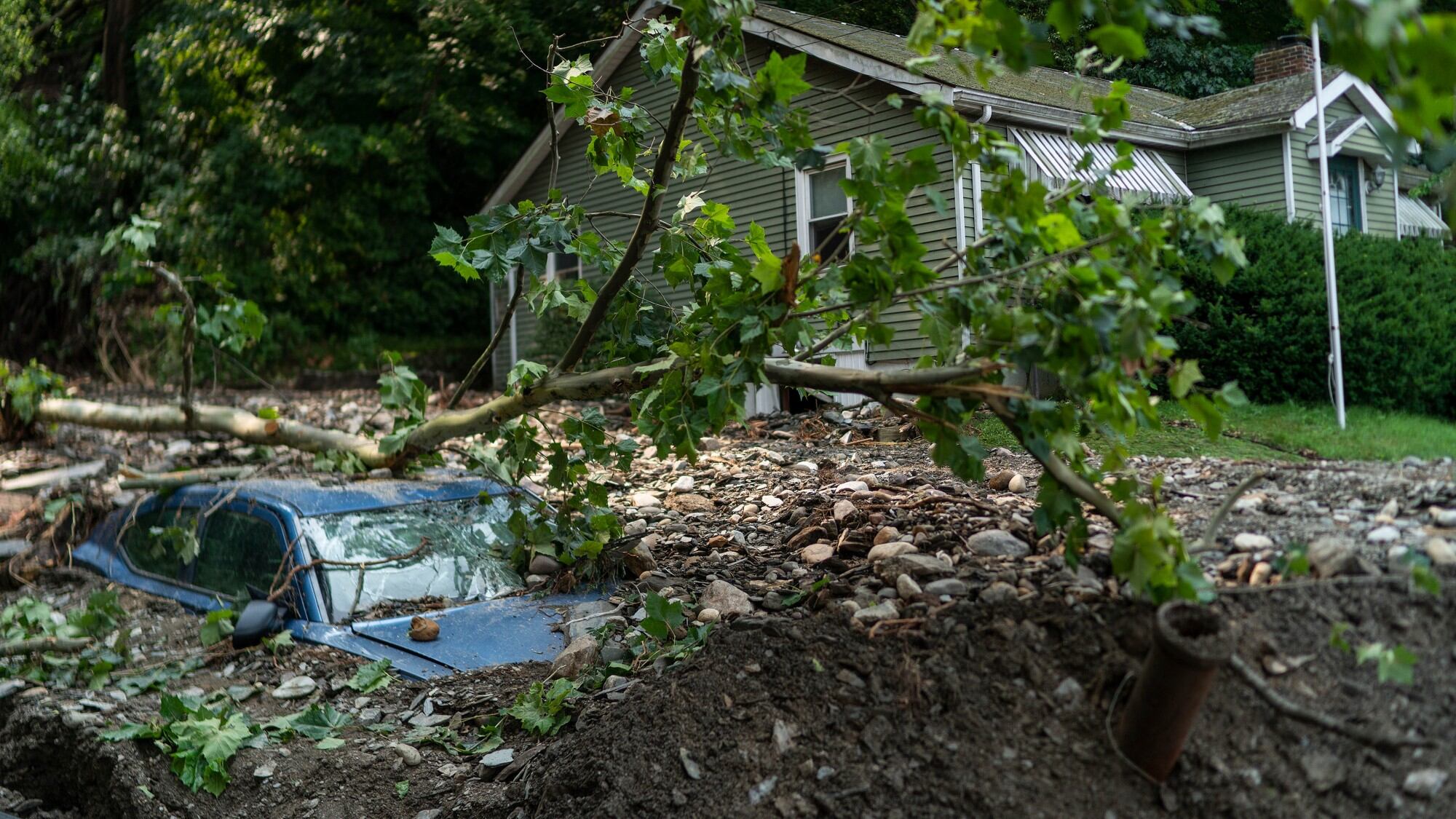
While the East Coast grappled with the aftermath of downpours that closed roads and rendered the water supply undrinkable in places, the West and other parts of the country contended with sizzling temperatures and unsafe air quality attributed to Canadian wildfires.
U.S. officials on Monday approved the first long-acting drug to protect babies and toddlers against a respiratory virus that sends tens of thousands of American children to the hospital each year.