If one amateur mathematician had his way, we might not be celebrating Pi Day on March 14th.
Way back in 1897, Edward Goodwin almost convinced the Indiana state legislature to pass the [Indiana Pi Bill](https://www.agecon.purdue.edu/crd/localgov/second%20level%20pages/indiana_pi_bill.htm), which would have legally defined the value of π as 3.2.
As Curiosity.com editor and podcast host Ashley Hamer tells it, Goodwin thought that he had solved a long standing mathematical problem.
“[Mathematicians] were trying to come up with a square that had the same area as a circle, but because you have Pi in the formula for the area of a circle, you can’t actually do that,” she said. “It would mean that one of the sides would have an irrational number.”
Convinced he had the answer, Goodwin helped introduce legislation that eventually passed the Indiana House with a 67-0 vote. But the bill was stopped when it got to the State Senate.
“The Senate realized that you can’t actually make laws defining mathematical truths,” Hamer told Cheddar. “It’d be sort of like making a law saying the Earth is flat. There’s no real reason to even make that law, because that’s not really their responsibility.”
For the full interview, [click here](https://cheddar.com/videos/everything-youll-ever-need-to-know-about-pi-2).
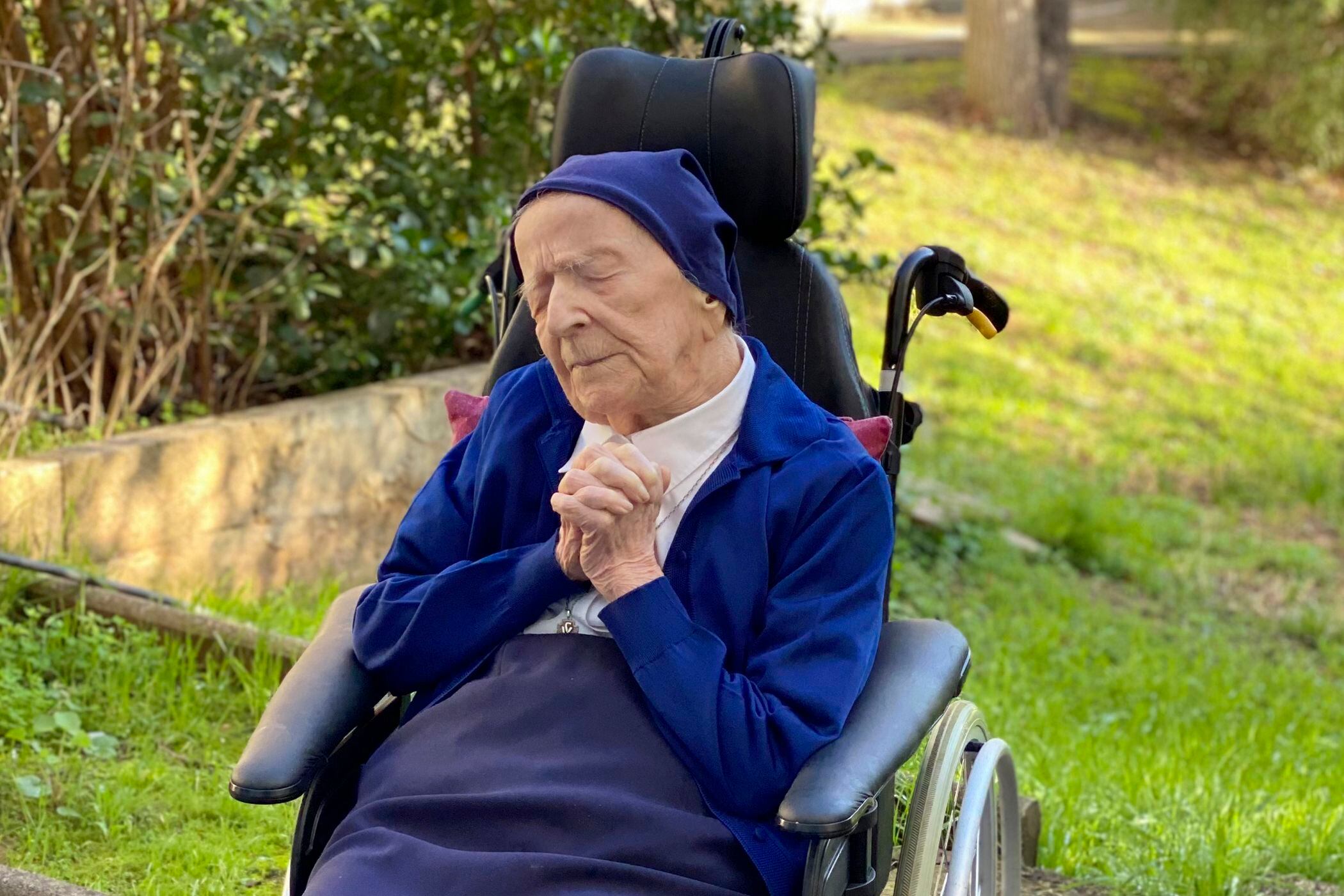
A 116-year-old French nun who is believed to be the world's second-oldest person has survived COVID-19.
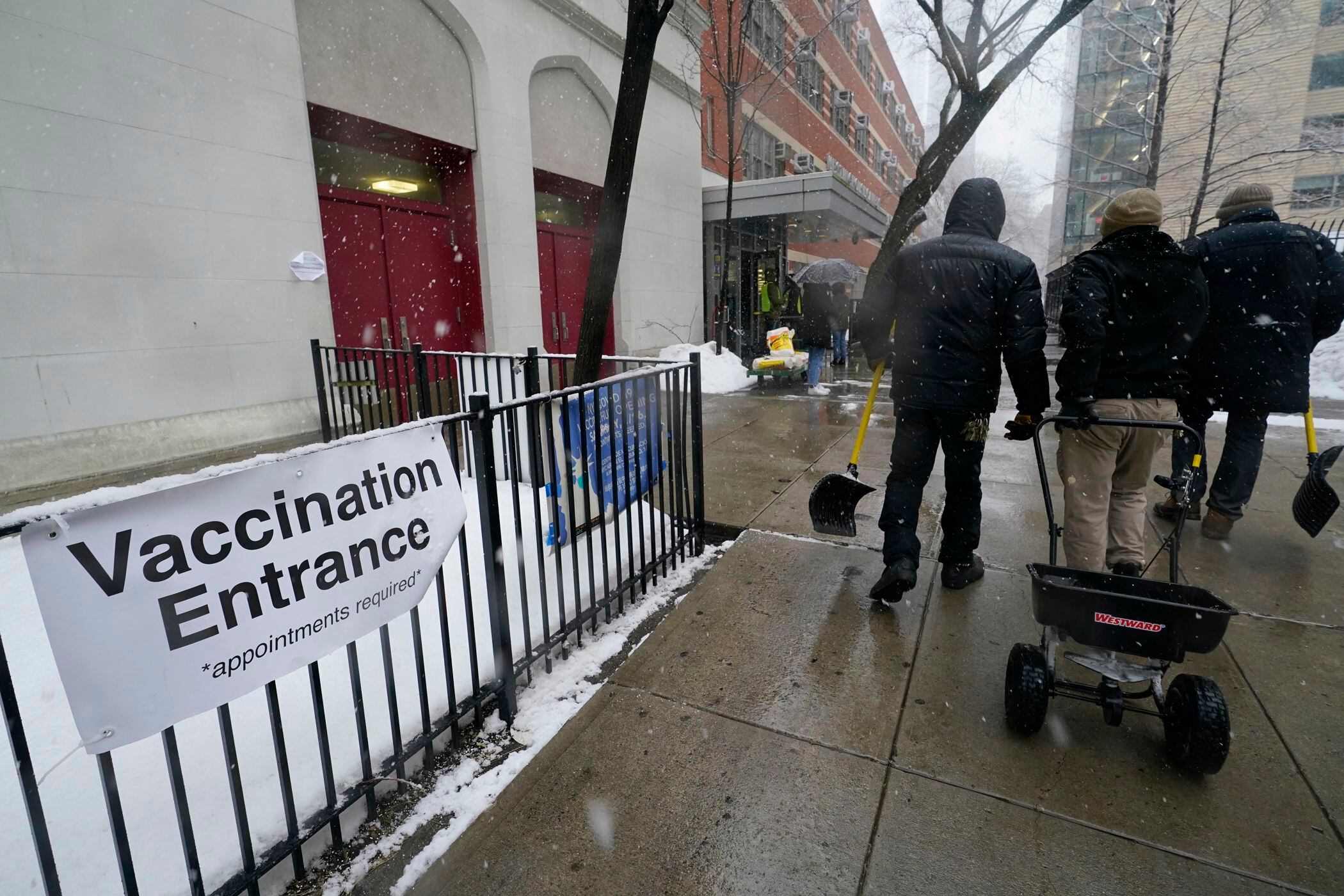
Jerome Griffith, CEO of Lands' End, spoke with Cheddar about the retailer opening up the company's employee activity building for mass vaccinations in Iowa City, Wisconsin.
Wellness 4 Humanity is testing out COVID-19 related vending machines. Items include tests kits and PPE. Cheddar's Chloe Aiello reports.
A team of international and Chinese scientists looking for the origins of COVID-19 says the coronavirus most likely first appeared in humans after jumping from an animal.
March of Dimes CEO Stacey Stewart spoke with Cheddar about the need to advance the science of COVID vaccine testing on pregnant populations.
After seeing two academic years thrown off course by the pandemic, school leaders around the country are planning for the possibility of more distance learning next fall at the start of yet another school year.
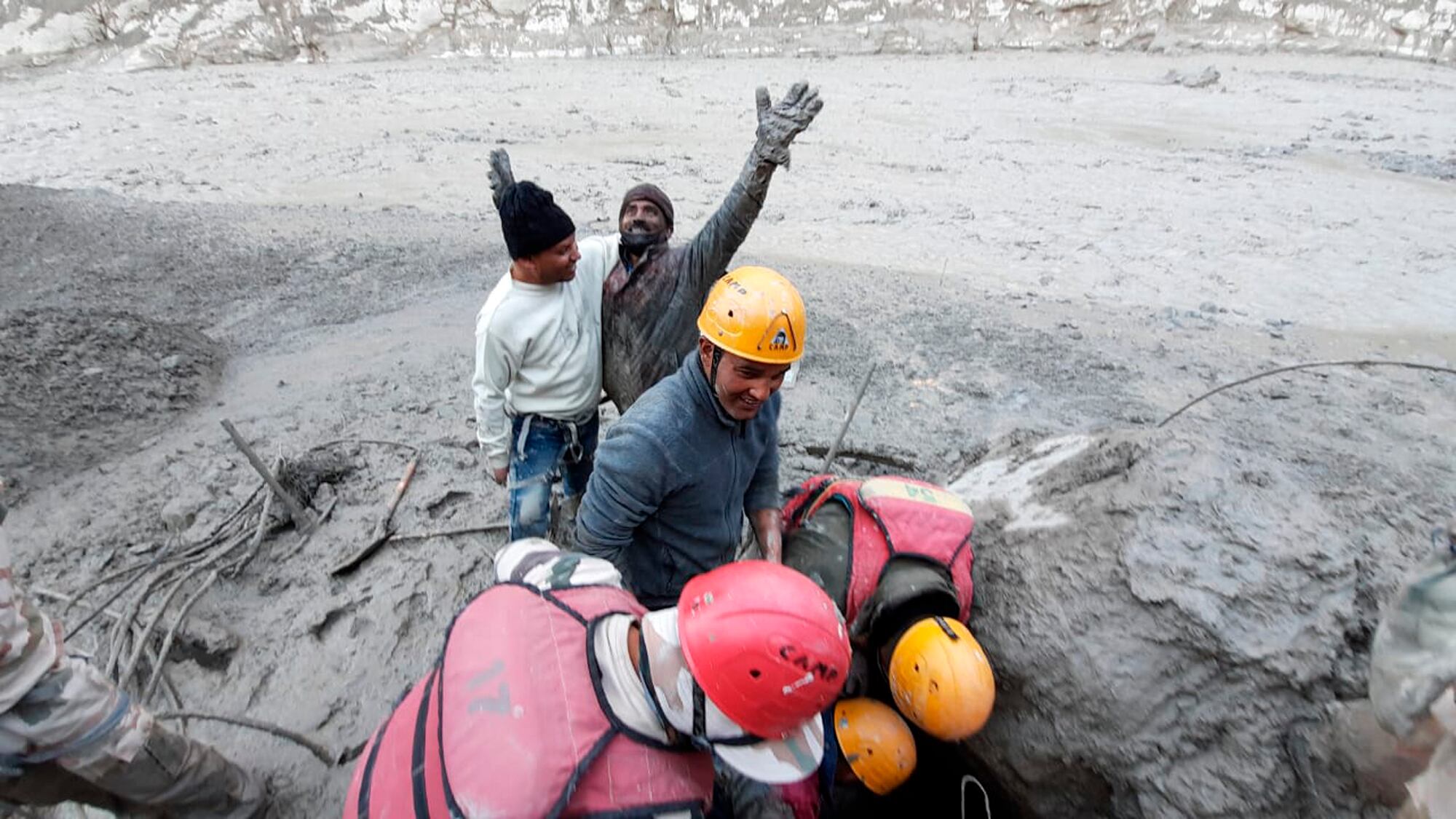
Rescuers in northern India are working to rescue more than three dozen power plant workers trapped in a tunnel after part of a Himalayan glacier broke off and sent a wall of water and debris rushing down a mountain.
In the 1920s, an army of real estate boosters set out to redefine Florida from an economic backwater to a ritzy vacation destination, sparking a land boom — and bust — the likes of which America had never seen before.
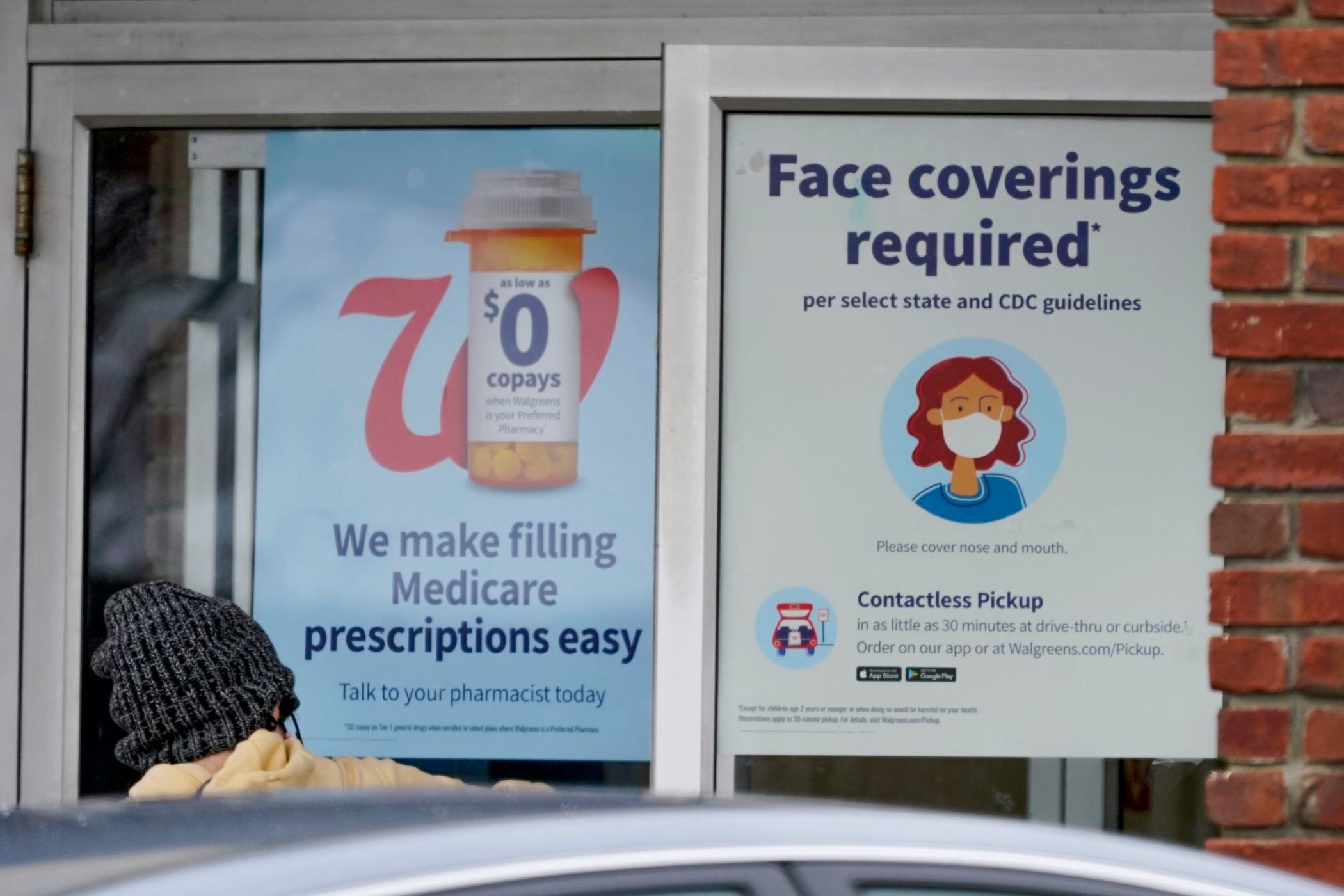
Nate Boutte, pharmacy manager for Walgreens, talked about the readiness of the pharmacy chain in getting COVID vaccines out in the White House's new distribution plan.
A new study may help answer one of the big open questions about the campaign to suppress the coronavirus outbreak.