If one amateur mathematician had his way, we might not be celebrating Pi Day on March 14th.
Way back in 1897, Edward Goodwin almost convinced the Indiana state legislature to pass the [Indiana Pi Bill](https://www.agecon.purdue.edu/crd/localgov/second%20level%20pages/indiana_pi_bill.htm), which would have legally defined the value of π as 3.2.
As Curiosity.com editor and podcast host Ashley Hamer tells it, Goodwin thought that he had solved a long standing mathematical problem.
“[Mathematicians] were trying to come up with a square that had the same area as a circle, but because you have Pi in the formula for the area of a circle, you can’t actually do that,” she said. “It would mean that one of the sides would have an irrational number.”
Convinced he had the answer, Goodwin helped introduce legislation that eventually passed the Indiana House with a 67-0 vote. But the bill was stopped when it got to the State Senate.
“The Senate realized that you can’t actually make laws defining mathematical truths,” Hamer told Cheddar. “It’d be sort of like making a law saying the Earth is flat. There’s no real reason to even make that law, because that’s not really their responsibility.”
For the full interview, [click here](https://cheddar.com/videos/everything-youll-ever-need-to-know-about-pi-2).
The slaughter of nearly 900 cattle that have been stuck on a cargo ship in the Mediterranean for two months has been postponed until Thursday.
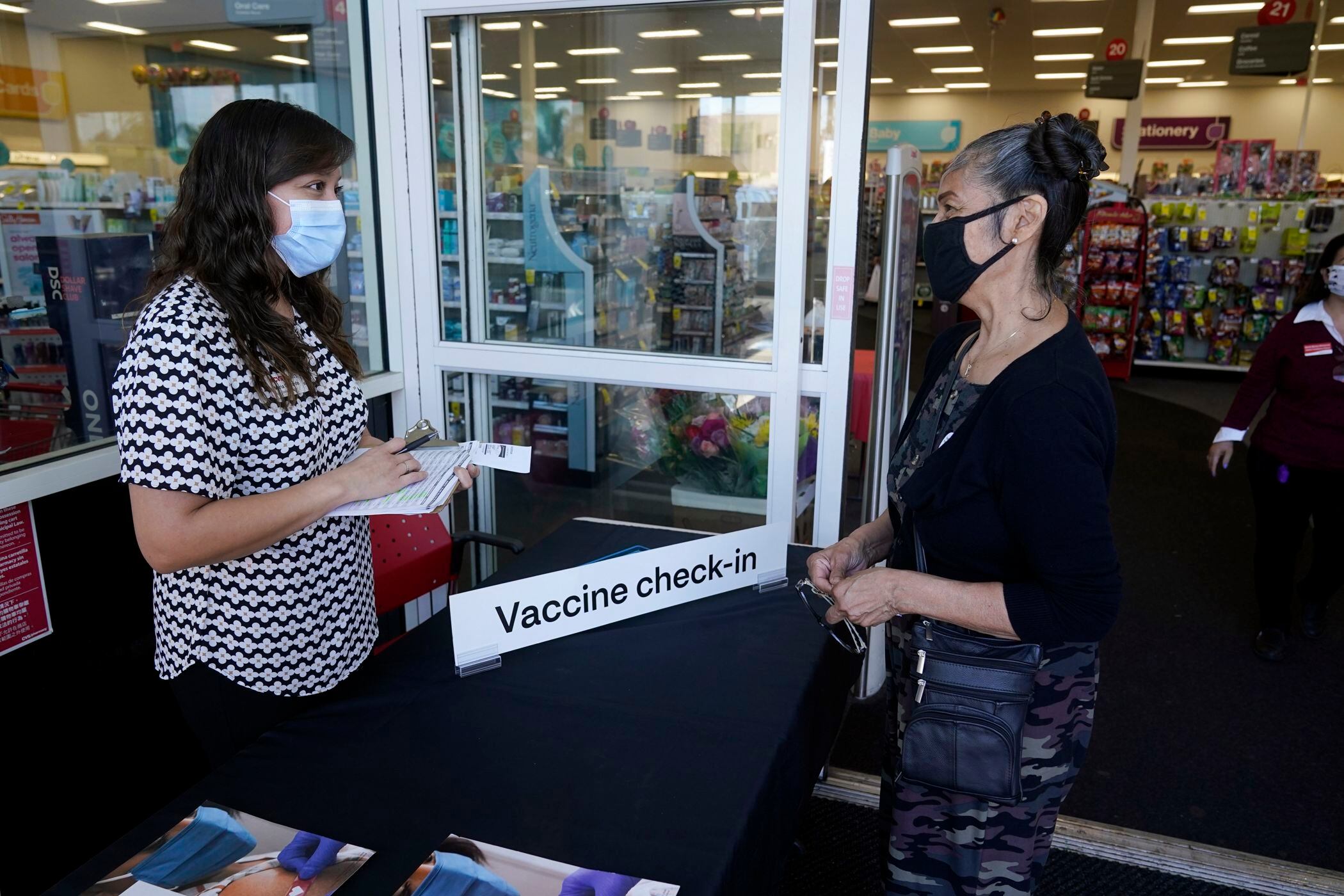
Susan Lucas Collins, global head of healthcare services at cloud communications company Twilio, talked to Cheddar about providing tools necessary to help smooth out the somewhat chaotic vaccine rollout in the United States.
The pill comprises 40% of the profits in the U.S. contraceptive market and 25% of contraceptive consumers, causing millions of unnecessary ‘periods’ along the way. So, why hasn’t birth control evolved beyond the pseudo-period?
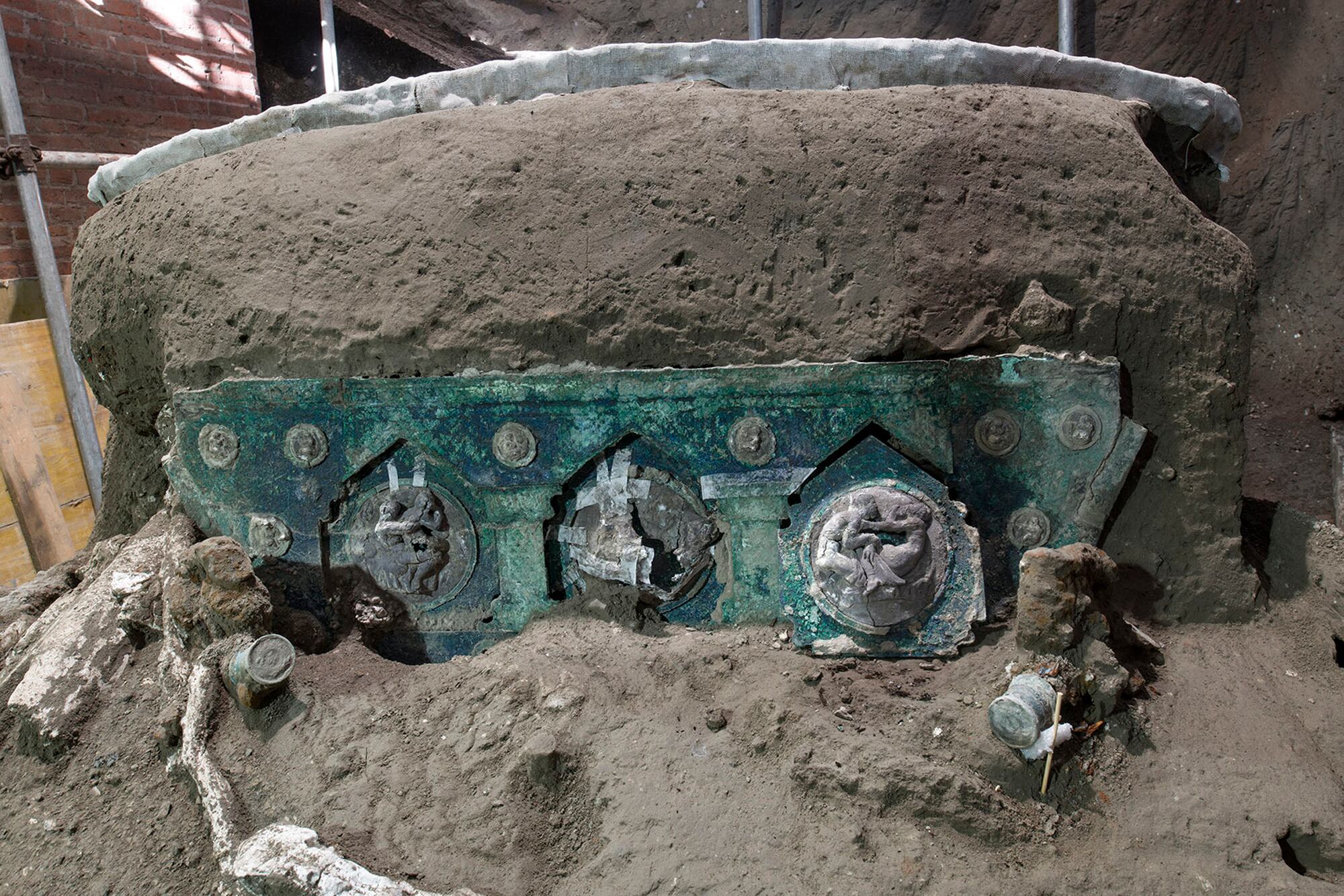
Officials at the Pompeii archaeological site in Italy have announced the discovery of an intact ceremonial chariot, one of several important discoveries made outside the park following an investigation into an illegal dig.
Spacewalking astronauts have installed support frames at the International Space Station for new solar panels arriving later this year.
A huge iceberg, the size of the UK county of Bedfordshire, has broken off the Brunt Ice Shelf.
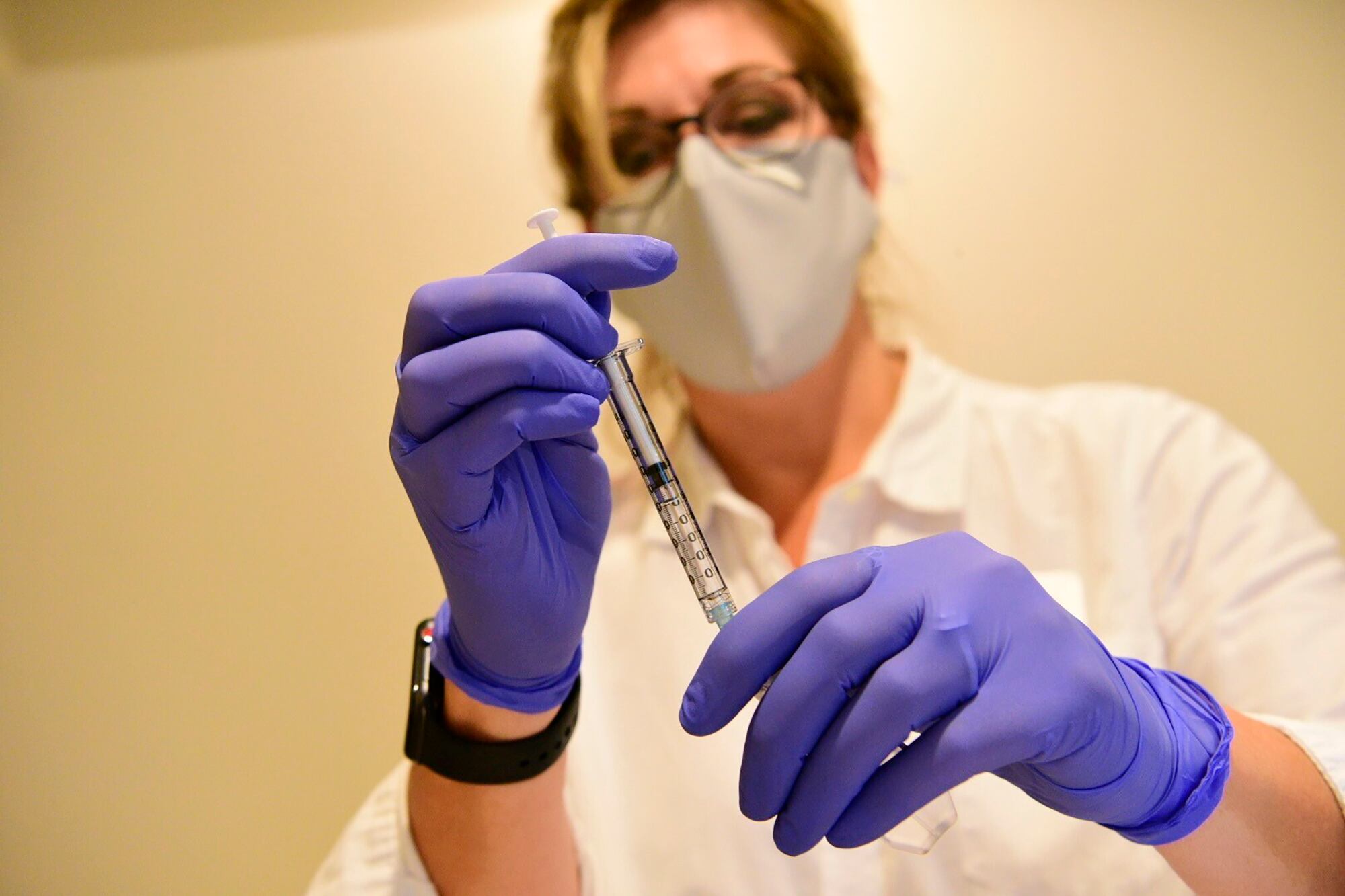
U.S. health advisers have endorsed a one-dose COVID-19 vaccine from Johnson & Johnson that's expected to provide an easier-to-use option to fight the pandemic.
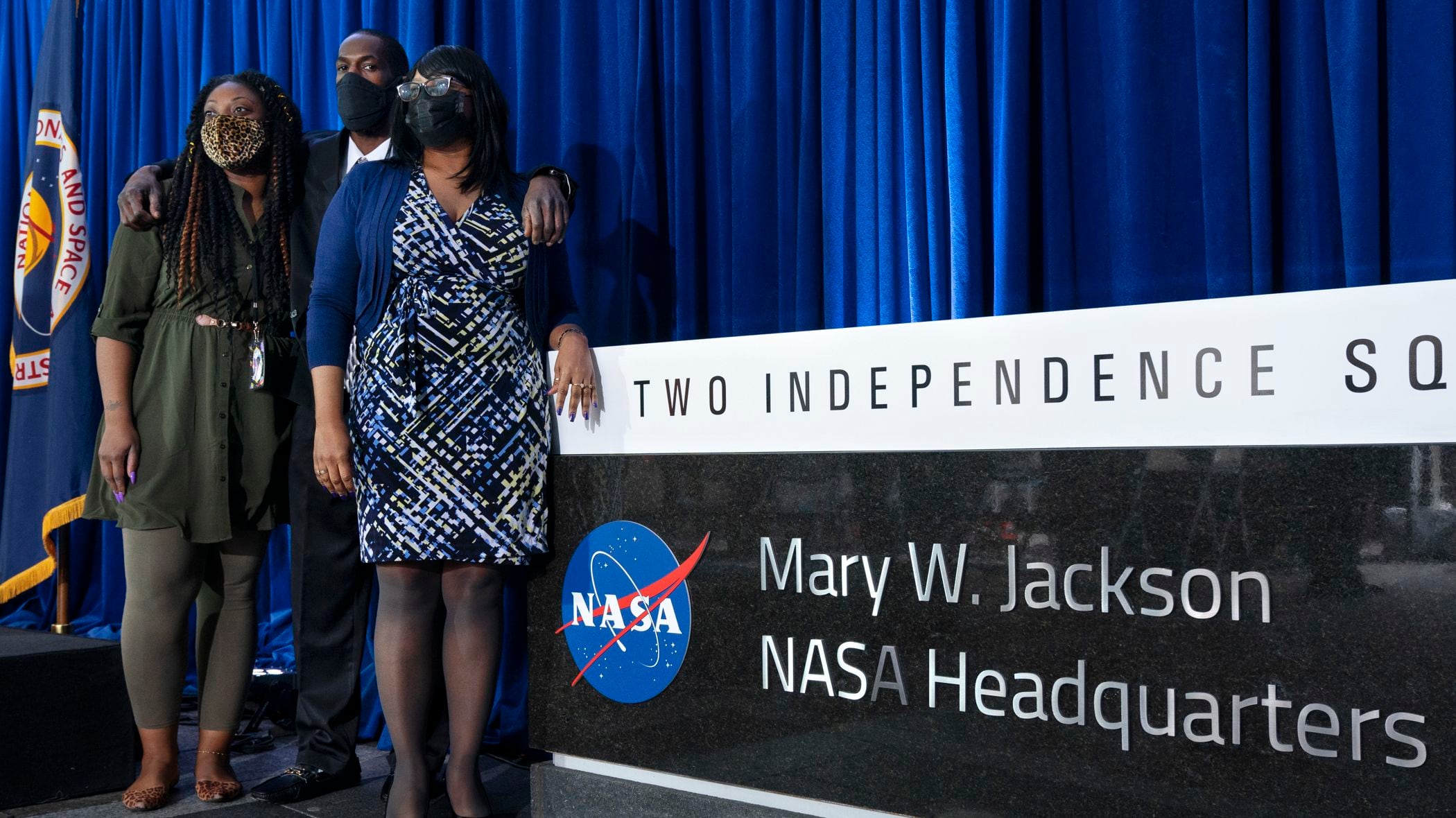
NASA on Friday is named its Washington headquarters after Mary W. Jackson, the space agency's first African American female engineer whose story was portrayed in the popular film "Hidden Figures."
From Wall Street to Silicon Valley, these are the top stories that moved markets and had investors, business leaders, and entrepreneurs talking this week on Cheddar.
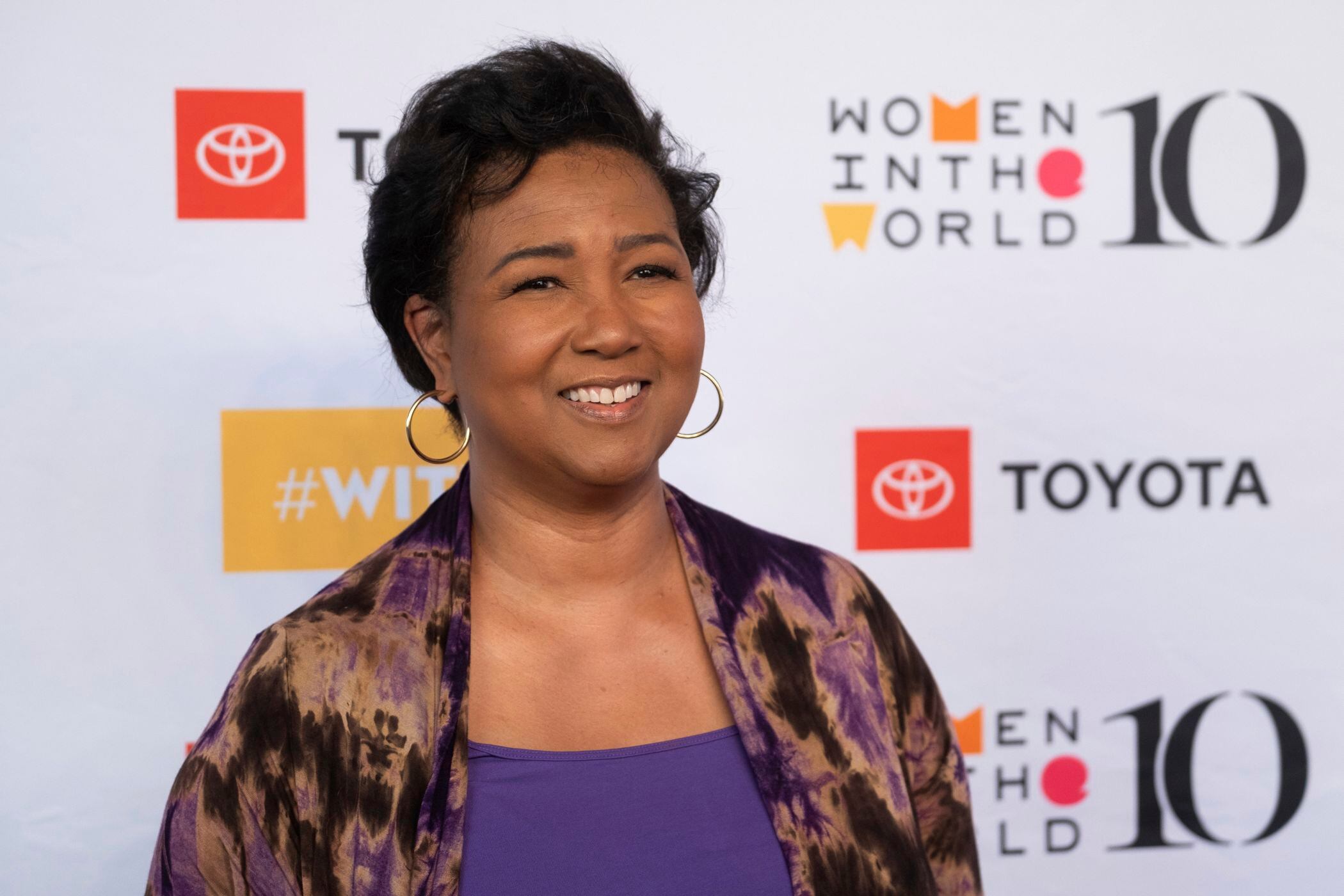
Dr. Mae Jemison, the first Black woman in space, spoke with Cheddar about how space provides the perspective of an interconnected global community.