If one amateur mathematician had his way, we might not be celebrating Pi Day on March 14th.
Way back in 1897, Edward Goodwin almost convinced the Indiana state legislature to pass the [Indiana Pi Bill](https://www.agecon.purdue.edu/crd/localgov/second%20level%20pages/indiana_pi_bill.htm), which would have legally defined the value of π as 3.2.
As Curiosity.com editor and podcast host Ashley Hamer tells it, Goodwin thought that he had solved a long standing mathematical problem.
“[Mathematicians] were trying to come up with a square that had the same area as a circle, but because you have Pi in the formula for the area of a circle, you can’t actually do that,” she said. “It would mean that one of the sides would have an irrational number.”
Convinced he had the answer, Goodwin helped introduce legislation that eventually passed the Indiana House with a 67-0 vote. But the bill was stopped when it got to the State Senate.
“The Senate realized that you can’t actually make laws defining mathematical truths,” Hamer told Cheddar. “It’d be sort of like making a law saying the Earth is flat. There’s no real reason to even make that law, because that’s not really their responsibility.”
For the full interview, [click here](https://cheddar.com/videos/everything-youll-ever-need-to-know-about-pi-2).
A panel of U.S. health advisers has endorsed booster doses of Johnson & Johnson’s single-shot COVID-19 vaccine.
A panel of U.S. health advisers has endorsed booster shots for Moderna's COVID-19 vaccine.
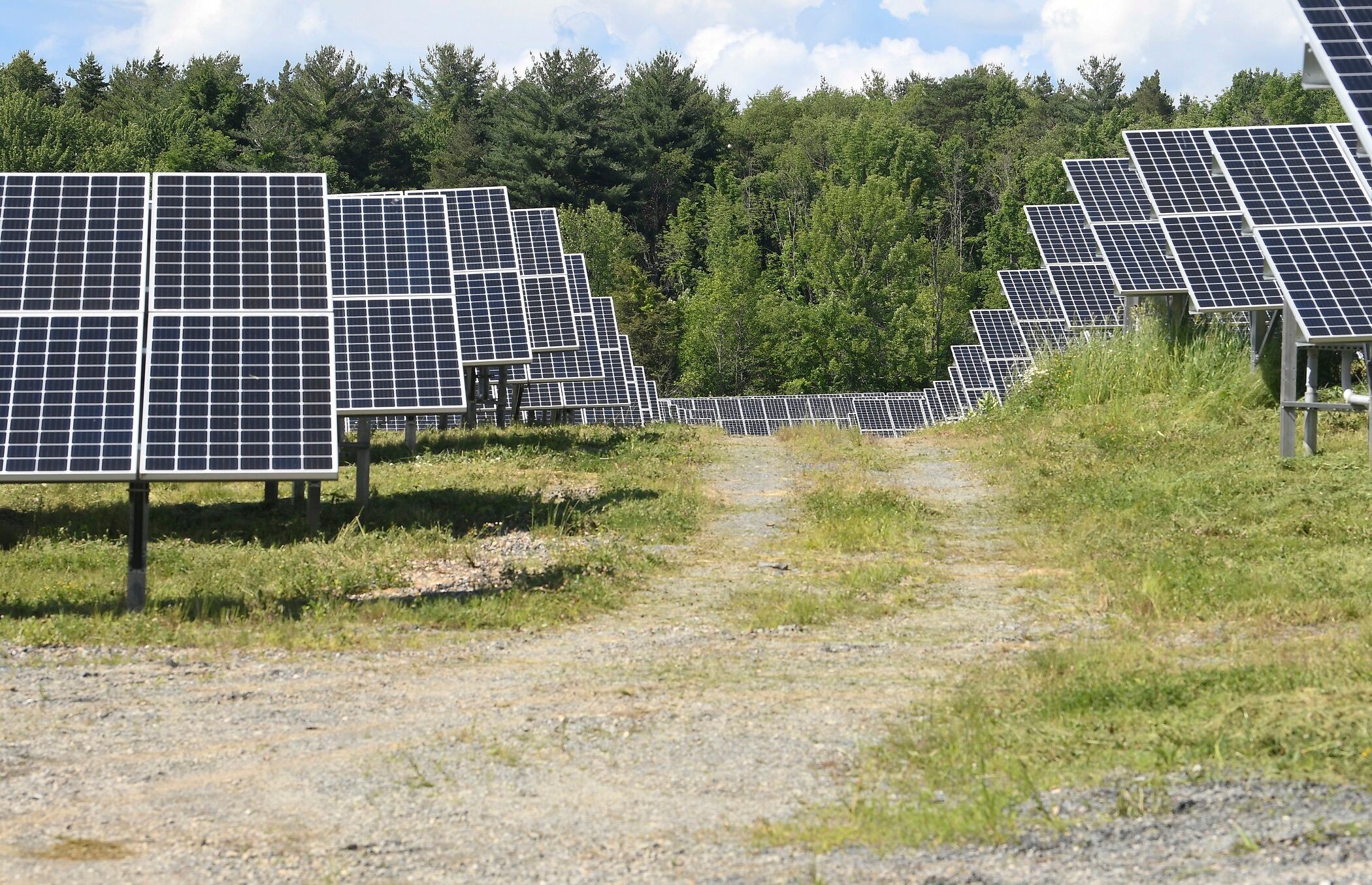
The shift from China to the U.S. has convinced some long-time bitcoin miners that renewable energy and crypto mining may actually be a better match for each other than expected.
Colorado wildlife officials say an elusive elk that has been wandering the hills with a car tire around its neck for at least two years has finally been freed of the obstruction.
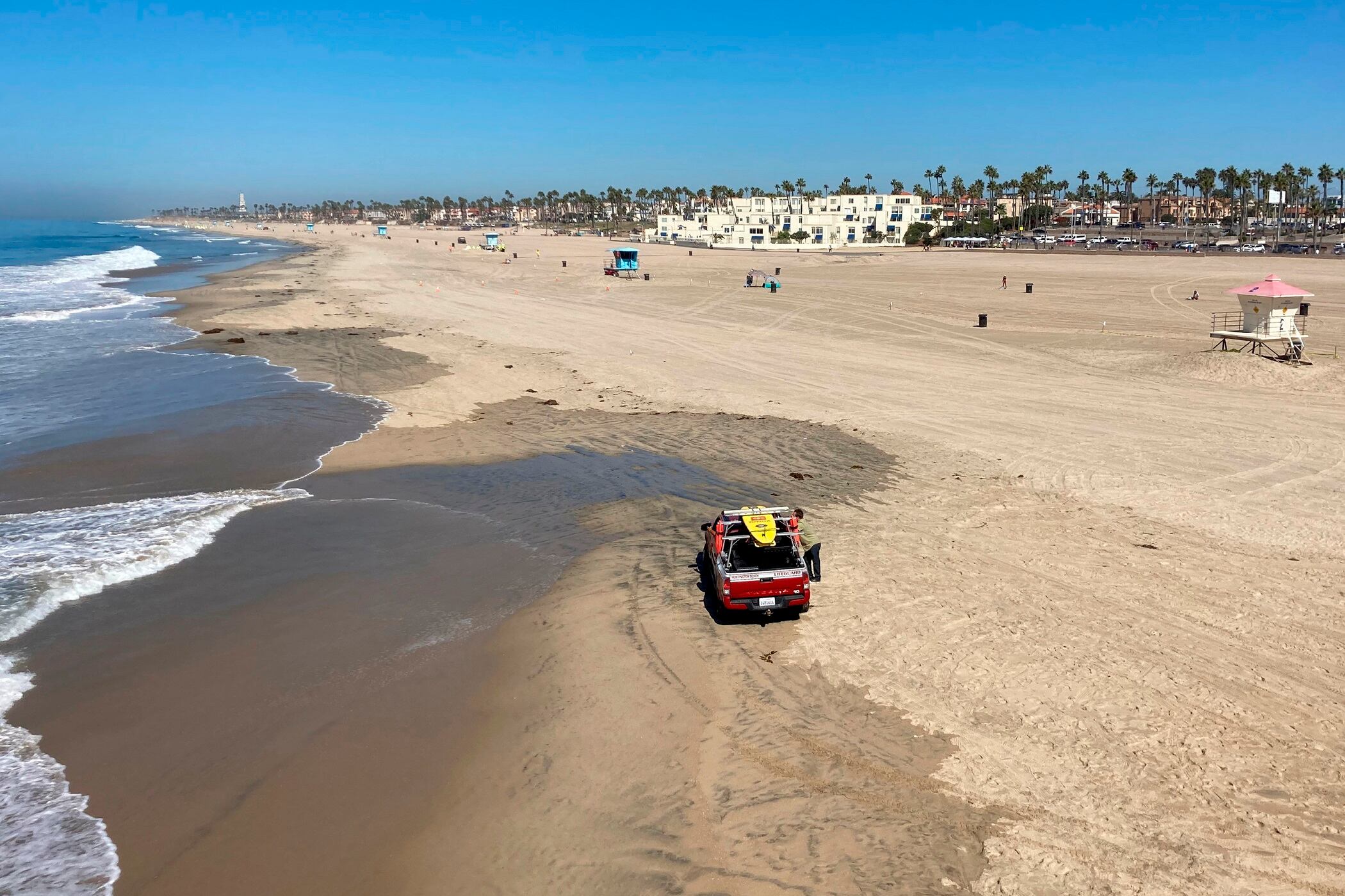
A popular Southern California beach that was closed for more than a week after an undersea pipeline leaked crude into ocean waters has reopened and it happened far sooner than many expected.
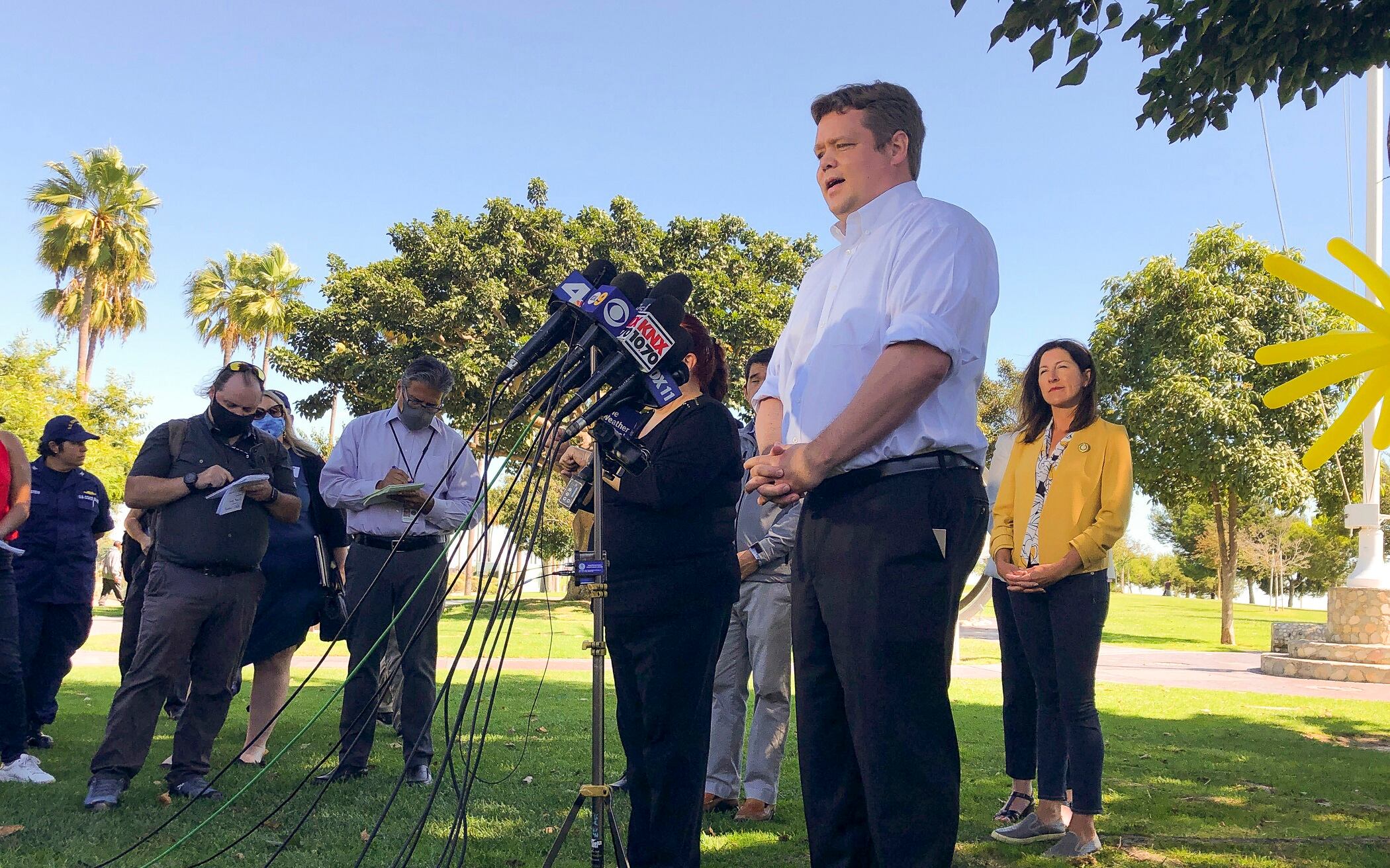
Amplify Energy’s emergency response plan for a major oil spill like the one unfolding in coastal Southern California depended heavily on a quick shutdown of its pipeline if sensors pick up a sudden loss of pressure.
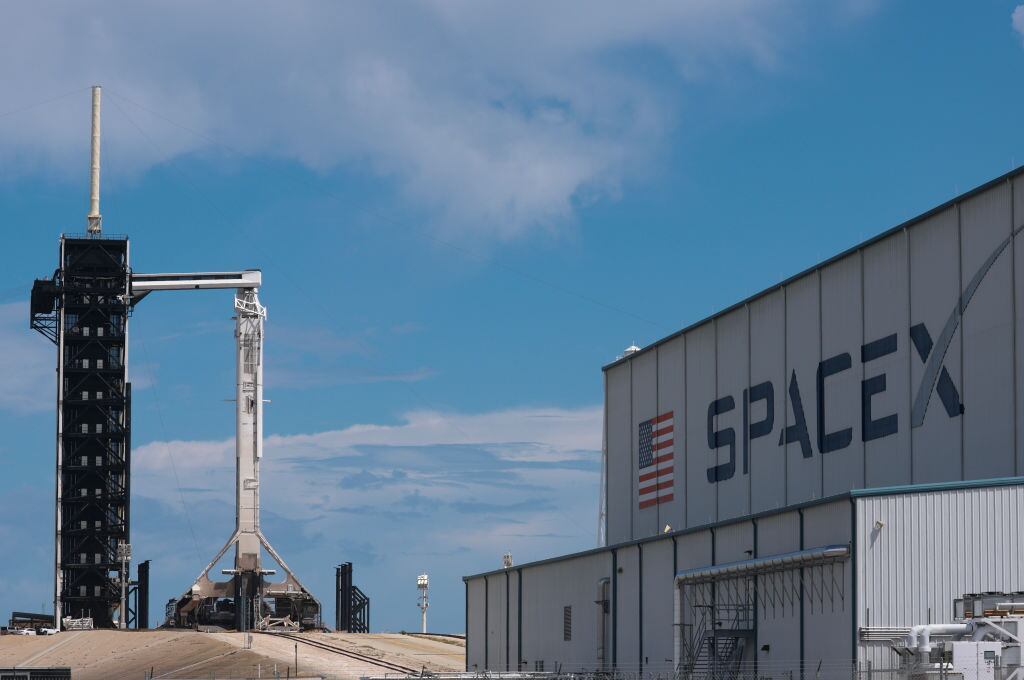
A Russian actor and a film director have rocketed into space to make the world’s first movie in orbit.
Drugmaker Merck said Friday that its experimental COVID-19 pill reduced hospitalizations and deaths by half in people recently infected with the coronavirus and that it would soon ask health officials in the U.S. and around the world to authorize its use.
Video-sharing tech platform YouTube on Wednesday announced immediate bans on false claims that vaccines are dangerous and cause health issues like autism, cancer or infertility.
Alex Bell, a Post-Doctoral Scholar at UCLA, joins 'Cheddar Reveals' to discuss how exposure to innovation influences who becomes an inventor and how much genius has been lost over the years.