If one amateur mathematician had his way, we might not be celebrating Pi Day on March 14th.
Way back in 1897, Edward Goodwin almost convinced the Indiana state legislature to pass the [Indiana Pi Bill](https://www.agecon.purdue.edu/crd/localgov/second%20level%20pages/indiana_pi_bill.htm), which would have legally defined the value of π as 3.2.
As Curiosity.com editor and podcast host Ashley Hamer tells it, Goodwin thought that he had solved a long standing mathematical problem.
“[Mathematicians] were trying to come up with a square that had the same area as a circle, but because you have Pi in the formula for the area of a circle, you can’t actually do that,” she said. “It would mean that one of the sides would have an irrational number.”
Convinced he had the answer, Goodwin helped introduce legislation that eventually passed the Indiana House with a 67-0 vote. But the bill was stopped when it got to the State Senate.
“The Senate realized that you can’t actually make laws defining mathematical truths,” Hamer told Cheddar. “It’d be sort of like making a law saying the Earth is flat. There’s no real reason to even make that law, because that’s not really their responsibility.”
For the full interview, [click here](https://cheddar.com/videos/everything-youll-ever-need-to-know-about-pi-2).
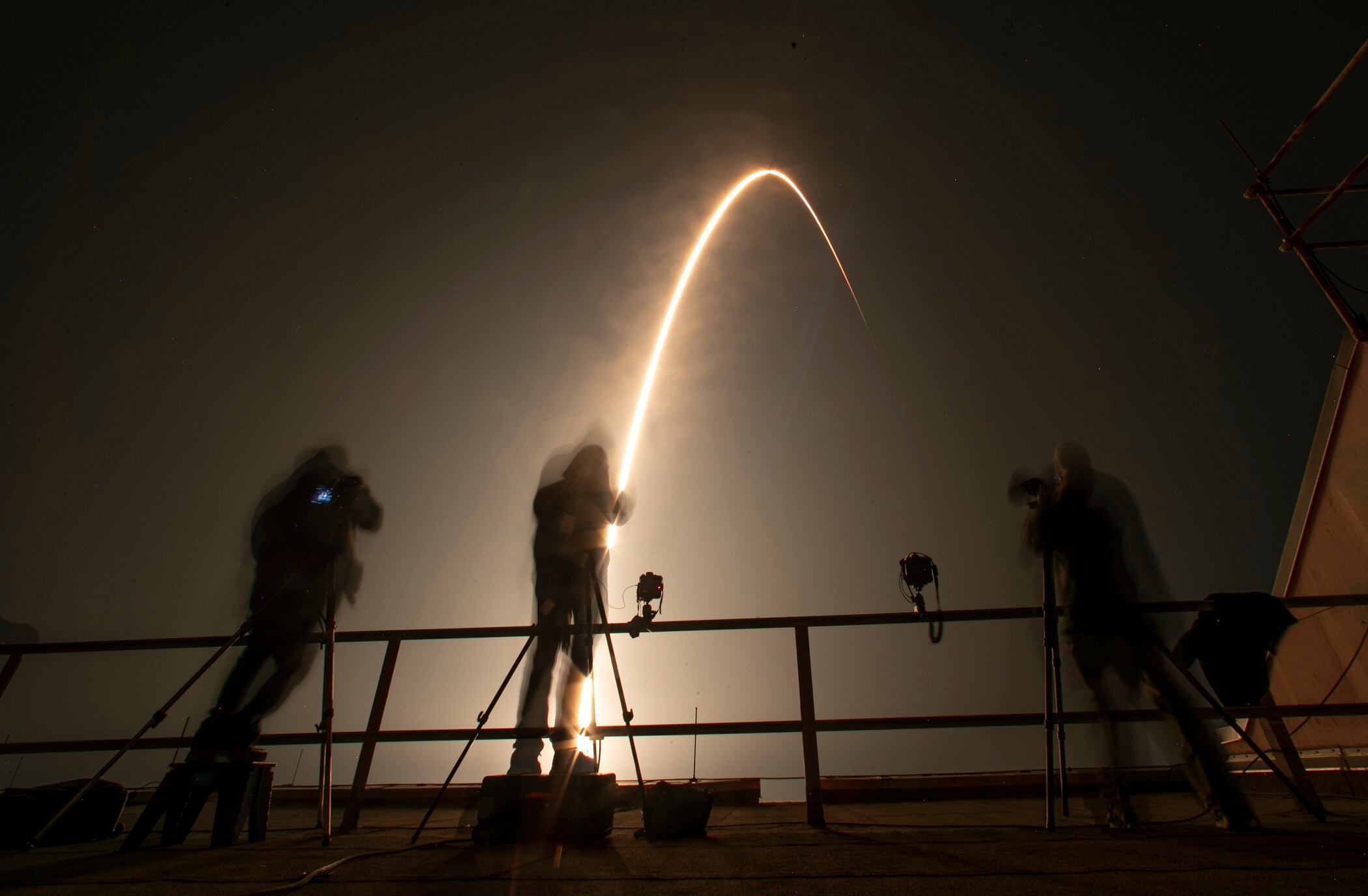
NASA’s newest X-ray observatory is circling the world after launching from Kennedy Space Center.
In the spirit of the holidays, Cheddar presents the 12 days of the top terms of 2021.
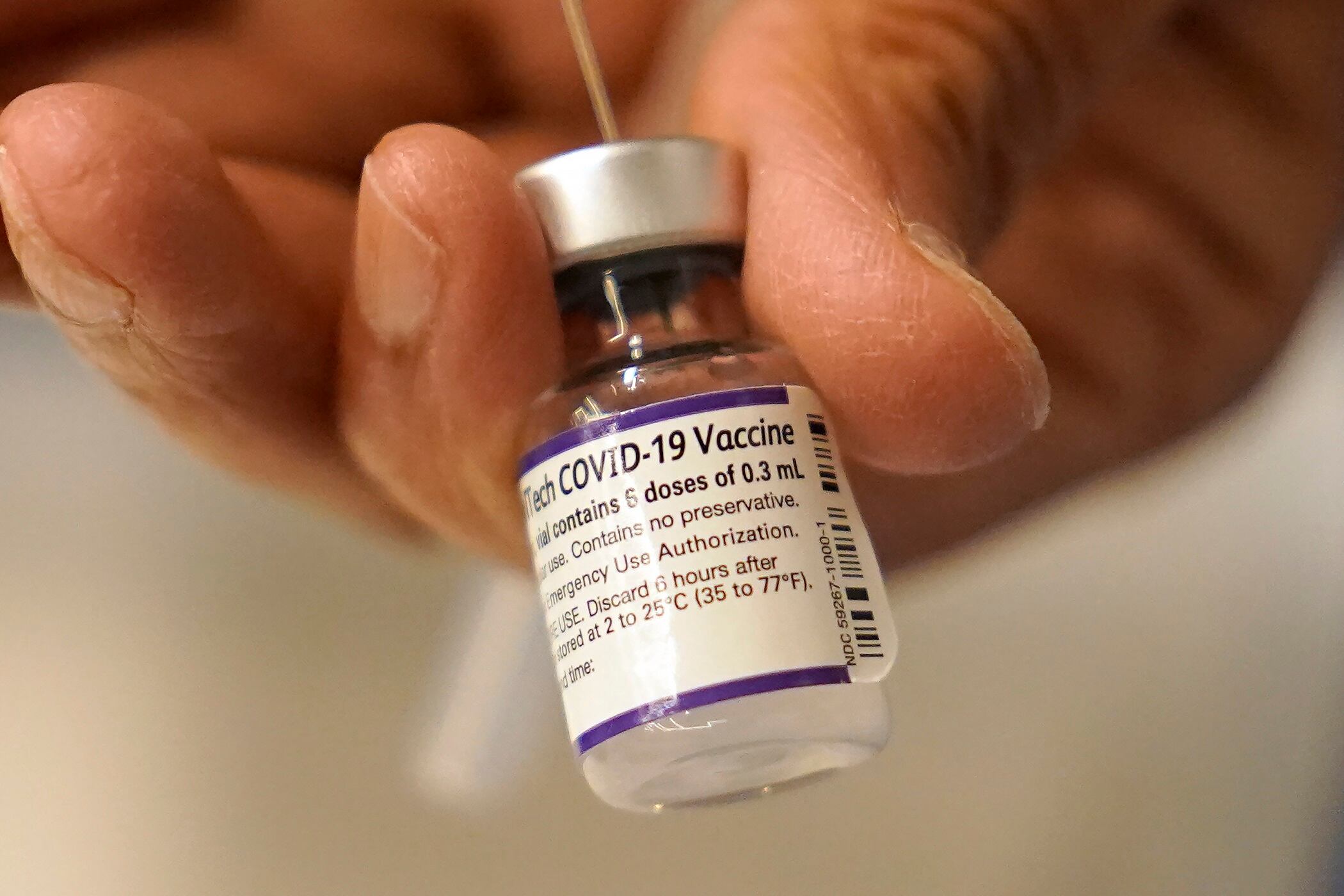
Pfizer says a booster dose of its COVID-19 vaccine appears to offer important protection against the new omicron variant.
A Japanese billionaire and his producer rocketed to space on Wednesday and reached the International Space Station several hours later.
Hawaii Flooding, Beijing Boycott & Disrupting Death
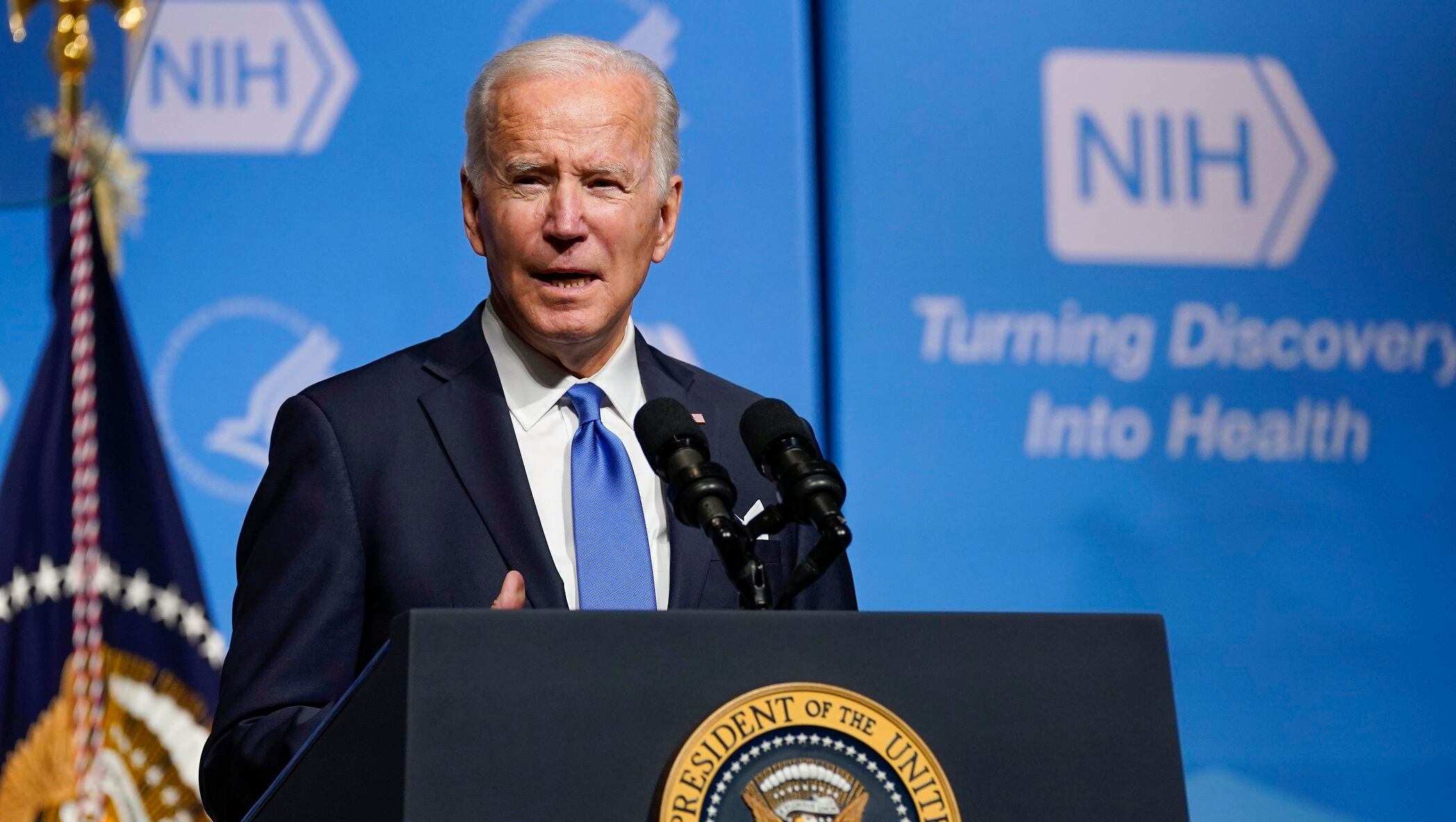
With rising numbers of COVID-19 cases predicted this winter, President Joe Biden is appealing for Americans to get their boosters and get behind his plan to tackle the new omicron variant through wider availability of vaccines and shots.
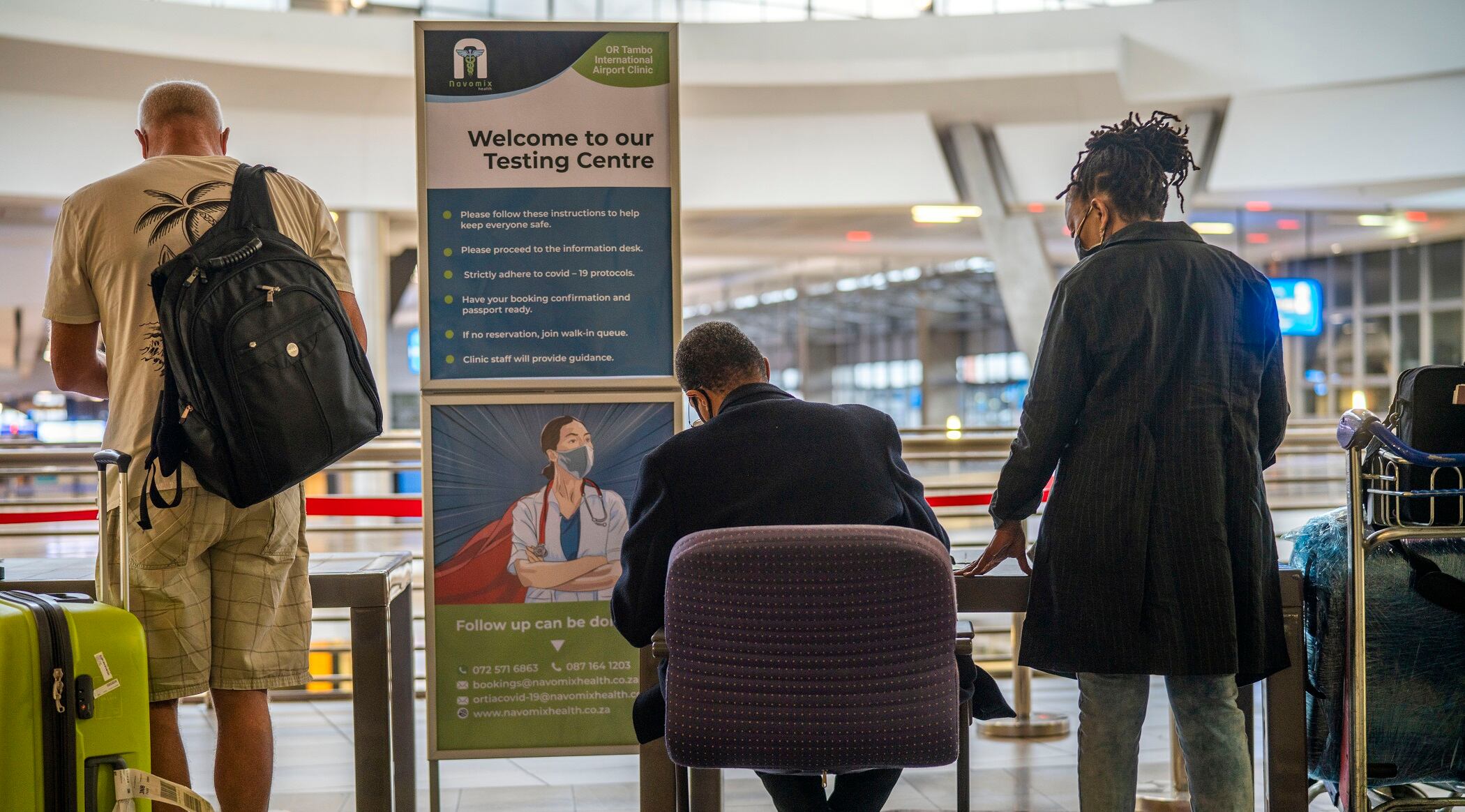
The U.S. identified its first known case of the omicron variant Wednesday — in a vaccinated traveler returning to California from South Africa — as scientists around the world raced to establish whether the new, mutant version of the coronavirus is more dangerous than the previous ones.
A person in California has become the first in the U.S. to have an identified case of the omicron variant of COVID-19.
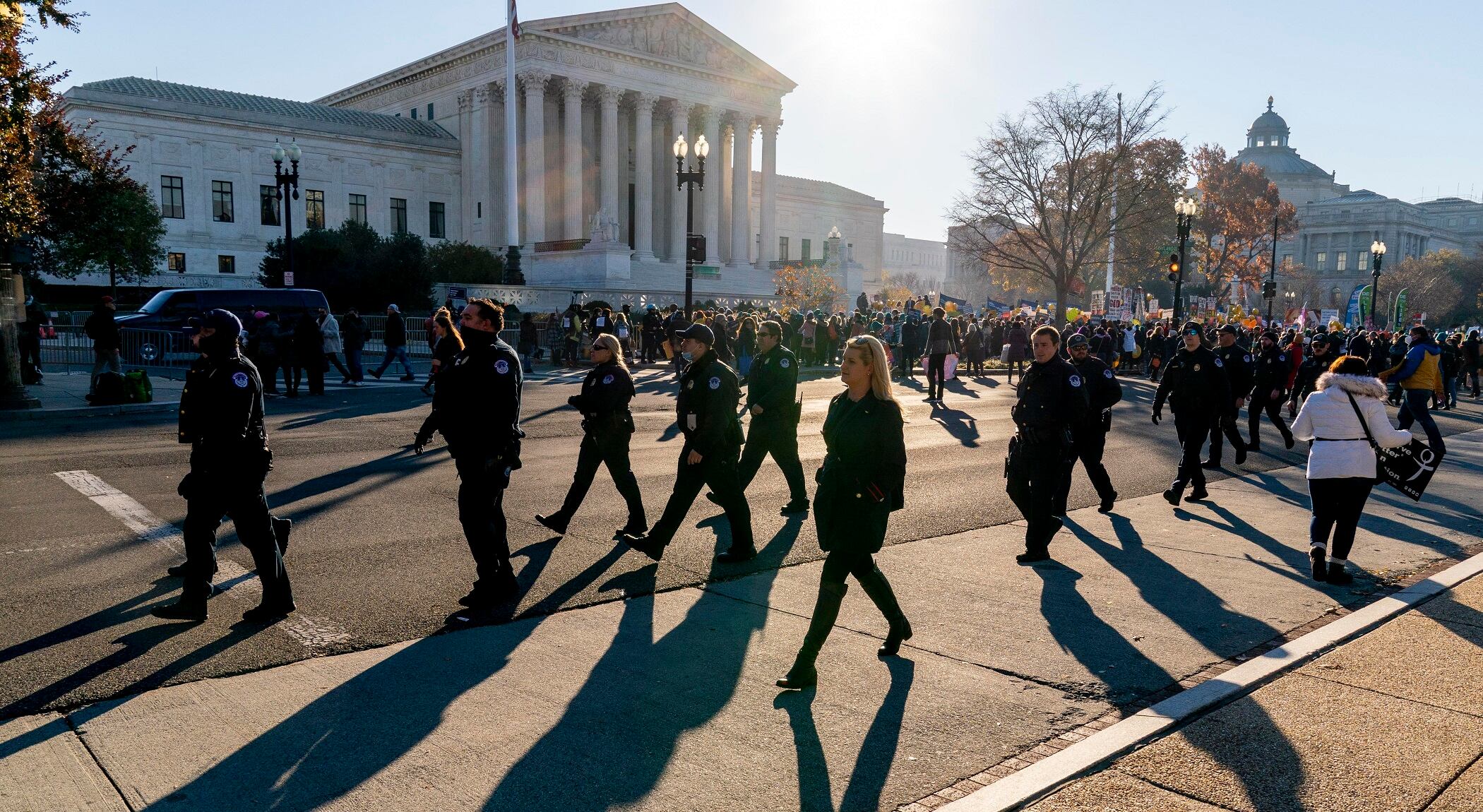
The Supreme Court’s conservative majority is signaling it will uphold Mississippi’s 15-week ban on abortion — and may go much further to overturn the nationwide right to abortion that has existed for nearly 50 years.
The world is confronting a new coronavirus variant, and officials have named it “omicron." A World Health Organization panel has classified it as a highly transmissible virus of concern.