That Time Indiana Almost Changed the Value of Pi...
If one amateur mathematician had his way, we might not be celebrating Pi Day on March 14th.
Way back in 1897, Edward Goodwin almost convinced the Indiana state legislature to pass the [Indiana Pi Bill](https://www.agecon.purdue.edu/crd/localgov/second%20level%20pages/indiana_pi_bill.htm), which would have legally defined the value of π as 3.2.
As Curiosity.com editor and podcast host Ashley Hamer tells it, Goodwin thought that he had solved a long standing mathematical problem.
“[Mathematicians] were trying to come up with a square that had the same area as a circle, but because you have Pi in the formula for the area of a circle, you can’t actually do that,” she said. “It would mean that one of the sides would have an irrational number.”
Convinced he had the answer, Goodwin helped introduce legislation that eventually passed the Indiana House with a 67-0 vote. But the bill was stopped when it got to the State Senate.
“The Senate realized that you can’t actually make laws defining mathematical truths,” Hamer told Cheddar. “It’d be sort of like making a law saying the Earth is flat. There’s no real reason to even make that law, because that’s not really their responsibility.”
For the full interview, [click here](https://cheddar.com/videos/everything-youll-ever-need-to-know-about-pi-2).
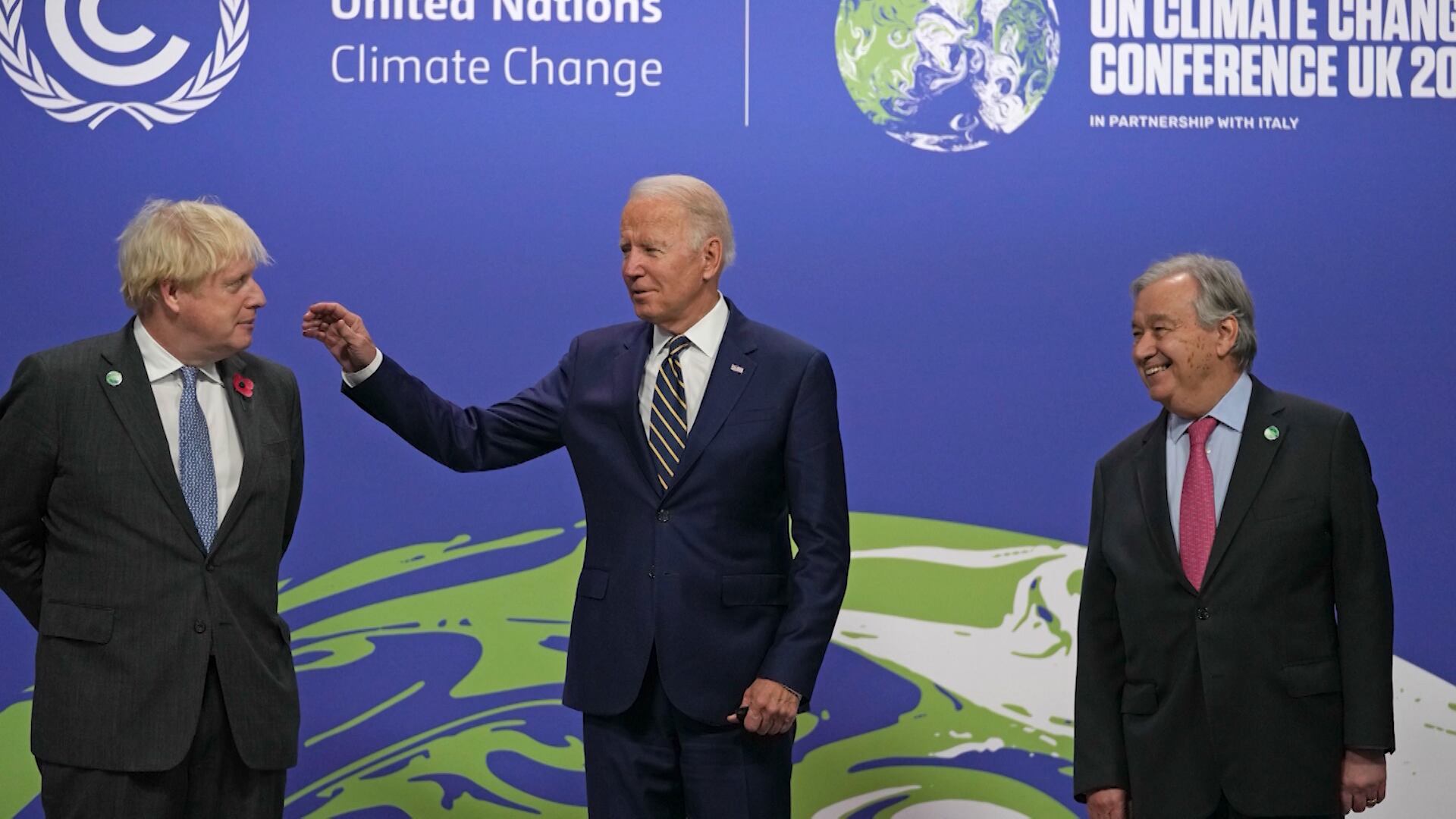
With COP26 kicking off, roughly 120 world leaders and delegates are in Glasgow, Scotland to hold climate talks this week. As experts continue to warn about the dangers of climate change, ESG investing is more important than ever.
Georges Archibald, Head of Apex Americas at Apex Group joined Cheddar's Opening Bell to discuss.
Roughly 20,000 heads of state, diplomats, and activists will gather in person starting Oct. 31 to address the threat of climate change. The summit, known as COP26, is seen as a crucial step in getting the crisis under control as scientists warn global warming is only getting worse. Carroll Muffett, President and CEO of the Center for International Environmental Law, joined Cheddar to explain the goals of COP26 and why it's so crucial for the world leaders to step up and make new, aggressive climate commitments.
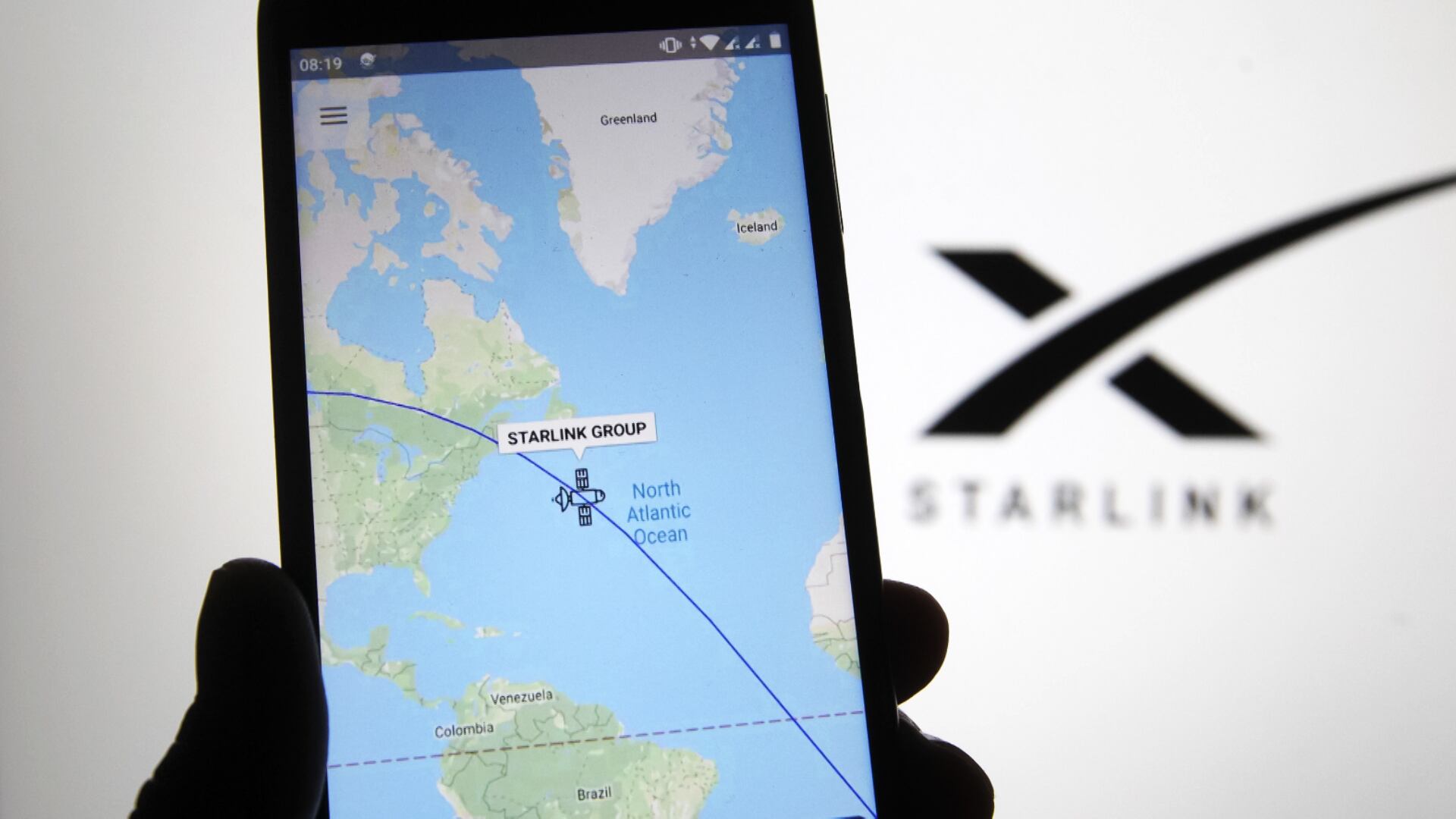
Amazon plans to launch its first prototype satellites for Project Kuiper, an internet-from-space venture, in 2022. It's the first major step in the e-commerce giant's plan to rival SpaceX by building a network of satellites in space, providing internet to rural, underserved communities around the world. Loren Grush, senior science reporter for the Verge, discusses the project and how it could transform internet access moving forward.
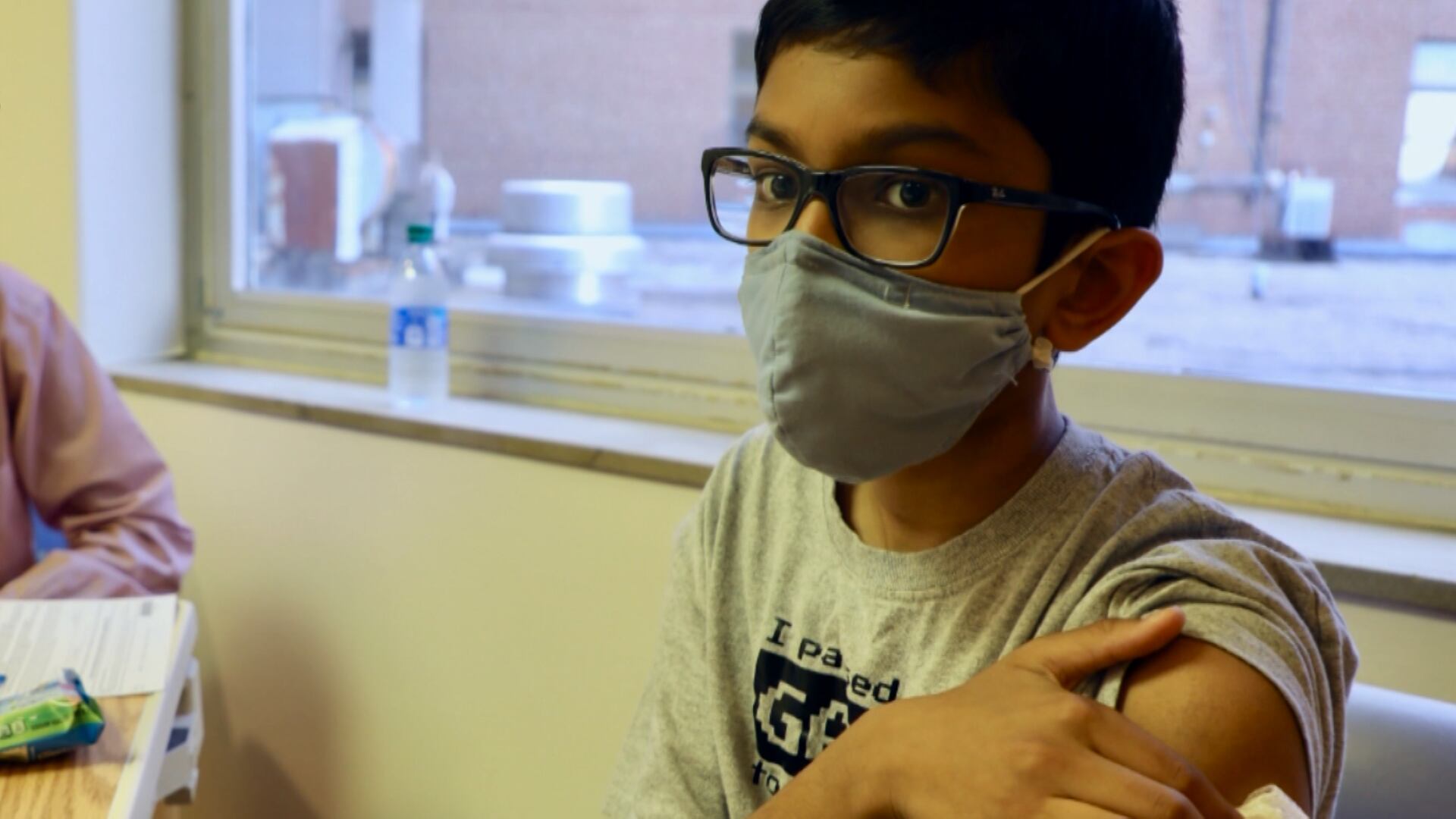
The FDA is assessing whether the Moderna vaccine can cause heart problems in adolescents. Professor Peter Pitts, founder of the Center for Medicine in the Public Interest and former FDA Associate Commissioner, discusses what the FDA is looking into and what it means for the millions of kids yet to be vaccinated.
Pfizer posted an earnings beat in its third quarter, with revenue soaring over 134% thanks to solid Covid-19 vaccine sales. Pfizer also raised its outlook for the full-year, expecting revenue to surpass $80 billion. Peter Andersen, CEO & founder of Andersen Capital Management, joined Cheddar Movers to discuss.
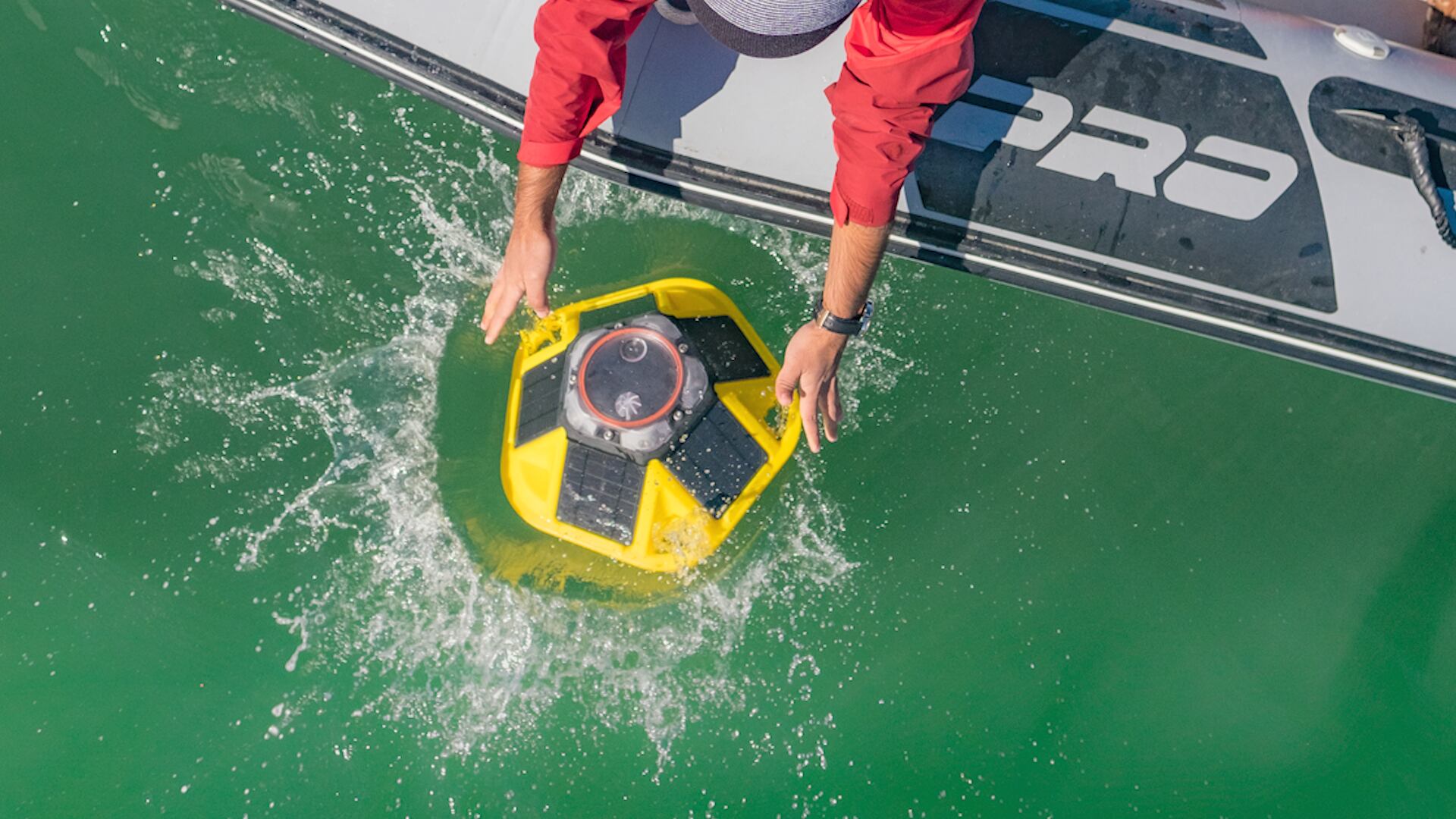
Cheddar gets a look at Curiosity Stream's 'Ancient Oceans'; Deep-sea biologist Heather Bracken-Grissom sheds light on some of the monsters that we can and cannot explain lurking in the darkness of the ocean's depths; Tim Janssen, CEO of Sofar Ocean, discusses Sofar Ocean's latest round of Series B funding, and how Sofar Ocean is helping connect all five oceans to help everything from climate change to the global shipping industry.
Tim Janssen, CEO of Sofar Ocean, joins 'Cheddar Reveals' to discuss Sofar Ocean's latest round of Series B funding, and how Sofar Ocean is helping connect all five oceans to help everything from climate change to the global shipping industry.
Deep-sea biologist Heather Bracken-Grissom joins 'Cheddar Reveals' to shed light on some of the monsters that we can and cannot explain lurking in the darkness of the ocean's depths.
Leaders around the world have come together to discuss plans to bring action towards the Paris Agreement along with solutions on how to solve the evolving climate change crisis at the COP26 Summit. President and CEO of Center for International Environmental Law Carroll Muffett, joined Cheddar to discuss more.