Texas abortion providers on Friday conceded a final blow to their best hope of stopping the nation's most restrictive abortion law after a new ruling ended what little path forward the U.S. Supreme Court had left for clinics.
The decision by the Texas Supreme Court, which is entirely controlled by Republicans, spelled the coming end to a federal lawsuit that abortion clinics filed even before the restrictions took effect in September, but were then rejected at nearly every turn afterward.
“There is nothing left, this case is effectively over with respect to our challenge to the abortion ban,” said Marc Hearron, attorney for the Center for Reproductive Rights, which led the challenge against the Texas law known as Senate Bill 8.
Although Texas abortion clinics are not dropping the lawsuit, they now expect it will be dismissed in the coming weeks or months.
The Texas law bans abortion after roughly six weeks of pregnancy and makes no exceptions in cases of rape or incest. Abortions in Texas have plummeted by more than 50% since the law took effect.
It is likely to further embolden other Republican-controlled states that are now pressing forward with similar laws, including neighboring Oklahoma, where many Texas women have crossed state lines to get an abortion for the past six months. The Republican-controlled Oklahoma Senate on Thursday approved a half-dozen anti-abortion measures, including a Texas-style ban.
The decision by the Texas Supreme Court turned on whether medical licensing officials had an enforcement role under the law known as Senate Bill 8, and therefore, could be sued by clinics that are reaching for any possible way to halt the restrictions.
But writing for the court, Justice Jeffrey Boyd said those state officials have no enforcement authority, “either directly or indirectly."
The U.S. Supreme Court has signaled in a separate case out of Mississippi that it would roll back abortion rights, and possibly overturn its landmark Roe v. Wade decision, in a ruling that is expected later this year.
The number of monthly abortions in Texas fell by more than 50% in the two months after the law took effect, according to state health figures. But that data only tells part of the story, and researchers say the number of Texas women who are going online to get abortion pills by mail has risen sharply.
While people have been spending more time on their phones throughout the pandemic, a new report shows they were also spending more money as well. A review from Sensor Tower on the global app ecosystem this year found that the app economy will see record consumer spending in 2021, up nearly 20% from 2020. Sensor Tower director of sales and financial institutions Anthony Bartolacci joins Cheddar News' Closing Bell to break down the report.
The future of gambling in Florida recently suffered a major setback after a federal appeals court rejected a request from the state and the Seminole Tribe to allow online sports betting in the state. Now, the tribe has been forced to stop taking bets on its Hard Rock sportsbook app. ESPN gaming writer David Purdum joins Cheddar News' Closing Bell to discuss what this could mean for the future of sports betting in Florida.
Web3 software startup Thirdweb has raised $5 million in a funding round, coming from a group of high-profile investors, including Gary Vaynerchuk and Mark Cuban. Thirdweb says it is paving the way for the revolution surrounding the new iteration of the internet known as web3, by offering users free tools to build their own web3 projects. Thirdweb's co-founders Steven Bartlett and Furqan Rydhan join Cheddar News' Closing Bell to discuss.
Decentralized talent network Braintrust recently closed an atypical equity deal that involved investors buying $100 million in Braintrust tokens, the company's cryptocurrency. Braintrust's talent network is built on blockchain technology, which the company says allows it to be owned and built by users, instead of a centrally-controlled corporation. Braintrust users can also earn tokens for their contributions to the network and its growth. Braintrust co-founder Adam Jackson joins Cheddar News' Closing Bell to discuss.
Time magazine has unveiled SpaceX and Tesla CEO Elon Musk as Person of the Year for 2021. Jeffrey Kluger, editor at large for Time, told Cheddar that Musk's impact on so many facets of forward-looking industries like crypto, solar power, electric vehicles, and especially his work on space travel were the reasons behind the selection. "On balance, Musk is performing on so many levels and in so many venues that it was hard not to consider him our Person of the Year," he said. Kluger also noted that the choice is based upon the influence the subject has had, whether good or bad and is not a judgment on its own.
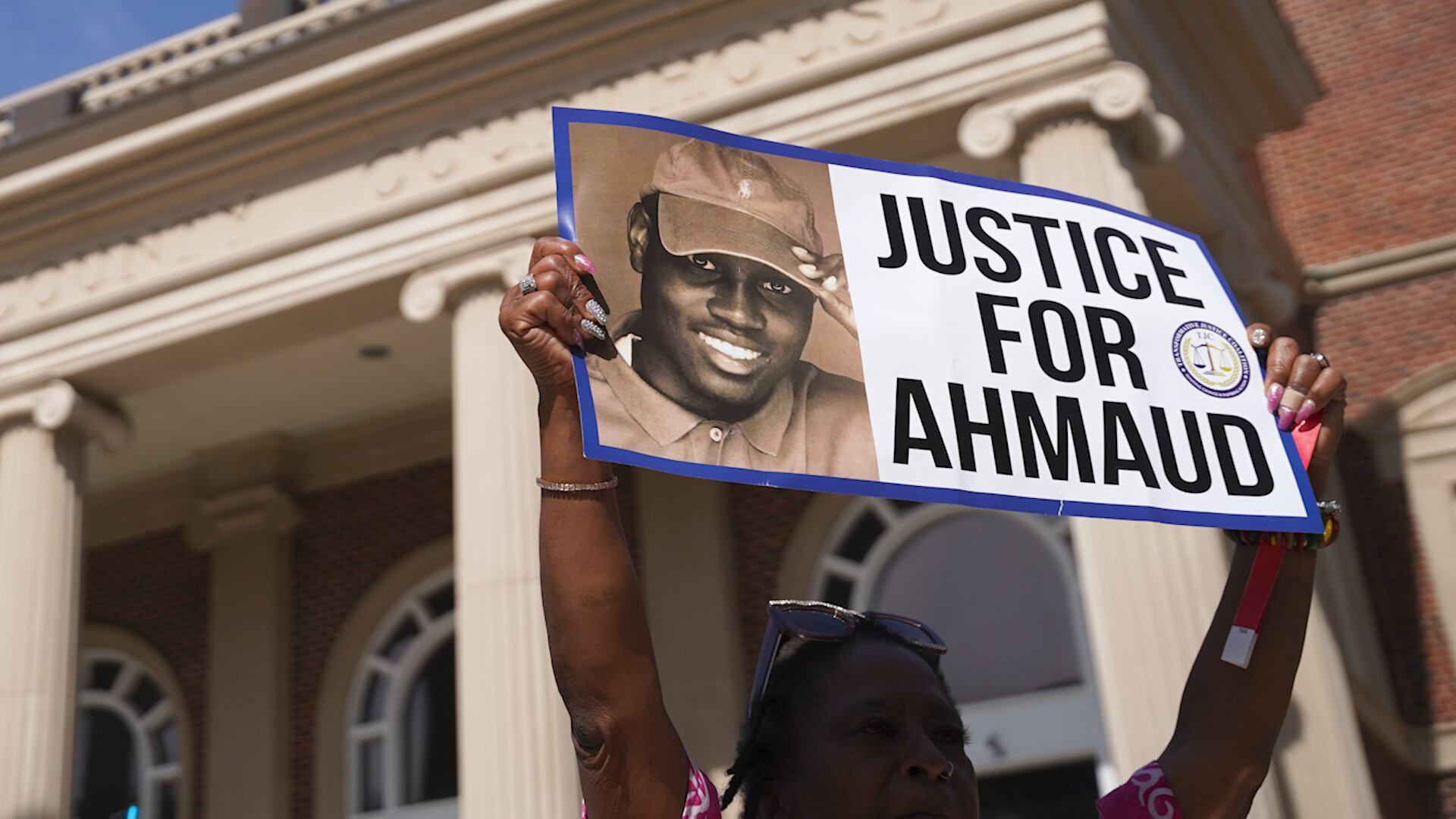
The recent verdicts of the Kyle Rittenhouse and Ahmaud Arbery murder trials have put a spotlight on the country's justice system. Experts have pointed to the explicit racial undertones in the high-profile trials, as well as the increased levels of stress that may be felt by communities of color because of the prevalence of these trials. Kailee Scales, CEO of Pencils of Promise and former first managing director of Black Lives Matter Global Network Foundation, joins Cheddar News to discuss.
Gold Medal ski racer Bode Miller and John Emery, CEO of Alpine-X, discuss the need to make snowsports more affordable and how the new facility in Virginia aims to diversify the sport to urban areas.
Carlos Munoz, Head of Asset Manager Diversity, Equity & Inclusion Engagement at Morgan Stanley Wealth Management, discusses how 'The Equity Collective' is helping to diversify the financial services industry and what the initiative means for racial equity.