Texas abortion providers on Friday conceded a final blow to their best hope of stopping the nation's most restrictive abortion law after a new ruling ended what little path forward the U.S. Supreme Court had left for clinics.
The decision by the Texas Supreme Court, which is entirely controlled by Republicans, spelled the coming end to a federal lawsuit that abortion clinics filed even before the restrictions took effect in September, but were then rejected at nearly every turn afterward.
“There is nothing left, this case is effectively over with respect to our challenge to the abortion ban,” said Marc Hearron, attorney for the Center for Reproductive Rights, which led the challenge against the Texas law known as Senate Bill 8.
Although Texas abortion clinics are not dropping the lawsuit, they now expect it will be dismissed in the coming weeks or months.
The Texas law bans abortion after roughly six weeks of pregnancy and makes no exceptions in cases of rape or incest. Abortions in Texas have plummeted by more than 50% since the law took effect.
It is likely to further embolden other Republican-controlled states that are now pressing forward with similar laws, including neighboring Oklahoma, where many Texas women have crossed state lines to get an abortion for the past six months. The Republican-controlled Oklahoma Senate on Thursday approved a half-dozen anti-abortion measures, including a Texas-style ban.
The decision by the Texas Supreme Court turned on whether medical licensing officials had an enforcement role under the law known as Senate Bill 8, and therefore, could be sued by clinics that are reaching for any possible way to halt the restrictions.
But writing for the court, Justice Jeffrey Boyd said those state officials have no enforcement authority, “either directly or indirectly."
The U.S. Supreme Court has signaled in a separate case out of Mississippi that it would roll back abortion rights, and possibly overturn its landmark Roe v. Wade decision, in a ruling that is expected later this year.
The number of monthly abortions in Texas fell by more than 50% in the two months after the law took effect, according to state health figures. But that data only tells part of the story, and researchers say the number of Texas women who are going online to get abortion pills by mail has risen sharply.
Although this week's weather is predicted to be less severe than the 2021 storm, Texans are preparing for the worst - stocking up on supplies and emptying shelves in grocery stores, once again. Some Texans still have not recovered from last year's tragedy, and are heading into the next few weeks with anxiety for what's to come. Leslie Beyer, CEO of the Houston-based energy workforce & technology council, joins Cheddar News to discuss if the Texas grid will fail again.
Student loan debt continues to be a major concern for tens of millions of Americans who collectively owe about $1.7 trillion. Black college students often take on larger amounts of student debt in order to pay for a higher education. In turn, they are more likely to struggle post-graduation with repaying their debt, creating a racial wealth gap divide. Andre Perry, senior fellow at Brookings Institution joined All Hands to help break down the black student debt crisis.
BTS’ hit single “Butter” tops the zeitgeist again, bumping back up to number one on Billboard’s Hot Trending Chart. The chart tracks what songs people are talking about rather than what they're listening to.
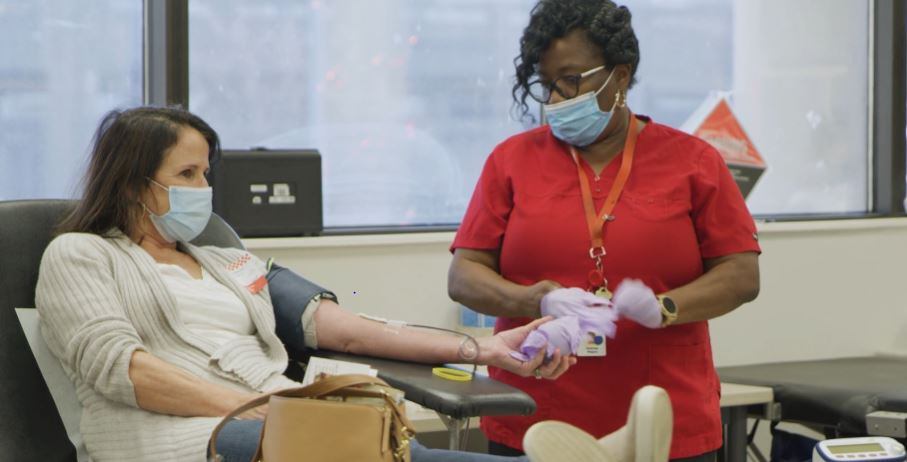
The American Red Cross has declared its first-ever "national blood crisis" in the United States. Since COVID hit the U.S. in March 2020, blood donations have declined by 10 percent. American Red Cross Medical Director, Dr. Baia Lasky joined Cheddar News to discuss the country facing the worst blood shortage in over a decade. Dr. Lasky noted that as much as 40 percent of Americans are eligible to donate blood but only about 4 percent do so. "This is going to be ongoing," she said. "This is not an acute shortage. We really do need the commitment of people to come out and donate and donate again." Appointments to donate can be made by using the Red Cross Donor App, at RedCrossBlood.org, or calling 1-800-RED CROSS (1-800-733-2767).
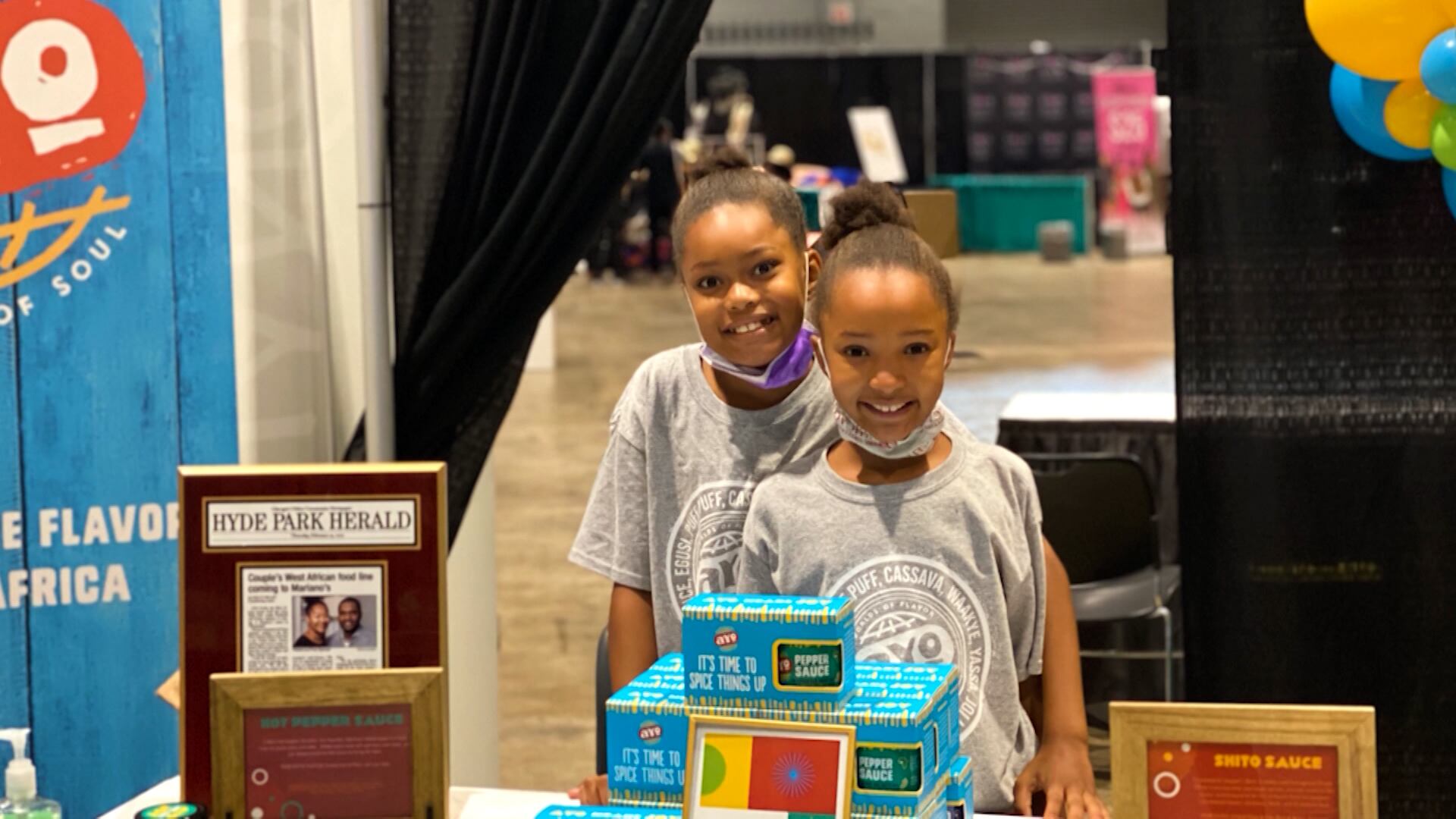
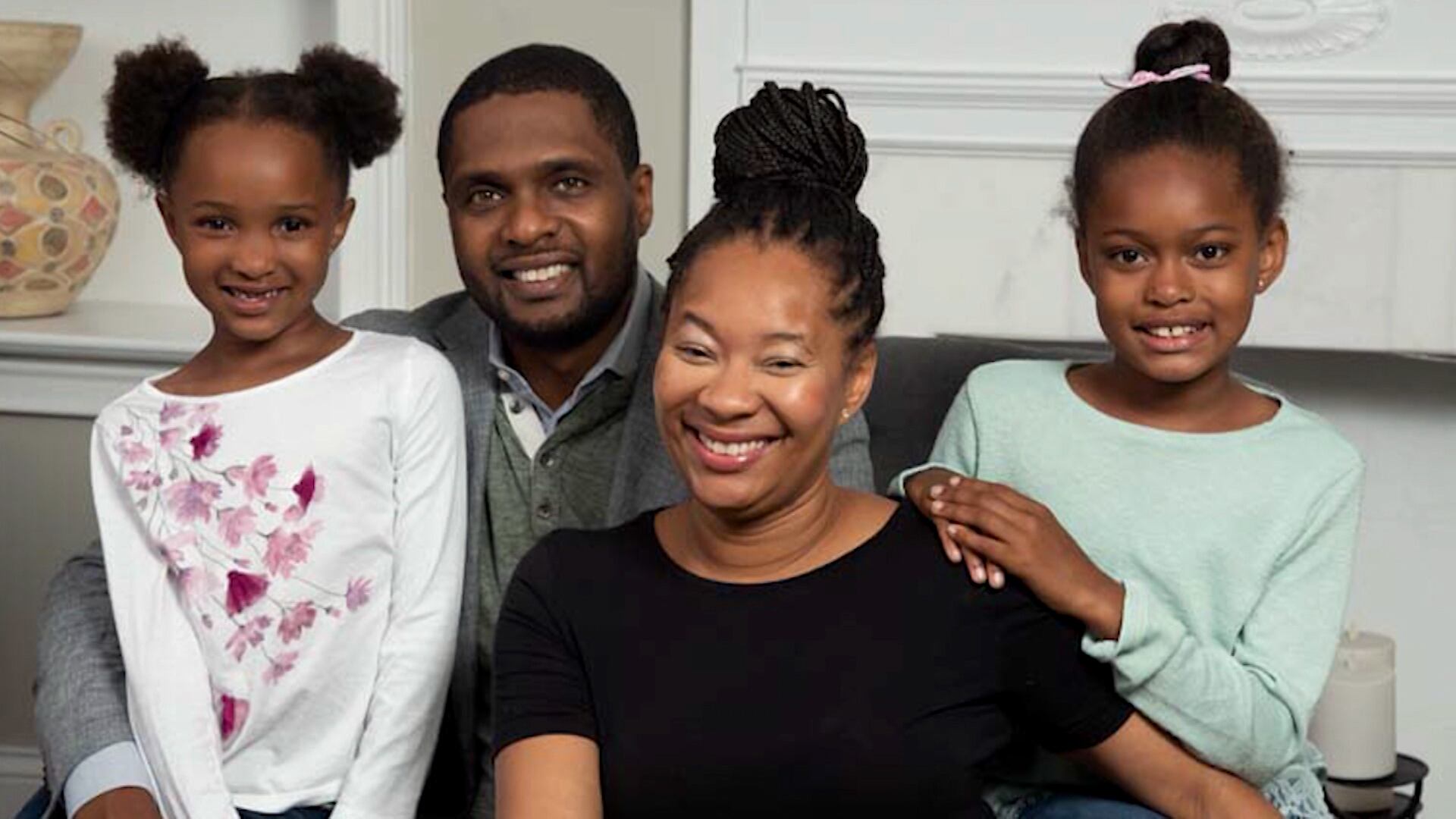
On this episode of ChedHER: Co-Founder of VC firm CaJE breaks down how she's creating a new era of venture capital and empowering Black women with 'soil' funding to start and grow their businesses; AYO Foods Co-Founder discusses how the brand is bringing West African cuisine to the frozen food industry and building a grocery aisle her daughters can be proud of; Chief Marketing & Customer Experience Officer at Chase Auto talks her experience being a woman of color in the auto industry, and why transportation is so important to financial freedom.
Renée Horne, chief marketing and customer experience officer at Chase Auto, joins ChedHER to discuss her experience being a woman of color in the auto industry and why transportation is so important to financial freedom.
Perteet Spencer, Co-Founder of AYO Foods, joins ChedHER to discuss how the brand is bringing West African cuisine to the frozen food industry and building a grocery aisle her daughters can be proud of.