By Paul J. Webber
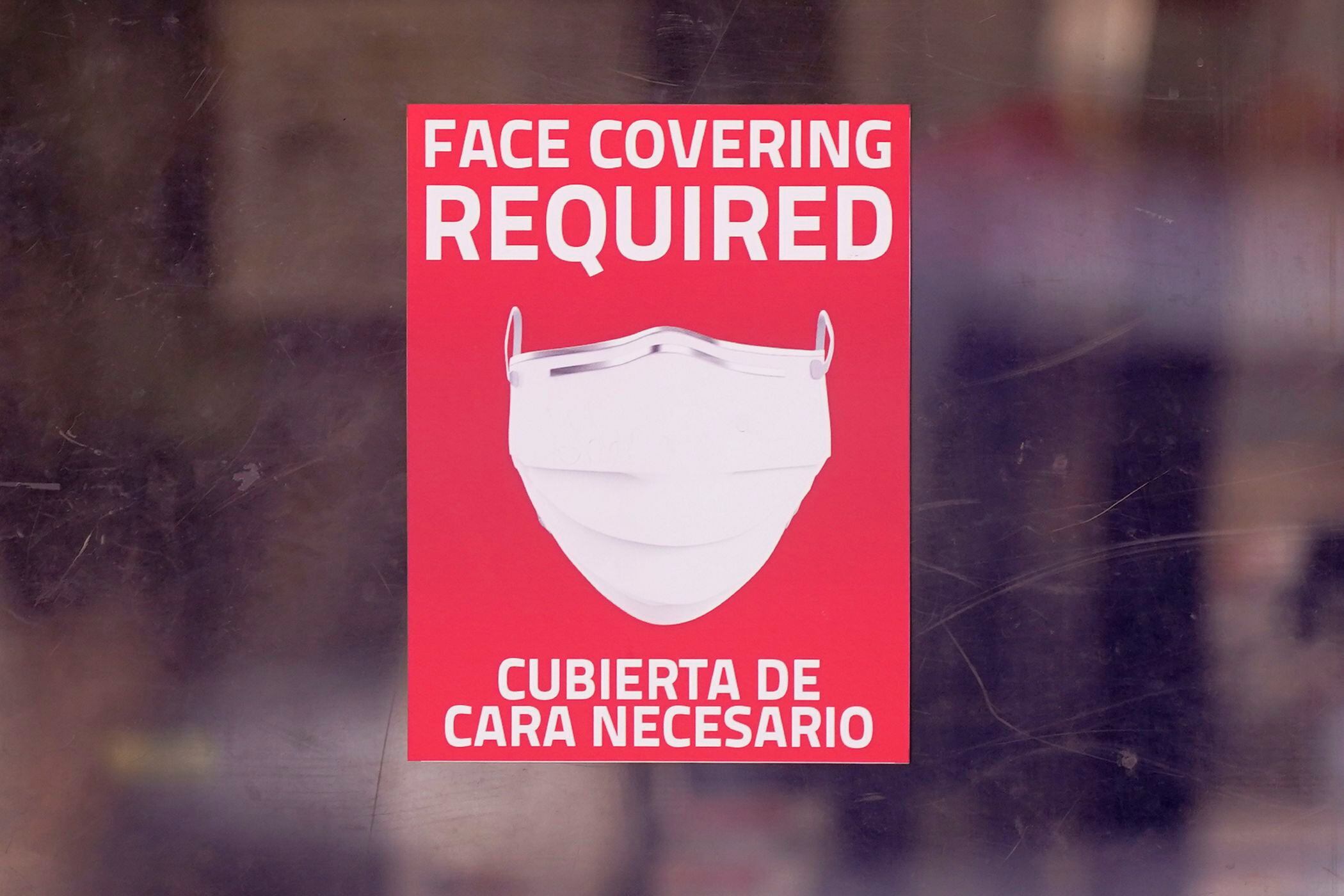
Texas is lifting its mask mandate, Gov. Greg Abbott said Tuesday, making it the largest state to end an order intended to prevent the spread of the coronavirus that has killed more than 42,000 Texans.
The Republican governor has faced sharp criticism from his party over the mandate, which was imposed eight months ago, as well as other COVID-19 restrictions on businesses that Texas will also scuttle starting next week. The mask order was only ever lightly enforced, even during the worst outbreaks of the pandemic.
The repealed rules include doing away with limits on the number of diners or customers allowed indoors, said Abbott, who made the announcement at a restaurant in Lubbock. He said the new rules would take effect March 10, although leaders in Houston and other big Texas cities were already reacting with alarm.
“Removing statewide mandates does not end personal responsibility,” said Abbott, speaking from the crowded dining room where many of those surrounding him were not wearing masks.
“It’s just that now state mandates are no longer needed,” he said.
The decision comes as governors across the U.S. have been easing coronavirus restrictions, despite warnings from health experts that the pandemic is far from over. Like the rest of the country, Texas has seen the number of cases and deaths plunge. Hospitalizations are at the lowest levels since October, and the seven-day rolling average of positive tests has dropped to about 7,600 cases, down from more than 10,000 in mid-February.
Only California and New York have reported more COVID-19 deaths than Texas.
“The fact that things are headed in the right direction doesn't mean we have succeeded in eradicating the risk," said Dr. Lauren Ancel Meyers, a professor of integrative biology and director of the University of Texas COVID-19 Modeling Consortium.
She said the recent deadly winter freeze in Texas that left millions of people without power — forcing families to shelter closely with others who still had heat — could amplify transmission of the virus in the weeks ahead, although it remains too early to tell. Masks, she said, are one of the most effective strategies to curb the spread.
The top county leader in Houston, Harris County Judge Lina Hidalgo, called the announcement “wishful thinking" and said spikes in hospitalizations have followed past rollbacks of COVID-19 rules.
“At worst, it is a cynical attempt to distract Texans from the failures of state oversight of our power grid," said Hidalgo, a Democrat.
Early in the pandemic, Abbott stripped local officials of their power to implement tougher COVID-19 restrictions, but now says counties can impose “mitigation strategies" if virus hospitalizations exceed 15% of all hospital capacity in their region. However, Abbott forbade local officials from imposing penalties for not wearing a face covering.
Abbott imposed the statewide mask mandate in July during a deadly summer surge. But enforcement was spotty at best, and some sheriffs refused to police the restrictions at all. And as the pandemic dragged on, Abbott ruled out a return to tough COVID-19 rules, arguing that lockdowns do not work.
Politically, the restrictions elevated tensions between Abbott and his own party, with the head of the Texas GOP at one point leading a protest outside the governor's mansion. Meanwhile, mayors in Texas' biggest cities argued that Abbott wasn't doing enough.
Most of the country has lived under mask mandates during the pandemic, with at least 37 states requiring face coverings to some degree. But those orders are increasingly falling by the wayside: North Dakota, Montana and Iowa have also lifted mask orders in recent weeks.
Ahead of the repeal in Texas, Democratic lawmakers urged Abbott to reconsider.
“Texas will experience more cases, more hospitalizations and more deaths," state Rep. Richard Peña Raymond, a Democrat from the border city of Laredo, told Abbott in a letter Monday.
Laredo, whose population is predominately Latino, has endured some of the worst outbreaks of the pandemic, running out of beds in hospital intensive care units as recently as January. The international trade hub has been among Texas' most aggressive cities in trying to blunt the spread of the virus, taking measures that have included curfews.
“Elected by the people, your most fundamental obligation is their health and safety. Please do not abrogate your duty," Raymond said.
___
Associated Press writer Nomaan Merchant in Houston contributed to this report.