Tesla announced Tuesday it would cut 9 percent of its workforce in an effort to reduce costs.
The layoffs, first reported by Bloomberg and later confirmed by Tesla's CEO Elon Musk in a [tweet](https://twitter.com/elonmusk/status/1006597562156003328), will largely affect salaried employees and not the company's manufacturing line. Musk said the cuts were "difficult, but necessary" and won't hurt Tesla's ability to meet production targets for its Model 3 vehicle.
"They're focusing on the jobs that are going to be driving revenue and profit for the company and cutting everything else," said Galileo Russell, founder of HyperChange TV. "Obviously the Model 3 ramp is the most important thing right now and keeping that production line fully staffed is a must."
Tesla has experienced repeated production delays of its mass-market Model 3 for almost a year. Musk had said he expected to roll out 5,000 cars a week by the end of 2017, but with the assembly line mired in what he called "manufacturing hell," the target has been pushed back several times.
At the company's shareholder meeting last week, Musk said Tesla was now on track to make 6,000 Model 3 cars a week by the end of the month. That news sent shares soaring nearly 10 percent, their biggest gain since November 2015.
The stock was up as much as 7 percent Tuesday morning after the research firm Keybanc Capital raised its forecast for Model 3 deliveries by as much as 50 percent, to 35,000 cars, in the second quarter.
News of the layoffs ate into the stock's gains.
A Tesla spokesman said the job cuts would reduce Tesla's headcount to about 37,000 employees.
For full interview, [click here](https://cheddar.com/videos/tesla-to-cut-about-9-of-workforce).
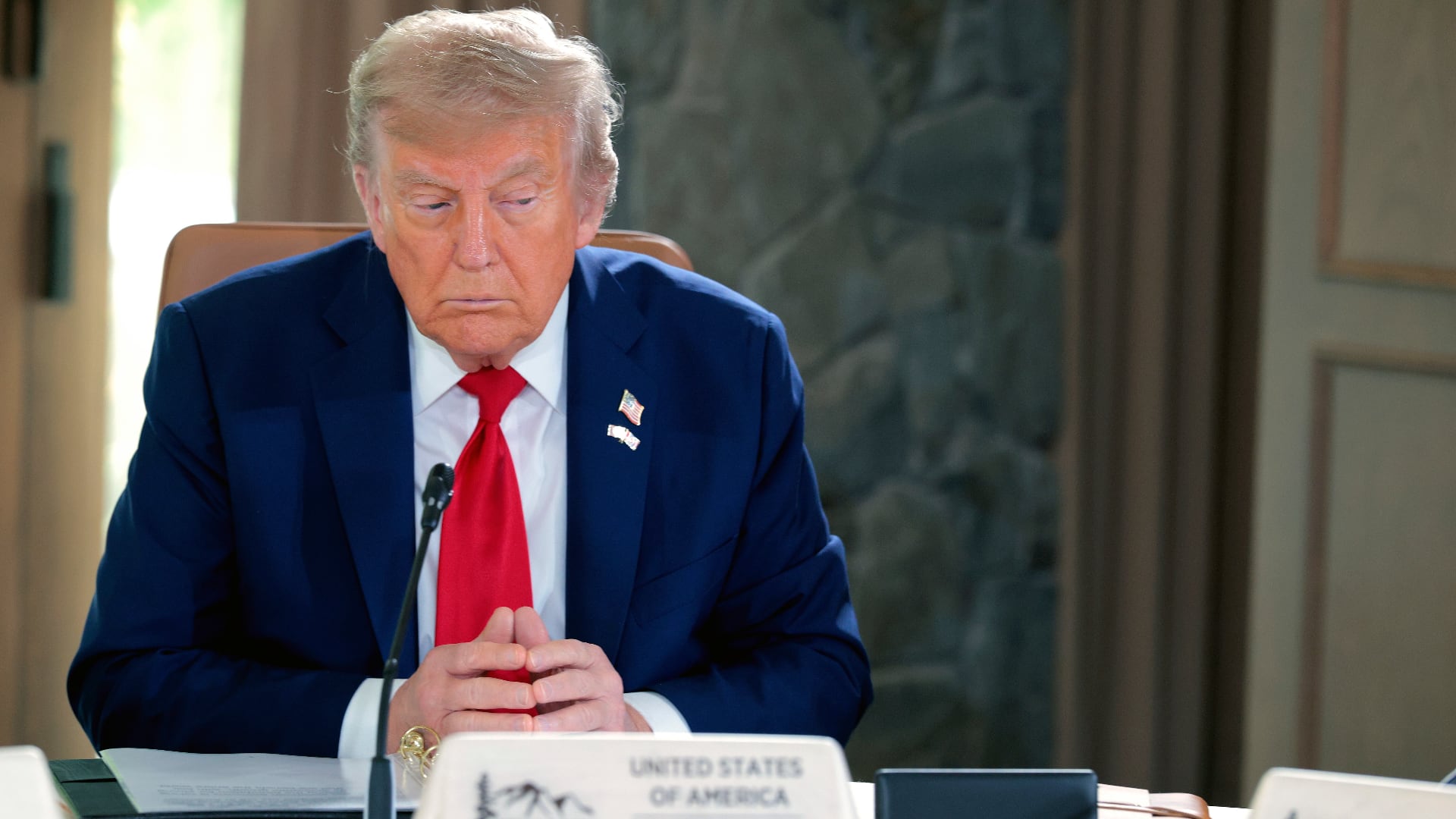
The State Department had been in talks with Elon Musk’s Tesla company to buy armored electric vehicles, but the plans have been put on hold by the Trump administration after reports emerged about a potential $400 million purchase. A State Department spokesperson said the electric car company owned by Musk was the only one that expressed interest back in May 2024. The deal with Tesla was only in its planning phases but it was forecast to be the largest contract of the year. It shows how some of his wealth has come and was still expected to come from taxpayers.
At 100 years old, the Goodyear Blimp is an ageless star in the sky. The 246-foot-long airship will be in the background of the Daytona 500 — flying roughly 1,500 feet above Daytona International Speedway, actually — to celebrate its greatest anniversary tour. Even though remote camera technologies are improving regularly and changing the landscape of aerial footage, the blimp continues to carve out a niche. At Daytona, with the usual 40-car field racing around a 2½-mile superspeedway, views from the blimp aptly provide the scope of the event.
You'll just have to wait for interest rates (and prices) to go down. Plus, this deal's a steel, the big carmaker wedding is off, and bribery is back, baby!
It’s a chicken-and-egg problem: Restaurants are struggling with record-high U.S. egg prices, but their omelets, scrambles and huevos rancheros may be part of the problem. Breakfast is booming at U.S. eateries. First Watch, a restaurant chain that serves breakfast, brunch and lunch, nearly quadrupled its locations over the past decade to 570. Fast-food chains like Starbucks and Wendy's added more egg-filled breakfast items. In normal times, egg producers could meet the demand. But a bird flu outbreak that has forced them to slaughter their flocks is making supplies scarcer and pushing up prices. Some restaurants like Waffle House have added a surcharge to offset their costs.
William Falcon, CEO and Founder of Lightning AI, discusses the ongoing feud between Elon Musk and Sam Altman, and how everyday people can use AI in their lives.
U.S. tariffs on steel and aluminum “will not go unanswered,” European Union chief Ursula von der Leyen vowed on Tuesday, adding that they will trigger toug
The Trump administration has ordered the Consumer Financial Protection Bureau to stop nearly all its work, effectively shutting down the agency that was created to protect consumers after the 2008 financial crisis and subprime mortgage-lending scandal. Russell Vought is the newly installed director of the Office of Management and Budget. Vought directed the CFPB in a Saturday night email to stop work on proposed rules, to suspend the effective dates on any rules that were finalized but not yet effective, and to stop investigative work and not begin any new investigations. The agency has been a target of conservatives since President Barack Obama created it following the 2007-2008 financial crisis.