Tesla Plaintiff Calls Musk's Latest Blog Post a 'Confession'
*By Hope King*
Elon Musk’s latest blog post did nothing but strengthen Will Chamberlain’s position that the Tesla CEO’s tweets from last week were fraudulent.
“It was almost a confession that he committed securities fraud,” Chamberlain told Cheddar on Monday.
Chamberlain is a plaintiff in a class-action suit against Tesla and Musk. The suit was [filed Friday afternoon](https://cheddar.com/videos/class-action-lawsuit-filed-against-tesla-after-elon-musks-tweet) in the U.S. District Court for the Northern District of California and claims that Tesla and its CEO violated the Securities Exchange Act of 1934 by making allegedly false and misleading statements to defraud Tesla investors. Reed Katherein, the attorney for Chamberlain, agreed that Musk’s blog post read almost as a confession.
“It’s pretty clear that funding was not secured and that he did not have a reasonable basis for saying funding was secured,” Kathrein said.
In his [post](https://www.tesla.com/blog/update-taking-tesla-private), Musk said the Saudi sovereign wealth fund had "approached me multiple times about taking Tesla private," and that the Saudi's interest in the company gave him the confidence to announce last week that he had "secured" the necessary financing to take the company private. "Obviously, the Saudi sovereign fund has more than enough capital needed to execute on such a transaction," Musk said.
Musk has come under increasing pressure to prove that a tweet [he posted last Tuesday](https://cheddar.com/videos/what-tesla-looks-like-as-a-private-vs-public-company) announcing the CEO’s intention to take the company private at $420 a share was based on some kind of firm commitment from outside investors.
The tweet included very specific language that is the target of an SEC inquiry and two [class-action](https://cheddar.com/videos/class-action-lawsuit-filed-against-tesla-after-elon-musks-tweet) lawsuits: “Funding secured.”
In his post, Musk said that he had met with Saudi investors on July 31 of this year. "I left the July 31st meeting with no question that a deal with the Saudi sovereign fund could be closed, and that it was just a matter of getting the process moving," he wrote. "This is why I referred to 'funding secured' in the August 7th announcement."
Kathrein, who says he has not been contacted by the company ー nor by Musk ー believes the tweet was intended to drive short sellers like his client to cover their positions.
“To me, he is playing with fire,” said Kathrein, a partner at the law firm Hagens Berman. “That does not justify putting out this tweet that says funding is secured.”
Musk’s contentious relationship with short sellers is both well-documented and publicized. One recent example [took place in June](https://twitter.com/elonmusk/status/1008450201885872129) when he tweeted to his 22 million followers that short sellers have “about three weeks before their short position explodes.”
Chamberlain, who said his short position is made up of about 80 percent common stock short and 20 percent puts, reduced his position as a result of the tweet.
In an interview with Cheddar on Sunday, Chamberlain ー a lawyer who previously practiced with the Competitive Enterprise Institute’s Center for Class Action Fairness ー said he covered his position because he had to take the tweet seriously.
Musk is the "CEO of a publicly traded company," he said. "I have to hedge against the risk that he has not committed securities fraud. That seems like a reasonable thing to do."
For more on this story, [click here](https://cheddar.com/videos/did-elon-musks-tweet-break-the-law).
Markets closed the day mixed, and well off their lows of the day following a market meltdown earlier in the session. The Nasdaq staged a comeback late in the day, even amid ongoing worries about the Federal Reserve raising interest rates. Doug Flynn, certified financial planner and co-founder of Flynn Zito Capito, joined Cheddar News' Closing Bell to discuss the markets' close and what's driving the major indexes.
Two companies recently announced a new partnership aimed at addressing the growing demand to borrow against crypto - digital assets capital markets firm CrossTower is partnering with commercial bank, BankProv. The companies are launching a crypto lending platform that will allow Bitcoin miners to receive loans to invest in crypto mining equipment. The companies say the program also addresses the difficulty of breaking into crypto mining due to the high cost. CrossTower research analyst Martin Gaspar joins Cheddar News' Closing Bell to discuss.
Next-gen social sports platform Break the Love recently raised $2.5 million in seed funding. Break the Love's platform and iOS app allows users to discover and book group-based tennis activities, to either learn, train, or compete. The new company has already gotten support from a few big names in the world of tennis, including the coach of Naomi Osaka, as well as the United States Tennis Association and the brand Wilson. Break the Love founder and CEO Trisha Goyal joins Cheddar News' Closing Bell to discuss.
The world of NFTs and cannabis are colliding as luxury cannabis company Peakz gears up to launch a digital dispensary in the metaverse. CEO Jessie Grundy and Tiffany McBride, managing director of social equity ventures at The Parent Company, an investor in Peakz, joined Cheddar to break down exactly how a digital dispensary would work. Grundy also talked about offering low-cost NFT courses in an effort to help Oakland, California, residents not miss out on new investing opportunities, and McBride discussed why the tech-forward vision of Grundy was worth investing in for The Parent Company. "He comes with really fresh ideas that he's vetted, that he's experienced in, and I really believe the thinking along Jessie's lines is the future of cannabis," she said. "He's more than just flower and a story. He comes with concepts that are new that are innovative, and that is easy for us to get behind."
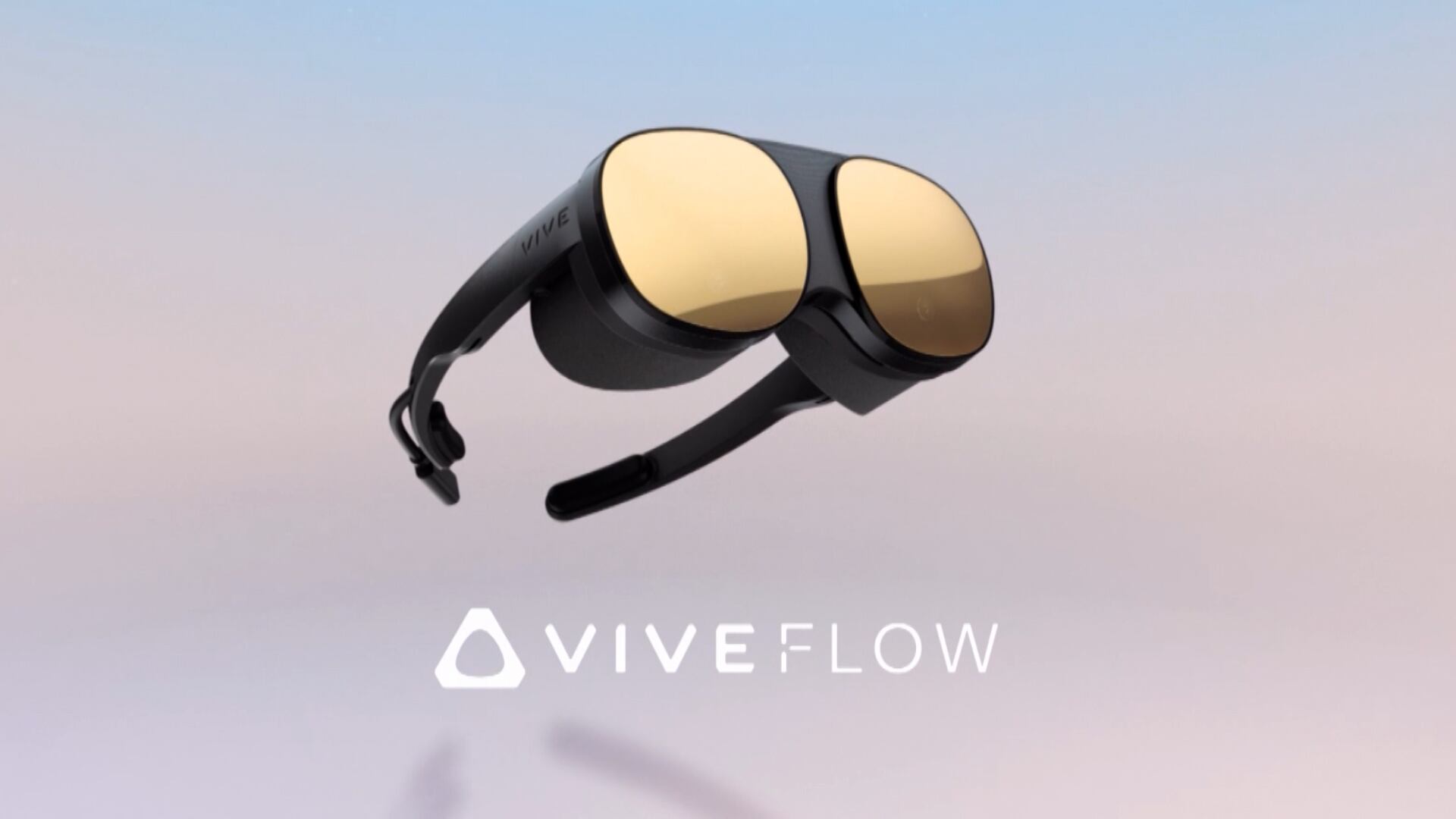
Daniel O'Brien, president and global head of enterprise at HTC America, joined Cheddar's "Closing Bell" to discuss new products and services the virtual reality brand showed off at CES 2022, including a wrist tracker — in lieu of controllers — for more accurate interactions connected to its all-in-one headset, the VIVE Focus 3. O'Brien also described a cloud-based, 5G content delivery system. "We partnered up with Lumen Technologies and from six miles away we delivered high bandwidth VR to a headset directly in the Wynn Hotel during CES," he said. "And people were able to walk around in their virtual experience through a wireless signal."
Samsung unveiled a slew of new electronics and upgraded designs at CES 2022. With a heavy focus on gaming and the future of work, the company showed off its all new Odyssey Ark, which boasts a massive 55 in. curved display designed to give users a more immersive and captivating experience. Sang Kim, SVP, Samsung Electronics joined Cheddar's Michelle Castillo to discuss the company's biggest launches as well as major trends to watch in 2022.
The UK's Information Commissioner's office is scrutinizing Facebook's parent company Meta over child safety practices linked to the Oculus headset, according to a report. The agency is looking to question the tech giant about how it's protecting children from harmful experiences in virtual reality.
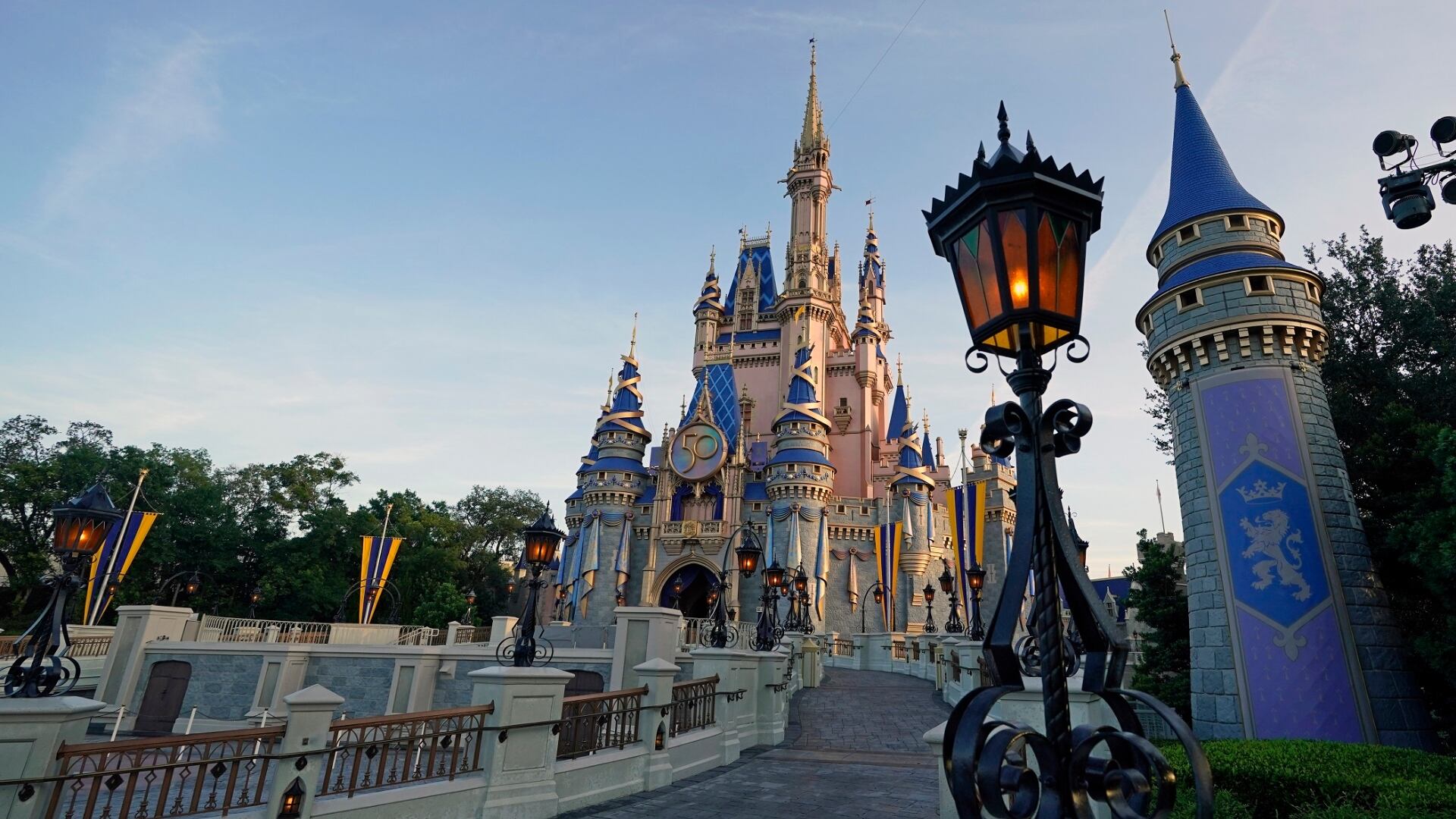
Disney has secured a patent for a digital world simulator for headset-free augmented reality expected to be accessible in parks by tracking smartphones and projecting personalized 3D displays, an indication that the entertainment giant is gearing up for its entry into the metaverse.