Elon Musk's Life-or-Death Decision for Tesla's Future
*By Madison Alworth*
Elon Musk's decision to push a high-end Model 3 vehicle instead of the more affordable base model of Tesla's electric car is one of life or death for the electric car company.
The mercurial chief executive said over the weekend that the new "Performance" Model 3 is available for pre-order, and by proceeding with the souped-up version, the company can better figure out how to deliver on the promise of the mass-market Model 3.
In a [tweet](https://twitter.com/elonmusk/status/998400110156550144) late Sunday, Musk put the choice in stark terms: If he were to press ahead with the $35,000 base version, Tesla would "lose money and die." Coming forward with the $78,000 dual-engine Model 3 allows the company scale for production without hemorrhaging more cash.
"What we don't know yet, even though these specs are out there, is when those cars will actually be arriving," said Marty Padgett, editorial director at Motor Authority. "If you went on the website today, if you order your Performance model today, it says six to nine months for delivery. What's still missing is that mythical $35,000 Tesla Model 3."
On Twitter, Musk touted the souped-up Model 3's specs: all-wheel drive, top speed of 155 miles per hour, and the ability to go from 0 to 60 mph in less than 4 seconds.
It will cost more than double the base-level Model 3. And Musk didn't indicate how much longer consumers ー or investors ー would have to wait for the much-anticipated cheaper version.
One the one hand, the decision to come ahead with the "Performance" model may show that Tesla's production technology is far enough along that it can offer more options. However, the price point may also indicate that Tesla can't deliver the industry-changing mass market vehicle Musk promised.
It seems the company is further away than ever on sustainably producing a mass-market model.
Tesla would "lose money and die" if it were to ship the low-cost Model 3, Musk said in a [tweet](https://twitter.com/elonmusk/status/998400110156550144) over the weekend. He made the decision to go ahead with the high-end Model 3 over the cheaper version to work out what it would take to deliver any car at a sustainable rate.
Selling the high-end version enables the company to "achieve target rate and then smooth out flow to achieve target cost," Musk said. That could take three to six months.
It remains to be seen how many customers would want the more expensive Model 3 over the affordable car they expected, or if the new Model 3 may cannibalize sales of the top of the line Model S.
"They're selling new, they're selling innovation," said Padgett. "Tesla buyers want the latest thing."
For the full interview, [click here](https://cheddar.com/videos/teslas-model-3-is-getting-an-upgrade).
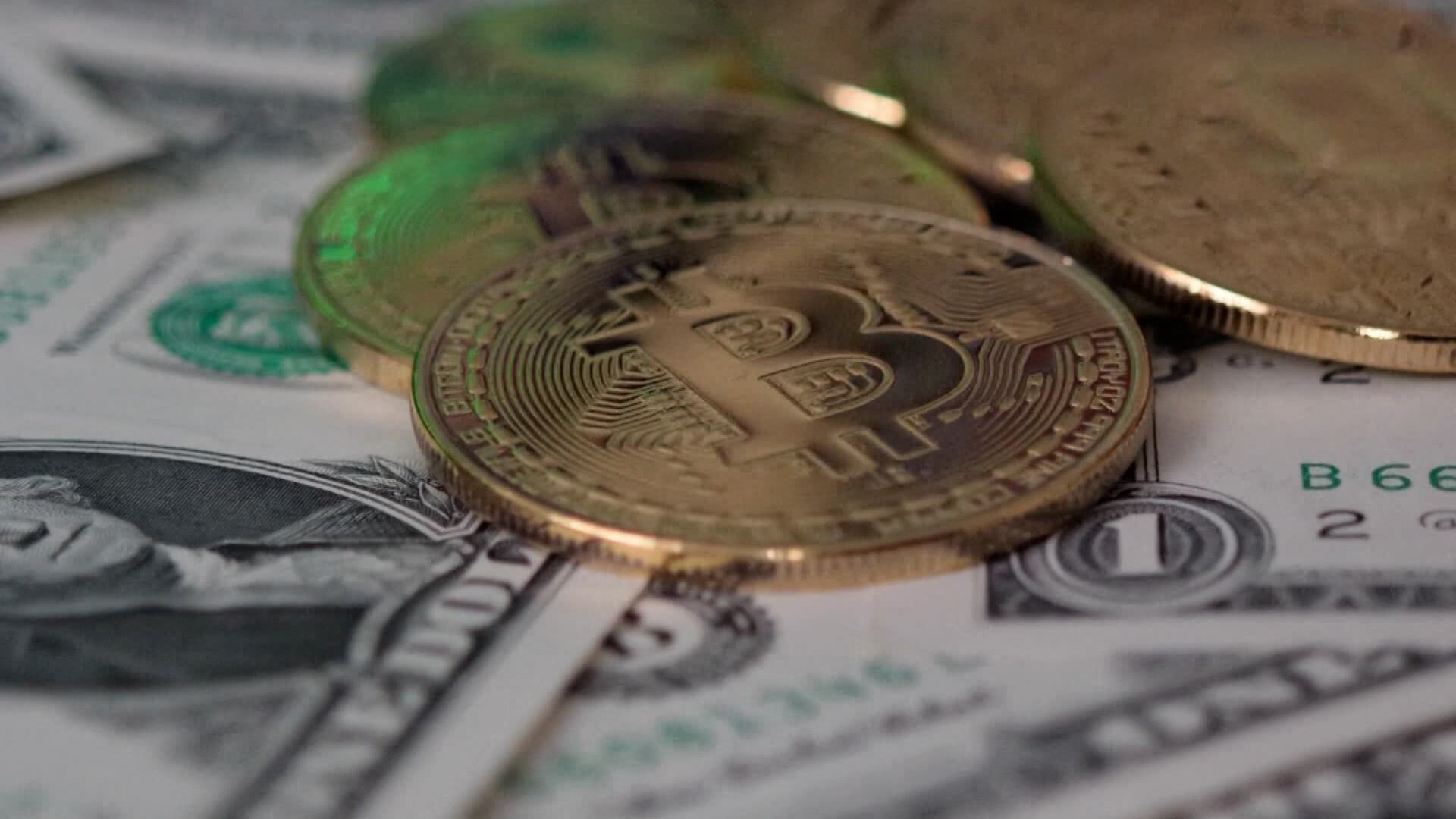
Volatility continues to be the name of the game when it comes to crypto. Bitcoin, the most valuable digital token, saw a small jump today - one of several small rallies throughout the month of March. Caitlin Cook, vice president of crypto education company Onramp Academy, joins Cheddar News' Closing Bell to discuss.
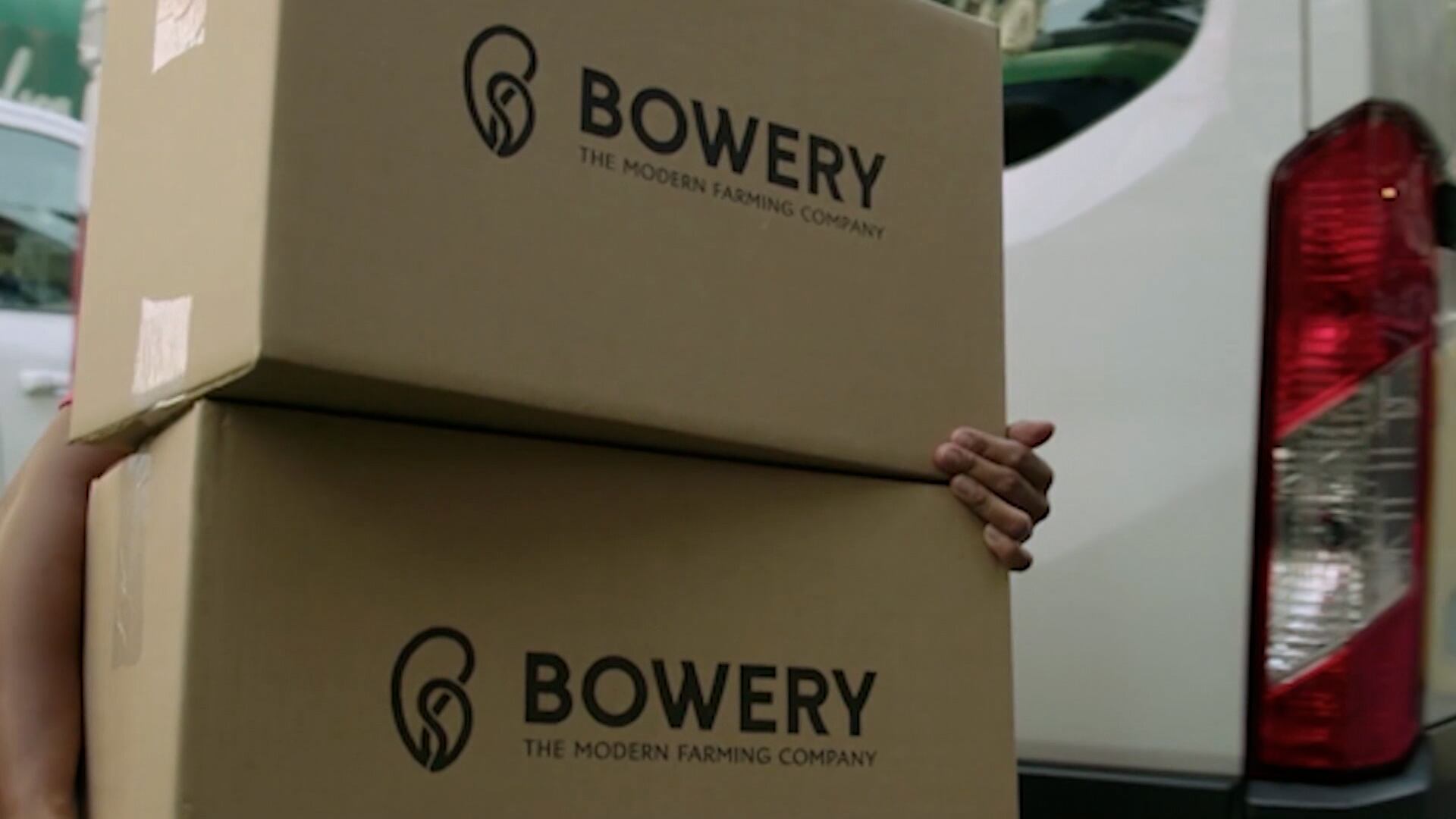
Bowery Farming's vertical growing process allows it to cultivate 13 types of greens — and now, strawberries — in a sustainable way that's also faster than traditional farming. Bowery focuses on sustainability from start to finish, using unique technology to provide plants with what they need at the right time while eliminating waste and cutting down on carbon dioxide emissions. Katie Seawell, Chief Commercial Officer of Bowery Farming, joins Closing Bell to discuss the company's vertical farming process, sustainability focus, fixing the food supply chain, and more.
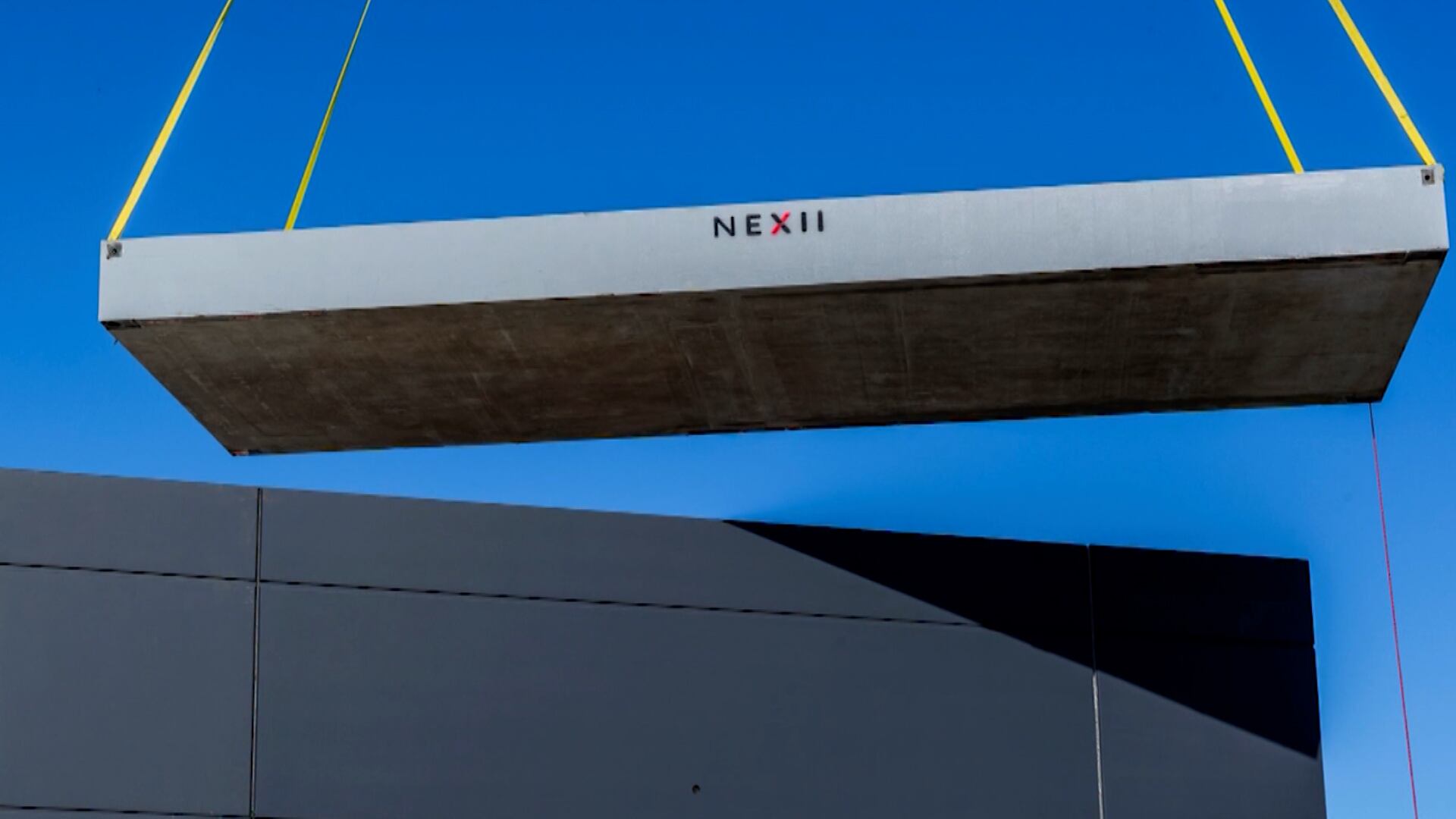
Nexii, a company based in Canada, is getting some big backing for its sustainable, low-carbon concrete alternative. CEO Stephen Sidwell, joined Cheddar News to talk about the initiatives his company is taking to tackle climate change and scaling up production to meet demand. "Most people don’t realize it, but buildings are the number one contributor to CO2 emissions," he said. "So that's really what we're attacking, the overall CO2 emissions."
President Volodymyr Zelenskyy last week seemed to have put out a video that urged Ukrainians to put down their arms and surrender to Russia. It was later revealed that it was a “deepfake,” a computer-generated video to mimic the Ukrainian leader. Cheddar News speaks with security expert Morgan Wright about how the technology is being used in the war in Ukraine.
After scrutiny over the negative impact on the mental health of children, social media apps have begun adding stricter limitations to parental controls. Jim Steyer, CEO of Common Sense Media, a nonprofit organization focusing on recommendations for entertainment platforms, joined Cheddar News to talk about the changes, why they might not be enough, and what parents can do to help. "It's almost that the companies — whether they're Snapchat, Instagram, YouTube, or whatever — have to start the process from the beginning of designing the product," he said. "They have to be much more clear about age verification so that a 12-year-old and 11-year-old can't get on there." Steyer also pushed for federal legislation to reign in the issue.
Catching you up on what you need to know on March 25, 2022, with Ukrainian forces retaking Kyiv, 300 deaths reported from the bombing of a theater used as a shelter in Mariupol, U.S. regulators ditch a climate review of natural gas projects, the 94th Academy Awards, and more.