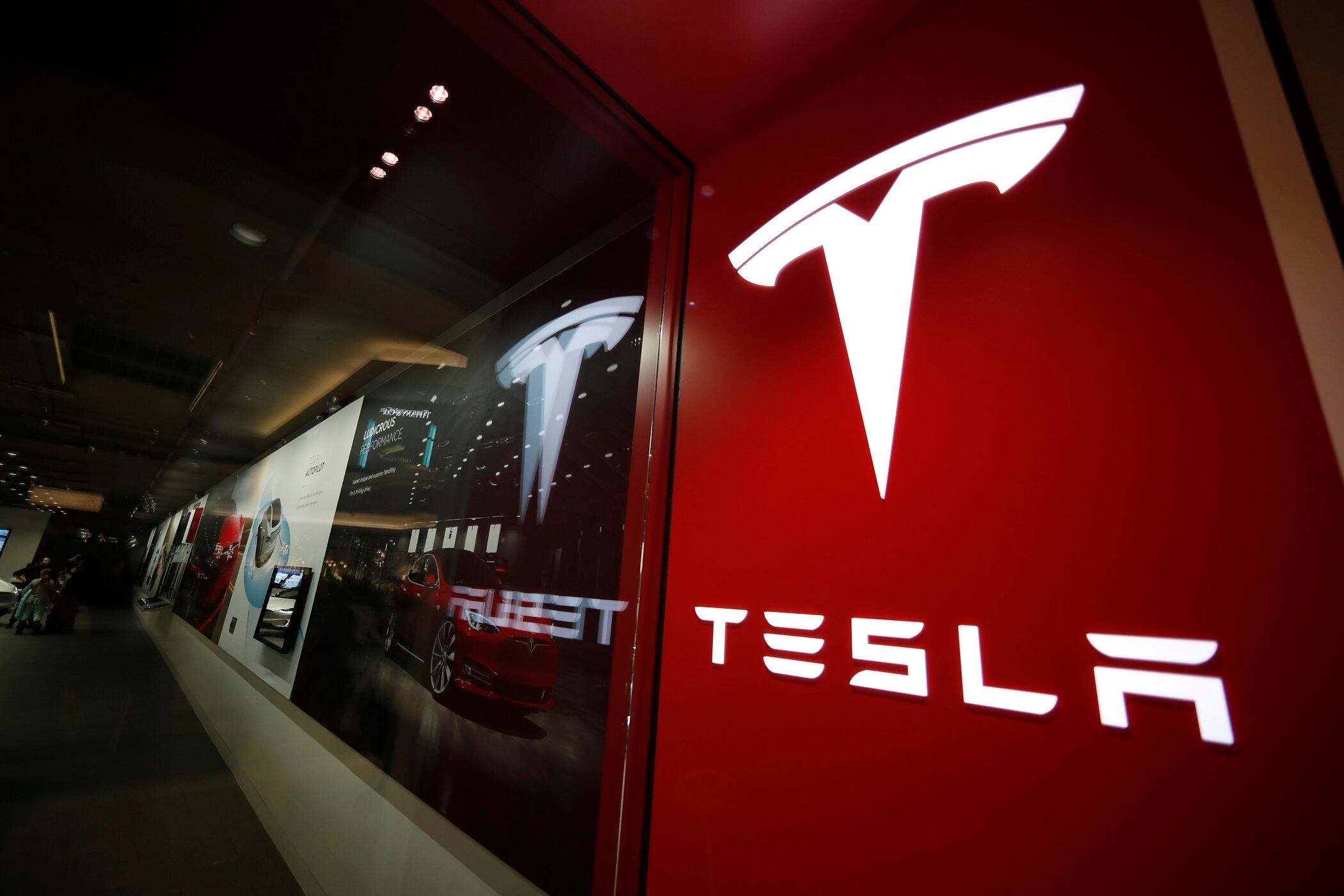
*By Madison Alworth* Elon Musk's decision to push a high-end Model 3 vehicle instead of the more affordable base model of Tesla's electric car is one of life or death for the electric car company. The mercurial chief executive said over the weekend that the new "Performance" Model 3 is available for pre-order, and by proceeding with the souped-up version, the company can better figure out how to deliver on the promise of the mass-market Model 3. In a [tweet](https://twitter.com/elonmusk/status/998400110156550144) late Sunday, Musk put the choice in stark terms: If he were to press ahead with the $35,000 base version, Tesla would "lose money and die." Coming forward with the $78,000 dual-engine Model 3 allows the company scale for production without hemorrhaging more cash. "What we don't know yet, even though these specs are out there, is when those cars will actually be arriving," said Marty Padgett, editorial director at Motor Authority. "If you went on the website today, if you order your Performance model today, it says six to nine months for delivery. What's still missing is that mythical $35,000 Tesla Model 3." On Twitter, Musk touted the souped-up Model 3's specs: all-wheel drive, top speed of 155 miles per hour, and the ability to go from 0 to 60 mph in less than 4 seconds. It will cost more than double the base-level Model 3. And Musk didn't indicate how much longer consumers ー or investors ー would have to wait for the much-anticipated cheaper version. One the one hand, the decision to come ahead with the "Performance" model may show that Tesla's production technology is far enough along that it can offer more options. However, the price point may also indicate that Tesla can't deliver the industry-changing mass market vehicle Musk promised. It seems the company is further away than ever on sustainably producing a mass-market model. Tesla would "lose money and die" if it were to ship the low-cost Model 3, Musk said in a [tweet](https://twitter.com/elonmusk/status/998400110156550144) over the weekend. He made the decision to go ahead with the high-end Model 3 over the cheaper version to work out what it would take to deliver any car at a sustainable rate. Selling the high-end version enables the company to "achieve target rate and then smooth out flow to achieve target cost," Musk said. That could take three to six months. It remains to be seen how many customers would want the more expensive Model 3 over the affordable car they expected, or if the new Model 3 may cannibalize sales of the top of the line Model S. "They're selling new, they're selling innovation," said Padgett. "Tesla buyers want the latest thing." For the full interview, [click here](https://cheddar.com/videos/teslas-model-3-is-getting-an-upgrade).