Elon Musk's Life-or-Death Decision for Tesla's Future
*By Madison Alworth*
Elon Musk's decision to push a high-end Model 3 vehicle instead of the more affordable base model of Tesla's electric car is one of life or death for the electric car company.
The mercurial chief executive said over the weekend that the new "Performance" Model 3 is available for pre-order, and by proceeding with the souped-up version, the company can better figure out how to deliver on the promise of the mass-market Model 3.
In a [tweet](https://twitter.com/elonmusk/status/998400110156550144) late Sunday, Musk put the choice in stark terms: If he were to press ahead with the $35,000 base version, Tesla would "lose money and die." Coming forward with the $78,000 dual-engine Model 3 allows the company scale for production without hemorrhaging more cash.
"What we don't know yet, even though these specs are out there, is when those cars will actually be arriving," said Marty Padgett, editorial director at Motor Authority. "If you went on the website today, if you order your Performance model today, it says six to nine months for delivery. What's still missing is that mythical $35,000 Tesla Model 3."
On Twitter, Musk touted the souped-up Model 3's specs: all-wheel drive, top speed of 155 miles per hour, and the ability to go from 0 to 60 mph in less than 4 seconds.
It will cost more than double the base-level Model 3. And Musk didn't indicate how much longer consumers ー or investors ー would have to wait for the much-anticipated cheaper version.
One the one hand, the decision to come ahead with the "Performance" model may show that Tesla's production technology is far enough along that it can offer more options. However, the price point may also indicate that Tesla can't deliver the industry-changing mass market vehicle Musk promised.
It seems the company is further away than ever on sustainably producing a mass-market model.
Tesla would "lose money and die" if it were to ship the low-cost Model 3, Musk said in a [tweet](https://twitter.com/elonmusk/status/998400110156550144) over the weekend. He made the decision to go ahead with the high-end Model 3 over the cheaper version to work out what it would take to deliver any car at a sustainable rate.
Selling the high-end version enables the company to "achieve target rate and then smooth out flow to achieve target cost," Musk said. That could take three to six months.
It remains to be seen how many customers would want the more expensive Model 3 over the affordable car they expected, or if the new Model 3 may cannibalize sales of the top of the line Model S.
"They're selling new, they're selling innovation," said Padgett. "Tesla buyers want the latest thing."
For the full interview, [click here](https://cheddar.com/videos/teslas-model-3-is-getting-an-upgrade).
We are just one day away from what has been called the most influential tech event in the world. CES 2022 will officially kick off on Wednesday in Las Vegas, but the annual tech summit is being impacted by COVID-19, like so many other recent events. The Consumer Technology Association originally planned for a hybrid event to take place from January 5-8, with some in-person events and some virtual; however, a few big-name companies announced they will not be attending in-person, so the CTA decided to shorten the event by one day, with it now ending on Friday. Consumer electronics senior analyst Will Greenwald joins Cheddar News' Closing Bell to discuss.
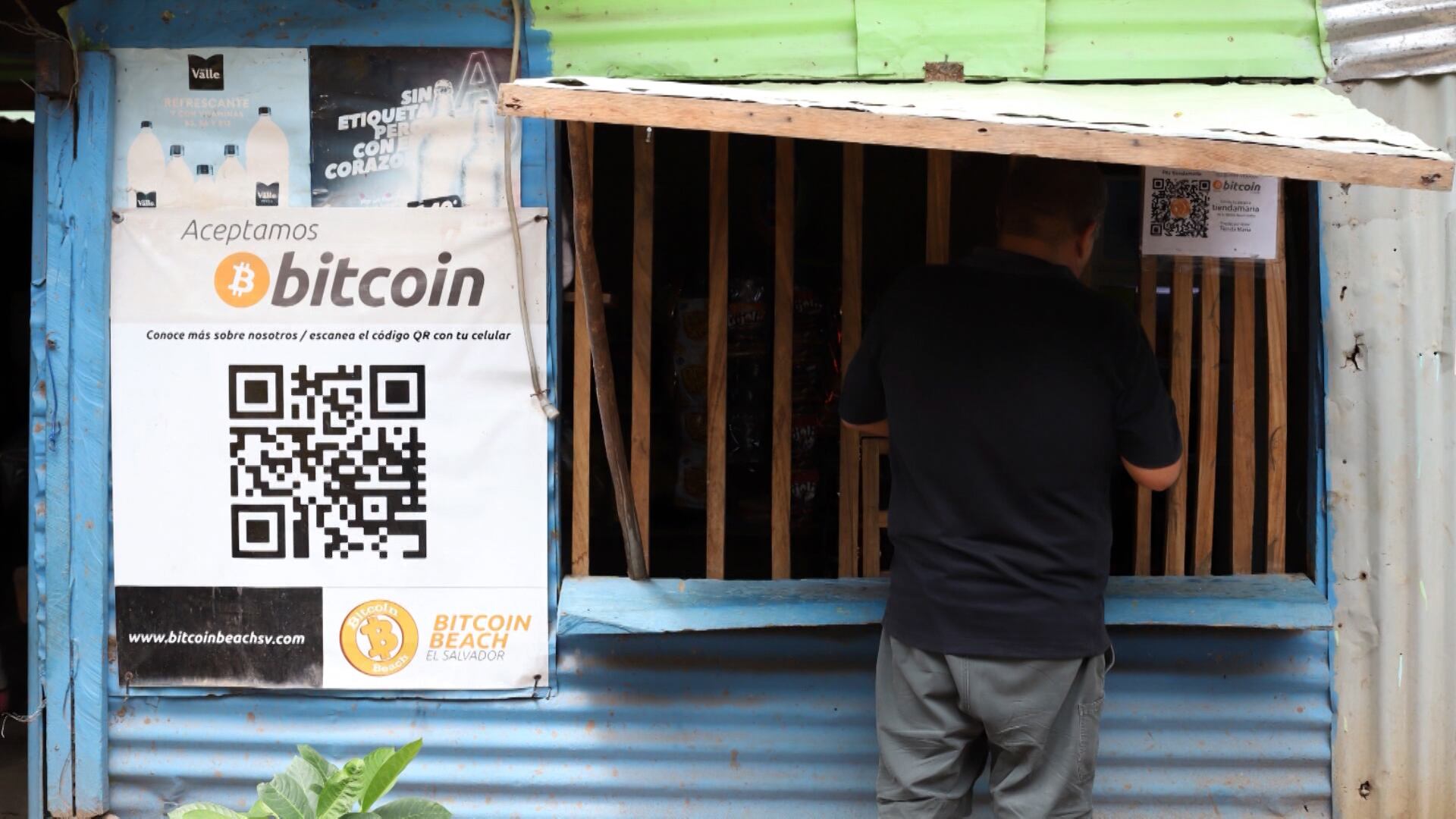
Harry Yeh, Managing Director at Quantum Fintech Group, joins Cheddar News' Closing Bell, where he explains why his firm has a target estimate of $400,000 for Bitcoin this year.
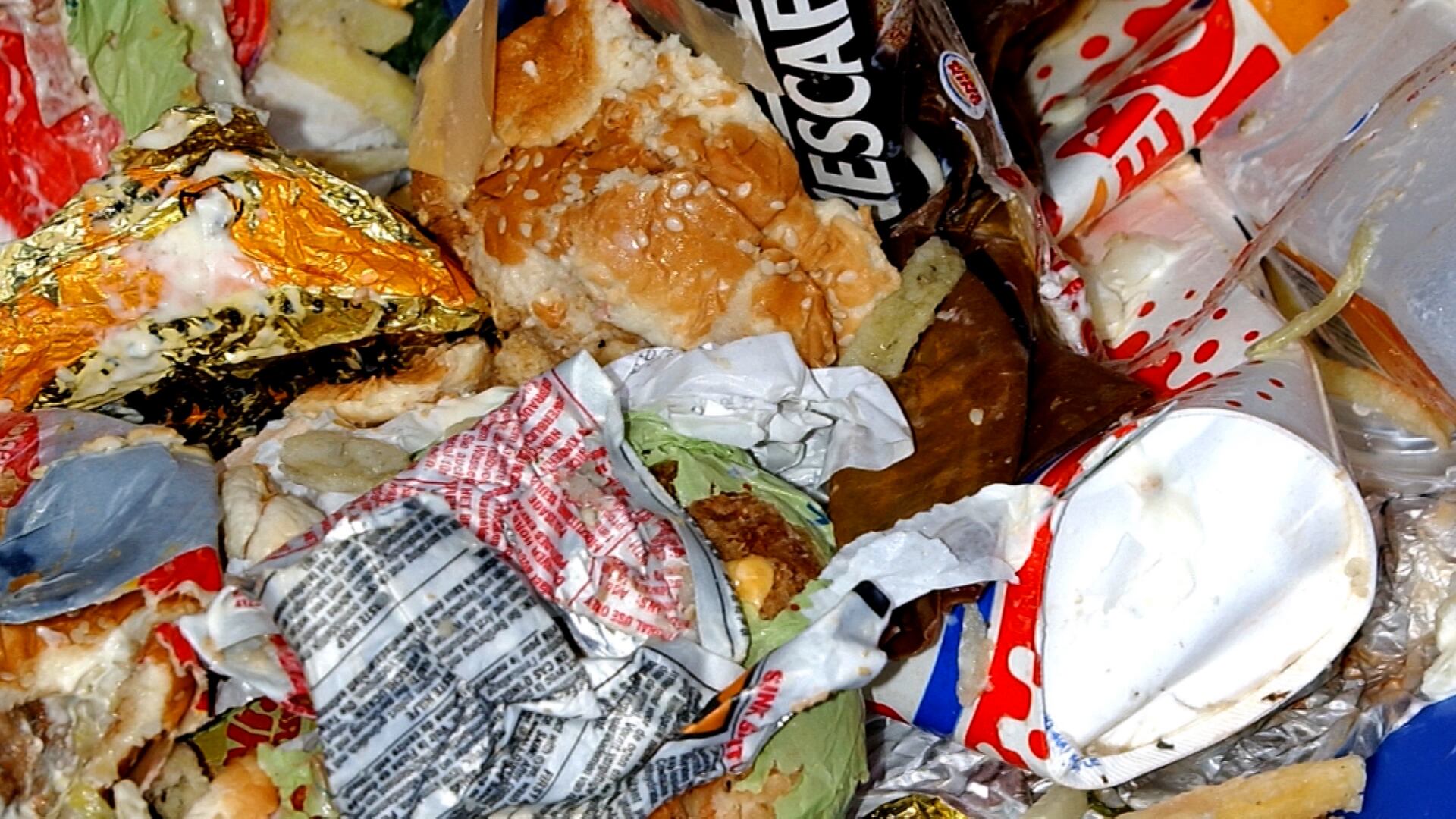
California's new composting law will affect what residents do in their kitchens. As of this week, Californians will have to recycle excess food in an effort to reduce emissions caused by food waste. Cities and counties will turn recycled food into compost or use it as a renewable energy source. California's new law is the largest mandatory residential food waste recycling program in the country. Rachel Wagoner, Director of the California Department of Resources, Recycling and Recovery called the law 'the biggest change to trash' since recycling started in the 1980s. She joined Cheddar Climate to discuss.
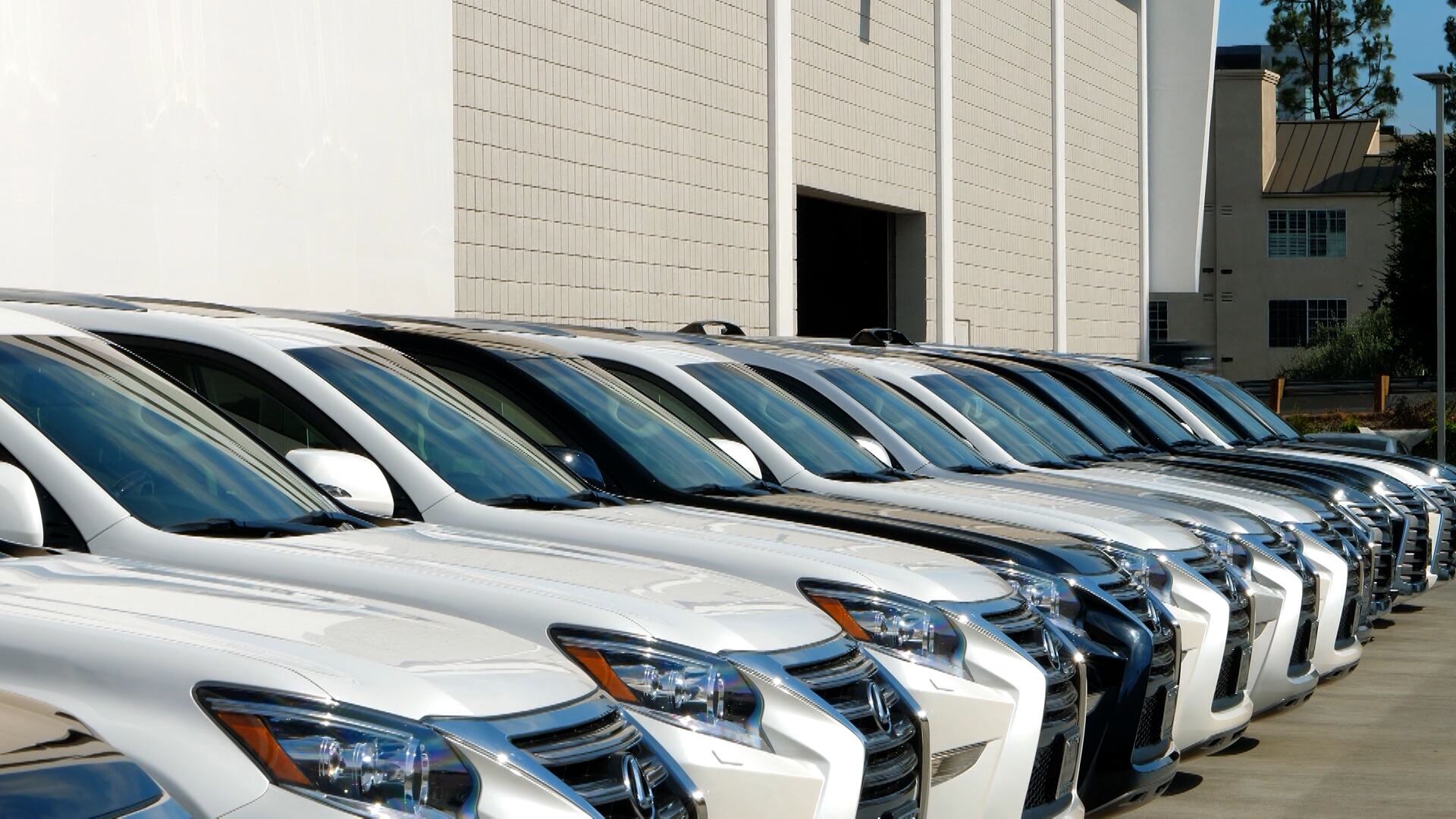
Like the big changeover to e-commerce for retail, the COVID-19 pandemic has moved car buying trends to the digital showroom. Karl Brauer, an executive analyst at iSeeCars.com, joined Cheddar to talk about the "mindset shift" in consumers and businesses to order-based systems in the United States (something more common in other countries). While more than 60 percent of consumers still prefer to visit dealerships in-person, Brauer noted that consumers are better off ordering a car to spec, which would also help improve supply constraints. "It's really bad right now to be building cars and not really knowing who's going to buy them or when they're going to sell," he said. Manufacturing a car to order would maximize the efficiency of obtaining materials through the supply chain rather than "shotgunning it" at dealerships.
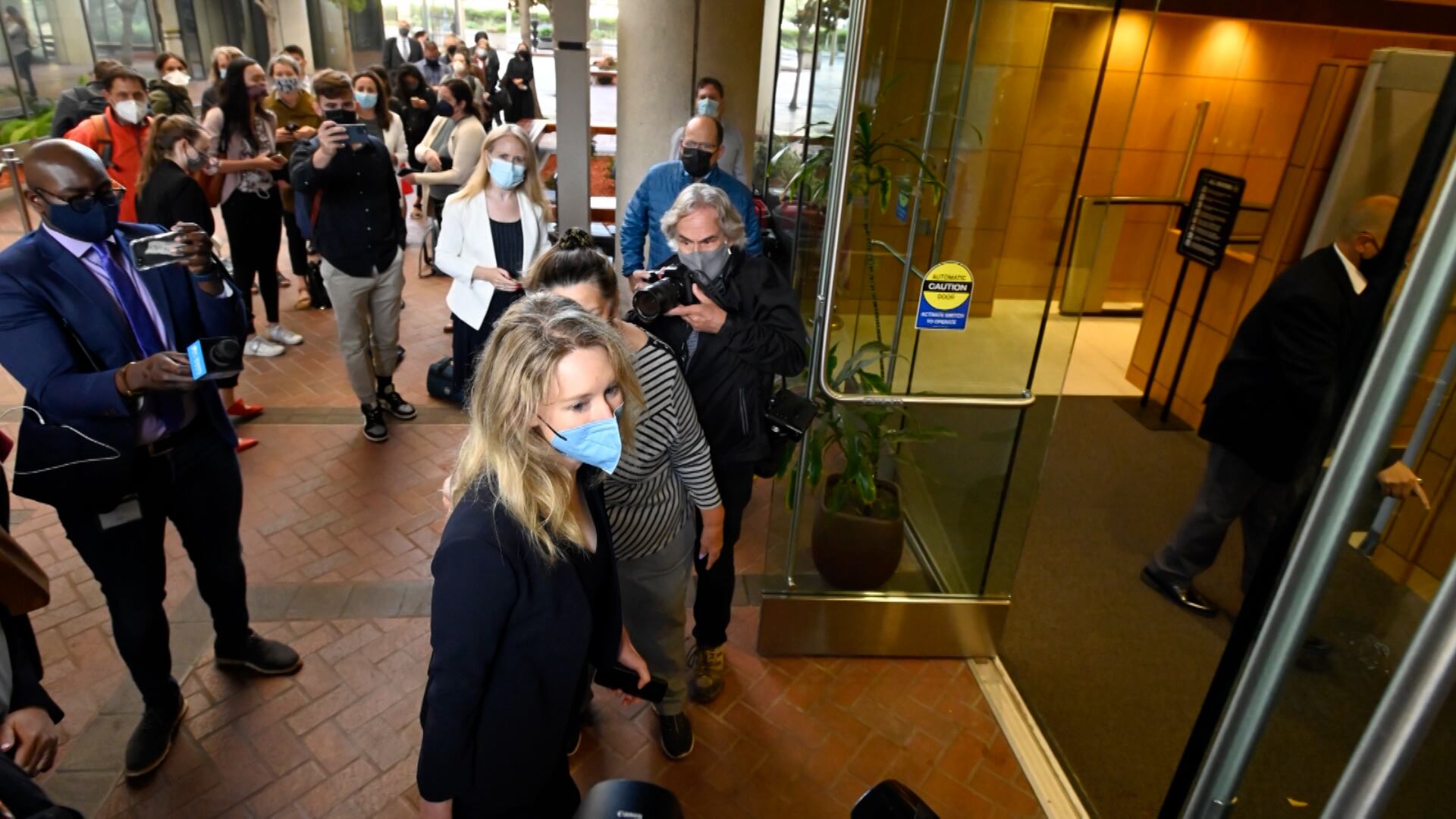
Mark MacDougall, attorney and former prosecutor with the criminal division of the Department of Justice, joined Cheddar to discuss the fraud conviction of Theranos founder Elizabeth Holmes. MacDougall addressed Holmes' stance that what she did was no different than any other Silicon Valley startup's approach to business and how this will shake out for the industry going forward. "I can't imagine it doesn't have some salutary effect on entrepreneurs and people involved in new ventures going forward," he said. Holmes was found guilty on 4 of 11 counts, with each carrying a maximum of 20 years in prison, but MacDougall explained that the lengthy prison sentences were unlikely.
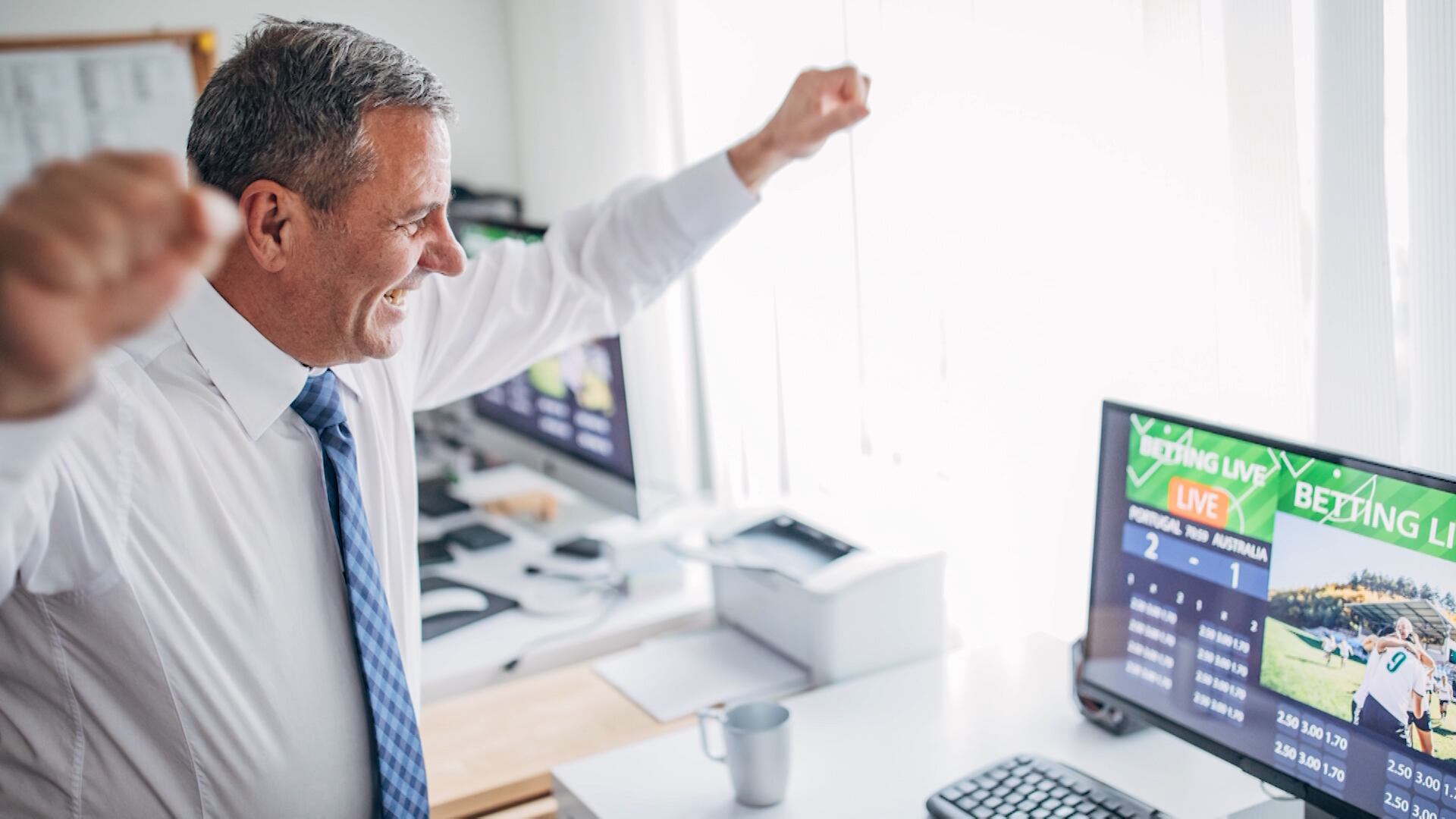
Sports betting is going mainstream in the United States. Dozens of states have legalized it, California is set to do the same this year. Arizona, which legalized sports betting in September, set new national records for gambling in its first months. Daniel Graetzer, CEO of Maximbet, joins Cheddar News to discuss what's next for the booming industry.
A new report from ProPublica and the Washington Post found that Facebook Groups played a major role in the spread of misinformation linked to the January 6 insurrection with more than 650,000 posts claiming that Joe Biden's election victory was illegitimate.
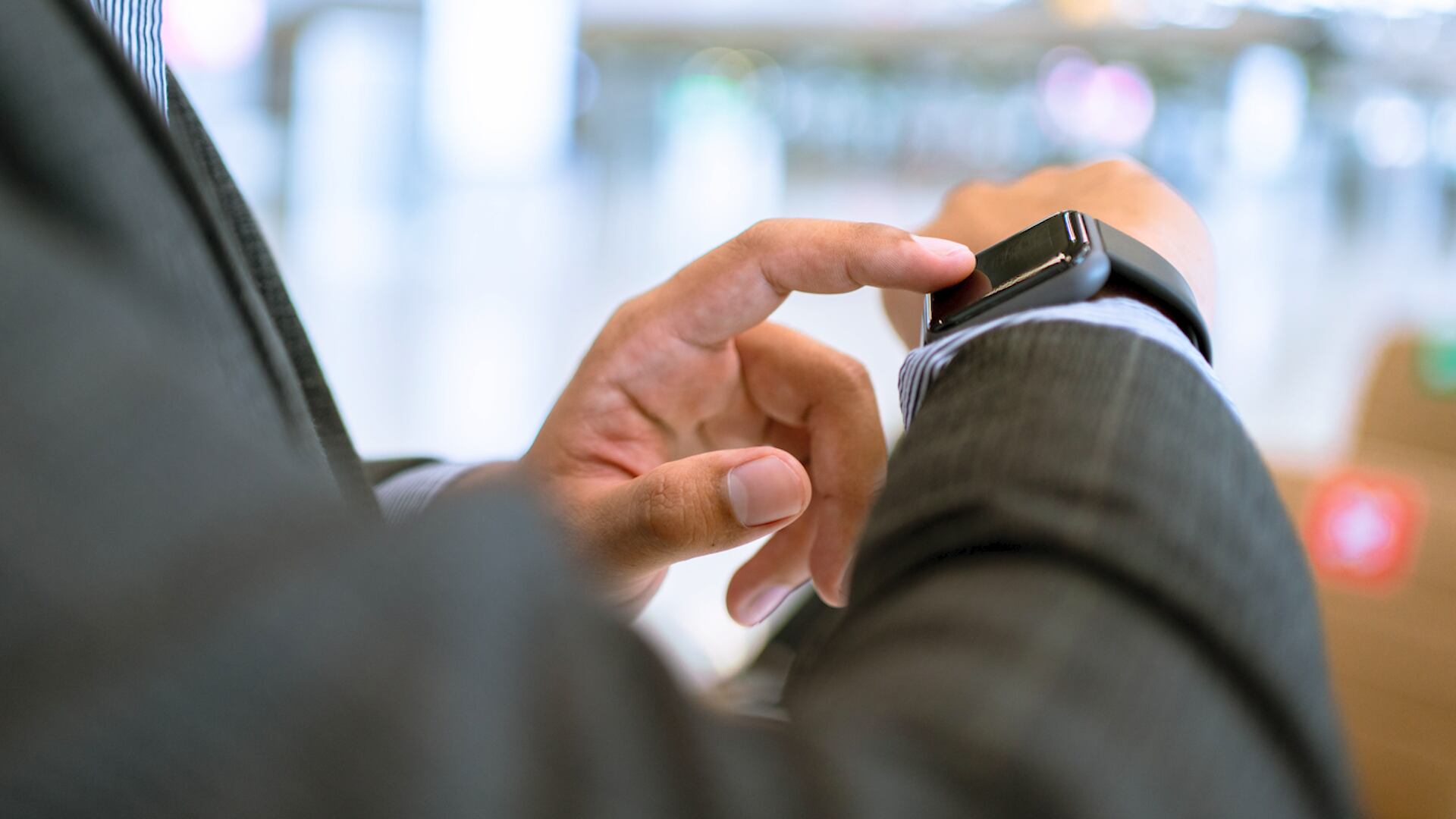
On this episode of Cheddar Reveals, Dr. Anita Gupta, Adjunct assistant professor of anesthesiology and critical care medicine at the Johns Hopkins University School of Medicine, shares her forecast for the healthcare industry in 2022; Waseem Asghar, Ph.D., Associate Professor, Department of Computer & Electrical Engineering and Computer Science, Florida Atlantic University, breaks down the latest progress, trends, and innovations in wearable health tech; Cheddar gets a look at Curiosity Stream's 'Hacking our Biome.'
Waseem Asghar, Ph.D., Associate Professor, Department of Computer & Electrical Engineering and Computer Science, Florida Atlantic University, joins Cheddar Reveals to break down the latest progress, trends, and innovations in wearable health tech.