Tesla Reported Earnings and Says It Will Be Better About Meeting Production Deadlines
Tesla reported earnings after the bell today. The company beat on EPS with $-3.04 versus estimates of $-3.12 and met on revenue with $3.29 billion.
The company focused on Model 3 production numbers. Tesla said it is expected to produce 2,500 cars per week by the end of the first quarter and 5,000 Model 3 cars a week by the end of the second quarter.
Cash burn did slow for the company in the latest quarter. But Tesla also reported that it would spend more money in 2018 than it did in 2017.
Burns McKinney, portfolio manager at NFJ Investment Group, discusses how the Fed is balancing recession risks and interest rate cuts, plus whether the tech rally will broaden.
Nick Wolny, CNet editor, tells consumers about BNPL being added to credit reports – and why they may want to be more cautious about using it as an option.
Co-founders of 1953 Tequila, Shivam Mallick Shah and Lindsey Davis Stover, share how they broke into the traditionally male-dominated world of tequila production.
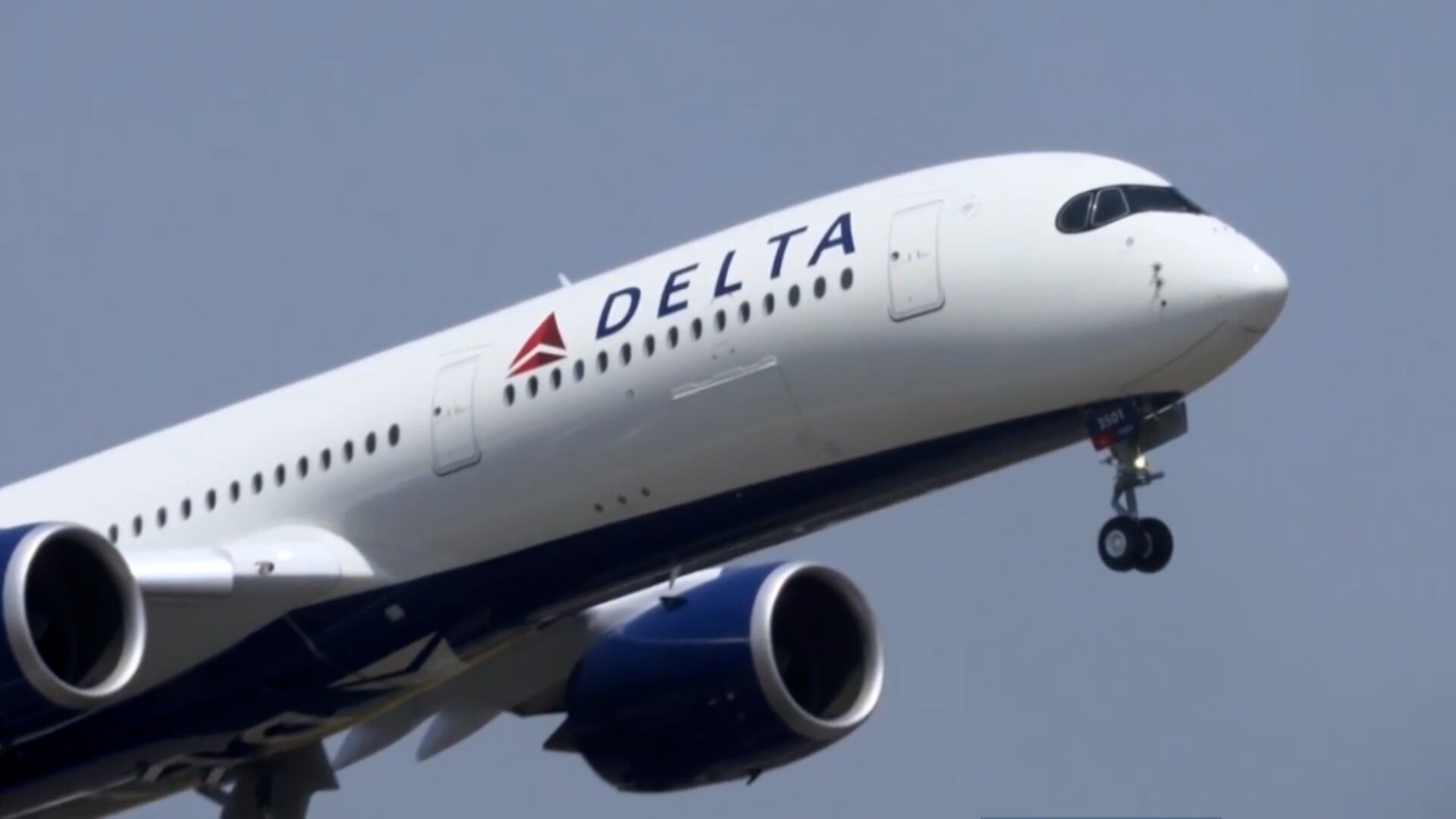
In case you needed yet another incentive to cram all your travel items into a carry-on, Delta Airlines has just boosted the cost of your first checked bag by 17 percent.