Tesla was the worst performing stock in the Cheddar 50 Wednesday, falling more than 7 percent to its lowest level in more than a year.
Shares of the electric automaker were plagued by a downgrade by Moody’s, a crash investigation, and a backlogged production line.
“All those things combined with a skittish technology market...is really weighing on the shares,” explained Efraim Levy, and analyst at CFRA.
On Tuesday, the National Transportation Safety Board announced it is opening an investigation into a fatal car crash involving a Tesla in California last week.
The company hasn’t been able to provide many details about what happened and is still “unclear if automated control system was active at time of crash.” This would be Tesla’s second NTSB investigation in as many years.
Also on Tuesday, Moody’s downgraded Tesla’s credit rating because of a “significant shortfall in the production rate of the company’s Model 3 electric vehicle,” the agency said in a release. This delay may then force the company to seek out extra funding.
However, some experts and investors remain bullish on the carmaker’s long term outlook.
CFRA maintains its hold position on the shares.
“Ultimately, the direction that we’re going is more electrification,” said Levy.
“I would never bet against Elon Musk’s ability to raise capital,” said Frederic Lambert, Editor-in-chief of Electrek. “Historically, he’s been very consistent on that front.”
For the full interview, [click here](https://cheddar.com/videos/cfras-efraim-levy-explains-why-he-maintains-hold-opinion-on-tesla).
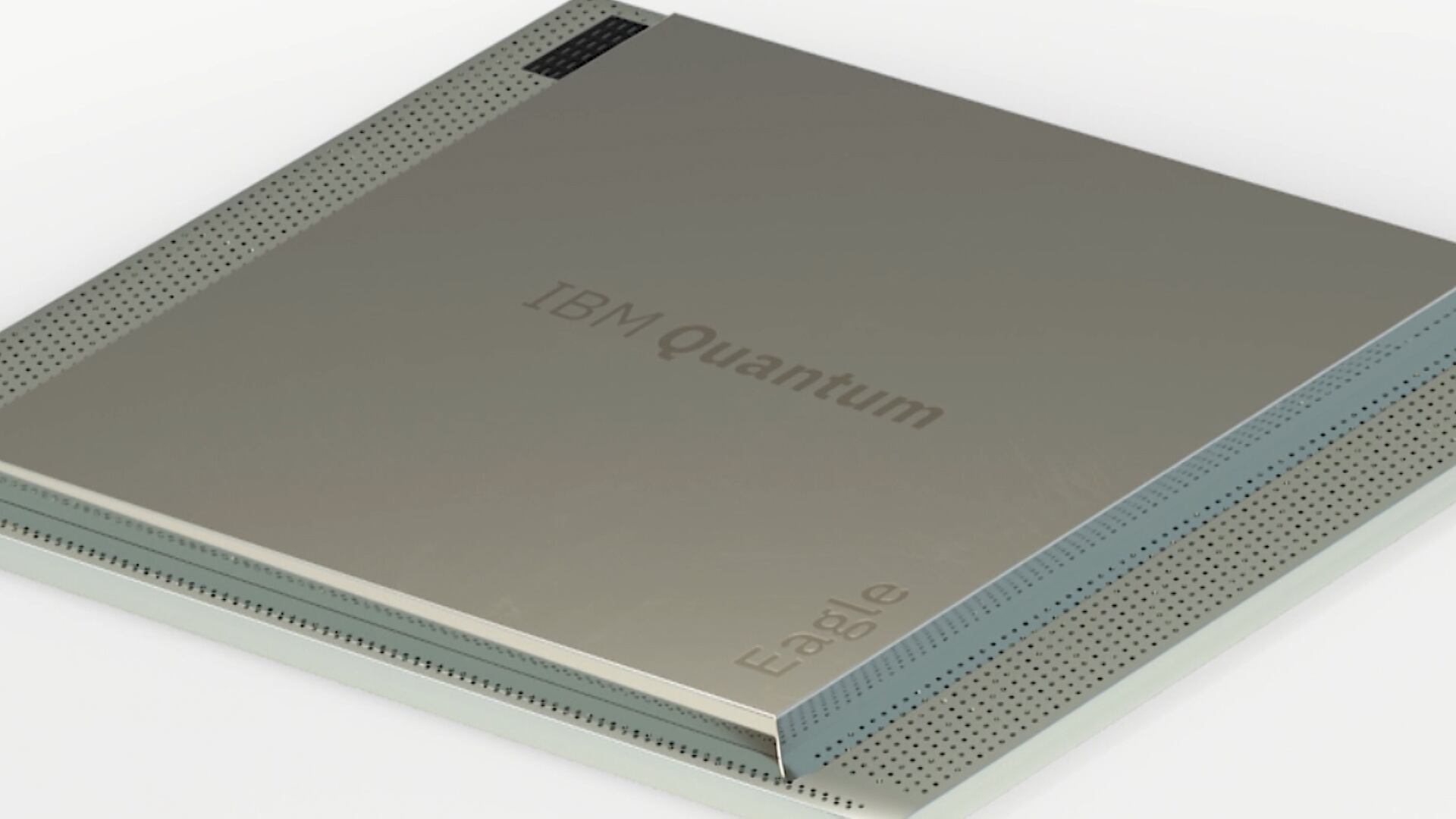
Bob Sutor, the chief quantum exponent at IBM, joined Cheddar to break down what the tech giant's new 127 qubit quantum processor, dubbed Eagle, will mean for computing. "We've broken through the way to scale these quantum devices to be bigger and bigger and therefore to be more useful," he explained. According to Sutor, quantum computing breakthroughs will provide faster or entirely novel solutions to complex, real-world problems in medicine, the creation of new materials, and even optimizing financial services.
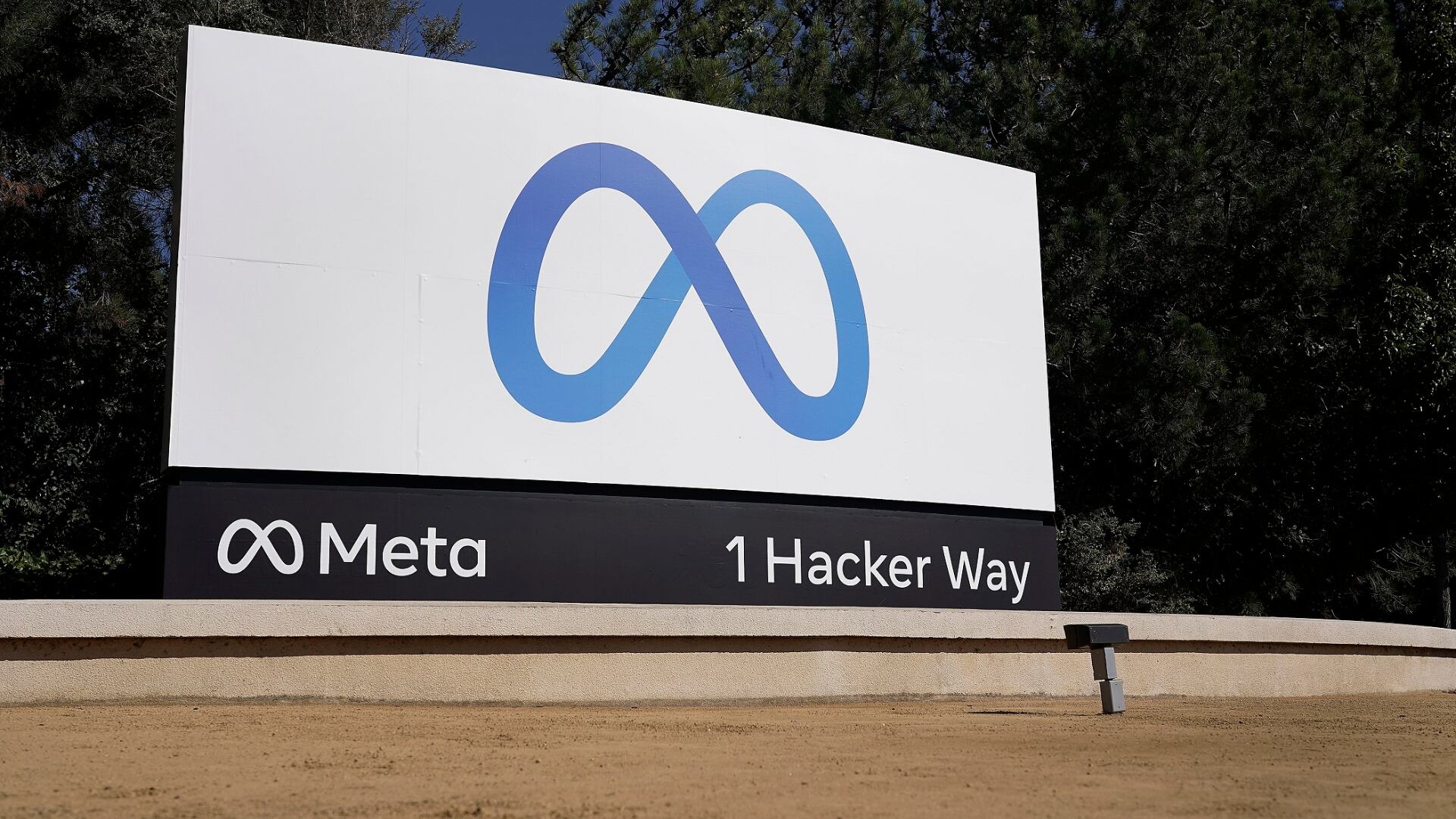
Meta, the parent company of Facebook, is facing a lawsuit from Ohio's attorney general Dave Yost, who said the company misled the public about safety on the platform.
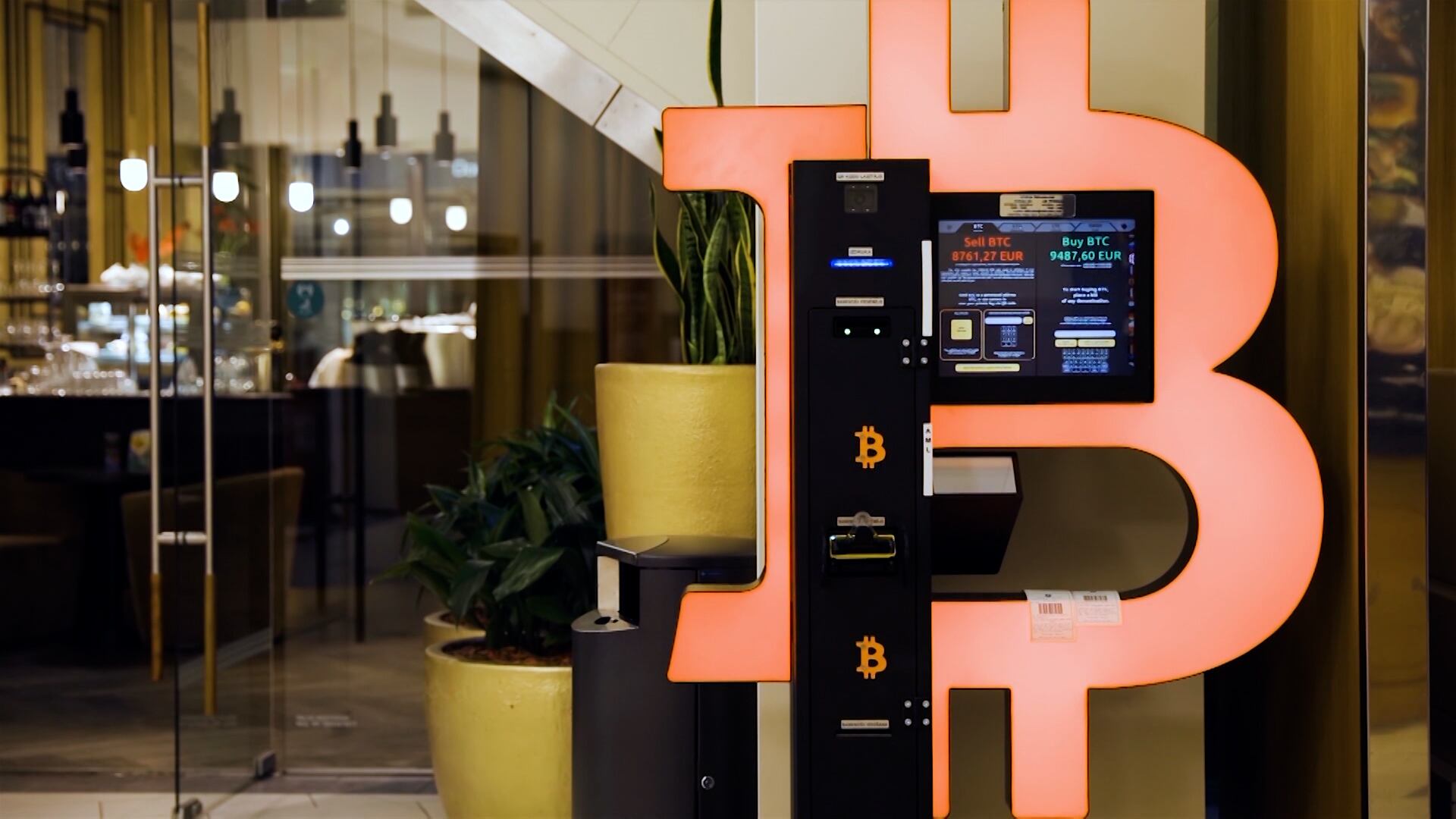
Bitcoin received its first update in four years called Taproot. Unlike the previous bitcoin update in 2017, Taproot has widespread support — in part because these changes involve fairly incremental improvements to the code. Christie Harkin, tech managing editor at CoinDesk, explained what the move could mean for the future of cryptocurrencies as a whole.
Snap has announced a licensing deal with Sony Music, giving its social media platform Snapchat access to the label's entire catalog. The deal now gives the company agreements with all of the major industry labels.
Kyndryl isn't wasting any time as an independent company. Just over a week after spinning off from IBM, the IT infrastructure services provider has announced its first global strategic partner in Microsoft. The two tech giants are coming together to form a new kind of power duo, creating multi-billion dollar revenue opportunities between the companies. Stephen Leonard, global alliances & partnerships leader for Kyndryl, told Cheddar more about the partnership and what it aims to achieve.
Bitcoin has successfully activated Taproot, the cryptocurrency's first major upgrade since 2017 and a highly anticipated change to the blockchain. Taproot will introduce what's known as Schnorr signatures, which will help transactions become more private, efficient and perhaps even less expensive. Robert Hackett, a cryptocurrency expert and journalist, breaks down the new upgrade and what it means for bitcoin users.
Jill is joined by Baker Machado to talk all things infrastructure: where will the money go and who’s in charge? Plus, Sesame Street has its first Asian-American muppet. And a trailer for the trailer for Spiderman. Huh?