Tesla was the worst performing stock in the Cheddar 50 Wednesday, falling more than 7 percent to its lowest level in more than a year.
Shares of the electric automaker were plagued by a downgrade by Moody’s, a crash investigation, and a backlogged production line.
“All those things combined with a skittish technology market...is really weighing on the shares,” explained Efraim Levy, and analyst at CFRA.
On Tuesday, the National Transportation Safety Board announced it is opening an investigation into a fatal car crash involving a Tesla in California last week.
The company hasn’t been able to provide many details about what happened and is still “unclear if automated control system was active at time of crash.” This would be Tesla’s second NTSB investigation in as many years.
Also on Tuesday, Moody’s downgraded Tesla’s credit rating because of a “significant shortfall in the production rate of the company’s Model 3 electric vehicle,” the agency said in a release. This delay may then force the company to seek out extra funding.
However, some experts and investors remain bullish on the carmaker’s long term outlook.
CFRA maintains its hold position on the shares.
“Ultimately, the direction that we’re going is more electrification,” said Levy.
“I would never bet against Elon Musk’s ability to raise capital,” said Frederic Lambert, Editor-in-chief of Electrek. “Historically, he’s been very consistent on that front.”
For the full interview, [click here](https://cheddar.com/videos/cfras-efraim-levy-explains-why-he-maintains-hold-opinion-on-tesla).
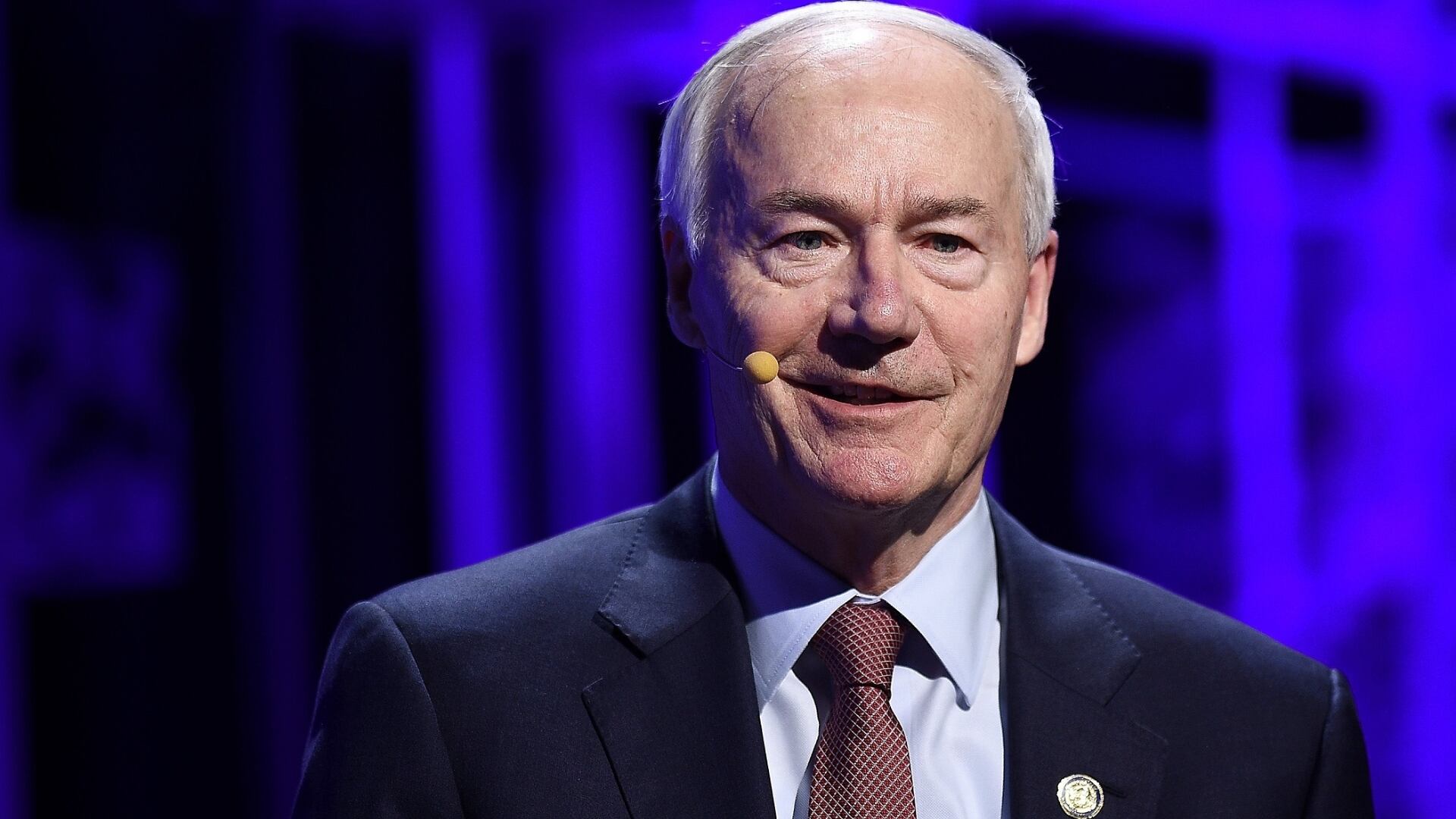
Arkansas is planning to reshape itself by putting a strong emphasis on technology through computer science in the classroom. Governor Asa Hutchinson joined Cheddar News Buffa to discuss the state's efforts to promote itself as a future tech hub. “It gives young people such a huge opportunity for success," he noted. The term-limited governor also touched on the issue of gun ownership, offering up the idea of possibly raising the age limit to obtain rifles like the AR-15 to 21 instead of 18 as it currently stands.
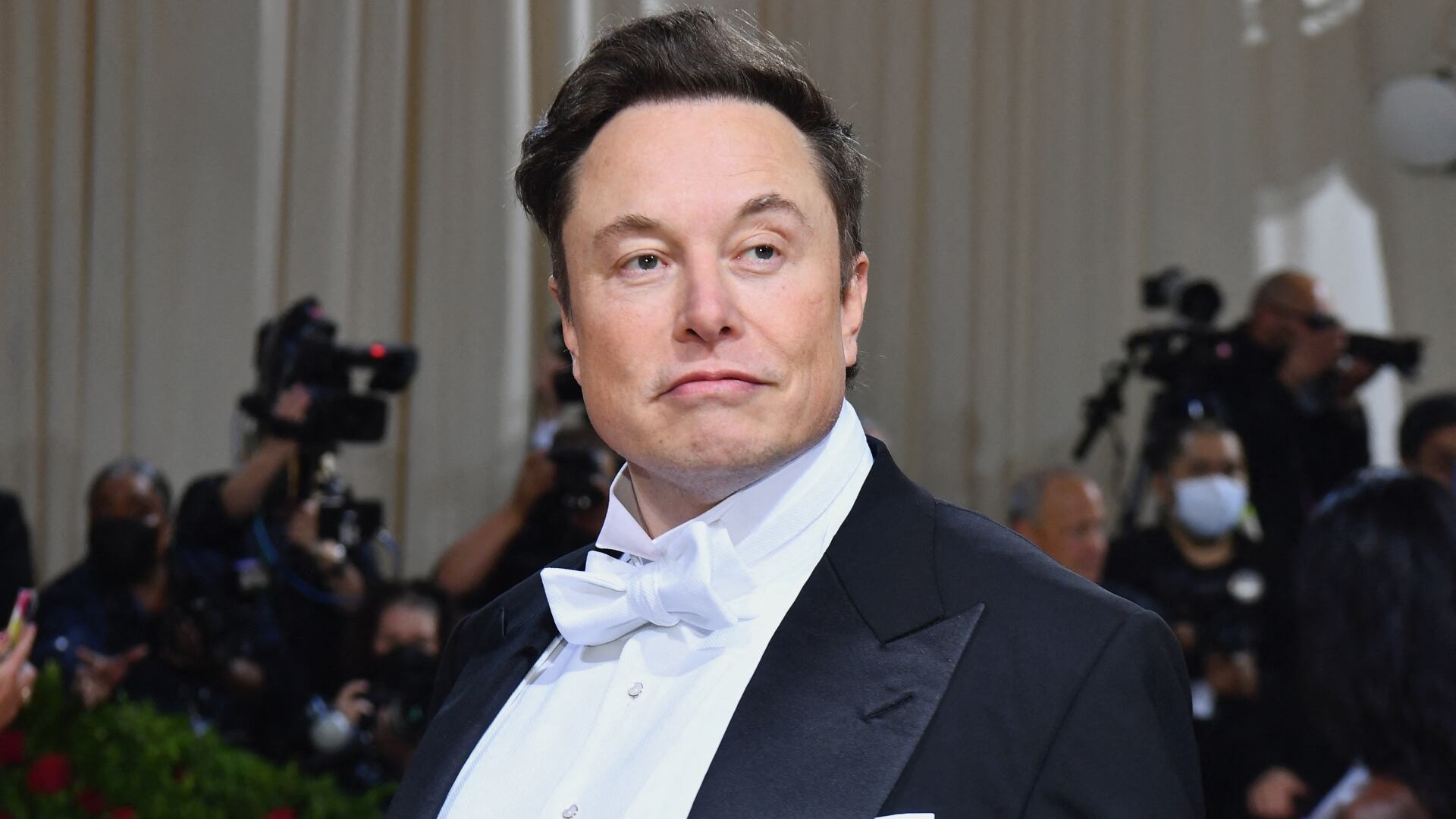
Elon Musk is demanding his Tesla employees to return to the office full time, a minimum of at least 40 hours a week. The CEO also took a shot at other companies who have some form of work-from-home status. The ultimatum comes at a tumultuous time for Musk with the reveal of a sexual misconduct scandal and his attempted Twitter purchase.
Bindu Sundaresan, Director, AT&T Cybersecurity, joins Cheddar to discuss best practices and important cybersecurity milestones to hit for any organization, and how small business owners can think about cyber beyond technology and compliance.
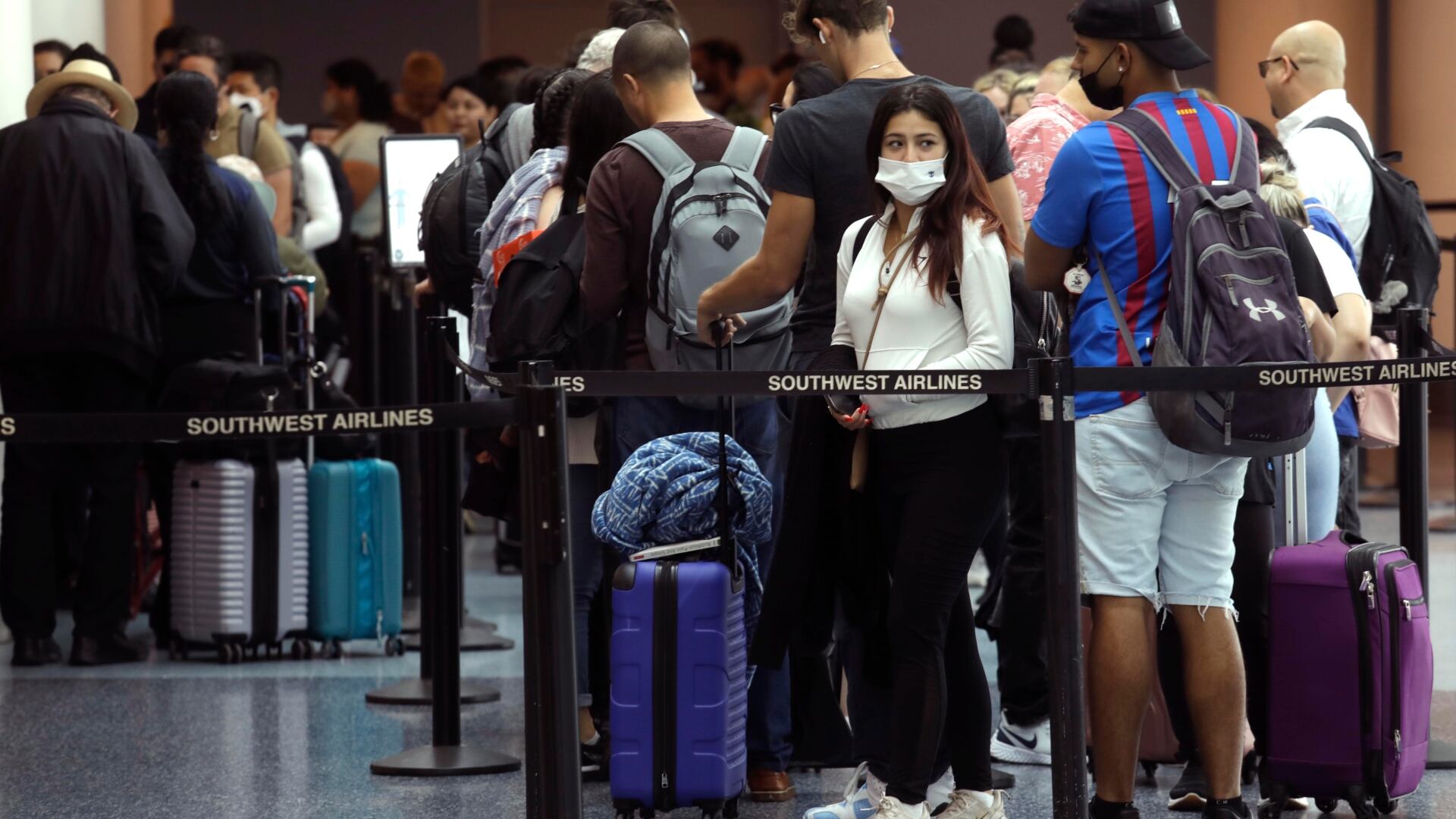
Memorial Day rang in the unofficial start of summer here in the United States -- and with it, the unofficial start of summer travel. Whether consumers traveled by air or by land, they probably experienced some form of frustration over the weekend. Flyers faced delays and cancellations, and drivers faced the most expensive gas prices ever recorded on Memorial Day. Zach Griff, Senior Aviation Reporter for the Points Guy, joins Cheddar News' Closing Bell to discuss.
Next-generation gaming ecosystem Joystick recently raised $8 million in a seed round and is in the process of raising a $110 million Series A funding round. Gaming ecosystems are a relatively new type of platform in the Web3 space, allowing users to maximize their play-to-earn gaming opportunities, exchange crypto-currencies, and sell their digital assets. Joystick says its platform is flipping the current model on its head by giving players the opportunity to keep 100% of the revenue they earn. Robin Defay, co-founder and CEO of Joystick, and Michael Le, co-founder of Joystick and TikTok content creator, join Cheddar News' Closing Bell to discuss.
The dating app Bumble has sponsored bills and pushed lawmakers to criminalize the online practice of sending unsolicited nudes or “cyberflashing." Payton Iheme, Bumble's head of public policy for the Americas, joined Cheddar News to discuss why the app was going after the harassing behavior beyond its own platform. "Now, while we went to work internally in the company, and we created something called private detector to automatically blur those images so the user can decide if they want to see them, there's nothing for the rest of the internet," she said. "And so that's why we went to work with these laws."