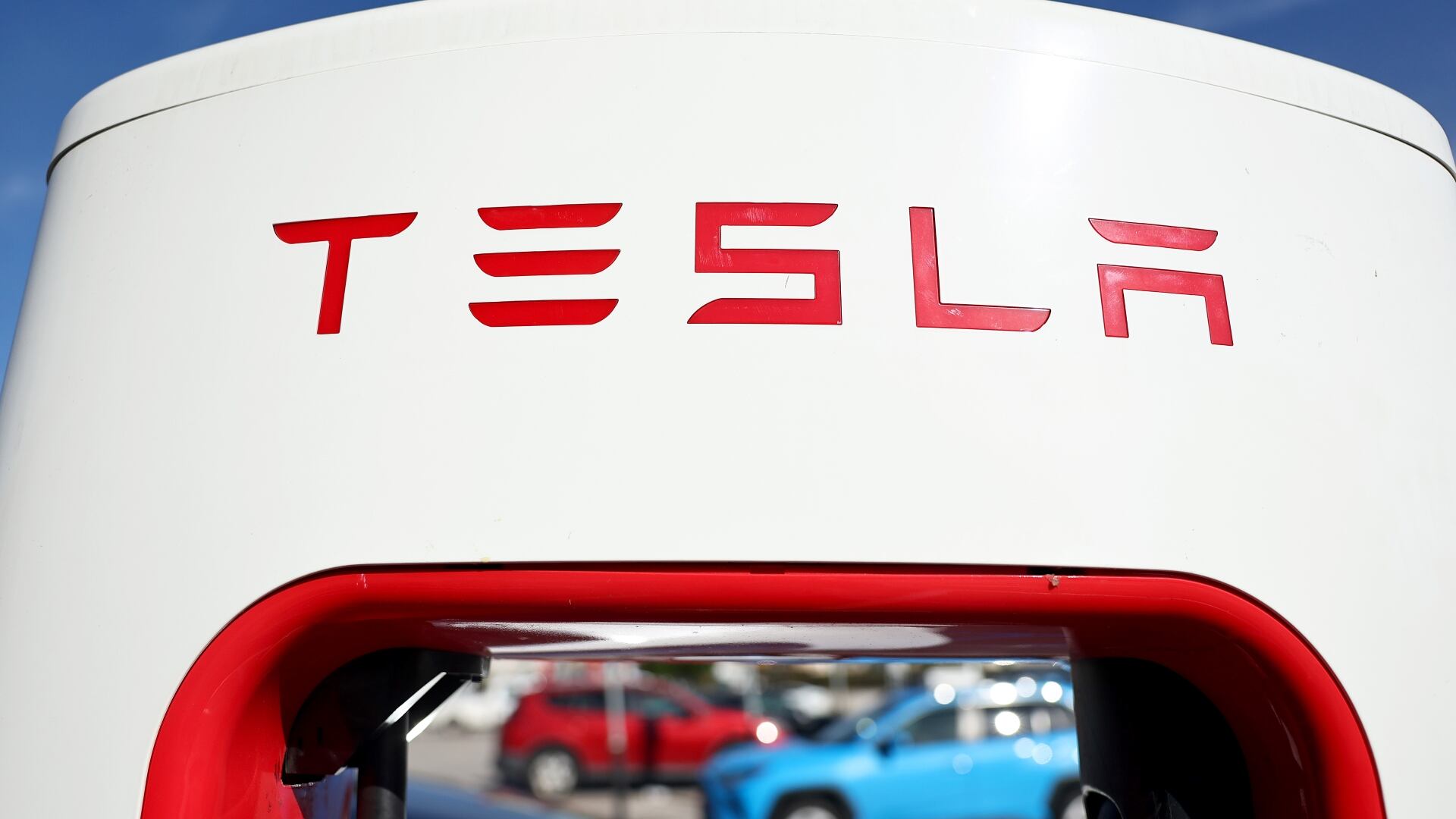
The “Cyber Rodeo at Giga Texas,” an invitation-only party for thousands of guests at Tesla’s new billion-dollar-plus “Gigafactory” in Austin, was the biggest secret and the toughest ticket in town Thursday.
As many as 15,000 people were expected to attend the private event hosted by Tesla mogul Elon Musk to mark the opening of the new factory in Travis County that also serves as the company's new home following its move from California.
A county-issued permit said the event included interactive tours, food, alcohol and live entertainment. But the event was off-limits to the general public and the news media.
Musk has said the plant, which would employ up to 10,000 workers, would build its Cybertruck, Semi, Model 3 and Model Y sport utility vehicles. Last month, he also opened another “Gigafactory” on the outskirts of Berlin to produce the Model Y SUV.
The U.S. economy grew at an unexpectedly brisk 3.3% annual pace from October through December as Americans showed a continued willingness to spend freely despite high interest rates and frustrating price levels.
Alan Becker, CEO and Investment Adviser Representative at Retirement Solutions Group and RSG Investments, shares his thoughts on the latest GDP data plus why he's not sold cryptocurrency as a long-term asset.
The Biden administration wants to ban another type of bank “junk fee," targeting fees that are typically charged by banks when a transaction is declined in real time.
Al Root, senior writer at Barron’s, breaks down everything expected from Tesla’s earnings report, from Elon Musk’s demands from the board to why the market has been looking for affordable EV options.
Online retailer eBay Inc. will cut about 1,000 jobs, or an estimated 9% of its full-time workforce. The announcement follows similar moves by other tech companies that ramped up hiring during the pandemic while people spent more time and money online.
Tony Drake, CFP at Drake and Associates, LLC shares thoughts on whether the record gains in technology will broaden to other sectors, the risks of the Fed keeping interest rates higher for too long, and the health of the U.S. consumer.
The Federal Trade Commission ruled that Intuit engaged in deceptive practices by running ads claiming consumers could file their taxes for free using TurboTax — when many taxpayers did not qualify for such free offerings.