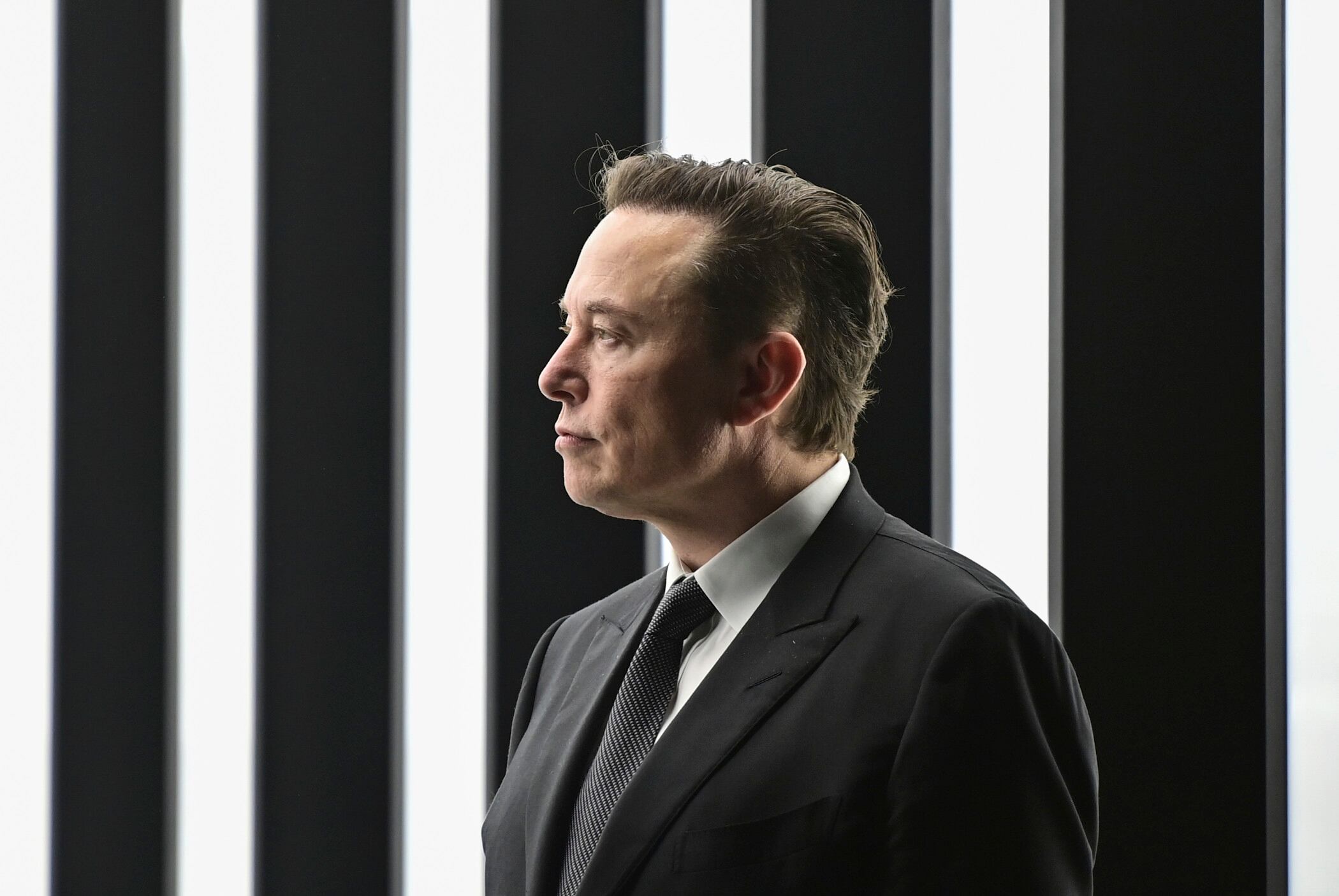
Tesla responded to reports Monday that it asked suppliers to refund money already spent, saying the requests were made on ongoing, long-term projectsーnot on contracts that were already complete. That response came in reaction to a Wall Street Journal story which sent shares down as much as 6.6 percent in early trade. According to a memo obtained by the Journal, a global supply manager at Tesla asked for cash back on purchases from as long ago as 2016, saying refunds were necessary for the company to remain viable and to ensure both it and the parts maker could grow. Tying the suppliers' fortunes in with Tesla's could help persuade them, said Tim Higgins, the technology and automotive reporter at the Wall Street Journal who broke the story, even if they feared renegotiating would set a bad precedent. "If you're concerned about a company going forward, you want to help them make it through a difficult patch. There's also the idea of, well, maybe there's bigger business down the road. Those sorts of inputs go into the calculation," Higgins said in an interview with Cheddar. Tesla's attempt to get price cuts demonstrates the company's tenuous position as it looks to ramp up production, especially of its latest Model 3, in the face of a dwindling cash stockpile. Hitting a sustained production rate of 5,000 of those vehicles a week ー a goal the company met for the first time in the last week of the second quarter ー is seen as crucial for eventually helping the company become cash flow positive. CEO Elon Musk has said the company won't need to raise more funds, but Tesla has been burning through about a billion dollars in cash a quarter and, at the end of March, had $2.7 billion left on its balance sheet. Cash flow will be the focus of Tesla's second quarter earnings on August 1. "Analysts almost universally agree that Tesla's going to need to raise more money and likely has the ability to do it," said Higgins. "It's that the CEO doesn't want to do it, and that is creating some of the pressure here." For the full interview, [click here](https://cheddar.com/videos/teslas-showing-signs-of-desperation).