Telehealth company Hims & Hers is making its stock market debut Thursday after completing a merger with special purpose acquisition vehicle (SPAC) Oaktree Acquisition Corp.
The San Francisco-based company made its name by offering online consultations and discreet shipping for men's personal care products treating hair loss and erectile dysfunction, but it has since expanded into women's products and a suite of primary care and mental health offerings.
In New York City, the brand's cheeky subway ads have been ubiquitous since the company launched in 2017.
Andrew Dudum, founder and CEO of Hims & Hers, told Cheddar the company is well-positioned to take advantage of the emerging field of telehealth.
"It's just an amazing opportunity to bring great consumer-first access to health care to the masses for $20 to $30 per person," he said. "When you think about the traditional health care system, for most of us, a co-pay on our insurance plan might be $40 or $50 dollars just to see a doctor once."
Hims & Hers' model has powered nearly three million telemedicine consultations since its launch, according to the company. This has fueled a surge in revenue growth amid the coronavirus pandemic, with the company posting a 91 percent year-over-year gain in the third quarter of last year.
Despite these gains, Hims & Hers remains unprofitable, but Dudum said the cost of acquiring new customers is falling as the brand achieves greater awareness among consumers.
"As we get bigger, as people more know of our brand and talk about our brand, our ability to acquire customers at more efficient cost is only getting more improved," he said.
Dudum explained that the company had been exploring a traditional IPO until this year's SPAC boom offered an efficient alternative.
"We decided to go public via SPAC because for so many reasons it was more efficient, more affordable, and a lot more flexible than the traditional IPO process," he said. "The SPAC process takes roughly six months or so to go public, relative to maybe 12 or 18 months with a traditional IPO."
Not only is April Financial Literacy Month, it’s also the kickoff of the spring homebuying season. So now is the time to make sure you have a financial plan in place – and why it might not be wise for that to include buying your first home.
While the U.S. may slowly be on the path to lowering inflation (and therefore interest rates), Europe has thoroughly trounced America, putting it on the path to lower rates by this summer.
April's release of the monthly Housing Starts and Building Permits reports by the Census Bureau provides crucial insights into the construction activity in the housing market. These reports are an economic indicator, shedding light on the current state of the housing market and its broader economic impact.
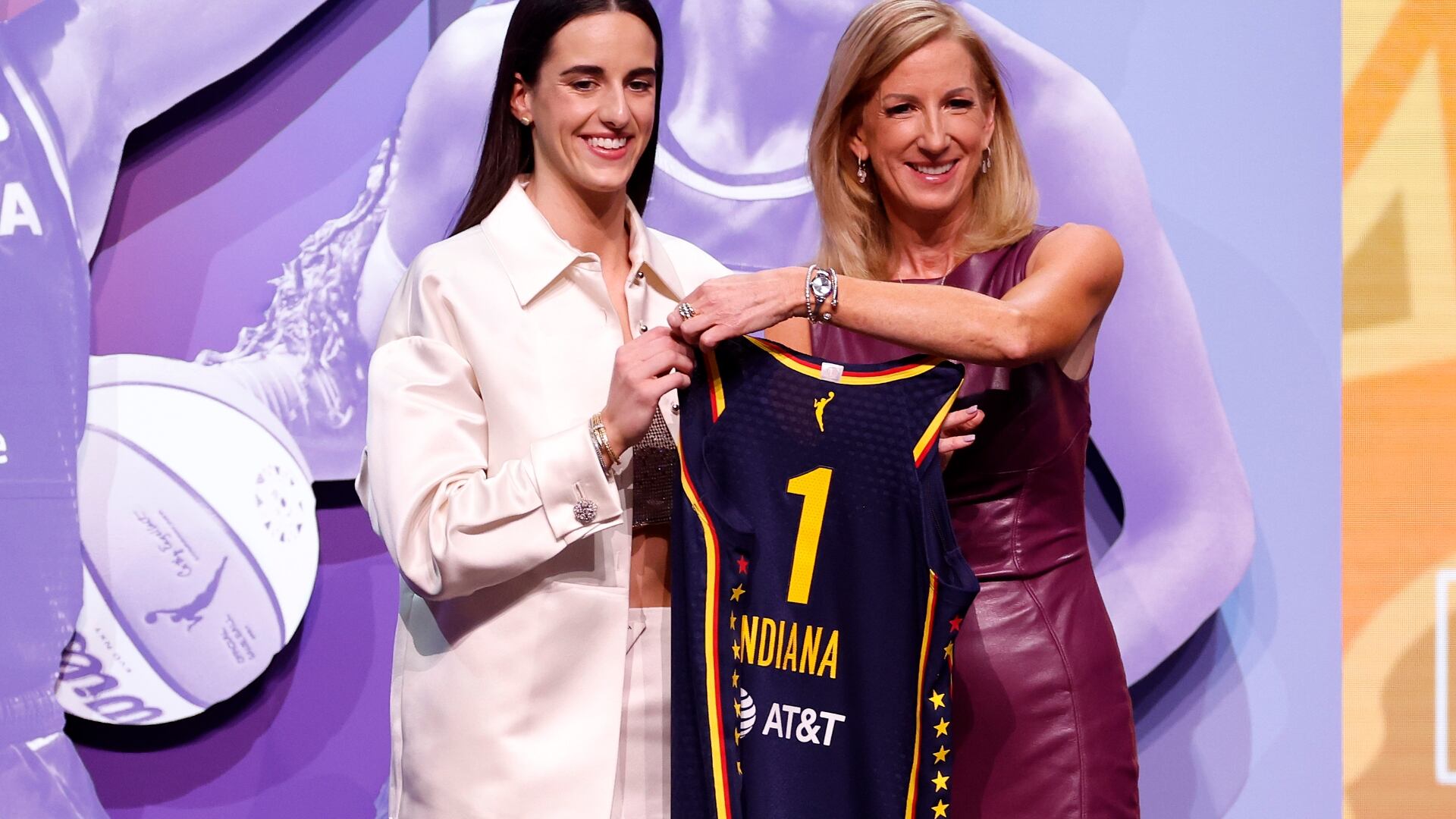
Caitlin Clark is heading to the Indiana Fever, the number one draft pick and the highest-scoring college basketball player of all time. And while she may not be getting millions from the WNBA, there's a few ways she'll net compensation for her generational talents.
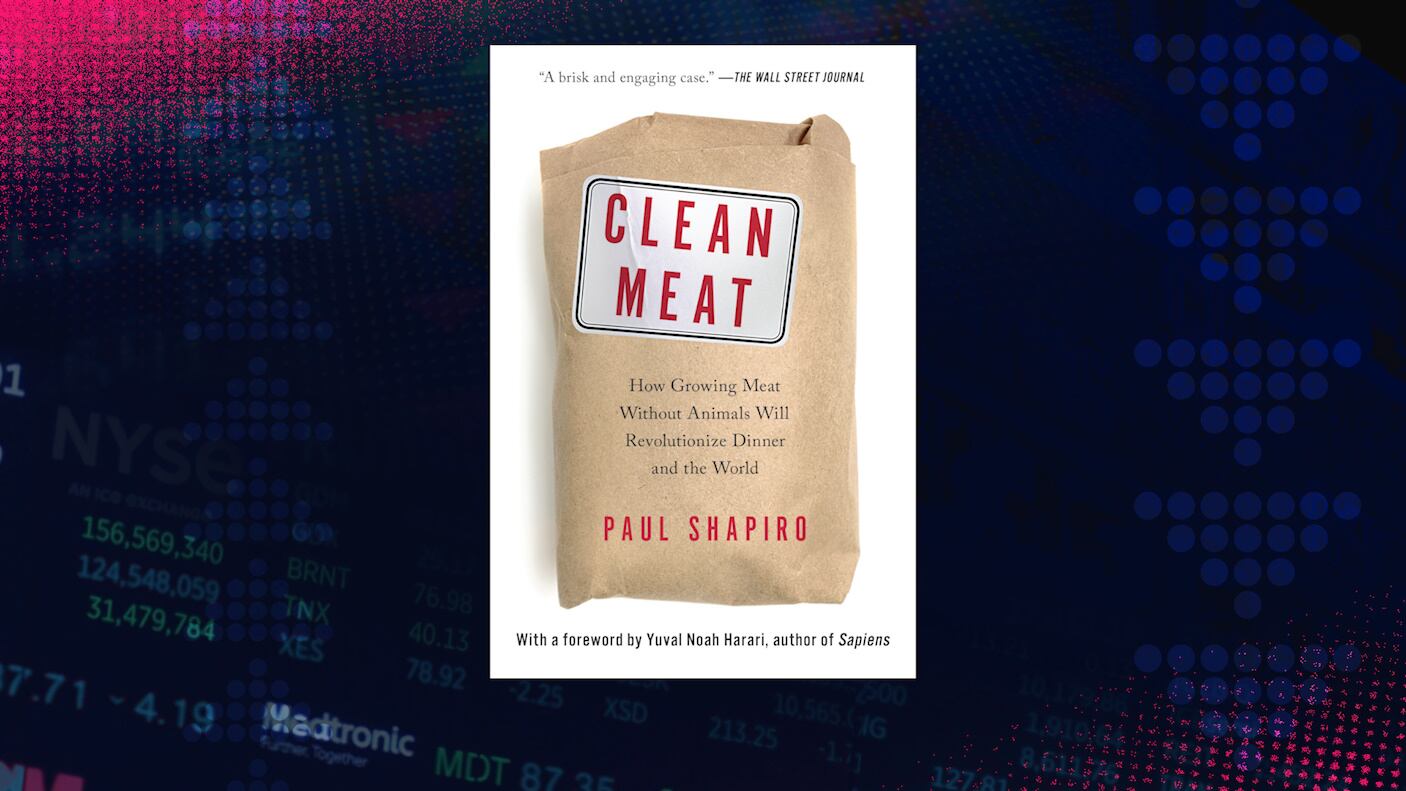
Author of 'Clean Meat,' Paul Shapiro joins Cheddar to discuss how the cellular agricultural revolution helps lower rates of foodborne illness and greatly improves environmental sustainability. Plus, how his company The Better Meat Co. is bringing healthier food options to the table.
Recent headlines might make it sound like World War III is imminent, but when it comes to your finances, it's not the time to panic. The market is coming off its longest winning streak since 2011.
You may have noticed fewer new venture capital-backed startups (like Airbnb or Uber) lately. The market slowed to a crawl after 2021, but things are expected to take off again in 2025.
Corporate earnings season is underway, that time when companies share their billions in sales or double-digit profits. But the data shows even companies are struggling with high inflation and interest rates.
Boeing continues their terrifying trend of having their planes fall apart mid-flight, inflation — checks notes — is still up and the future of AI looks terrifying. Cheery!
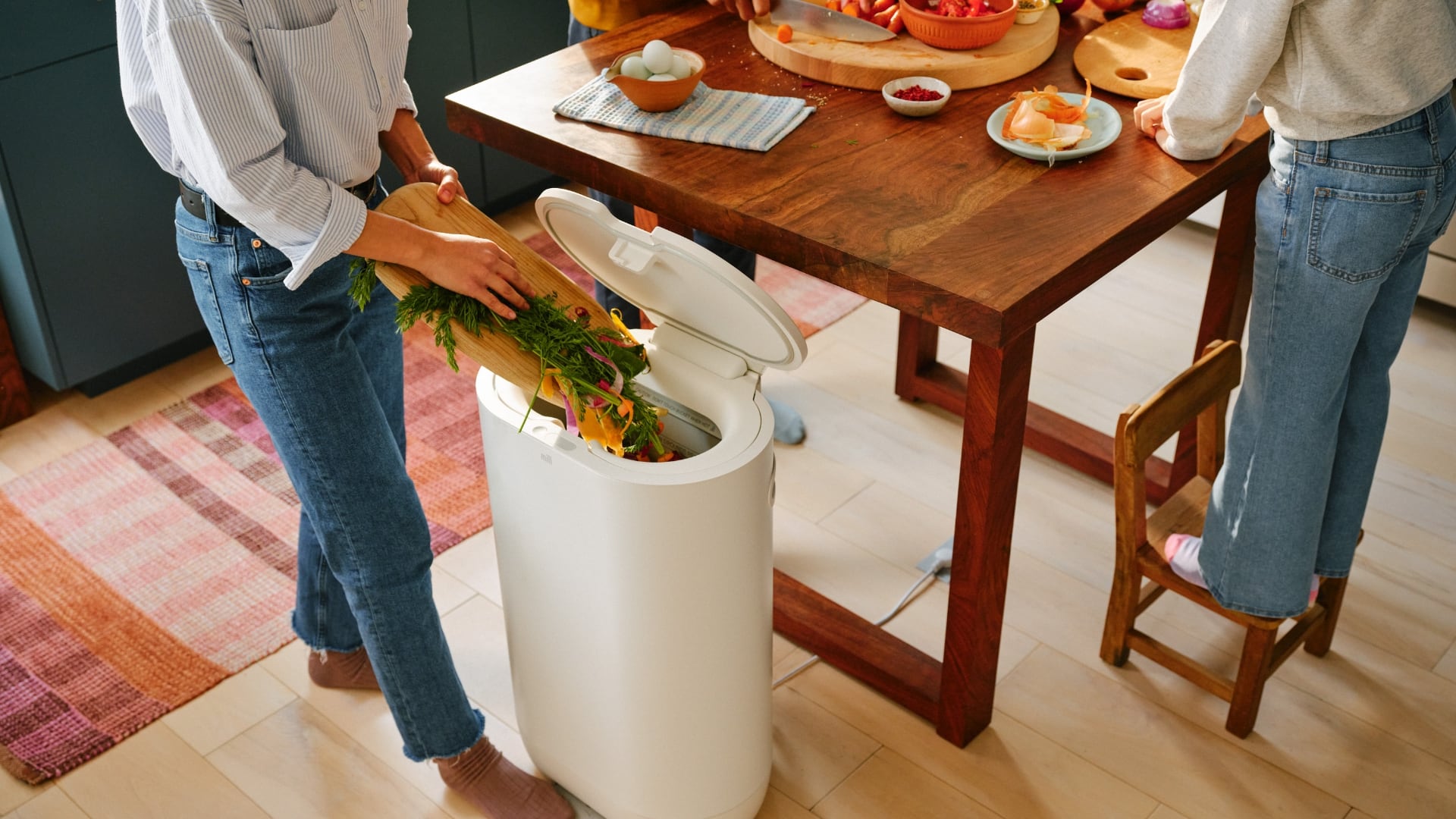
Food waste – uneaten scraps or leftovers sent to landfills – is responsible for 10% of global emissions. Mill, a new product from the co-founder of Nest, thinks technology can play a role in eliminating it.