Tax Reform, the Budget, and Sexual Politics in Washington
Nick Johnston, Editor in Chief at Axios, and Nate Madden, CRTV's Congressional Correspondent, give a preview of the upcoming weeks in Washington, including a discussion about the women accusing President Trump of assault and the future of tax reform and budget agreements.
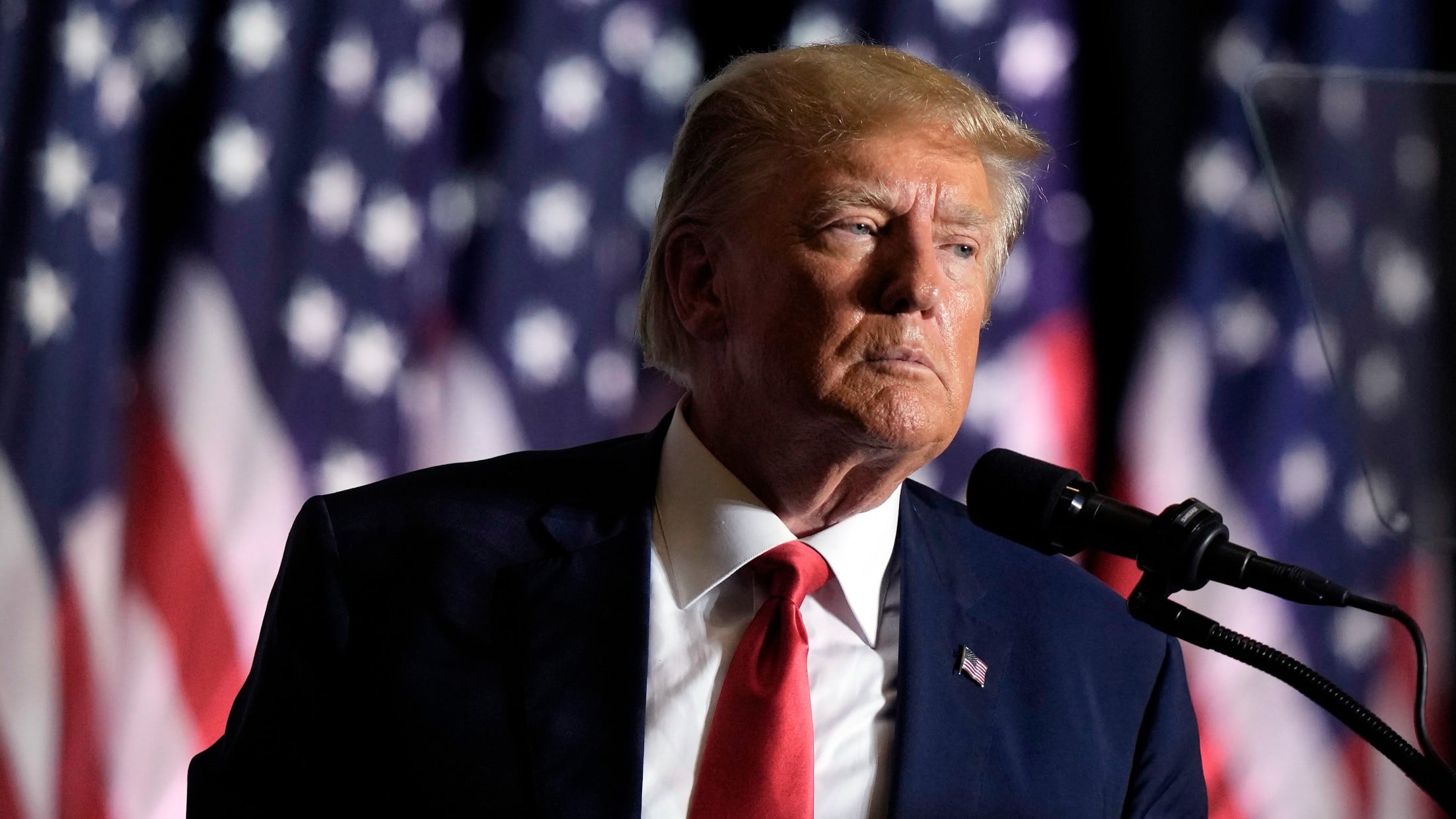
Johnston weighs in on whether President Trump will face the same repercussions that other men in powerful positions have faced in recent weeks over accusations of sexual harassment and assault. Three of the president's accusers spoke out Monday about their allegations.
Madden discusses the pressures the GOP faces to pass a piece of legislation before year's end, blaming the failure of healthcare reform on Congress as a whole, rather than on the President's administration.
We discuss the issues around the budget that are up for debate, including everything from funding Planned Parenthood to immigration to the border wall with Mexico. Nick does not think there will be a shutdown because neither party will want to deal with the fallout.
We also talk Roy Moore, as the Alabama Senate race comes to a close, with Nick noting how profound it is that an Alabama Senate race is competitive.
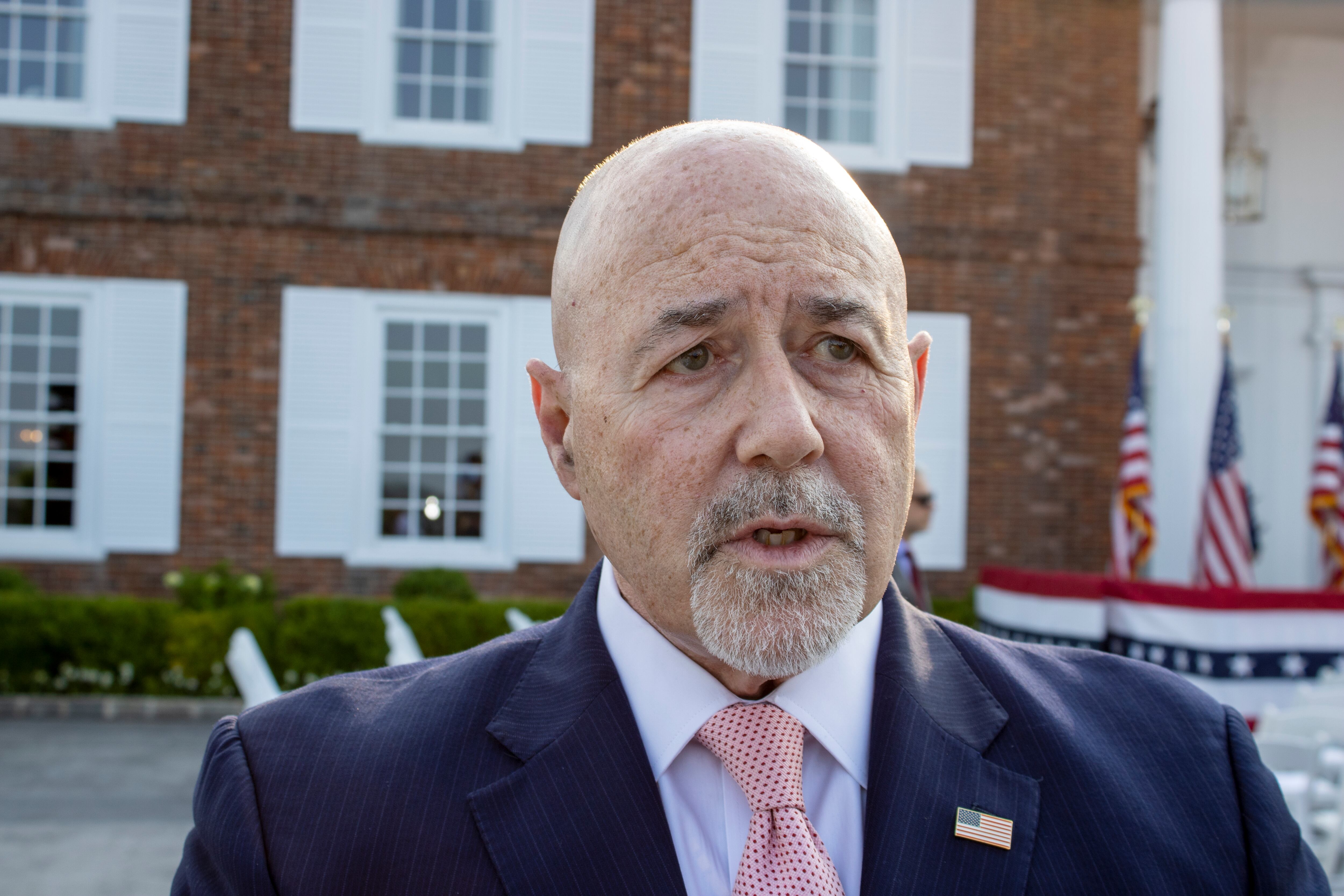
The lawyer for former NYPD commissioner Bernard Kerik turned over thousands of pages and documents to a special counsel as part of an investigation into Kerik's alleged involvement to overturn the results of the 2020 election.
Israel’s parliament on Monday approved the first major law in Prime Minister Benjamin Netanyahu’s contentious plan to overhaul the country’s justice system, triggering a new burst of mass protests and drawing accusations that he was pushing the country toward authoritarian rule.
North Korea fired two short-range ballistic missiles into its eastern sea, South Korea’s military said Tuesday, adding to a recent streak in weapons testing that is apparently in protest of the U.S. sending major naval assets to South Korea in a show of force.
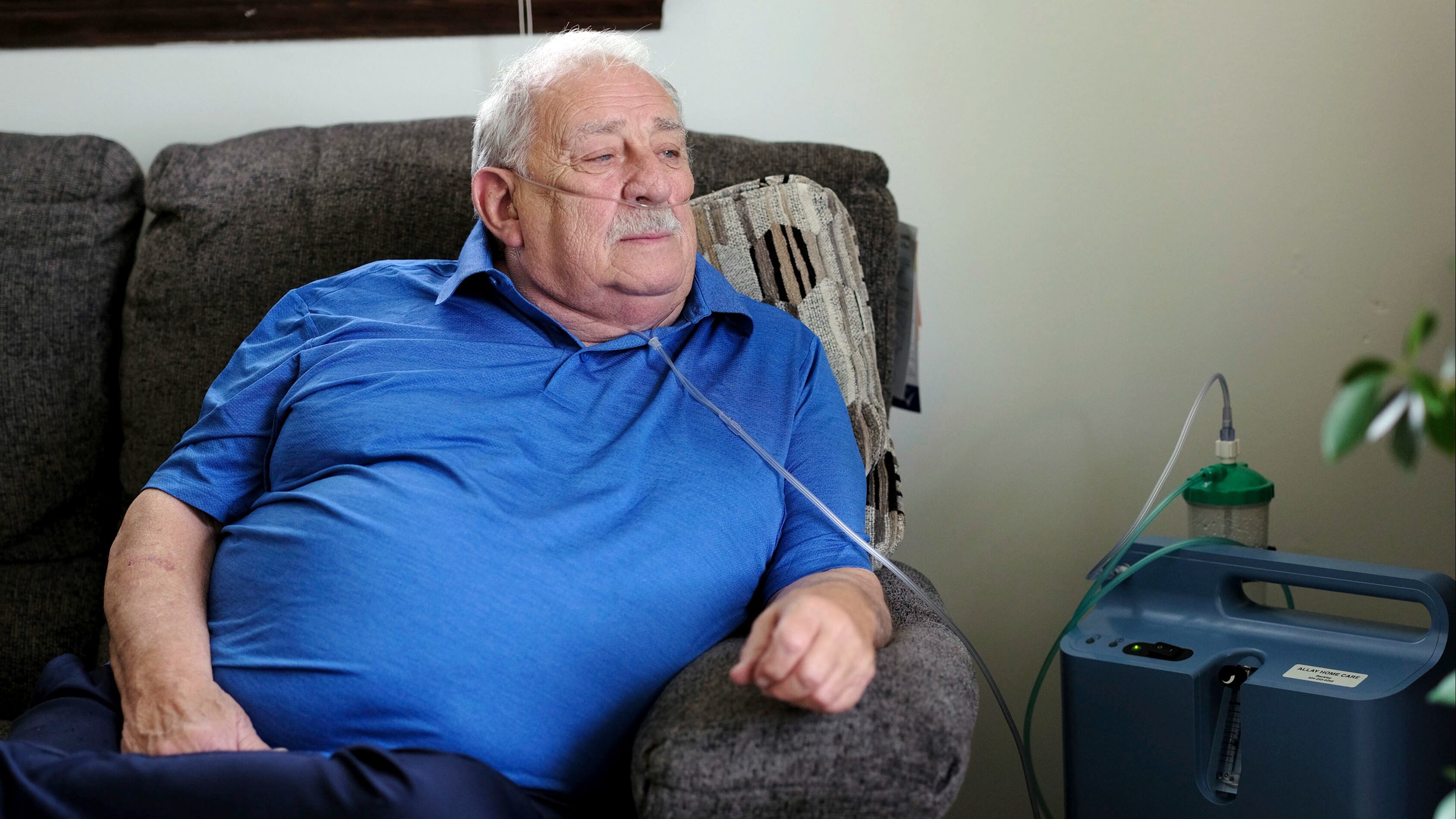
Now the federal Mine Safety and Health Administration has proposed a rule that would cut the current limit for silica exposure by half — a major victory for safety advocates. But there is skepticism and concern about the government following through after years of broken promises and delays.
A state trooper's account of officers denying migrants water in 100-degree Fahrenheit (37.7 Celsius) temperatures and razor wire leaving asylum-seekers bloodied has prompted renewed criticism.