T-Mobile U.S. President: Strong Growth Will Bolster Sprint Merger Bid
*By Jeffrey Marcus*
T-Mobile announced Wednesday it had its best second quarter ever, booking earnings of $0.92 per share on $10.6 billion in total revenueーincluding a record $7.9 billion from services.
The wireless provider also added 1.6 million new customers, the 21st consecutive quarter in which subscribers grew by more than 1 million, the company said. T-Mobile also increased its target for branded postpaid customers to 3.6 million by the end of the year.
T-Mobile U.S. president and COO Mike Sievert said Wednesday in an interview with Cheddar that the company's growth would strengthen its hand in a proposed merger with rival Sprint. After several failed attempts which spanned a couple years, the companies announced an agreement to merge in April and have been working to earn government approval on the promise of increased competition from fewer, stronger rivals.
"The capacity of this network will create competition," Sievert said. "When we get this network built, it is going to have seven times the capacity of today's Sprint and T-Mobile combined. That's going to create a level of competition that AT&T, Verizon, and Comcast have never seen."
For more on this story, [click here](https://cheddar.com/videos/t-mobile-president-reacts-to-q2-earnings-and-merger-with-sprint).
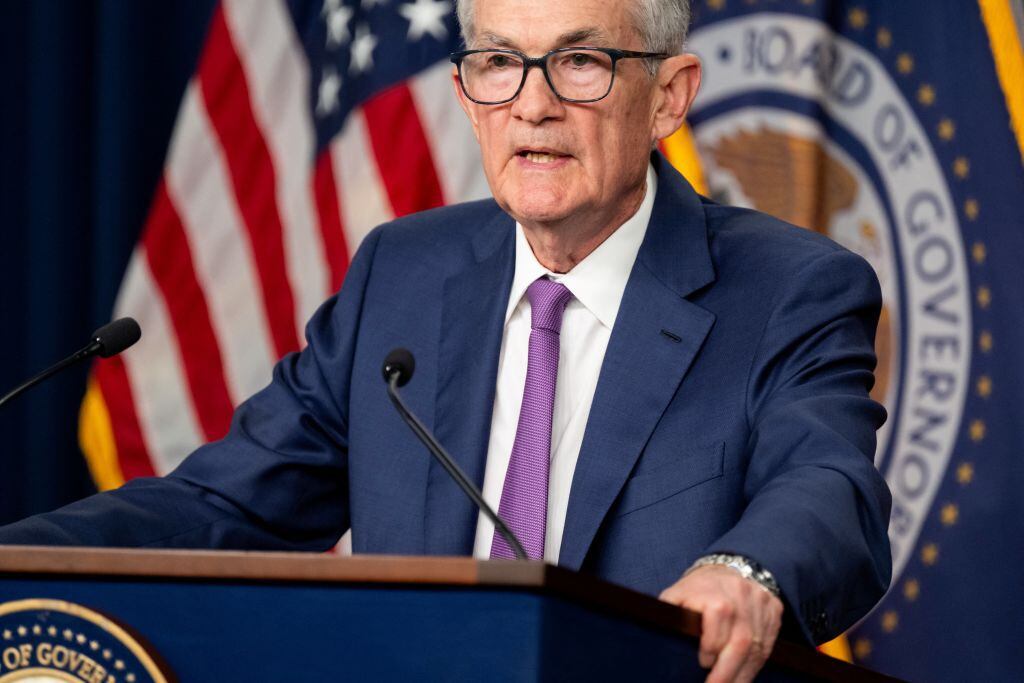
The major indices reached all-time highs this week – but when it comes to that Dow Jones record, veteran CIO Kevin Mahn says, ‘I don’t even look at the Dow.’
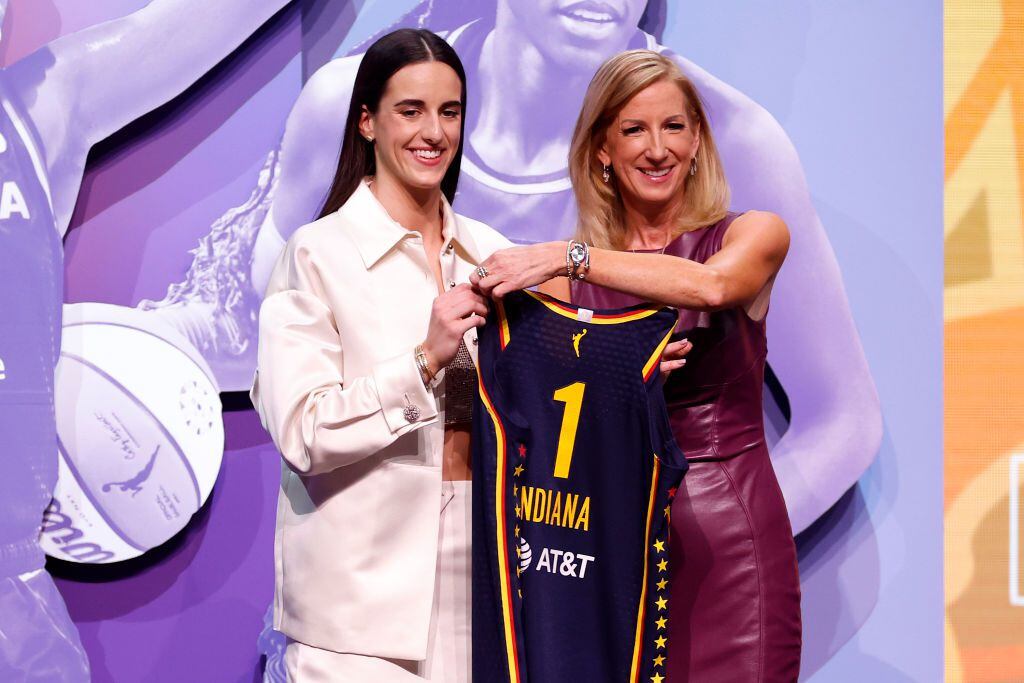
The WNBA is gearing up for what is sure to be an incredible season — with sold out crowds and high ratings. It's Caitlin's world, we're just living in it.
Tipping expectations have increased. A 2023 survey revealed that approximately 72% feel they are now asked to tip service workers more often than before.
Inflation-weary Americans are still spending money every month, but the April numbers show they’re starting to cut back on a few types of expensive purchases.