T-Mobile U.S. President: Strong Growth Will Bolster Sprint Merger Bid
*By Jeffrey Marcus*
T-Mobile announced Wednesday it had its best second quarter ever, booking earnings of $0.92 per share on $10.6 billion in total revenueーincluding a record $7.9 billion from services.
The wireless provider also added 1.6 million new customers, the 21st consecutive quarter in which subscribers grew by more than 1 million, the company said. T-Mobile also increased its target for branded postpaid customers to 3.6 million by the end of the year.
T-Mobile U.S. president and COO Mike Sievert said Wednesday in an interview with Cheddar that the company's growth would strengthen its hand in a proposed merger with rival Sprint. After several failed attempts which spanned a couple years, the companies announced an agreement to merge in April and have been working to earn government approval on the promise of increased competition from fewer, stronger rivals.
"The capacity of this network will create competition," Sievert said. "When we get this network built, it is going to have seven times the capacity of today's Sprint and T-Mobile combined. That's going to create a level of competition that AT&T, Verizon, and Comcast have never seen."
For more on this story, [click here](https://cheddar.com/videos/t-mobile-president-reacts-to-q2-earnings-and-merger-with-sprint).
As we head into the second quarter, there’s an argument in favor of buying Boeing stock. Why? As one expert says, ‘there’s nowhere else to get planes.’
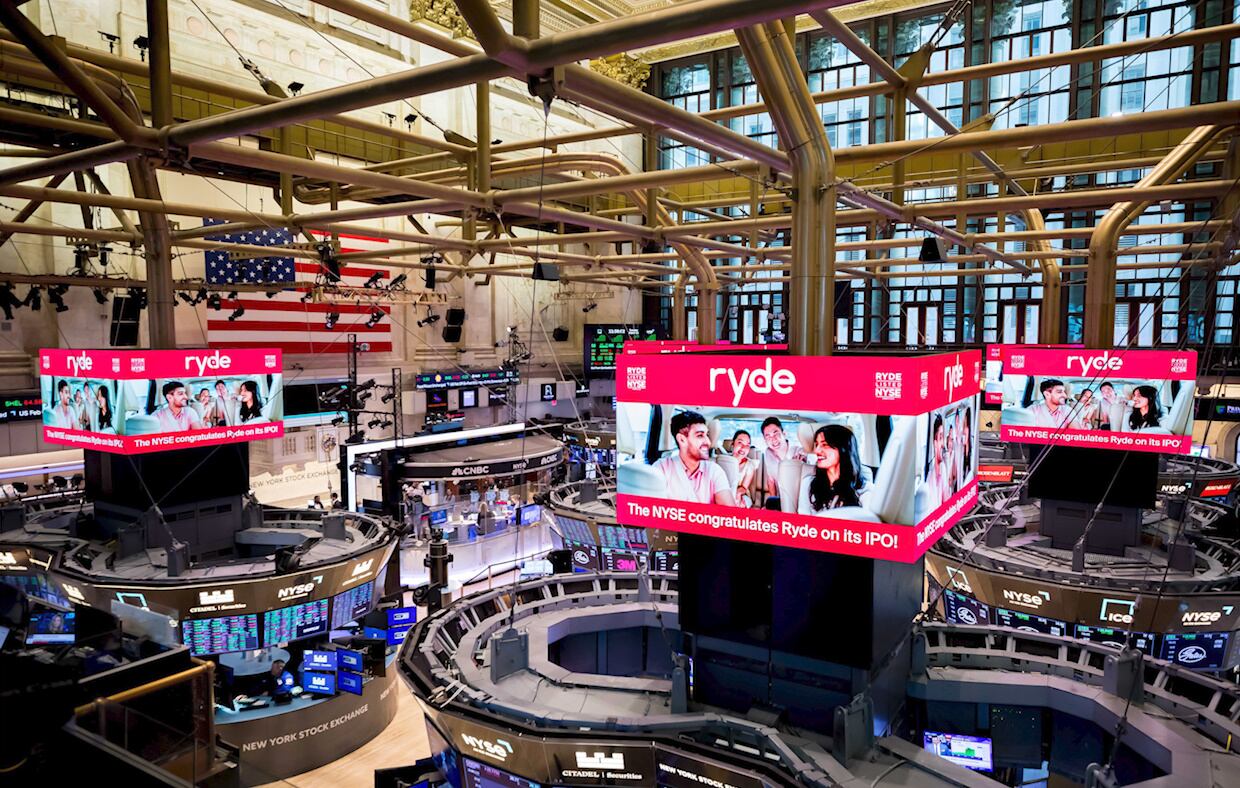
With inflation and prices still on the rise, it might be worth considering a carpool app. One of them, Singapore-based Ryde, just went public in the U.S.
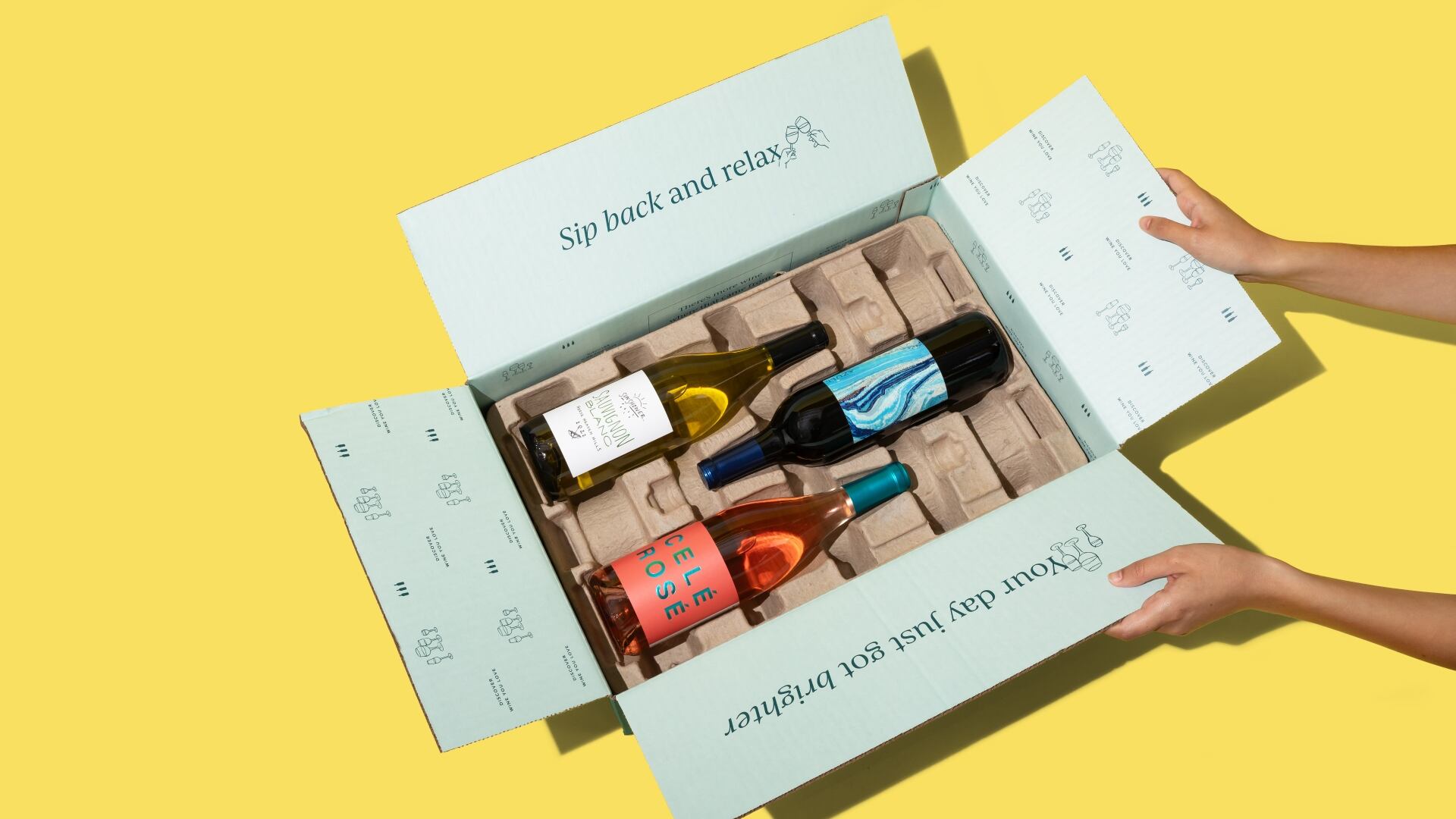
Full Glass Wine Co., the company behind Bright Cellars, Wine Insiders, and Winc, knows you fell in love with home delivery during the pandemic – and it’s investing millions into making it even better.
It might sound counterintuitive, but the Fed cutting interest rates three times this year could cause inflation to spike and actually be worse for markets and the economy as a whole.
Imagine a world with just a handful of mediocre beer options. Terrible, right? That was the U.S. before the explosion of craft breweries, the Samuel Adams founder says.