T-Mobile says it is investigating a leak of its data after someone took to an online forum offering to sell the personal information of cellphone users.
The company said Monday that it has confirmed there was unauthorized access to “some T-Mobile data” but was still determining the scope of the breach and who was affected. It also said it was confident that it has closed the entry point used to gain access.
Vice’s Motherboard reported Sunday that someone who posted in an underground forum was offering to sell personal data from more than 100 million people.
The Vice report says the data includes Social Security numbers, phone numbers, names, physical addresses, unique device identifiers and driver license information.
T-Mobile said in an emailed statement Monday that it hasn't yet determined if any personal customer data was involved and could not confirm the reported number of records affected.
“We take the protection of our customers very seriously and we are conducting an extensive analysis alongside digital forensic experts to understand the validity of these claims, and we are coordinating with law enforcement,” it said.
T-Mobile, which is based in Bellevue, Washington, became one of the country’s largest cellphone service carriers, along with AT&T and Verizon, after buying rival Sprint.
The U.S. economy is being held up in part by the AI boom, but that boom could still lead to broader prosperity or inequality, says a Nobel Prize winner.
Foundation Robotics co-founder Michael LeBlanc explains how humanoid robots are moving from the lab to military and industrial missions and what comes next.
Jeff Burnstein, President of the Association for Advancing Automation (A3), discusses humanoid robots, AI, smart manufacturing, and the future of U.S. industry.
Should kids be banned from social media? Nick Lichtenberg of Fortune breaks down the global push to restrict under-16 users and what it means for Big Tech.
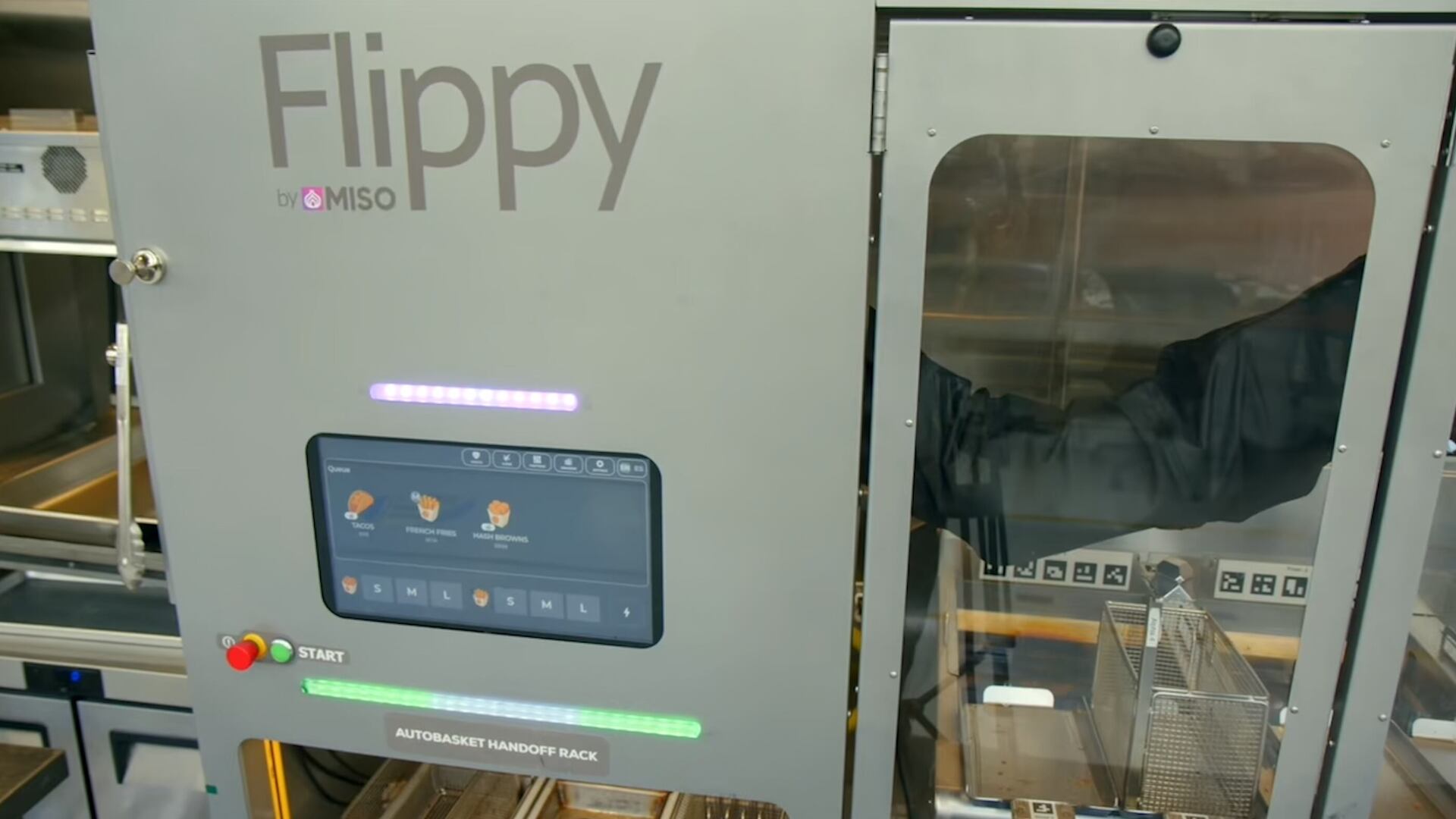
Miso Robotics CEO Rich Hull discusses Flippy Fry Station, the future of AI-powered restaurant automation and how acquiring Zume's IP could reshape food robotics
After two years of AI-fueled spending, Wall Street is asking what's next. Gil Luria breaks down monetization, valuations, winners, losers, and AI's future.