Swizz Beatz: Young Creatives Can't Forget the 'Business' in Art Business
*By Chloe Aiello*
Even for Kasseem Dean ー a.k.a accomplished producer, rapper, and art enthusiast "Swizz Beatz" ー the hustle never stops.
And after more than two decades in the music industry, Dean's best advice for young creatives is to never forget the "business" part of the art industry.
"Understand the business that you're in. We devote so much time to the creative that we miss out on the business. So it's the music business, fashion business, art business ー and a lot of creatives miss the business part and they waste their time," Dean told Cheddar on Thursday.
The music mogul released "Poison" earlier this month. The studio album, his second, is his first release since since 2007, and features collaborations with Nas, Lil Wayne, and Kendrick Lamar, among other industry heavyweights.
Dean may be thriving, but he experienced struggles during his early days in the business ー and he more than understands how unforgiving it can be, especially in the age of streaming platforms like Spotify ($SPOT), [which famously pays artists very little to stream their music.](https://www.digitalmusicnews.com/2018/01/16/streaming-music-services-pay-2018/).
"There is no perfect way" to achieve success in the music industry, Dean said, whether an artist is signed to a major label and on Spotify, or independent and on YouTube. It's about the business plan ー and monetizing everything from merchandise to touring.
"That's why I left the music industry for so long, to diversify my portfolio and get into designing cars, watches, fashion ー just different things so I don't have that much pressure on me when I'm doing music. It's a thing that's fun," he added.
Beyond the music industry, Dean has a passion for the arts.
Along with Keys, he founded The Dean Collection, an organization that aims to support aspiring artists and democratize art, often through grants and "No Commission" art fairs, which return all proceeds to the artists. [The Dean Collection's next event](https://dean-collection.com/#mainRoom) is scheduled for Dec. 6 and 7 during Miami Art Week.
As half a million Ukrainians fled when Russia invaded its neighbor, some civilians chose to stay in harm's way. Igor Gamaniuk, a 17-year-old Ukrainian college student, joined Cheddar News to talk about his decision to remain in his beloved country and volunteer to support soldiers with food, clothing, and supplies. "Right now people are pretty calm in my town. We are trying not to panic. But we have to be cautious because every day and every night the siren could sound and we have to move away from the window or go to the nearest shelter," Gamaniuk explained.
A hospital basement in Ukraine’s coastal city of Mariupol has transformed into a bomb shelter and maternity ward amid shelling during Russia’s invasion.
To kick off Women's History Month, Luminary will be hosting its first annual #InThisTogether Summit. Cate Luzio, founder and CEO of Luminary, joins Cheddar News to discuss the event.
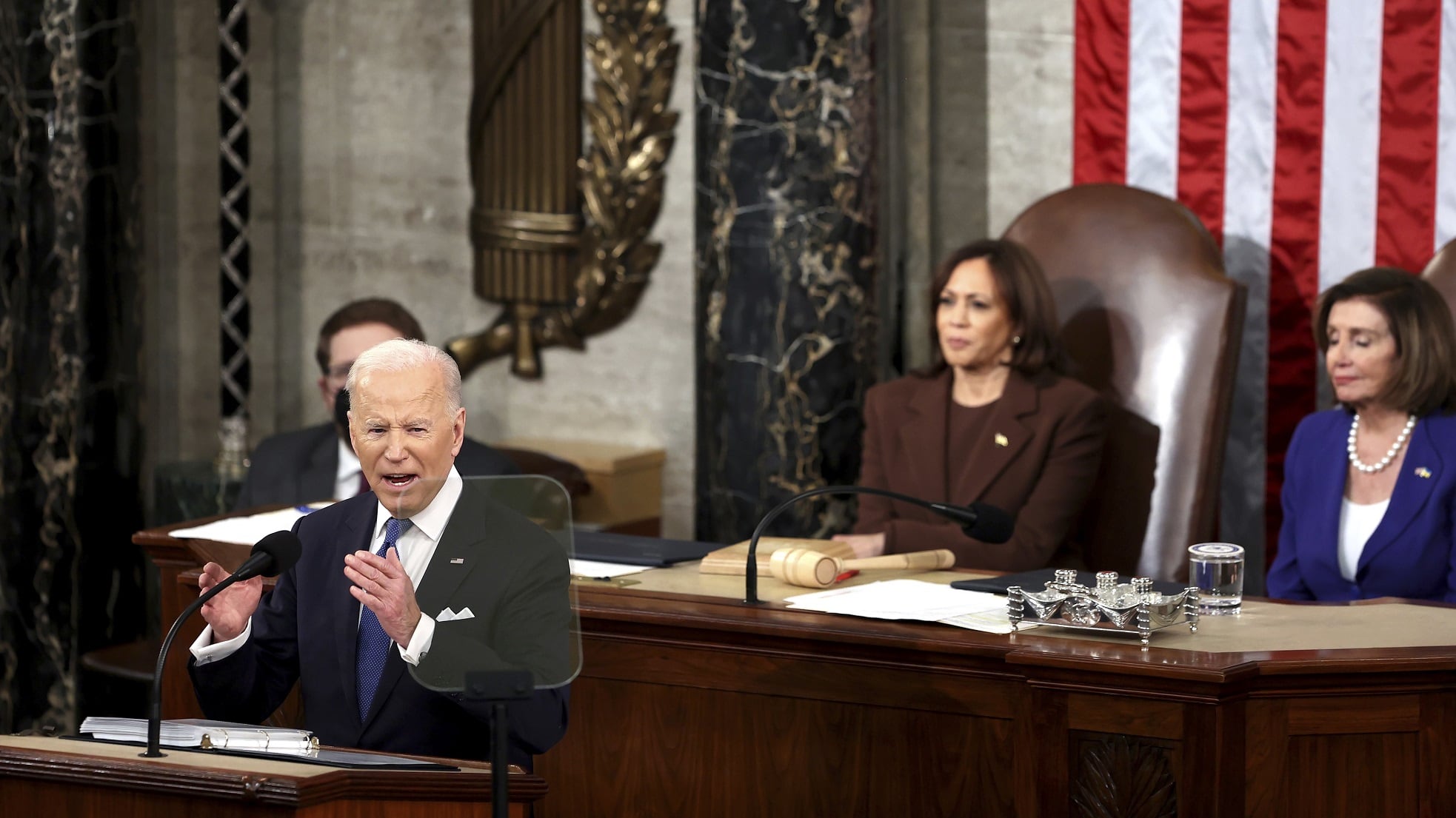
President Biden says the union is strong, Russia is attacking civilians, and Mardis Gras returns! Here is all you Need2Know for Wednesday, March 2, 2022.
World leaders are currently dealing with a handful of pressing issues, including Russia's invasion of Ukraine, inflation, and not to mention the COVID-19 pandemic; but it could be argued that the most pressing issue is one that has experienced its fair share of neglect in the past -- climate change. As tensions escalate between Russia and Ukraine, there is fear the focus on climate will once again be pushed aside. However, the White House appears to be making some effort to prevent that from happening. The White House Office of Science and Technology held a first-of-its-kind roundtable discussion with some of the nation's leading climate scientists on Thursday. Michael Mann, Director of the Earth System Science Center at Pennsylvania State University, and author of the book 'The New Climate War' joins Cheddar News' Closing Bell to discuss his experience as one of the climate scientists at the White House event.
U.S. stocks rebounded to end higher on Thursday after President Biden announced new sanctions against Russia following the country's attack on Ukraine. The Dow was down 859 points at its lowest point of the session, before ultimately finishing the day in the green. Melissa Armo, founder and owner of the Stock Swoosh, joins Cheddar News' Closing Bell to discuss.
Professional golfer Phil Mickelson issued an apology this week after facing backlash over comments he made in support of a golf tour backed by Saudi Arabia. The proposed golf league is called the Super Golf League and is funded by the Public Investment Fund, the financial arm of the Saudi government. Mickelson faced criticism after seeming to imply that he was willing to overlook the Middle Eastern country's human rights record in order to create a league that would rival the PGA Tour. David Salituro, PGA sportswriter for fansided.com, joins Cheddar News' Closing Bell to discuss.
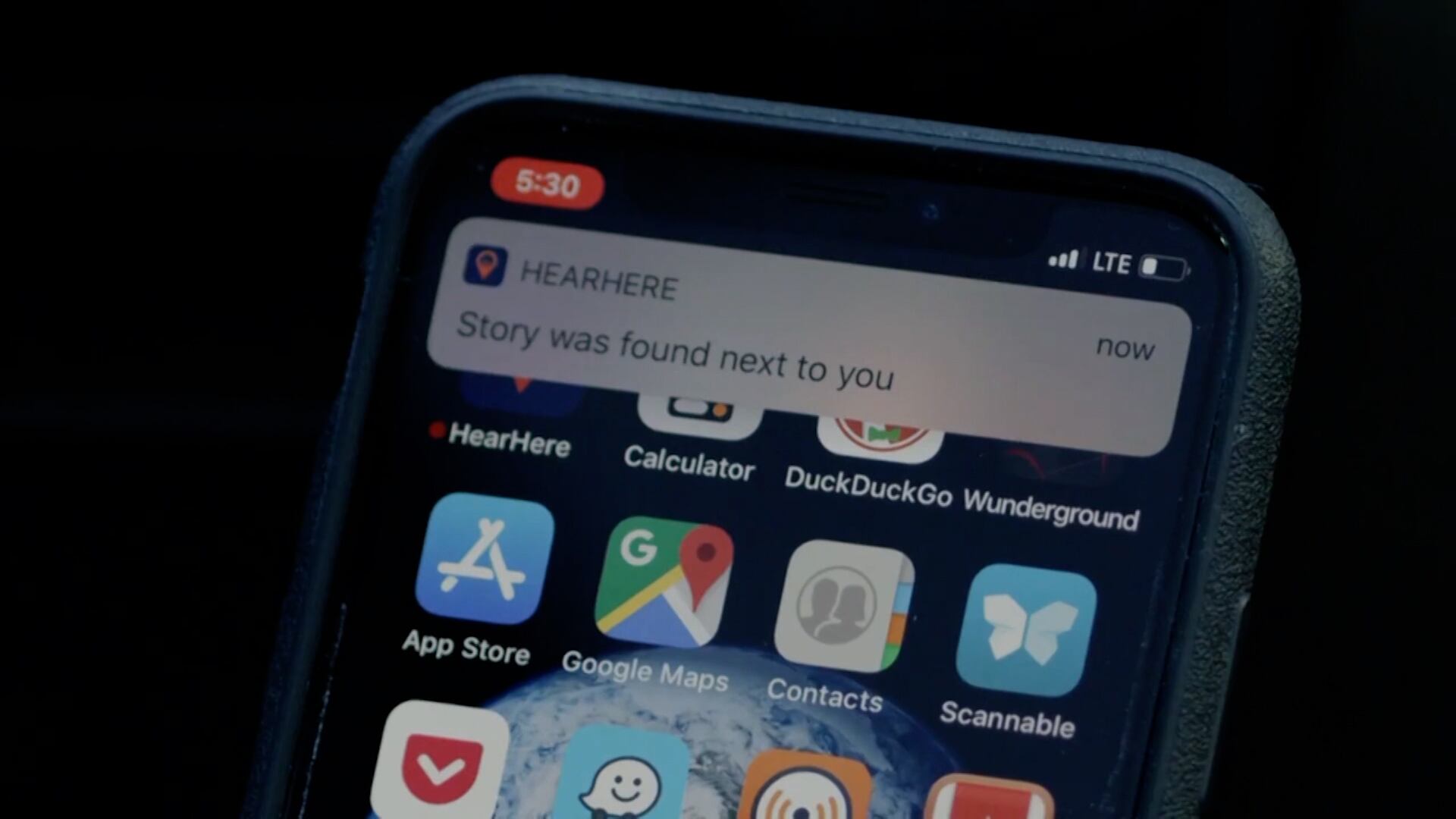
HearHere bills itself as a mobile audio entertainment app for road trips. The company just announced $3.2 million in seed funding led by Camping World, a retail company that sells recreational vehicles and camping supplies. HearHere's GPS-powered app offers over 8,880 stories across the continental U.S. and serves up the stories based on a users' geographic location and interests. The stories are narrated by some big-name celebrities including actor Kevin Costner, who is a co-founder of the company. Woody Sears, co-founder and CEO of HearHere, joins Cheddar News' Closing Bell to discuss.
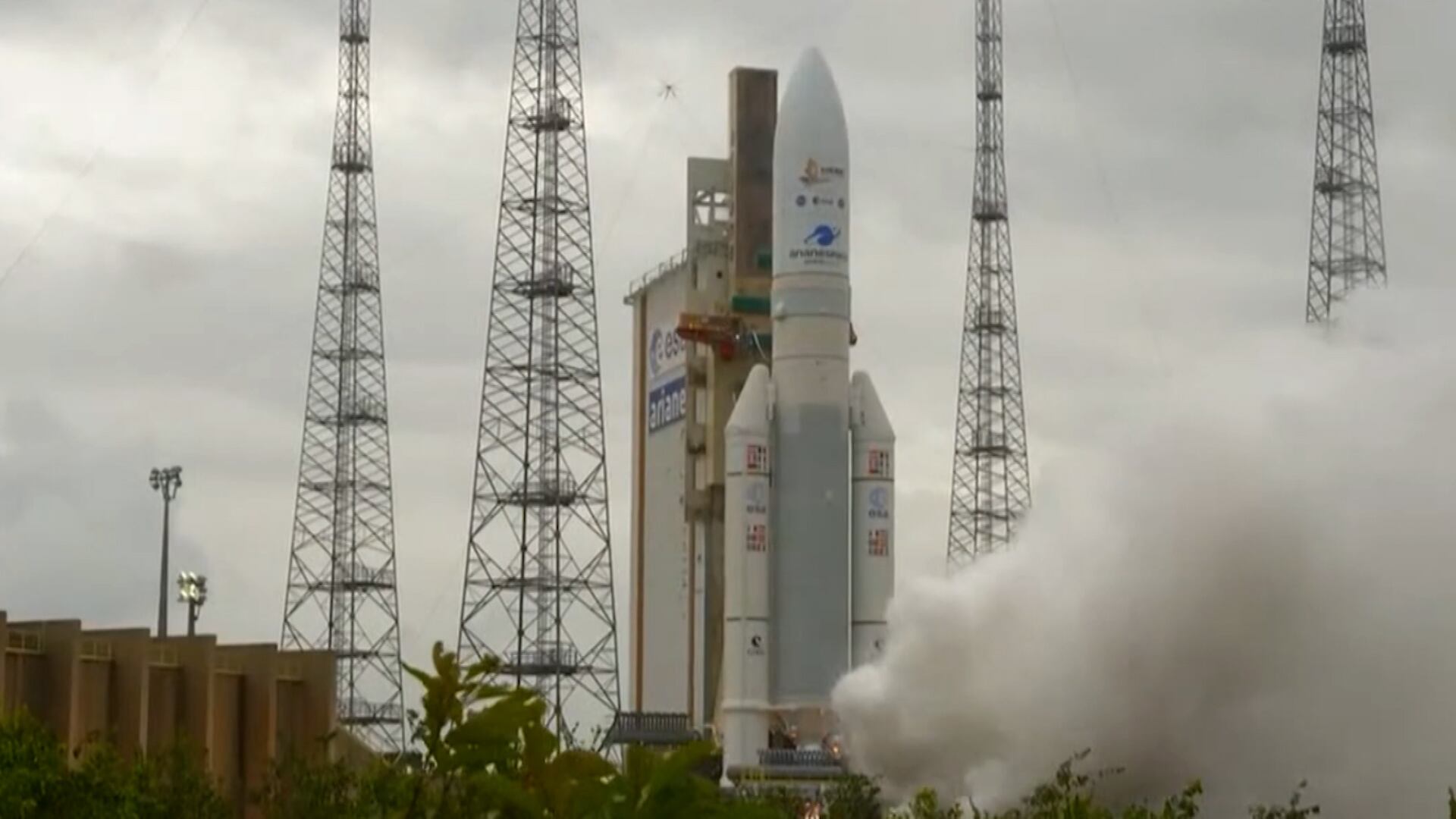
On December 25, 2021, NASA got into the holiday spirit by launching the James Webb Space Telescope, the largest and most powerful space science observatory in history.
It is intended to succeed the Hubble Space Telescope as NASA's flagship mission in astrophysics and is able to view objects too old and distant for Hubble. Gregory Robinson, director of NASA's James Webb Space Telescope program, joins Cheddar News' Closing Bell to discuss the mission. "I think a lot of what we don't know today is what I'm expecting to find and certainly really understand what took place more than 13.5 billion years ago and see the formation of some of the first galaxies in our universe," said Robinson.