Solar power is the fastest growing part of the global energy industry. Inderpreet Wadhwa, CEO of Azure Power, one of the largest solar power producers in India, sat down with us to discuss why India is well positioned to capitalize on the trend.
Wadhwa emphasizes that over 200 million people in India do not have electricity. He says there is a lot of potential because solar radiation is available in most parts of the country, and India has over 300 days of sun. The fact that India is an emerging economy and has to build new infrastructure is another advantage, he says, because the country can "leapfrog" coal industry infrastructure.
For Azure Power, it is important to work closely with the government. Wadhwa says energy in India is highly regulated so they need favorable government policy. 90% of the company's contracts are with the government. With the price of solar much cheaper than energy consumed in many industries, Wadhwa says they are now doing more commercial contracts with industries such as the hotels.
Kelly Noonan Gores takes viewers inside the connection between our bodies and minds with her new critically-acclaimed documentary “Heal.” She sits down with Alyssa Julya Smith at Cheddar’s WeWork studio in Los Angeles to discuss the spiritual journey people take to become healthy, and to rid the body of stressors that can cause illness.
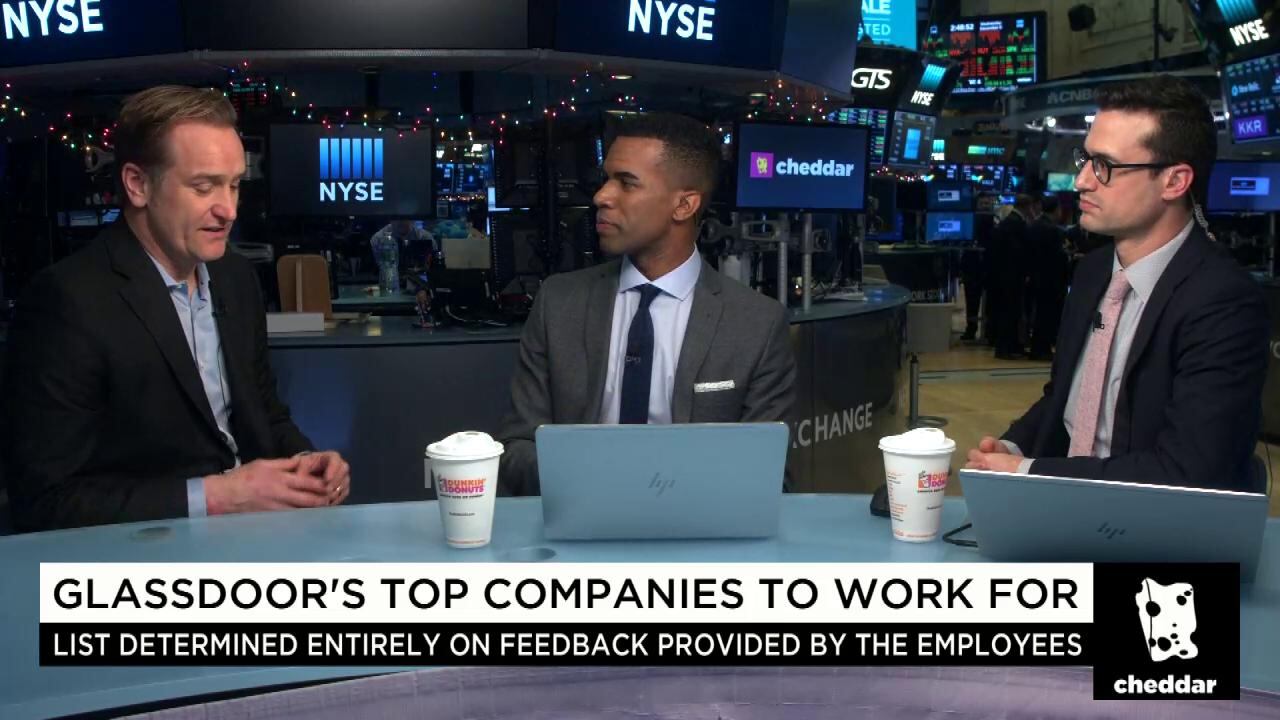
Glassdoor Co-founder and CEO Robert Hohman tells Cheddar how the top employers made the cut.
Closing Bell brings you all the latest business, tech, political, and market news.
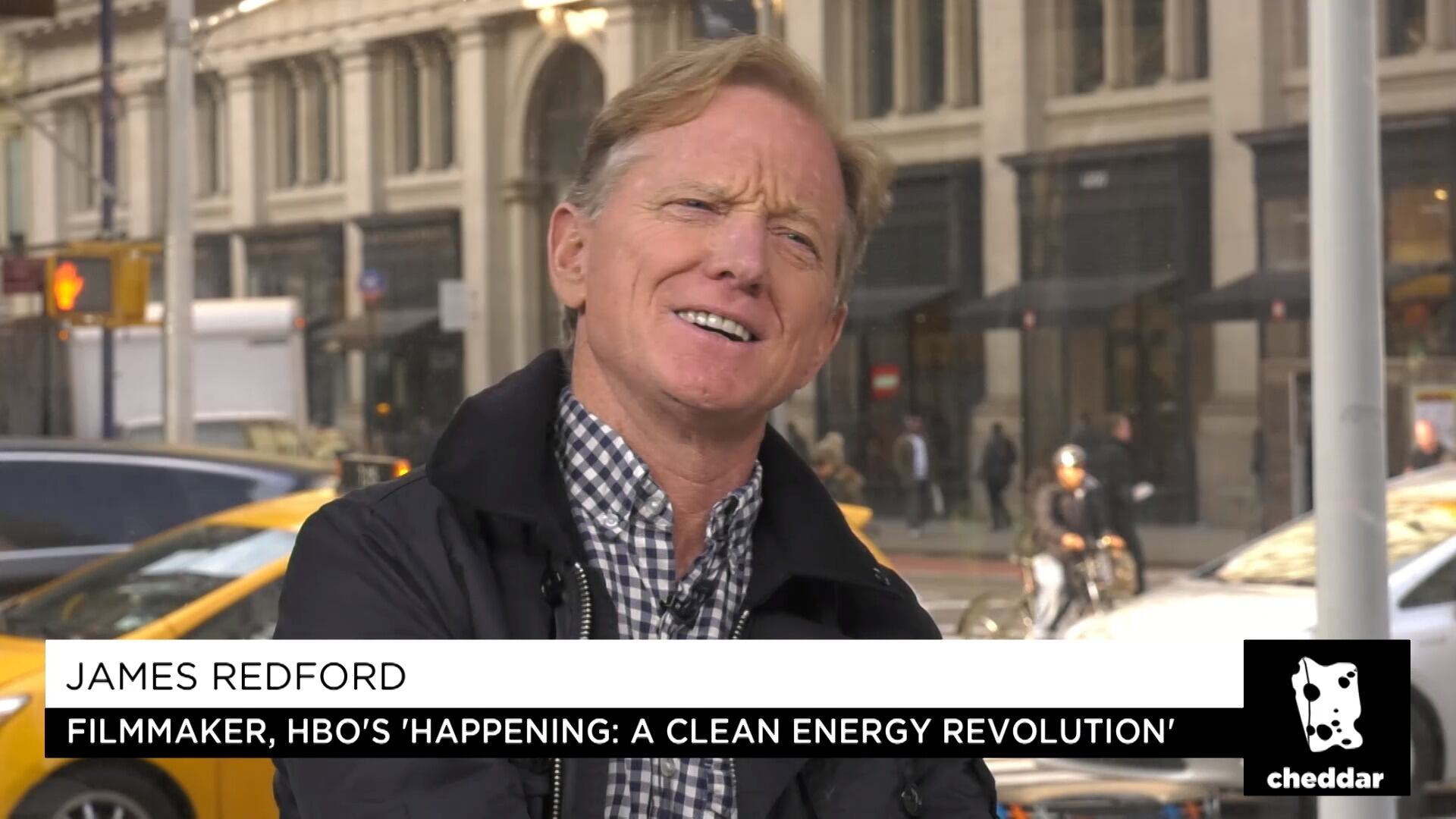
HBO's "Happening: A Clean Energy Revolution" is one of the few documentaries that's actually hopeful about the environment. Filmmaker James Redford joins us to discuss what went into making his latest project.
VF Hive looks at the intersection of Wall Street, Silicon Valley and Washington D.C. and the egos that drive them. Between Bells follows the latest business, technology, and culture news.
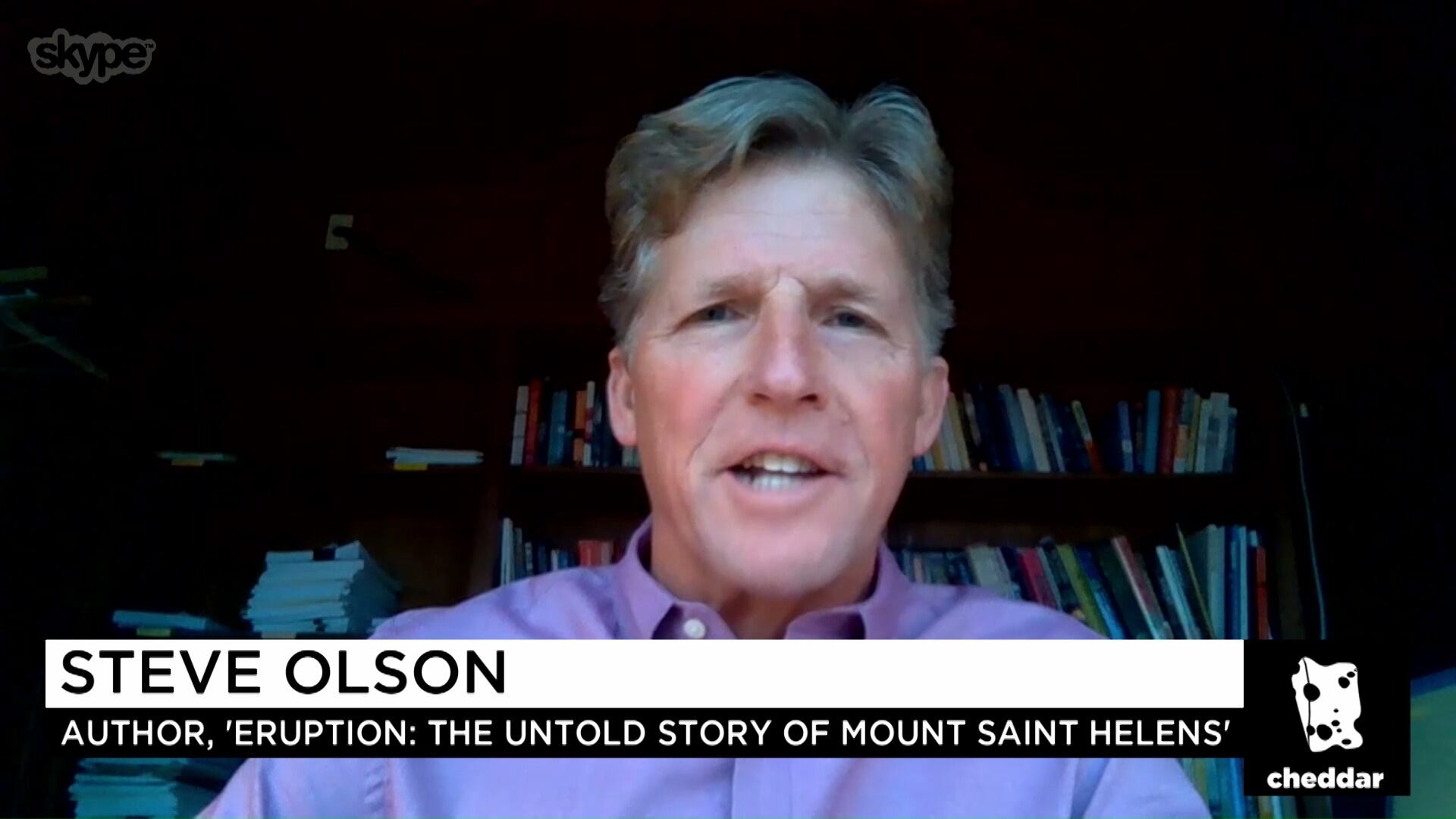
When you think of volcanoes in the United States, Hawaii likely comes to mind. However, America's most dangerous volcano isn't on an island.
Actress Fran Drescher speaks on her Cancer Schamancer movement. She recommends avoiding GMOs, choosing organics, and checking labels for responsible manufacturing.
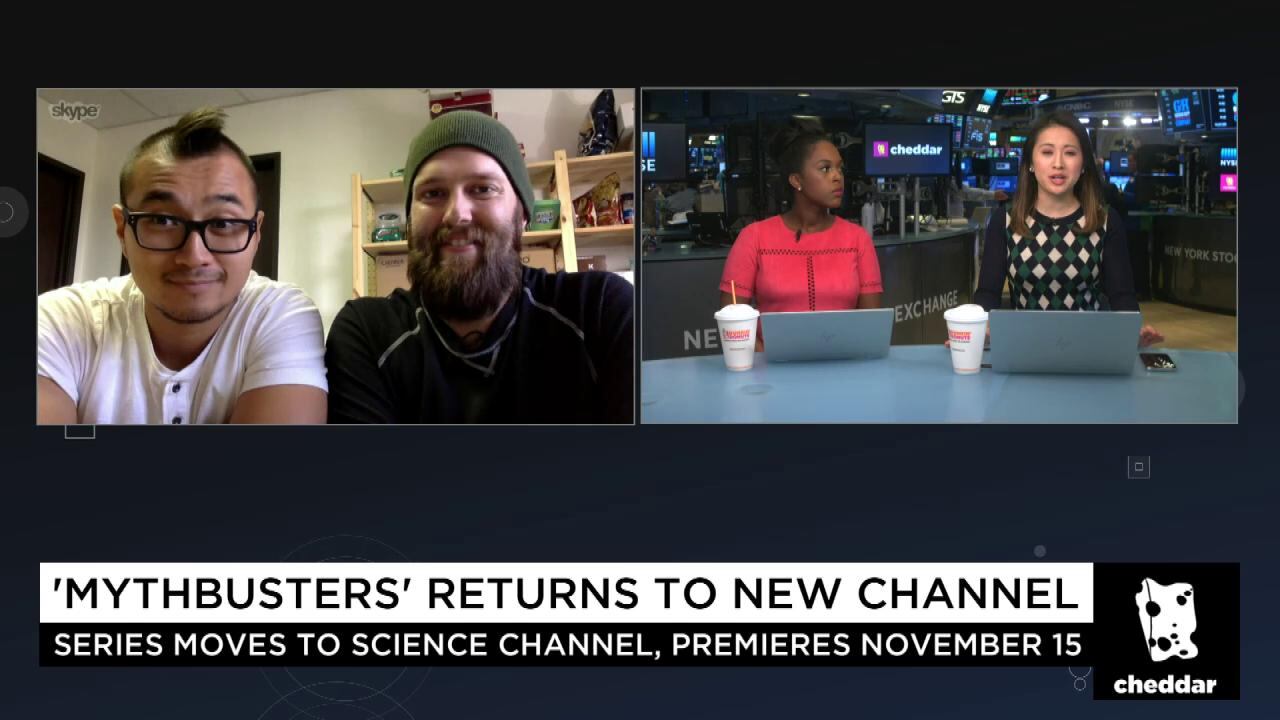
In "The Martian," astronaut Mark Watney is able to grow potatoes on Mars with a combination of Martian soil and fecal matter. "Mythbusters" co-hosts Jon Lung and Brian Louden want to know if that's really possible.
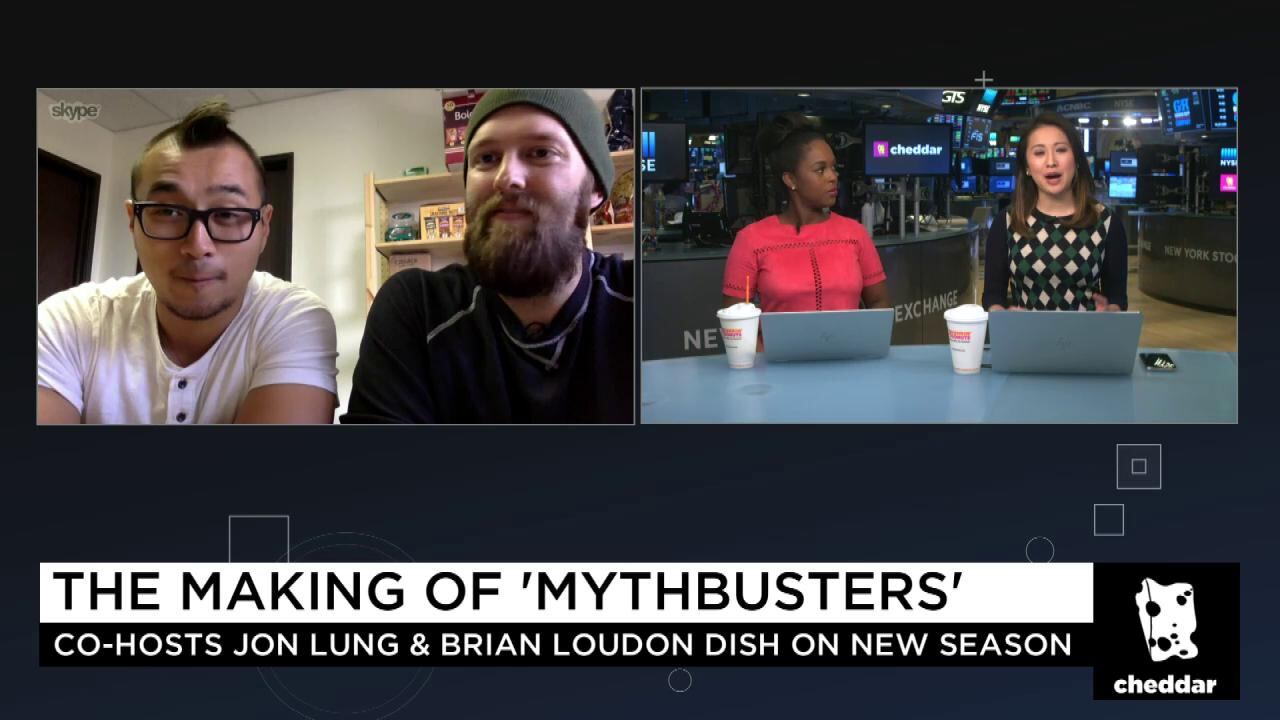
Co-hosts Jon Lung and Brian Loudon dish on the new season, which makes its move to the Science Channel. Here's a look at some of this season's myths that are just dying to be busted.