Solar power is the fastest growing part of the global energy industry. Inderpreet Wadhwa, CEO of Azure Power, one of the largest solar power producers in India, sat down with us to discuss why India is well positioned to capitalize on the trend.
Wadhwa emphasizes that over 200 million people in India do not have electricity. He says there is a lot of potential because solar radiation is available in most parts of the country, and India has over 300 days of sun. The fact that India is an emerging economy and has to build new infrastructure is another advantage, he says, because the country can "leapfrog" coal industry infrastructure.
For Azure Power, it is important to work closely with the government. Wadhwa says energy in India is highly regulated so they need favorable government policy. 90% of the company's contracts are with the government. With the price of solar much cheaper than energy consumed in many industries, Wadhwa says they are now doing more commercial contracts with industries such as the hotels.
Facebook is changing up its News Feed, a new twist in the "All the Money in the World" wage gap controversy, and Lindsay Lohan might design a manmade island in Dubai. Plus, wrapping up the biggest headlines from CES with Wired, celebrity fashion designer Isaac Mizrahi, and the star of Amazon's "Philip K. Dick's Electric Dreams."
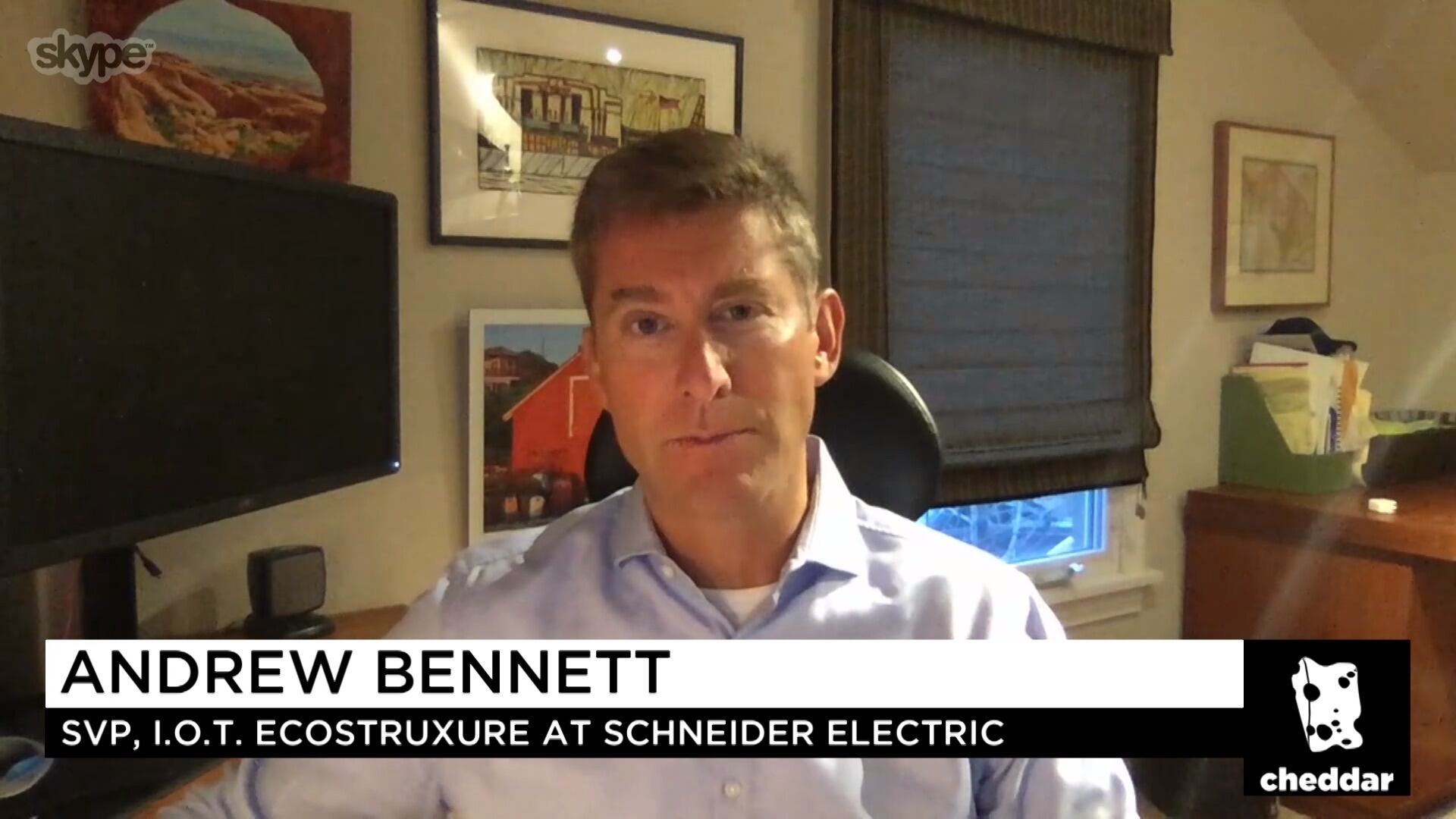
Andrew Bennett, SVP of I.O.T. Ecostruxure at Schneider Electric, joins us to speak about the company's mission to help customers optimize their energy use, regardless of whether the source is coal, wind or solar.
Sara Fischer, Media reporter for Axios, discusses how data effects foreign investments in U.S. Technology. Ripple Partners With MoneyGram to Lower Remittance Cost. Turner CEO John Martin gives his take on future of media and TV. Walmart announce it is closing 63 Sam's Club stores across the country. Former White House Chief Strategist Steve Bannon is set to appear next week before the House Intelligence Committee.
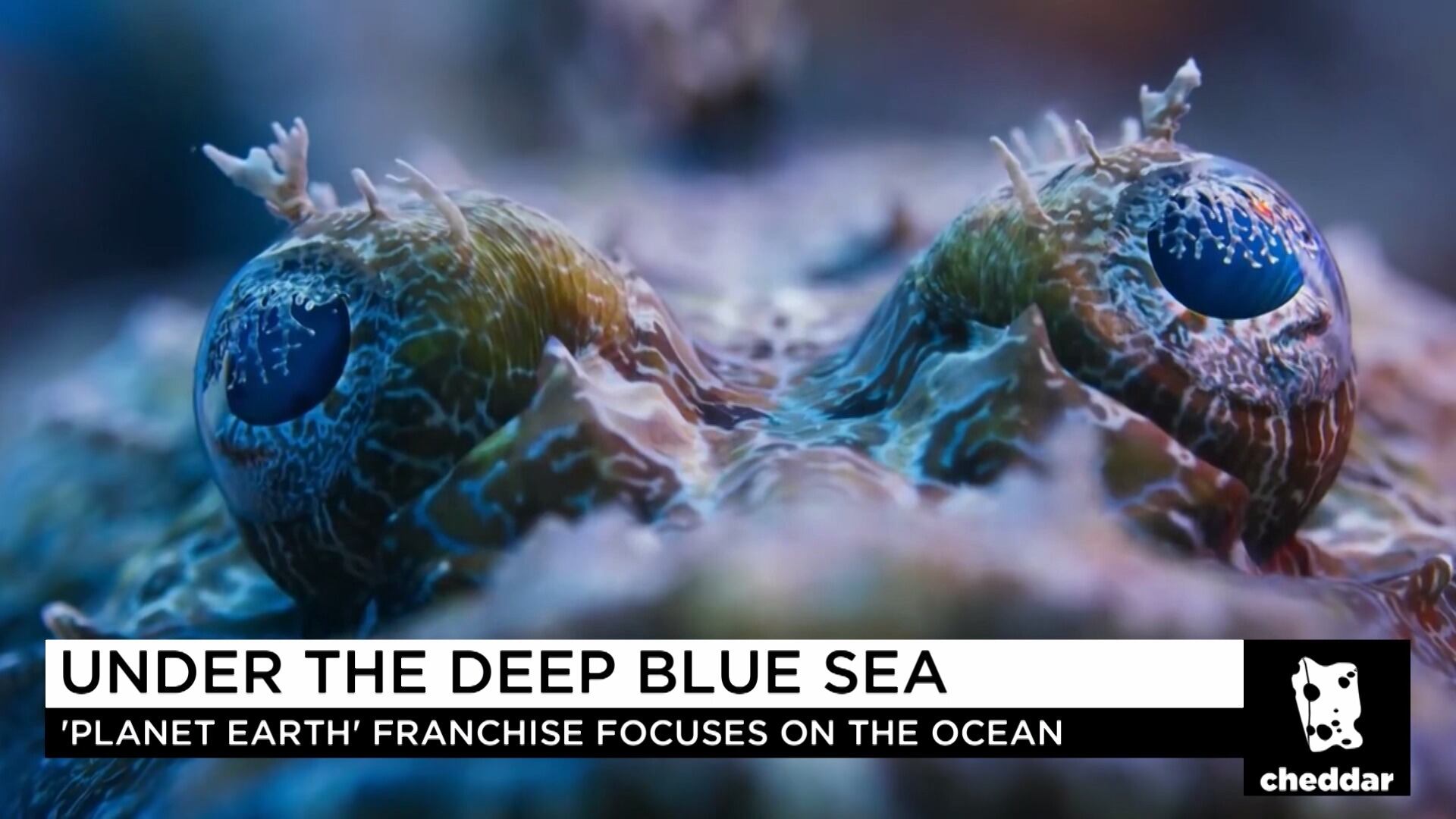
"Blue Planet" is the Emmy-Award winning series that looks at life under the deep blue sea. It's back for a new season 17 years after the original aired in 2001. The producers sit down with Alyssa Julya Smith in Los Angeles to talk about the four-year production of the latest installment.
In 1935 L'Oreal developed the first commercial sunscreen product. Now, the beauty company is out with the first battery-free wearable that help will with UV protection. UV Sense could usher in a new wave of preventative sun skincare.
Space Mysteries: the search for Zuma. How DJ Khaled will change Weight Watchers, we're cruising with Volvo Cars at CES. With YourTango, Scientific American, and more.
Conspiracy theories are flying around after reports that a secret government satellite went missing during the most recent SpaceX launch. The Zuma satellite is rumored to be lost in space, but not everyone is convinced that's true.
As officials struggle to fight the opioid epidemic that is plaguing the country, some big cities are considering creating "safe injection" sites. No city has submitted a formal plan, but the idea is already stirring up controversy.
Associate editor at Space.com Sarah Lewin sheds some light on SpaceX's mysterious Sunday night launch and breaks down the fascinating new photos we just got of Jupiter.
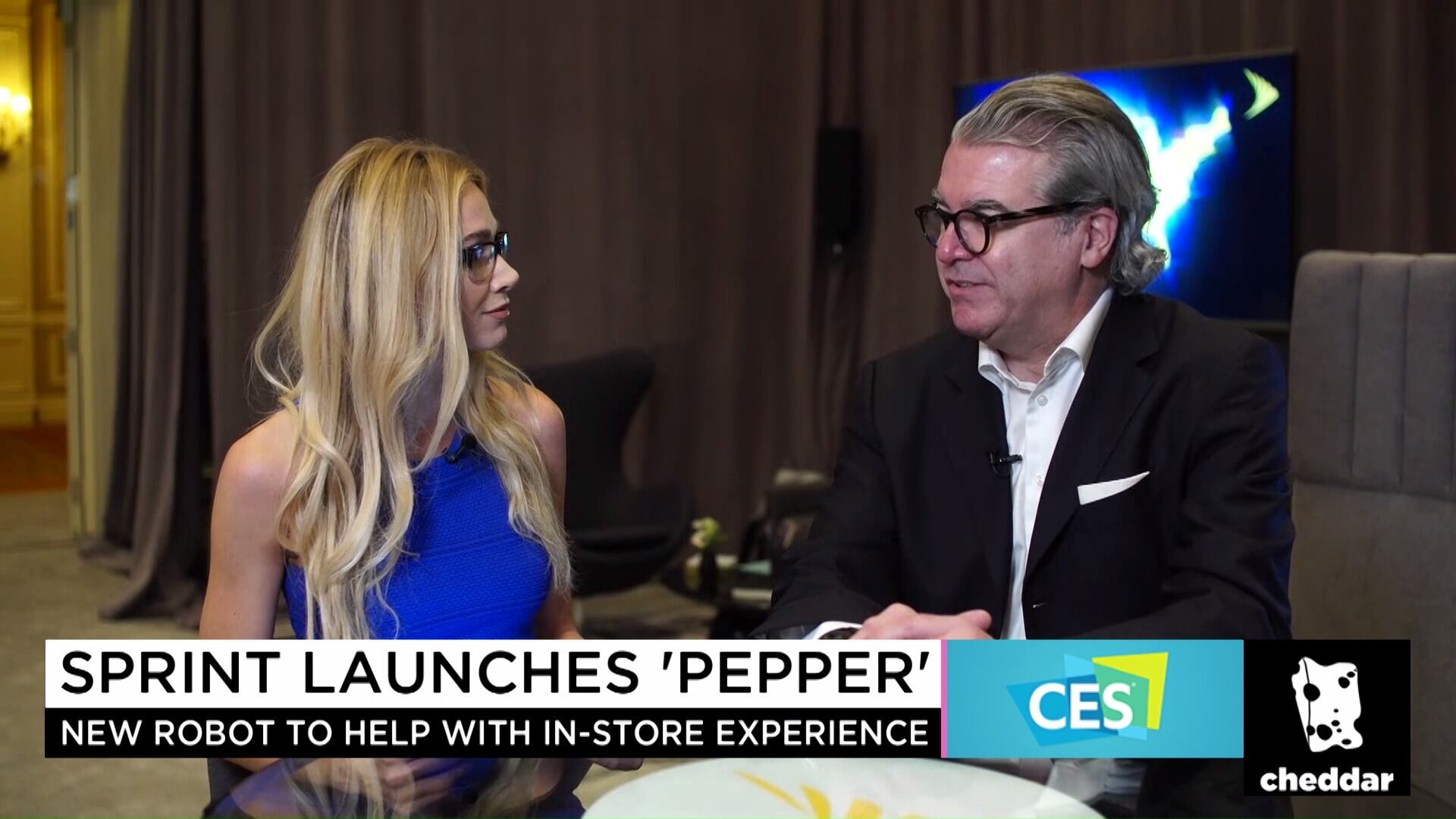
The next time you walk into a Sprint store you could be greeted by their newest employee, the humanoid robot "Pepper." Pepper uses machine learning and artificial intelligence to greet customers and work with them throughout their Sprint store experience. Pepper is already in some stores across America.