Solar power is the fastest growing part of the global energy industry. Inderpreet Wadhwa, CEO of Azure Power, one of the largest solar power producers in India, sat down with us to discuss why India is well positioned to capitalize on the trend.
Wadhwa emphasizes that over 200 million people in India do not have electricity. He says there is a lot of potential because solar radiation is available in most parts of the country, and India has over 300 days of sun. The fact that India is an emerging economy and has to build new infrastructure is another advantage, he says, because the country can "leapfrog" coal industry infrastructure.
For Azure Power, it is important to work closely with the government. Wadhwa says energy in India is highly regulated so they need favorable government policy. 90% of the company's contracts are with the government. With the price of solar much cheaper than energy consumed in many industries, Wadhwa says they are now doing more commercial contracts with industries such as the hotels.
The component derived from cannabis plants offers an effective alternative for pain relief without causing a "high," said former New York Jets player Marvin Washington, who urges the NFL to change its policy on the substance. "If we don't get our hands around this opioid addiction, we are going to lose a generation."
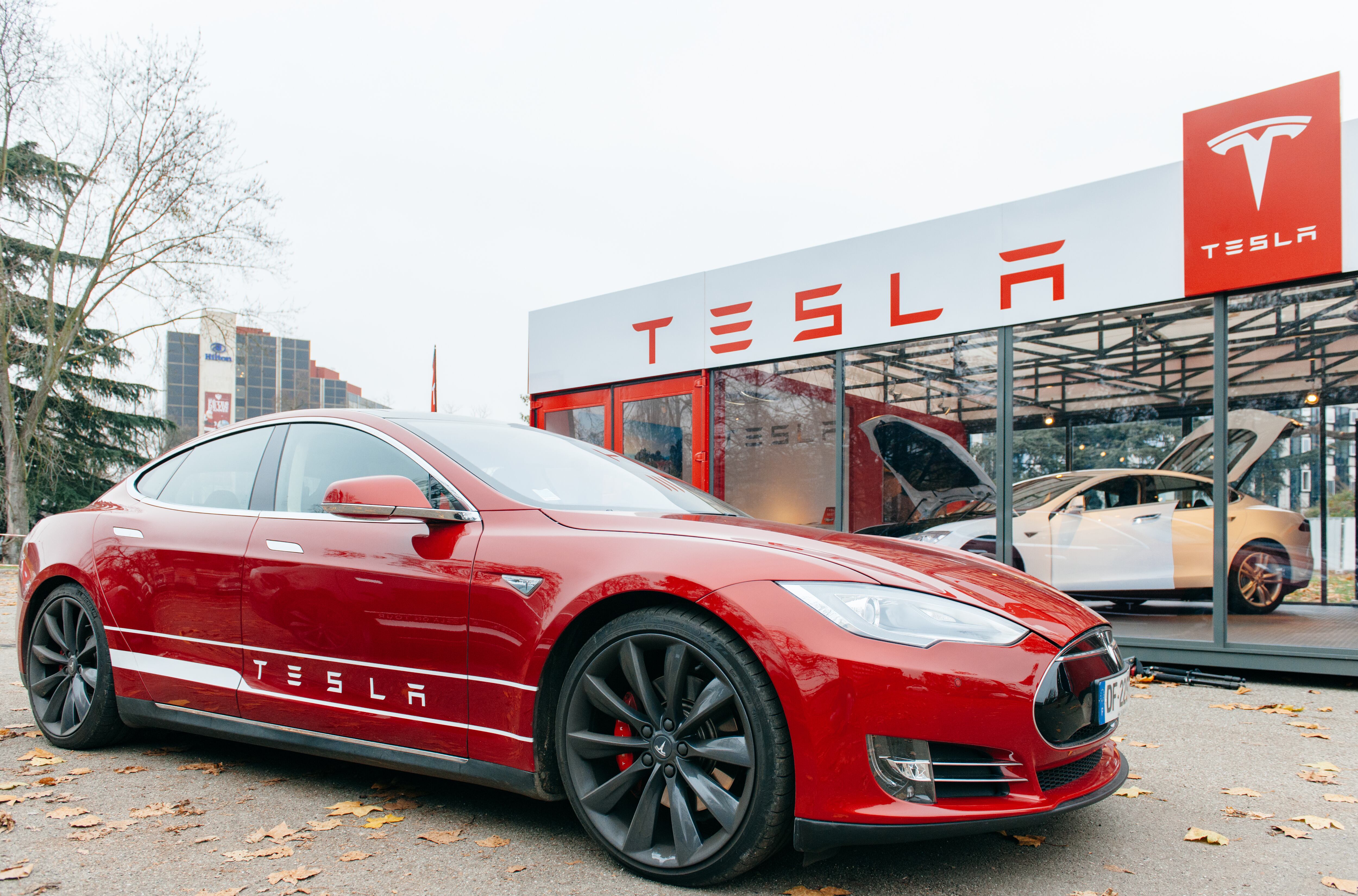
Tesla is making big cuts to its solar business. According to a Reuters report, the company will close 12 solar installation facilities across several states. Tesla bought SolarCity more than two years ago for $2.6 billion.
Chipotle is giving its menu a makeover. The company is experimenting with five new menu items at its test kitchen in New York, including quesadillas, nachos, and chocolate milkshakes. Chipotle plans to roll out these items nationwide in the coming months.
Thrive+ binds to the same brain receptors as alcohol to combat the negative effects of drinking, says CEO Brooks Powell, who started developing the pills during his sophomore year at Princeton.
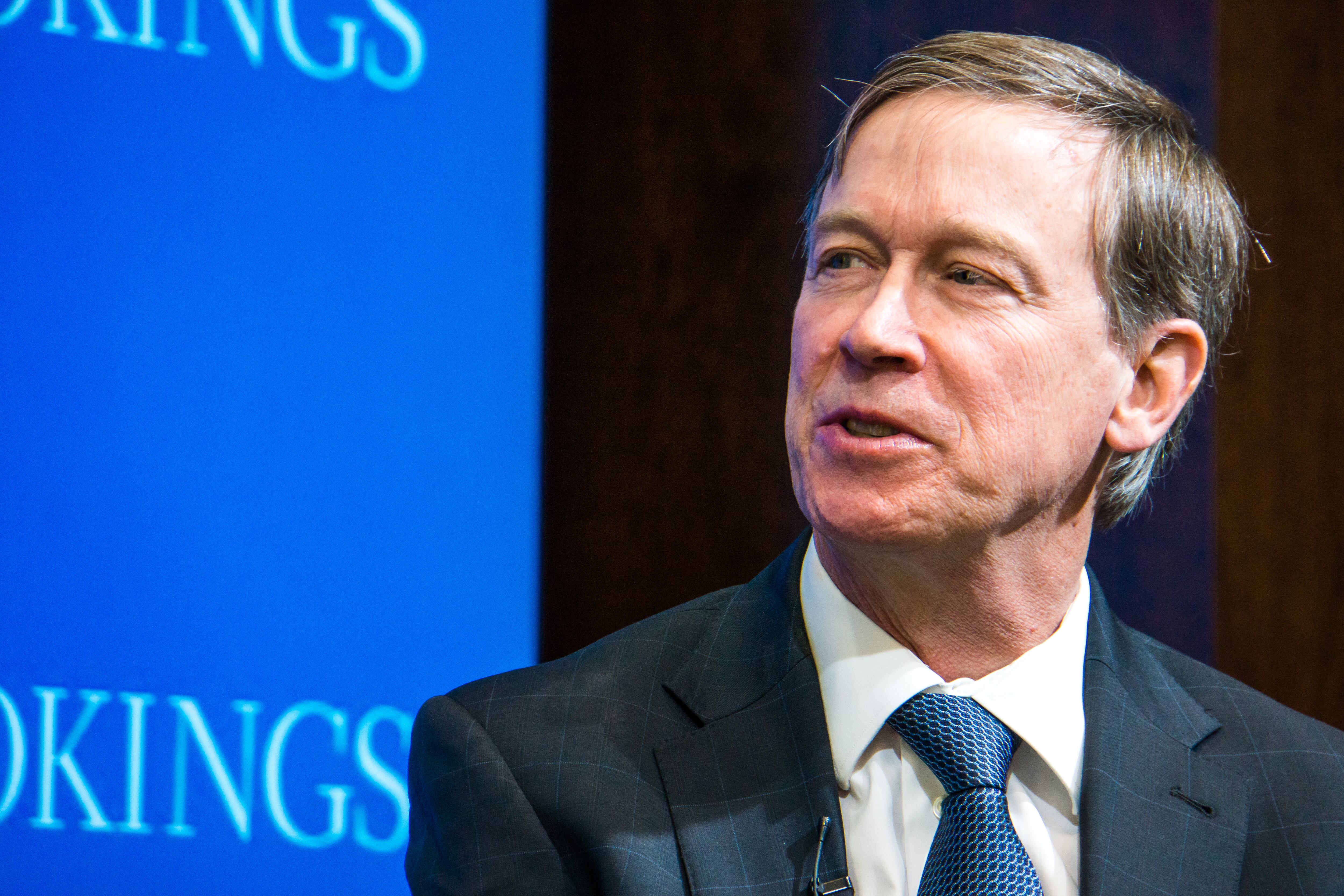
The Republican reiterated his cautious approach to legalization, despite momentum for more liberalization in a state with some of the most tolerant cannabis laws in the country.
A data breach on MyHeritage impacted more than 90 million users. David Nicholson, Co-Founder and Managing Director of Living DNA breaks down what precautions companies take in order to protect your information.
DNA testing service MyHeritage reported a data breach that gave hackers access to email addresses and passwords of over 92 million users. While genetic information wasn't exposed, Rob Verger, Assistant Tech Editor at Popular Science, says the incident serves as a reminder that "almost anything is hackable."
The dental start-up, which sells custom teeth aligners online, opened its first brick-and-mortar store to reach more consumers, says co-founder and CEO Nick Greenfield.
The company, which makes a FitBit-style fertility sensor, announced it will use the fresh capital to fill gaps in the market. "Women's health and women's health research has been underfunded for the last decade," says co-founder Lea von Bidder.
More than 9 million tons of unrecycled plastic waste ends up in the ocean every year, according to Jenna Jambeck, an associate professor at the University of Georgia and a National Georgraphic explorer. In its June issue, the magazine is trying to shine a light on the serious problem with a "Planet or Plastic?" initiative.
Stocks kick off the week with a rally after Treasury Secretary Steven Mnuchin said the prospect of a trade war was "on hold" following an agreement to suspend tariff threats. Tesla CEO Elon Musk unveils details of the souped-up Model 3. President Trump is going after the FBI. Fortnite is launching on Android phones this summer.