Solar power is the fastest growing part of the global energy industry. Inderpreet Wadhwa, CEO of Azure Power, one of the largest solar power producers in India, sat down with us to discuss why India is well positioned to capitalize on the trend.
Wadhwa emphasizes that over 200 million people in India do not have electricity. He says there is a lot of potential because solar radiation is available in most parts of the country, and India has over 300 days of sun. The fact that India is an emerging economy and has to build new infrastructure is another advantage, he says, because the country can "leapfrog" coal industry infrastructure.
For Azure Power, it is important to work closely with the government. Wadhwa says energy in India is highly regulated so they need favorable government policy. 90% of the company's contracts are with the government. With the price of solar much cheaper than energy consumed in many industries, Wadhwa says they are now doing more commercial contracts with industries such as the hotels.
The skyline of Washington D.C. is stunted. You've probably heard that D.C. can't build skyscrapers taller than the U.S. Capital Building or the Washington Monument. But those are both myths from a bygone era. Cheddar tells the real story.
A top World Health Organization expert has tried to clear up “misunderstandings” about comments she made that were widely understood to suggest that people without COVID-19 symptoms rarely transmit the coronavirus.
Dr. Patrice Harris, speaking to Cheddar the day after her tenure at the American Medical Association ended, leaves the nation’s largest association of physicians at a time of remarkable upheaval for the medical community.
New Zealand appears to have eradicated the coronavirus for now after health officials said the last known infected person has recovered.
Federal health authorities have received reports of nearly 26,000 nursing home residents dying from COVID-19, according to materials prepared for the nation's governors. That number is partial and likely to go higher.
President Donald Trump has announced that the U.S. will be terminating its relationship with the World Health Organization.
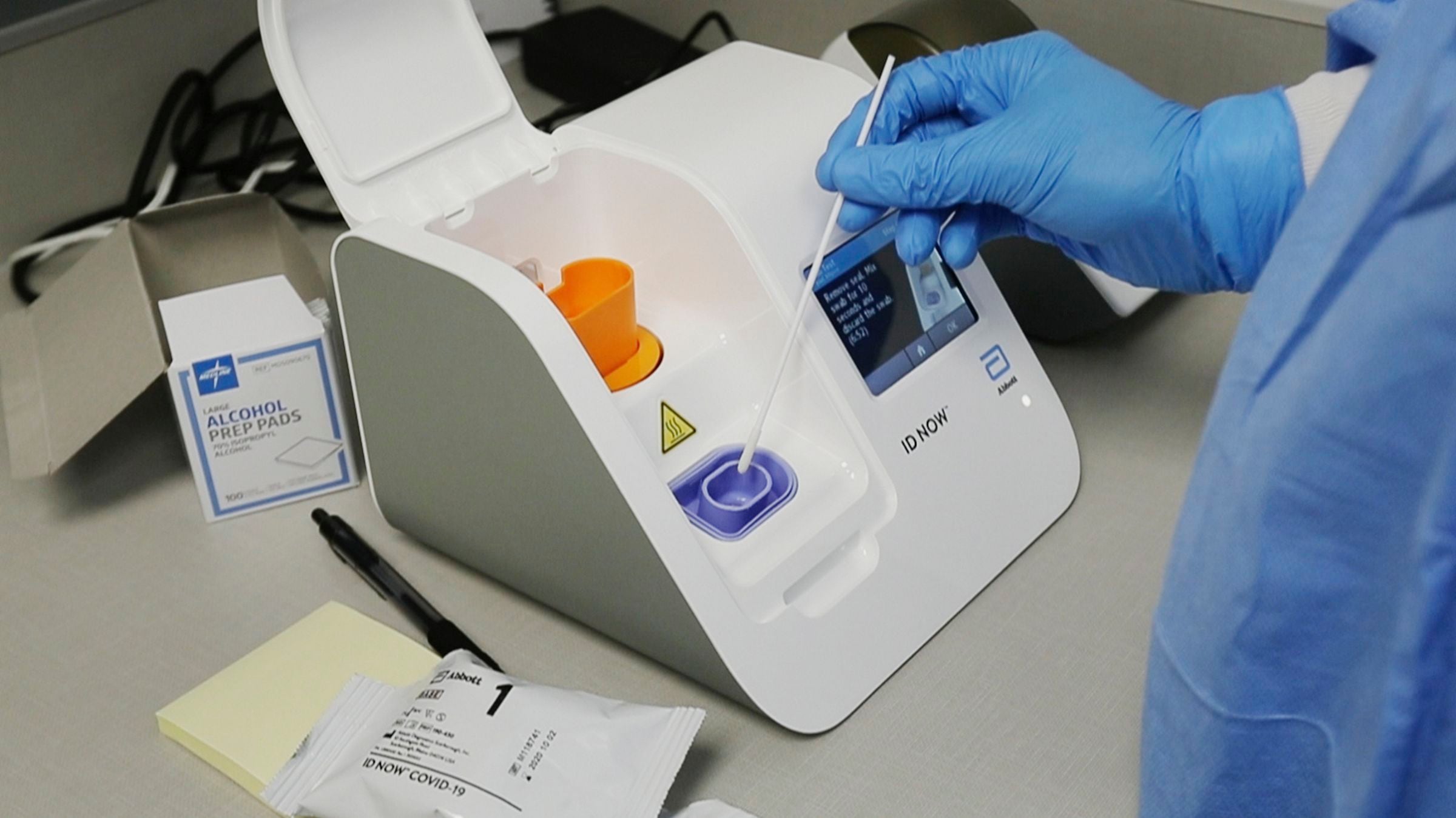
Phil Ginsburg, Abbott's Head of Infectious Disease, told Cheddar that new data shows the ID Now quick-results test for coronavirus is accurate if used as intended.
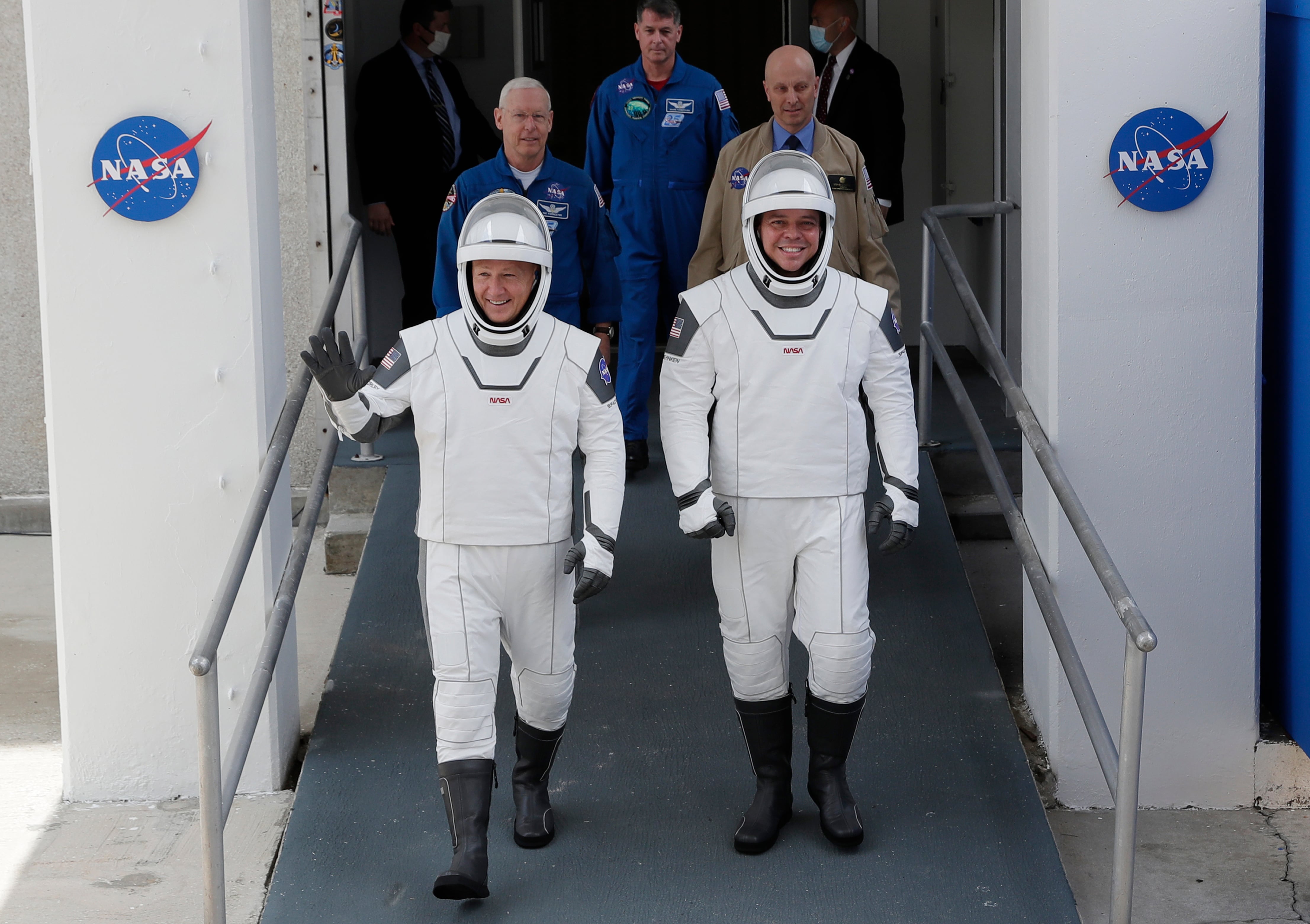
The launch of a SpaceX rocket ship with two NASA astronauts on a history-making flight into orbit has been called off with 16 minutes to go in the countdown because of the danger of lightning.
Visitation to National Park Service sites has seen a boom in recent years. For five years in a row, the park service has tallied over 300 million visitors per year. It’s an unprecedented spike, and the reason why this is happening now goes deeper than social media alone. While the threat of COVID-19 will likely change those numbers this year, the park service is still figuring out how to regain the balance between preservation and visitation. Cheddar explains the history of crowding in America’s national parks, and the impacts we are seeing from that today.
NASA is rolling out the International Space Station's red carpet for Tom Cruise.