Solar power is the fastest growing part of the global energy industry. Inderpreet Wadhwa, CEO of Azure Power, one of the largest solar power producers in India, sat down with us to discuss why India is well positioned to capitalize on the trend.
Wadhwa emphasizes that over 200 million people in India do not have electricity. He says there is a lot of potential because solar radiation is available in most parts of the country, and India has over 300 days of sun. The fact that India is an emerging economy and has to build new infrastructure is another advantage, he says, because the country can "leapfrog" coal industry infrastructure.
For Azure Power, it is important to work closely with the government. Wadhwa says energy in India is highly regulated so they need favorable government policy. 90% of the company's contracts are with the government. With the price of solar much cheaper than energy consumed in many industries, Wadhwa says they are now doing more commercial contracts with industries such as the hotels.
Cheddar's Need2Know Podcast for Thurs., June 18, 2020.
Cheddar's Need2Know Podcast for Wed., June 17, 2020.
Cheddar's Need2Know Podcast for Tues., June 16, 2020.
From milk to canned tuna to shampoo, soy is in a good majority of our day-to-day products. It’s added to around 60% of the nation’s processed foods. Soy has been known to provide some real health benefits, like high protein. But there are legitimate health and environmental consequences that raise the question: why do we use so much soy? And should we?
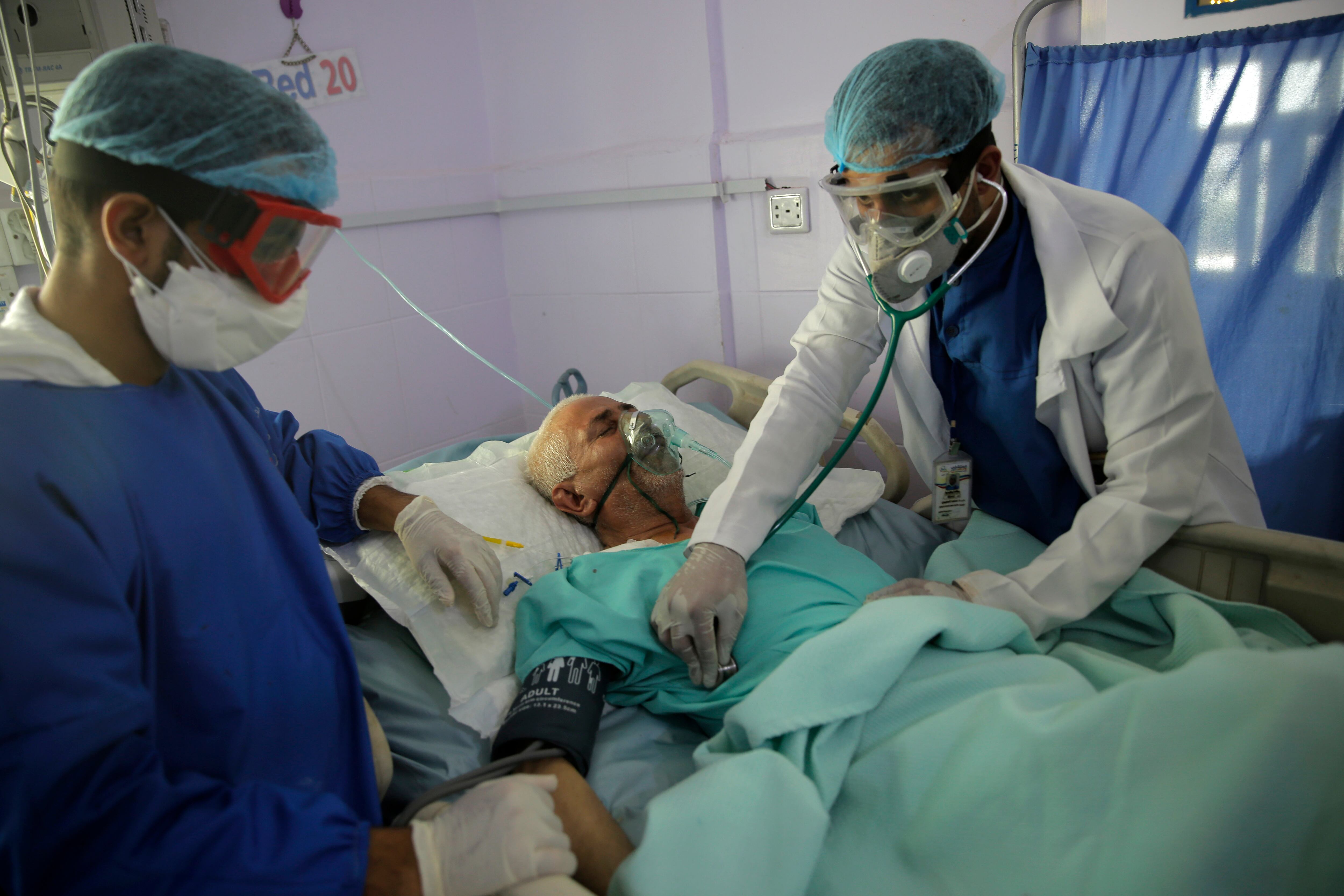
Researchers in England say they have the first evidence that a drug can improve survival from COVID-19. The drug is a cheap, widely available steroid called dexamethasone.
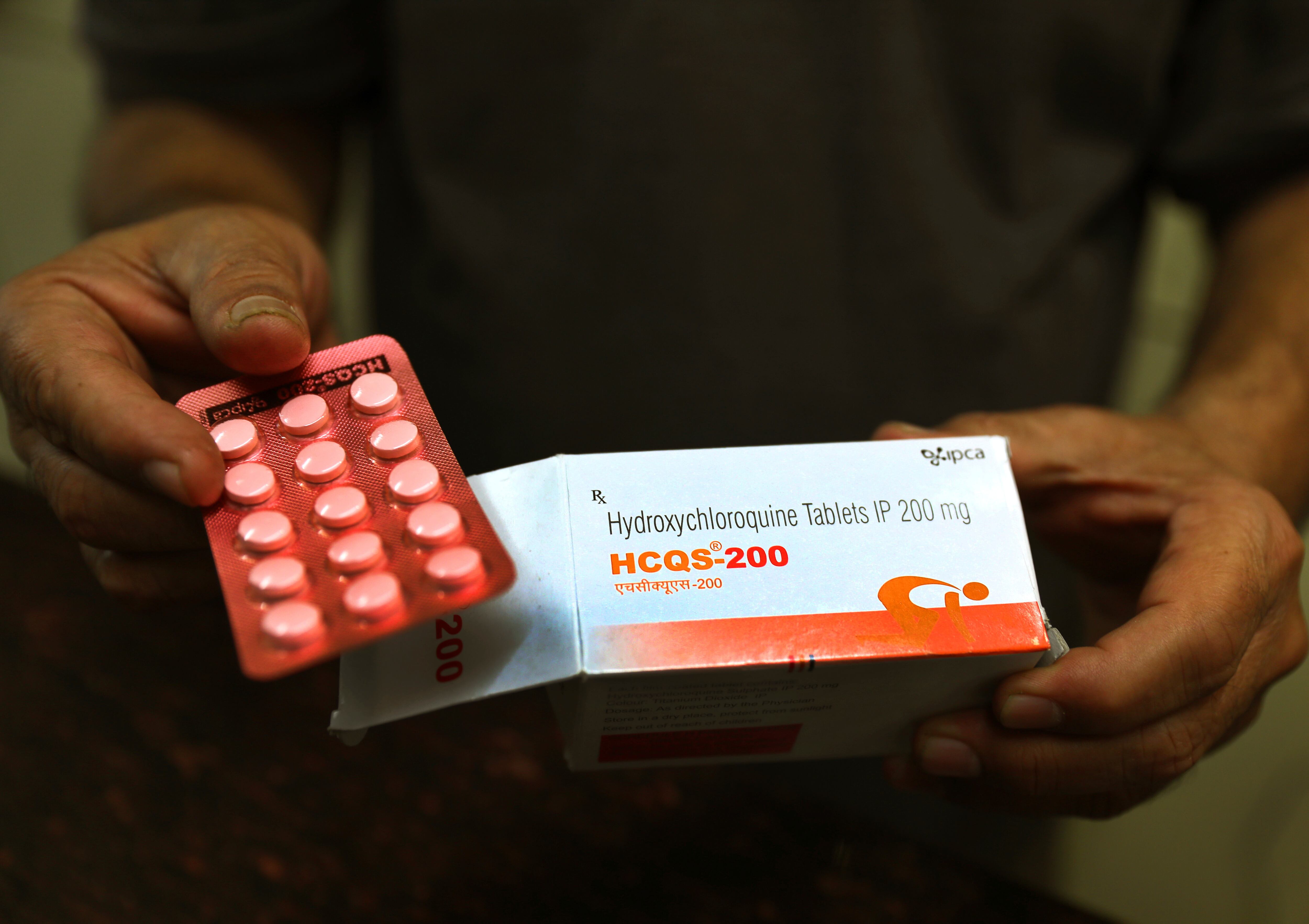
The Food and Drug Administration said Monday that the drugs hydroxychloroquine and chloroquine are unlikely to be effective in treating the coronavirus.
As the number of coronavirus cases continues to rise in the U.S., Johnson & Johnson's chief scientific officer Dr. Paul Stoffels told Cheddar the company has an accelerated plan to create a vaccine.
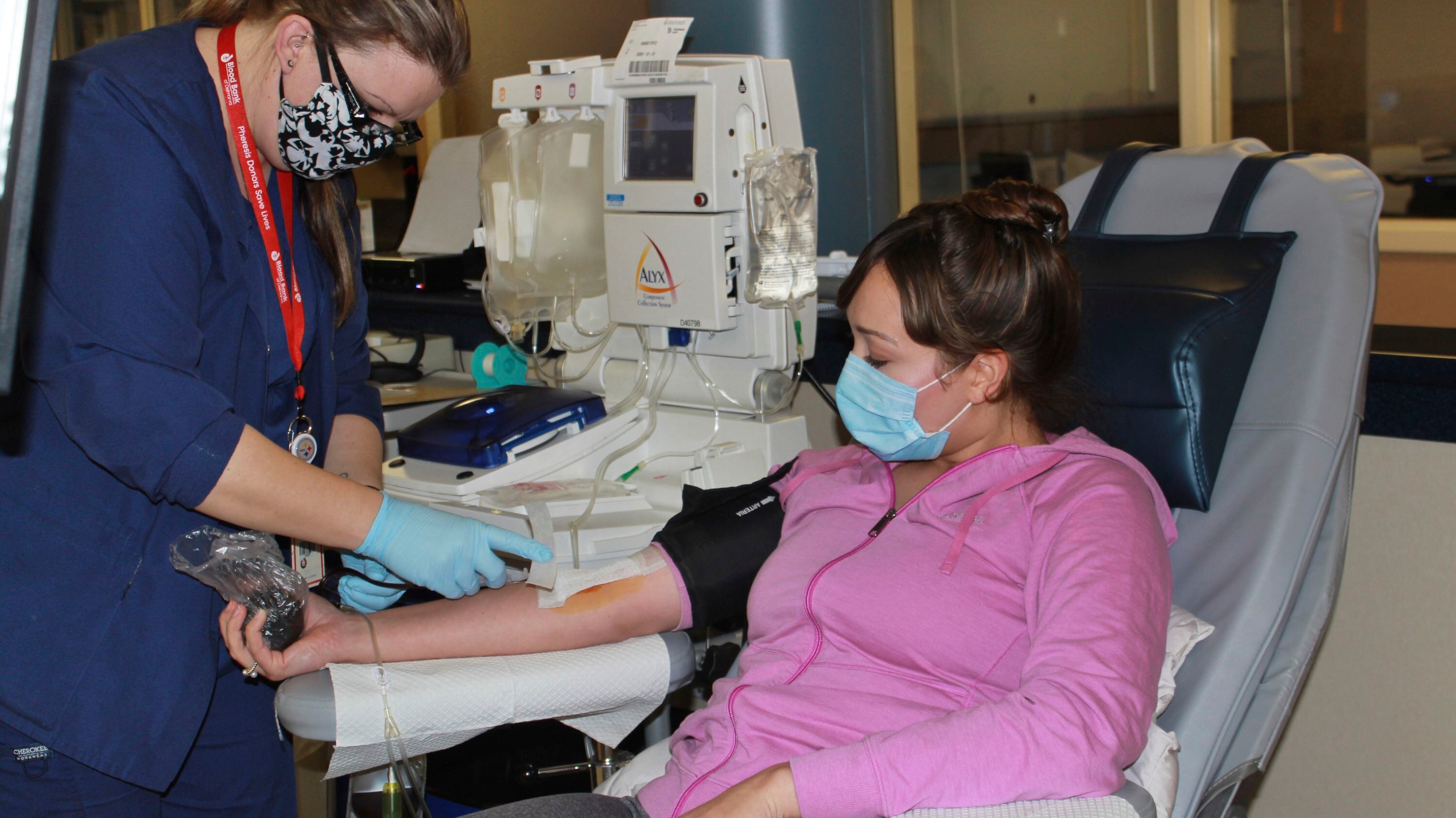
Scientists are beginning a new study to tell if the blood plasma of COVID-19 survivors might help prevent infection in the first place.
Coronavirus cases are rising in nearly half the U.S. states. And while many are chalked up to increased testing or to small, local outbreaks, others are more alarming.
If you lived in a big city in the 90s, you're probably one of the unlucky people who was kept up at night on a regular basis by errant car alarms. But today, those in that same big city hear alarms far less often than you did. So where did car alarms go? How have they evolved, and did we ever need them to begin with?