Solar power is the fastest growing part of the global energy industry. Inderpreet Wadhwa, CEO of Azure Power, one of the largest solar power producers in India, sat down with us to discuss why India is well positioned to capitalize on the trend.
Wadhwa emphasizes that over 200 million people in India do not have electricity. He says there is a lot of potential because solar radiation is available in most parts of the country, and India has over 300 days of sun. The fact that India is an emerging economy and has to build new infrastructure is another advantage, he says, because the country can "leapfrog" coal industry infrastructure.
For Azure Power, it is important to work closely with the government. Wadhwa says energy in India is highly regulated so they need favorable government policy. 90% of the company's contracts are with the government. With the price of solar much cheaper than energy consumed in many industries, Wadhwa says they are now doing more commercial contracts with industries such as the hotels.
Josh Earnest, chief communications officer for United, spoke to Cheddar about the logistics of transporting the COVID-19 vaccine by air.
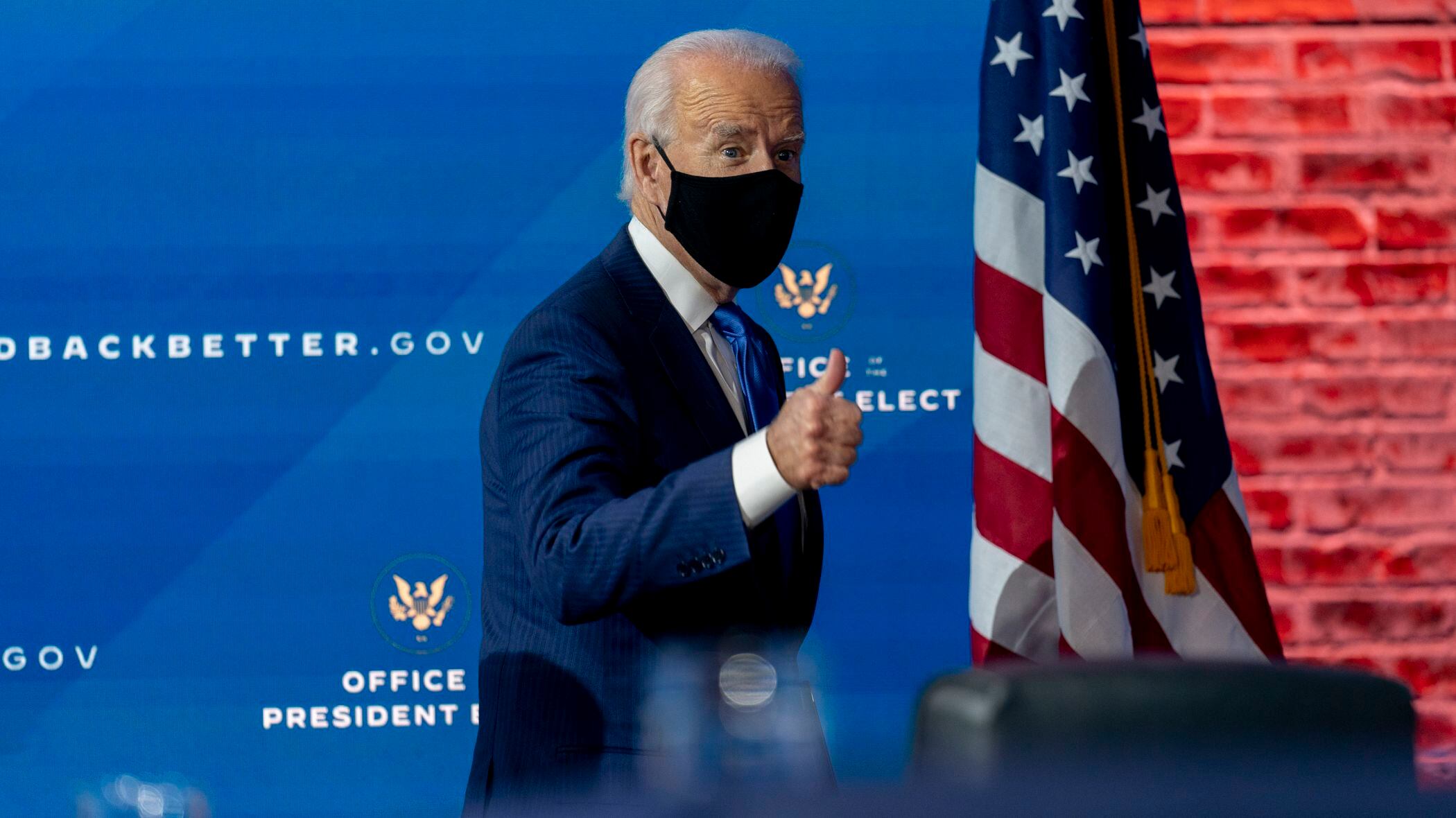
Biden stopped just short Thursday of the nationwide mandate he’s pushed before to stop the spread of the coronavirus.
The telescope’s 900-ton receiver platform fell onto the reflector dish more than 400 feet below on Tuesday. The U.S. National Science Foundation had earlier announced that the Arecibo Observatory would be closed.
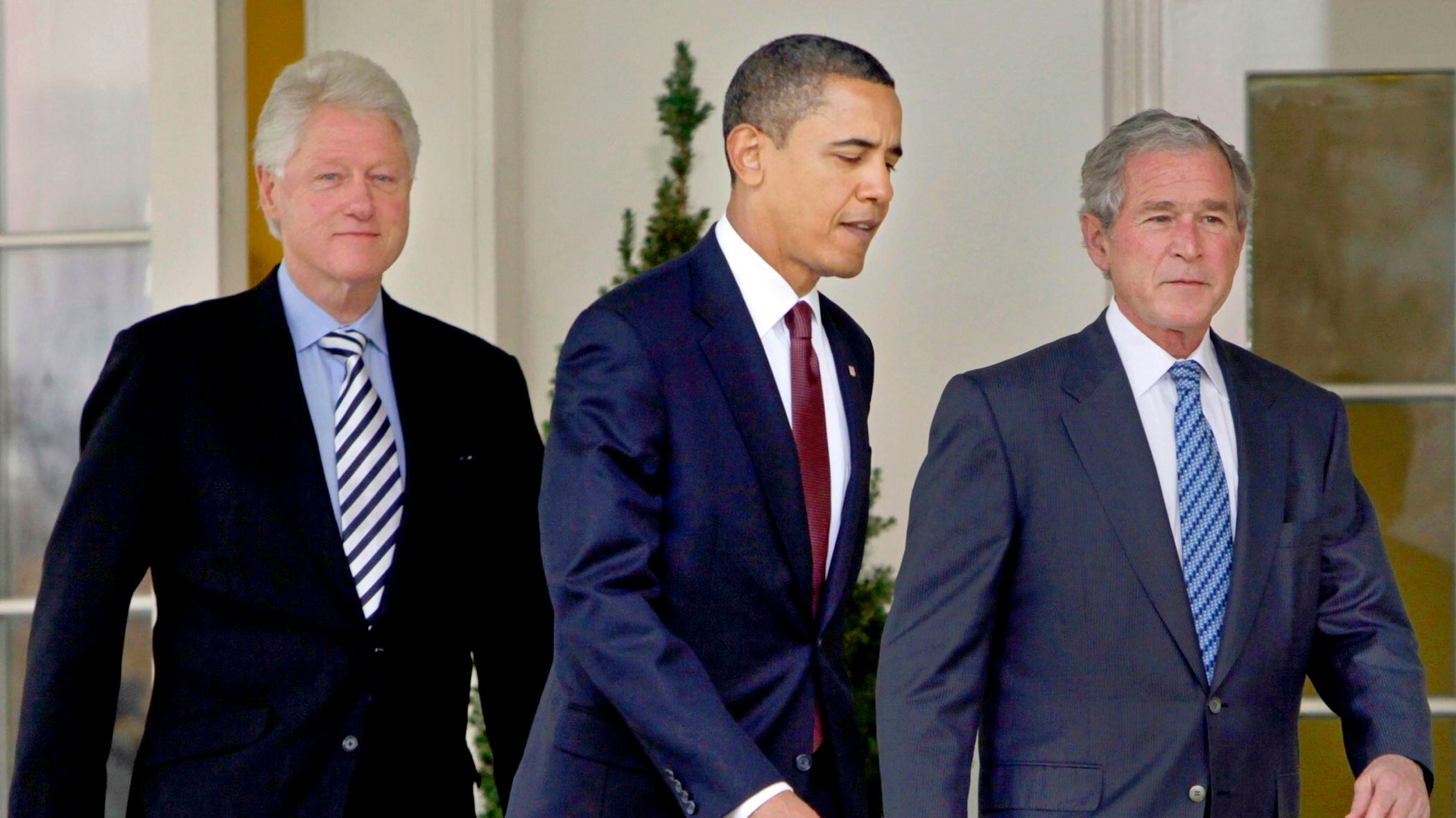
Three former presidents say they’d be willing to publicly take a coronavirus vaccine, once one becomes available, to encourage all Americans to get inoculated against a disease that has already killed more than 273,000 people nationwide.
The U.S. has recorded over 3,100 COVID-19 deaths in a single day, obliterating the record set last spring.
IBM security researchers say they have detected a cyberespionage effort that used targeted phishing emails to try to collect vital information associated with a U.N. initiative for distributing coronavirus vaccine to developing countries.
The health agency also announced new guidelines that shorten recommended quarantines after close contact with someone infected with coronavirus. Now people can resume normal activity after 10 days, or seven days if they receive a negative test result.
The Transportation Department issued a final rule Wednesday covering service animals. The rule says only dogs can qualify, and they have to be specially trained to help a person with disabilities.
The head of the United Nations is calling on countries to end what he calls a war on nature and instead embrace a future without carbon pollution triggering global warming.
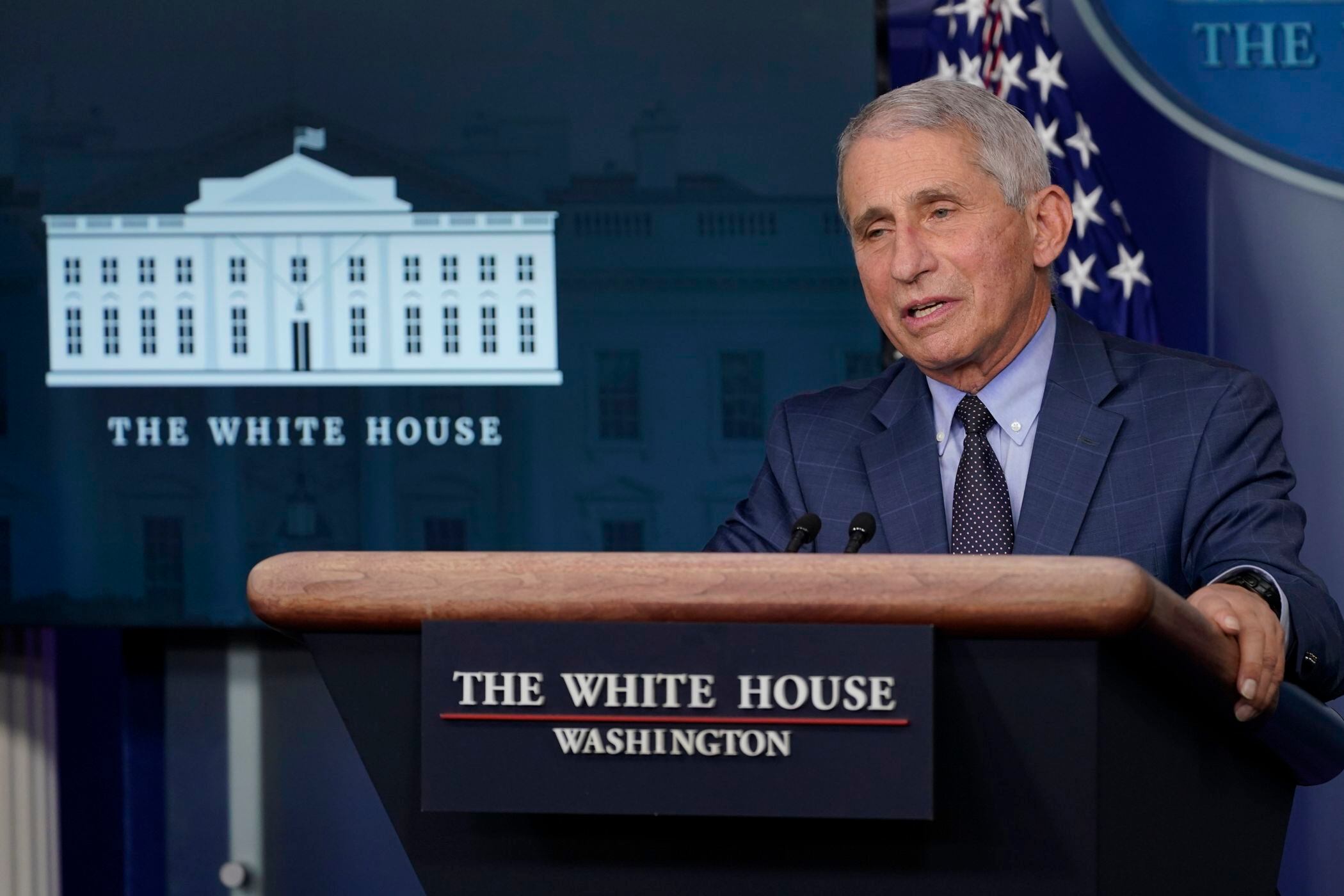
Dr. Anthony Fauci, director of the National Institute of Allergy and Infectious Diseases, discusses a wide range of current topics regarding the COVID-19 pandemic with Cheddar.