Solar power is the fastest growing part of the global energy industry. Inderpreet Wadhwa, CEO of Azure Power, one of the largest solar power producers in India, sat down with us to discuss why India is well positioned to capitalize on the trend.
Wadhwa emphasizes that over 200 million people in India do not have electricity. He says there is a lot of potential because solar radiation is available in most parts of the country, and India has over 300 days of sun. The fact that India is an emerging economy and has to build new infrastructure is another advantage, he says, because the country can "leapfrog" coal industry infrastructure.
For Azure Power, it is important to work closely with the government. Wadhwa says energy in India is highly regulated so they need favorable government policy. 90% of the company's contracts are with the government. With the price of solar much cheaper than energy consumed in many industries, Wadhwa says they are now doing more commercial contracts with industries such as the hotels.
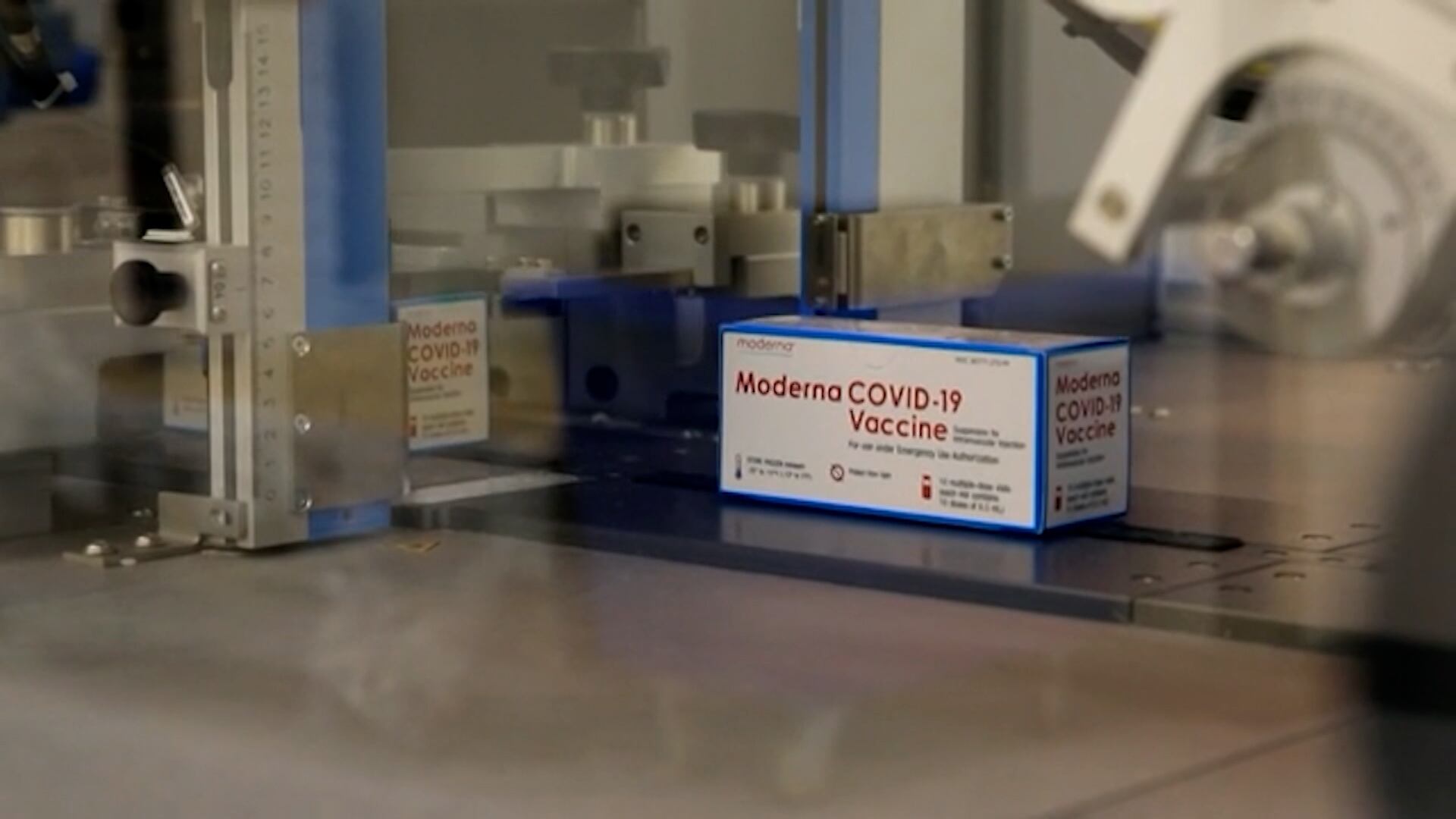
U.S. health officials are cutting isolation restrictions for Americans who test positive for the coronavirus and shortening the time that close contacts have to quarantine.
New Year celebrations are approaching and across the world there is an urge to party. But the desire to let loose is being countered by the highly transmissible omicron variant.
Carlo and Baker cover the latest developments after a devastating tornado outbreak over the weekend, plus an eye on Omicron and inflation, and not even Spielberg can save the box office.
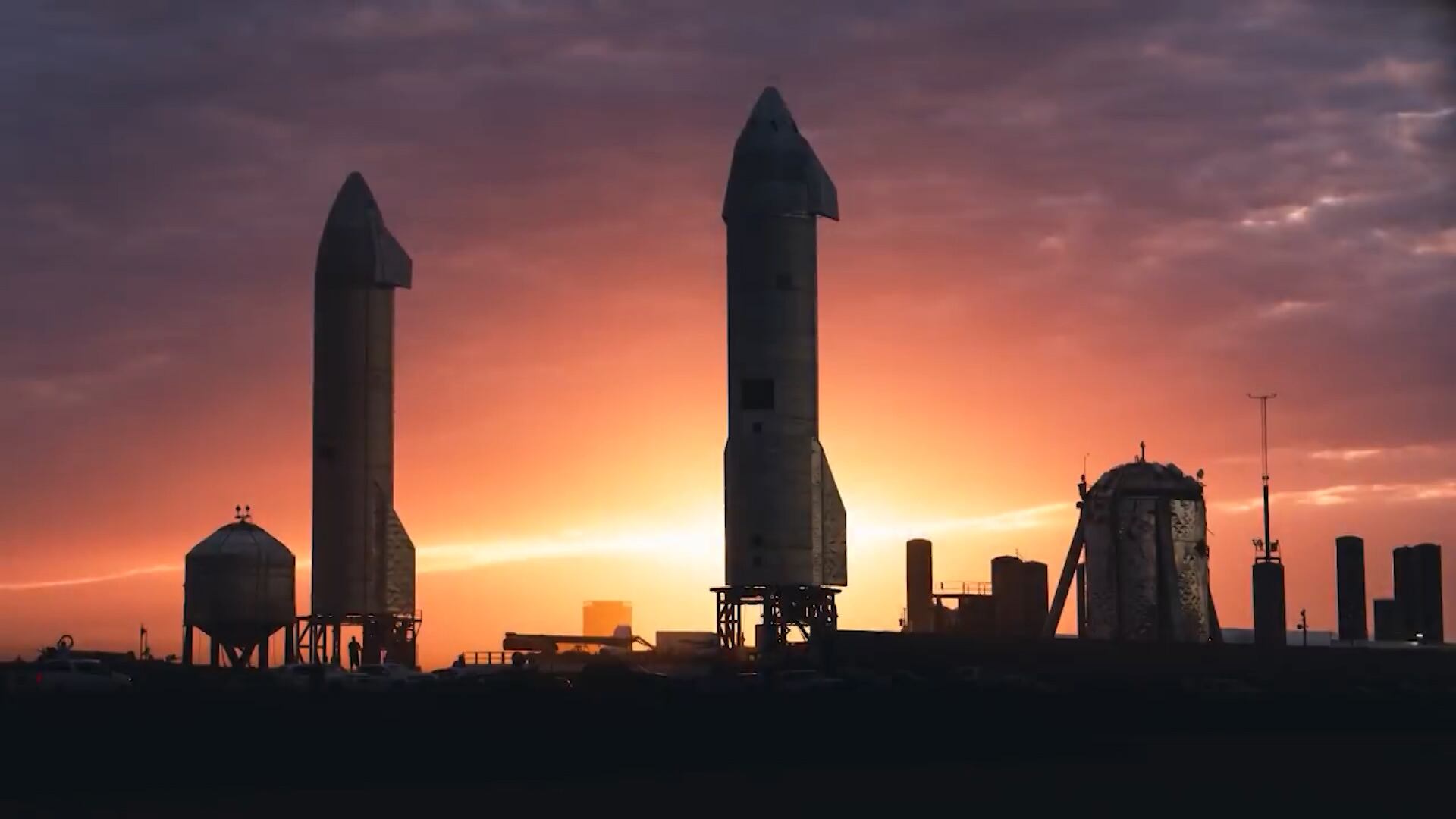
Reusable rocket developer Stoke Space Technologies raised $65 million in a Series A round led by Breakthrough Energy Ventures, a firm founded by Bill Gates. Stoke says its reusable rockets provide the satellite industry with low-cost, on-demand access to and from orbit. As companies like SpacX and Blue Origin are also making commitments to rocket reusability, Stoke says it is taking a different approach with a system designed to be 100% reusable, comprised of rockets designed to fly daily, like an airplane. Stoke co-founder and CEO Andy Lapsa joins Cheddar News' Closing Bell to discuss.
Humans are set to return to a place we have not been in nearly 50 years: the moon. NASA's Artemis program is expected to have astronauts back on the lunar surface by 2025. NASA says it will use what it learns on the moon to take the next giant leap - sending the first astronauts to Mars. The Artemis program also includes contributions from private companies like SpaceX, as well as academic research institutions like Georgia Tech. Georgia Tech professor of practice and former NASA astronaut Sandra Magnus joins Future of Space: Humankind's Leap Forward to discuss.
The CDC warns that COVID-19 is rapidly spreading with Omicron variant cases doubling every two days in the United States. How do current vaccines hold up against the new strain, and what does it mean for your upcoming holiday travel? Cheddar News breaks things down with infectious diseases specialist Dr. William Schaffner of Vanderbilt University School of Medicine.